Philodendron Lemon Lime Watering Guide
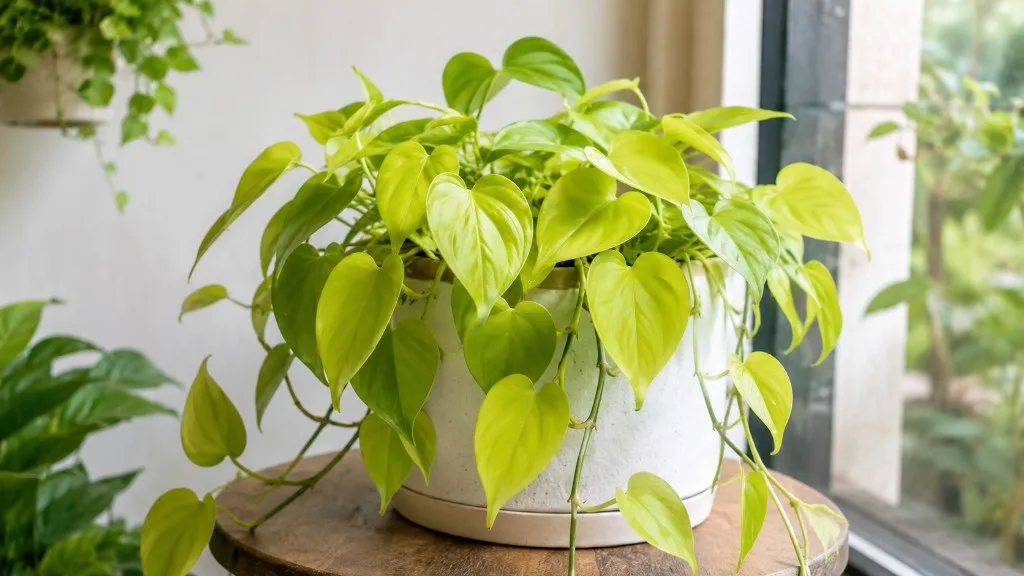
Philodendron Lemon Lime Watering Guide
Philodendron Lemon Lime Watering Guide
Philodendron Lemon Lime (Philodendron hederaceum ‘Lemon Lime’) sells itself as an easy, glowing chartreuse trailer - and then quietly punishes the grower who waters every Sunday because the phone reminder says so. The most common Lemon Lime watering mistake is not forgetting to drink; it is watering again before the mix has actually dried. This trailing heartleaf cultivar tolerates a missed cycle, recovers from a dramatic wilt within hours, and keeps cascading stems vivid when roots get a full soak followed by a real dry-down at the surface. It does not tolerate roots sitting in stale, oxygen-poor soil week after week. Yellow lower leaves, limp vines on heavy wet pots, chartreuse color dulling toward plain green, and a sour smell from the mix all point toward the same failure mode: chronic overwatering, not thirst.
UF/IFAS Gardening Solutions advises watering heartleaf philodendron when the top inch of soil becomes dry to the touch - the same 3–5 cm (1–2 inch) depth most indoor growers use as a timing trigger. NC State Extension lists ‘Lemon Lime’ among P. hederaceum cultivars with bright yellow to chartreuse foliage and notes the species prefers moist soil with a winter slowdown on watering. Iowa State Extension frames the philodendron rule plainly: stay evenly moist but not wet, water when the top of the soil is dry, and never let plants sit in soggy soils or saucers of water. The practical rhythm for Lemon Lime is partial dry-down, full soak, complete drain, repeat - not permanently damp peat and not bone-dry desert roots either.
This guide covers moisture checks that match extension language, realistic indoor frequency ranges, soak-and-drain technique, seasonal adjustment, hanging-basket dry-down differences, drought tolerance compared to neon pothos, over- and underwatering diagnostics, wet-soil wilt troubleshooting, and the mistakes that turn a glowing trailer into a root-rot recovery project. For light level tied to dry-down speed, see the Lemon Lime light guide. For mix and drainage that make watering safe, see soil guidance. For the full species picture, start with the Lemon Lime overview.
Why Calendar Watering Fails for Trailing Lemon Lime
Calendar watering fails because no two pots dry at the same speed. A Lemon Lime in a 15 cm hanging basket on a bright east window may need water every 5–7 days in July; the same cultivar in a 20 cm shelf pot in a dim hallway may hold moisture 14–21 days in January without crossing into drought stress. Light intensity, pot volume, soil texture, trailing biomass, and active growth all rewrite the interval. Treating “once a week” as a rule rather than a reminder to check is how root rot starts on a plant marketed as beginner-proof.
Trailing P. hederaceum evolved as a tropical evergreen vine native from Mexico to tropical America, climbing or cascading through filtered understory light. Indoors, that biology translates to fast summer extension when bright indirect light and warm room temperatures increase transpiration, and slower winter metabolism when shorter days and cooler rooms reduce water uptake. Lemon Lime is not a self-heading floor philodendron like Birkin - it is a cascading vine that dries differently, shows wilt faster when genuinely dry, and often recovers visibly after a thorough soak. The check-before-water loop matters more than the day count on a calendar.
The Top 3–5 cm Dry Rule for Lemon Lime
The top 3–5 cm (1–2 inch) dry rule is the most reliable watering signal for Lemon Lime in typical indoor pots. Wait until that upper zone feels dry to the touch - or the pot feels noticeably lighter - then water thoroughly until excess drains from the bottom. UF/IFAS states the decision plainly: water when the top inch becomes dry. NC State adds that P. hederaceum prefers slightly moist soil while recommending you slow down on watering in the winter - moist in container culture means moist after a soak, then allowed to partial-dry before the next soak, not permanently damp mix.
Why the surface depth specifically? In a container, evaporation happens fastest at the top, and that is where you can test without disturbing roots. The upper zone drying tells you the root ball is using water and air is cycling back into pore spaces. If only the very top crust looks pale but your finger comes up cool and clinging at the first knuckle, wait. If the top 3–5 cm is dry and the pot feels light, proceed. Do not confuse “dry between waterings” with “desert dry through the entire column.” Lemon Lime wants a cycle: wet the full root ball, drain, let the upper profile dry, repeat.
How to Check Soil Moisture Before You Water
Three checks used together beat any schedule printed on a nursery tag. The goal is to read root-zone readiness, not leaf drama alone - though Lemon Lime’s thin chartreuse leaves do telegraph stress quickly once you learn the pattern.
Finger Test, Skewer Probe, and Pot Weight
The finger test is the fastest: push your index finger into the mix to the second knuckle, about 2.5–3 cm (1 inch) deep - extend to 3–5 cm in larger hanging baskets. If the soil feels cool and clings to your skin, wait. If it feels dry and crumbly at that depth, the plant is likely ready. Surface color alone is unreliable; peat-heavy mixes can look pale on top while staying wet underneath.
A wooden skewer or chopstick probe helps when you are still learning a new pot. Insert it toward the center, leave it thirty seconds, pull it out, and feel the shaft. A damp skewer means moisture remains lower in the column; a clean, dry skewer supports watering.
Pot weight is the check experienced growers trust most. Lift the container after a thorough watering and notice the heft - that is your wet reference. Lift it every few days until the weight drops noticeably. That lightness, combined with a dry top inch, is a stronger signal than leaf droop alone, because trailing philodendrons can look slightly limp in afternoon heat even when the mix is adequately moist.
Wilting is a symptom, not a schedule. If leaves droop but the pot is heavy and the finger test reads wet, do not add water - inspect drainage, improve light, and let the mix dry. If leaves droop and the pot is light with dry soil at depth, water thoroughly.
How Often to Water Philodendron Lemon Lime Indoors
Indoor frequency for Lemon Lime typically falls between every 7–10 days during active spring and summer growth and every 10–14 days or longer in winter, but only when the top 3–5 cm dry check confirms need. Those ranges are starting placeholders, not permission to skip the soil test. A Lemon Lime in bright indirect light with a well-draining perlite-amended mix often lands near the shorter end from April through September. The same plant in a cooler room with shorter days may stretch toward the longer end without any change in your habits - the plant changed, not your skill.
Small pots dry faster. A 12–15 cm hanging basket in a sunny kitchen may need water every 5–7 days at peak summer growth. A 20 cm shelf pot in a north-facing office may go 14–21 days in winter without drought stress. Low-light placements dry slower because the plant transpires less and the room is often cooler - the exact combination that makes winter overwatering likely. The single best habit is to check before you pour. Plant care guides that say “water every one to two weeks” are offering a starting range, not a fixed appointment.
Worked example: A 15 cm plastic hanging basket of Lemon Lime on an east window in July - mix of potting soil plus 20–25% perlite, room near 24°C (75°F) - may be ready again in 6–8 days after a full soak. The same basket moved to a dim interior shelf in January may stay heavy 12–18 days after one watering. Same cultivar, different dry-down reality. Log pot weight for two weeks when you first bring a plant home; the rhythm becomes obvious quickly.
Lemon Lime Drought Tolerance and Recovery
Lemon Lime is drought-tolerant in the houseplant sense: it can miss a watering cycle, wilt visibly on trailing stems, and recover within hours after a thorough soak. UF/IFAS notes that heartleaf philodendron is versatile and hardy - a trait that makes inconsistent moisture less immediately fatal than chronic soggy soil. That tolerance does not mean the plant prefers neglect. It means the error bar is wider on the dry side than the wet side.
Drought tolerance shows up practically. The thin chartreuse leaves lose turgor when roots cannot supply water, and the whole vine may look dramatically limp - then perk back up after watering. Older leaves may crisp at the edges after repeated underwatering, but the plant rarely dies from a single dry week the way it can decline from a single soggy month. Chartreuse color dulling toward green can signal chronic underwatering or low light - if the pot is consistently light and edges crisp, increase check frequency; if the pot is heavy and color fades, suspect insufficient light before watering more.
Compared to neon pothos (Epipremnum aureum ‘Neon’) in the same room, Lemon Lime usually follows a similar wet-dry cycle - both are forgiving trailing aroids that want the top inch dry before the next soak. Pothos may tolerate slightly longer dry spells; Lemon Lime’s thinner leaves show wilt sooner. Neither belongs on a fixed weekly autopilot in a dim winter room.
Seasonal Watering Adjustments
Lemon Lime water use tracks growth phase more than the month on the calendar. Active spring extension, summer trailing growth, autumn slowdown, and winter rest each change how fast a given pot dries and how much moisture roots metabolize before oxygen runs out.
In spring and summer, expect to water more often - commonly every 7–10 days, sometimes every 5–7 days for small hanging baskets in bright light. In autumn, stretch intervals as growth decelerates. In winter, the same pot that needed water weekly in July may need water only every 10–14 days, sometimes every three weeks in a cool, low-light room. NC State explicitly recommends slowing down on watering in the winter when growth slows. Continuing summer frequency into winter is a primary path to yellow leaves on wet mix.
Summer Active Growth vs. Winter Slowdown
From spring through fall, Lemon Lime is in its active phase indoors, and the 7–10 day range is most accurate for medium pots in bright indirect light. Fertilizer, if you use it, belongs in this window - but only on a plant drying and drinking on a normal cycle, not one struggling in soggy soil.
Winter slowdown is where kindness kills. Cool, low-light conditions mean water sits for days around a semi-dormant root system. Lower leaves yellow, stems soften at the base, and chartreuse color dulls. During winter rest, water only when the top 3–5 cm is dry and the pot feels light - often two weeks apart in a cool bright room, longer in a dim corner. No fertilizer, no emergency repotting, no saucer water. When fresh lime tips resume in late winter, gradually return to shorter intervals, still guided by the dry-top check.
The Right Way to Water Lemon Lime Thoroughly
Technique matters as much as timing. The goal is to wet the entire root column once, drain completely, and then leave the plant alone until the top 3–5 cm dries - not to dribble small amounts every few days.
Use room-temperature water and a watering can with a narrow spout. Apply water slowly across the soil surface, moving in a circle, until water runs freely from the drainage holes. That flush ensures the center of the root ball receives moisture, not just the edges. If water pools on the surface and runs down the inside wall without wetting the center - common in peat mixes that have dried and shrunk - break the surface tension with a fork or chopstick, then water again in two short passes.
Never let the pot sit in a saucer of runoff. Iowa State Extension warns against soggy soils and standing saucer water. Empty saucers and cachepots within fifteen to thirty minutes. In decorative outer pots with no drainage, either drill holes or treat the inner nursery pot as removable and dump excess after every watering. Standing water at the bottom creates anaerobic conditions within days, and philodendron roots cannot survive long without oxygen.
Bottom watering is optional; if you use it, still let the top inch dry before the next session. Avoid misting as a watering substitute - it does not hydrate roots. Humidity in the 40–60% range typical of most homes is adequate for P. hederaceum; UF/IFAS notes philodendrons tolerate low household humidity even though they prefer higher levels.
Signs You Are Overwatering Philodendron Lemon Lime
Overwatering is the default failure mode for indoor Lemon Lime. The signs accumulate gradually, which is why people often water more when they should stop.
Yellow leaves starting at the bottom while newer chartreuse tips stay bright often indicate roots struggling in wet mix - see the dedicated yellow leaves guide. Wilting in wet soil is the paradox that confuses most growers - damaged roots cannot transport water even though the mix holds plenty; read wilting when this pattern repeats. Soft stems at the soil line, a sour smell from the pot, and stunted new growth in bright light with wet soil are advanced warnings. Soil that stays cool and heavy for many days without drying at the top is another red flag.
On Lemon Lime, overwatering is more likely when heavy peat mix, low light, a pot with no drainage, or a decorative cachepot holding runoff combine. If several signs appear together, pause watering and inspect the root zone before feeding or repotting.
Root Rot From Chronic Overwatering
Root rot is the structural failure that follows chronic overwatering, poorly draining mix, or standing saucer water. NC State Extension lists root rot in overly wet soil among problems for P. hederaceum. Healthy roots are firm, white to tan, and hold their shape when gently touched. Rotting roots are brown to black, slimy, and may slip out of their outer sheath. The mix may smell sour, like wet compost gone wrong.
If you suspect root rot, unpot the plant and inspect. Trim all mushy, dark roots back to firm tissue with clean scissors wiped with rubbing alcohol between cuts. Remove yellowed leaves the reduced root system cannot support. Repot into fresh, well-draining mix in a pot with clear drainage holes, sized to the remaining root mass rather than dramatically larger. Water once to settle mix, drain fully, then wait for the top 3–5 cm to dry before the next soak. Do not fertilize until new growth shows roots are functioning again. Full recovery protocol: root rot guide.
Signs Your Lemon Lime Needs Water Now
Underwatering happens, especially after an overwatering scare when growers overcorrect toward neglect. The signs differ from overwatering in ways that matter.
Wilting that recovers within hours after watering points to genuine dryness - the pot feels light and the finger test reads dry at depth. Dry, crispy edges on chartreuse leaves and mix pulling away from pot walls suggest repeated mild drought. Dull green color on new growth with a consistently light pot may mean underwatering or low light - check both before changing water volume.
Do not confuse afternoon heat wilt with drought. If the plant perks up each evening without additional water, wait until morning to check soil moisture. Lemon Lime forgives a dry episode better than a soggy month, but repeated drought damages fine roots and makes the plant react badly when water finally returns. Rehydrate thoroughly, then let the pot drain instead of giving tiny daily sips. More detail: underwatering guide.
How Light, Pot Size, and Soil Change the Schedule
Pot volume, light intensity, and mix texture together set the drying clock more than any single factor. A small pot in strong indirect light dries fast because roots occupy most of the mix and leaves transpire actively. A large pot in low light dries slowly because unused soil holds water like a reservoir and the plant pulls less moisture.
Bright indirect light - the condition that keeps Lemon Lime chartreuse vivid per the light guide - increases water use and shortens intervals. Low light slows both growth and drying; the plant can look acceptable for months while the mix stays damp too long, setting up rot. If your Lemon Lime is in a dim corner and the soil never dries, move it toward brighter exposure before you change watering volume. Light fixes many “watering problems” that are actually evaporation problems.
Pot size changes everything overnight. A newly repotted Lemon Lime in a pot one size up holds more mix the root ball cannot yet colonize; that extra volume stays wet longer. Small pots (10–15 cm) suit trailing philodendrons well because they limit excess moisture. Large decorative pots (25 cm+) often stay wet too long unless the mix is very chunky.
Soil mix is a hidden watering variable. Heavy peat without perlite keeps the root zone wet for days after a single watering. A sound Lemon Lime mix combines quality indoor potting soil with 20–25% perlite for drainage - details in the soil guide. If your plant stays wet more than five days after a soak in summer bright light, the mix - not your calendar - needs adjustment at the next repot.
Hanging Baskets vs. Shelf Pots
Placement geometry changes watering as much as soil does. Hanging baskets expose the mix to air on multiple sides and often sit in brighter light near windows, so they dry faster than shelf pots. Check every 5–7 days in active growth rather than assuming the same interval as a tabletop plant. Baskets also dry unevenly - the top surface may crust dry while the center remains moist, making the skewer probe especially useful.
Shelf and tabletop pots retain moisture longer, especially deep plastic containers in low light. A trailing Lemon Lime allowed to cascade over a shelf edge still pulls water through leaf surface area, but the enclosed pot walls slow edge evaporation compared with a hanging basket.
Cachepots - decorative outer pots with no drainage - are a silent killer. Water drains from the inner pot into a hidden pool at the bottom of the outer shell. The grower sees dry surface soil, adds more water next week, and the roots sit in a permanent bog. Either remove the inner pot to drain after every watering, or treat the setup as temporary display. This trap drives many overwatering cases on otherwise easy cultivars.
Water Quality, Humidity, and Temperature
Most tap water is fine for Lemon Lime if your municipal supply is not heavily softened or high in salts that leave white crust on pot rims. Room-temperature water avoids shocking roots. If leaves show tip burn despite correct watering rhythm, consider filtered water - but fix light and drainage first.
P. hederaceum grows best at 65–85°F (18–29°C) indoors per UF/IFAS. Below 10°C (50°F), growth stalls and wet mix persists dangerously long. Keep pots away from cold window drafts in winter and from hot radiator air that desiccates leaves without drying the root ball evenly.
Humidity 40–60% suits most homes. Low humidity may crisp leaf edges during dry cycles but does not replace soil watering - misting leaves is not a substitute for a root-zone soak. If edges brown repeatedly, pair better watering rhythm with modest humidity increase rather than daily spritzing alone.
Watering After Repotting or Moving
Fresh mix without fully colonizing roots holds water differently. After repotting, expect slower drying for several weeks and extend your interval until roots explore the new volume. Water once thoroughly after repot, drain fully, then wait for a genuine dry-down before the next soak - do not maintain the old summer calendar on a suddenly larger wet zone.
Moving a Lemon Lime to a brighter window increases transpiration immediately; moving to a dimmer spot slows drying. After any move, check pot weight daily for one week before assuming your old interval still applies. Quarantine new plants and learn how fast this container dries before stacking propagation or fertilizer changes on top of watering adjustments.
Common Lemon Lime Watering Mistakes
Watering on a fixed weekly schedule without checking soil. The calendar reminds you to look, not to water.
Giving small sips daily instead of a full soak. Keeps the upper layer moist while lower roots starve or rot, and never flushes accumulated salts.
Leaving runoff in the saucer or cachepot. Empty standing water within thirty minutes, every time.
Continuing summer frequency into winter. When growth slows, stretch intervals and verify with weight checks.
Assuming wilting always means thirst. Wilting plus wet soil means stop watering, improve drainage and light, and inspect roots if decline continues.
Oversized pot with heavy peat mix. Size pot to root mass, amend with perlite, or repot into terracotta. Large wet zones without roots are rot waiting to happen.
Misting to compensate for underwatering. Misting does not hydrate roots; soak the mix when the dry-top check confirms need.
Ignoring pet safety when handling runoff. P. hederaceum contains insoluble calcium oxalate crystals toxic to cats and dogs per NC State - keep drips and pruned leaves away from pets; contact a veterinarian if ingestion occurs.
Troubleshooting: Wet Soil but Wilting Leaves
Wilting on heavy, wet soil usually means root damage from overwatering, not thirst. When roots sit in soggy mix, they cannot absorb water effectively, so leaves droop even though the pot is full of moisture. Check for yellow lower leaves, soft stems at the base, and sour smell. Stop watering, empty standing water from saucers, improve light and drainage, and let the mix dry before considering another soak. Inspect roots if decline continues - the overwatering and root-rot guides walk through recovery step by step.
Wilting on light, dry soil is the opposite problem: genuine thirst. Water thoroughly until drainage, empty saucers, and expect recovery within hours on a healthy trailing vine. If the plant wilts daily despite wet soil checks reading dry, probe deeper - hydrophobic peat can leave the center bone dry while the surface looks acceptable.
Conclusion
Philodendron Lemon Lime rewards a simple rhythm: let the top 3–5 cm (1–2 inches) of mix dry, soak once until water drains, empty every saucer and cachepot, then wait until the pot is light and the probe reads dry at depth again. Starting ranges of 7–10 days in active growth and 10–14 days in cooler months are useful only as placeholders until your container teaches you its real interval. This trailing P. hederaceum cultivar tolerates missed drinks better than chronic soggy soil - yellow lower leaves, wilting on wet mix, and sour-smelling peat are warnings to respect, not calls for more water. Match watering to light and mix, check hanging baskets more often than shelf pots, and keep the cluster problem guides linked above open when symptoms outlast a single corrected soak.
When to use this page vs other Philodendron Lemon Lime guides
- Philodendron Lemon Lime overview - Start here for whole-plant context before deep-diving this topic.
- Philodendron Lemon Lime problems hub - Jump to symptom-specific fix guides when this care topic does not resolve the issue.
- Root Rot on Philodendron Lemon Lime - Escalate here when watering adjustments are not enough.