Slow Growth on Philodendron Brasil: Causes, Checks & Fixes
Quick answer
Slow growth on Philodendron Brasil usually means too little light, a crowded pot, or normal winter rest-not disease. First step: move the plant to brighter indirect light and confirm the pot dries between waterings before changing anything else.
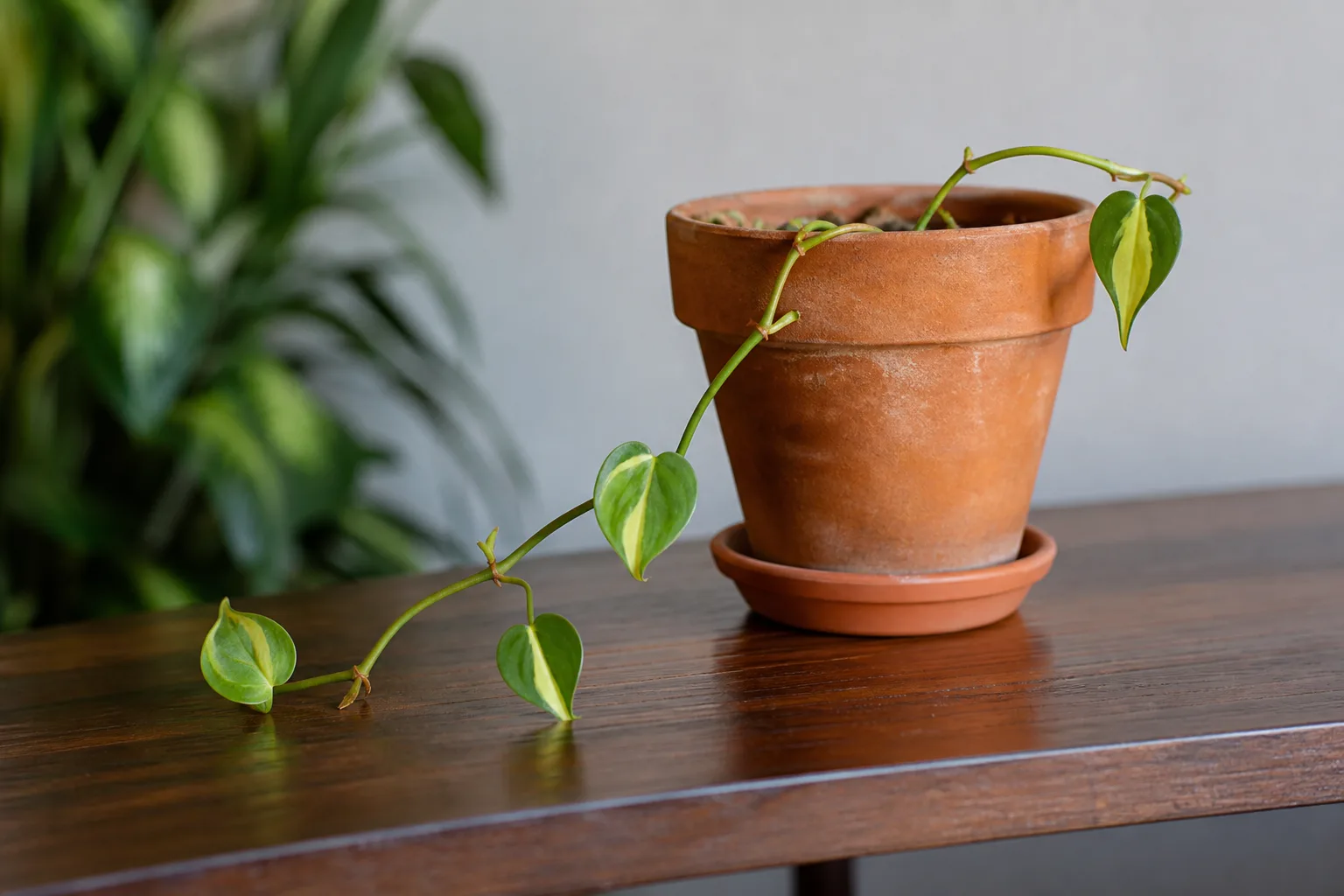
Slow Growth on Philodendron Brasil: Causes, Checks & Fixes
This guide covers slow growth on Philodendron Brasil. See also the general Slow Growth guide, watering, and light pages for this plant.
Slow Growth on Philodendron Brasil: Causes, Checks & Fixes
Quick answer
Philodendron Brasil (Philodendron hederaceum ‘Brasil’) is normally a fast vining philodendron when light, roots, and watering align. If your plant produces few or no new lime-streaked leaves through a full warm season, the bottleneck is usually too little light, a root-bound pot, or normal winter slowdown-not a mysterious disease.
First step: move the plant to brighter indirect light and check whether the pot dries between waterings. Brasil’s variegated tissue carries less chlorophyll than solid-green heartleaf, so it needs more light energy to push new growth. Do not reach for fertilizer, repotting, or pruning until you have confirmed light and root conditions.
How this page differs from related Brasil guides
This guide focuses on total growth stall-few or no new leaves for weeks during the active season-rather than the headline symptoms on sibling pages:
- Leggy growth - long bare stems and dramatic internode stretch are the main complaint; same light fix, but pruning sequence matters more.
- Not enough light - lime streak fade and etiolation are the lead symptoms; growth may still continue slowly.
- Root rot and overwatering - yellow leaves, limp vines, and mushy roots on wet soil; urgent, not a growth tweak.
What slow growth looks like on Philodendron Brasil
Healthy Brasil adds new heart-shaped leaves at vine tips every one to three weeks during spring and summer in bright indirect light. Slow growth shows up as:
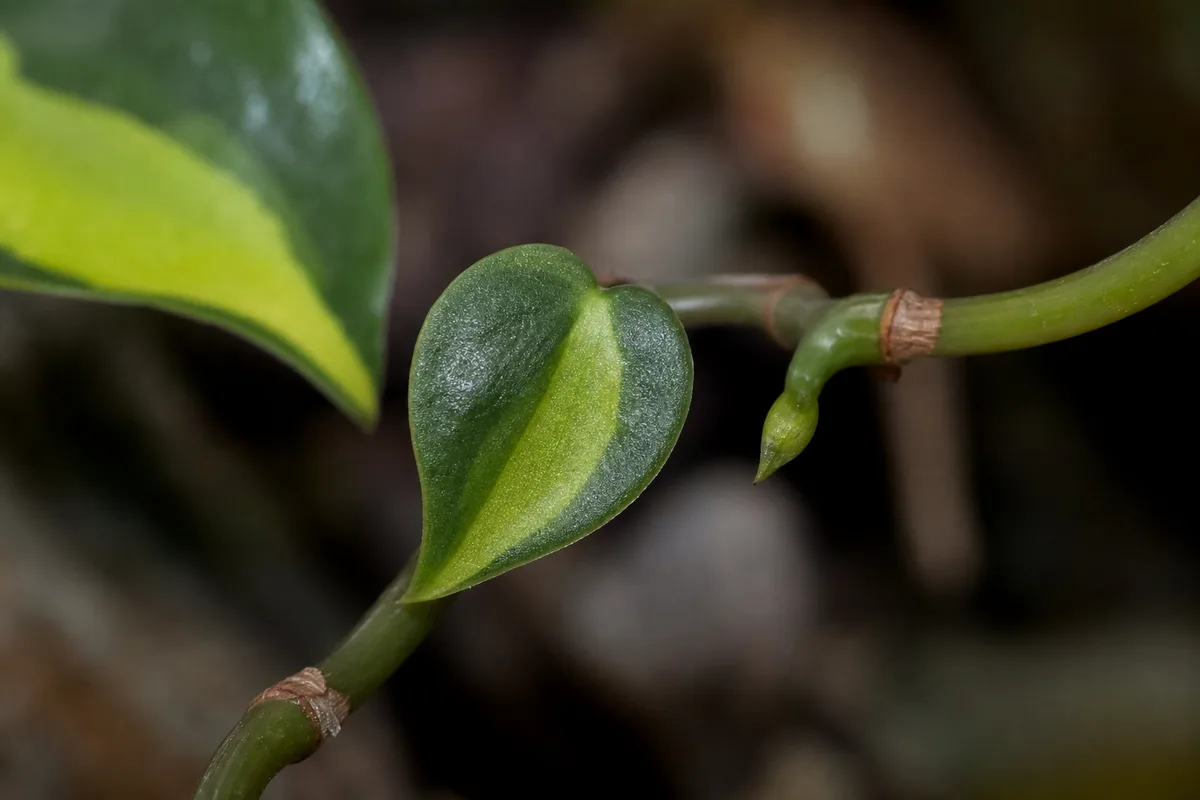
Slow Growth symptoms on Philodendron Brasil - compare with healthy tissue on the same plant.
- Few or no new leaves at growing tips for a month or more during active season
- Smaller new leaves than the plant’s recent baseline
- Longer spaces between nodes without the dramatic stretch of full leggy growth
- Fading lime streaks on new foliage-plain green leaves often appear before vines look obviously etiolated
- Static pot weight and vine length month after month despite otherwise stable care
- Roots circling the pot wall or emerging from drainage holes when you slide the plant out
Visual check without photos: Compare your sluggish vine to a healthy baseline-firm existing lime-streaked leaves with no new tips for four or more weeks in May or June signals a care stall. A dim-shelf Brasil often holds old patterned leaves for months while every new leaf arrives smaller and greener.
Normal winter quiet: Shorter days and cooler indoor temperatures naturally slow this tropical vine. Minimal new growth from late fall through early spring, with existing leaves staying firm and green, is expected-not a crisis.
Not slow growth: Yellow leaves on constantly wet soil, limp vines despite damp mix, or sour-smelling potting mix point to root problems or overwatering. Those need a different first fix.
Why Philodendron Brasil gets slow growth
Insufficient light is the top limiter
Brasil is a variegated center stripe of yellow to light green on dark green borders. The lime-yellow sections contain less chlorophyll than the dark green margins, so the plant needs bright indirect light to photosynthesize enough to fuel rapid vine extension. In dim corners, growth slows before variegation fully disappears-and new leaves may emerge smaller and greener.
Philodendron hederaceum tolerates low light and can survive for long periods in extremely low light, but survival is not active growth. Medium light keeps the plant alive; bright indirect light is what makes Brasil look and grow like Brasil. See the full Philodendron Brasil light guide for window placement and grow-light options.
Root-bound or depleted soil
Brasil grows quickly when happy, which means roots can fill a pot within one to two years. When roots circle densely, water rushes through without soaking in, the mix breaks down, and uptake efficiency drops. Growth stalls even if light is adequate. The repotting guide covers timing and pot sizing.
Chronic mild root stress from overwatering
Fast-growing vines use water steadily in good light-but in low light or oversized pots, soil stays wet too long. Damaged roots cannot support new tissue, so growth stops while the plant looks merely “quiet.” This overlaps with root rot-root rot can occur in overly moist soils; wet soil plus yellow leaves is a red flag, not normal sluggishness.
Seasonal slowdown
Philodendron hederaceum slows naturally in winter when day length shortens and indoor temperatures dip. Watering should stretch per the watering guide-often every 10–14 days in winter versus every 7–10 days in summer when the top 3–5 cm dries. Expecting summer vine speed in December sets up unnecessary worry.
Cool temperatures and low humidity
Brasil prefers warm indoor conditions around 18–27°C (65–80°F) and moderate humidity. Prolonged exposure to cold drafts, AC blasts, or rooms below about 15°C (59°F) suppresses metabolic activity. Low humidity alone rarely stops growth entirely on Brasil, but it can combine with light stress to produce smaller leaves.
Hidden pest drain
Spider mites, mealybugs, and aphids can sap vigor before obvious leaf damage appears. Inspect undersides of heart leaves if growth slows without a clear light or root explanation-especially on plants near heat vents or other infested houseplants.
Chimeric reversion during prolonged stall
When light stays weak for months, one vine may push all-green shoots that grow faster than variegated sections-the plant is optimizing for chlorophyll. That is reversion, not a separate disease. Prune plain-green tips back to the last node with visible lime variegation after light improves, not before.
How to confirm the cause
Work through these checks in order:
- Season check - Is it late fall through early spring? If yes, compare growth to last year’s winter pattern before treating sluggishness as a problem.
- Light at the pot - At the height where leaves hang, can you read comfortably without a lamp for several hours daily? Brasil in north-facing rooms or deep interior corners often lacks the energy for steady new leaves. A soft hand shadow on foliage at midday suggests usable indirect light.
- Variegation trend - Are new leaves losing lime streaks? Fading variegation alongside slow vines strongly confirms insufficient light.
- Pot weight and watering - Lift the pot after watering and again when you would normally water. If it never lightens, roots may be damaged or the mix is staying too wet. If it dries within a day or two, the plant may be root-bound.
- Root inspection - Slide the plant from its pot. Dense white roots circling the perimeter suggest repotting need. Brown, mushy roots with sour smell suggest rot-not a simple growth bottleneck.
- Pest scan - Check leaf undersides and stem joints for webbing, cottony clusters, or sticky residue.
If light is dim, variegation is fading, and roots look healthy but crowded, light is the primary limiter. Low light reduces photosynthesis and can diminish growth. If roots are mushy on wet soil, treat root stress before expecting faster growth.
First fix for Philodendron Brasil
Move the plant gradually to brighter indirect light over one to two weeks.
Place it within a few feet of an east- or west-facing window, or a few feet back from a south-facing window with sheer curtain protection. Avoid jumping from a dim corner to harsh midday sun-Brasil scorches in direct hot rays. Rotate the pot weekly so all sides receive even light.
If natural light is weak, add a full-spectrum LED grow light 15–30 cm (6–12 in.) above the canopy for 12–14 hours daily. North-facing or interior rooms often need supplementation year-round for steady variegated growth.
Do not fertilize, repot, or prune heavily on day one. Light is the single change most likely to restart vine extension on a sluggish Brasil. Once new growth appears with restored lime streaks, resume your normal watering rhythm: water when the top 3–5 cm of mix is dry.
Step-by-step recovery
After improving light:
- Wait two to three weeks before judging results. New leaves emerge from existing nodes; the plant needs time to redirect energy.
- Repot in spring or early summer if roots circle the pot wall or water runs straight through. Move up one pot size only, using airy potting mix with 20–25% perlite for drainage.
- Apply diluted balanced fertilizer at half label strength monthly during active growth-only after new leaves appear and roots are healthy. See the fertilizer guide; skip feeding on stressed, newly repotted, or winter-dormant plants.
- Prune plain-green reverted tips back to the last node showing lime variegation once light improves. This redirects energy into colorful new growth rather than all-green runners.
- Inspect for pests if growth stays flat after light and root checks. Rinse undersides and treat confirmed infestations before expecting a growth surge.
- Adjust winter expectations - Reduce watering frequency and wait for longer days before expecting vine speed to return.
Recovery timeline
In bright indirect light during spring or summer, many Brasil plants produce visible new leaves within two to four weeks after a light correction-this is a typical editorial observation, not a guaranteed schedule. Root-bound plants may need four to six weeks after repotting before vine speed picks up. Winter improvements may not show until day length increases in late winter or early spring.
Signs recovery is working:
- New heart leaves unfurl at vine tips with visible lime streaks
- Internode spacing tightens on fresh growth
- Pot weight cycles predictably between waterings
- Variegation holds or improves on the newest leaves
Signs the problem is worsening:
- Yellow leaves spreading on wet soil
- Stems softening at the base
- New leaves getting smaller and greener despite more light
- Sour smell from the pot
Lookalike symptoms - comparison table
| Pattern | Lead symptom | Soil / roots | First action | See also |
|---|---|---|---|---|
| Slow growth (this page) | Few or no new leaves for weeks in warm season; fading lime streaks | Usually normal weight; firm roots | Improve light first | - |
| Leggy growth | Long bare stems, wide internode gaps | Variable | Brighter light, then prune stretched tips | Leggy growth |
| Not enough light | Lime fade, lean toward window; growth may continue slowly | Often stays wet in dim corners | Move closer to window or add grow light | Not enough light |
| Winter rest | Minimal leaves Oct–Feb; firm existing foliage | Normal dry-down | Wait for spring; reduce water | - |
| Root rot | Yellow lowers, limp vines, sour smell | Wet, heavy; mushy roots | Unpot, trim rot, repot in fresh mix | Root rot |
| Overwatering | Stalled growth + wet soil, no sour smell yet | Wet; firm white roots | Dry down 3–5 cm, fix rhythm | Overwatering |
| Reversion | All-green shoots outpacing variegated vines | Healthy | Light first, then prune green tips | Pale leaves |
Mistakes to avoid
- Fertilizing heavily to force growth on a light-starved or root-stressed plant-salts can burn roots without fixing the real limiter.
- Repotting into an oversized container hoping bigger pots mean faster vines. Excess soil stays wet and can slow growth further.
- Ignoring winter as a factor and stacking interventions when the plant is simply resting.
- Keeping Brasil in medium light because heartleaf philodendron “tolerates” low light-the variegated cultivar needs more energy than solid green forms.
- Pruning aggressively before fixing light-you remove photosynthetic tissue the plant needs to recover.
- Assuming slow growth means the plant is dying-Brasil is forgiving and often rebounds once light and roots align.
Philodendron Brasil care cross-check
Match these baseline needs against your setup:
| Factor | What Brasil needs | Slow-growth clue when wrong |
|---|---|---|
| Light | Bright indirect; tolerates medium but grows slowly there | Few new leaves, fading variegation |
| Water | Top 3–5 cm dry before watering; less in winter | Wet soil + stalled growth = root stress |
| Soil | Well-draining potting mix + 20–25% perlite | Compacted, sour mix limits uptake |
| Temperature | 18–27°C (65–80°F); avoid cold drafts | Prolonged cool rooms suppress vines |
| Pot size | Repot when roots circle; one size up only | Water rushes through or dries in hours |
| Feeding | Half-strength balanced fertilizer in active growth only | Feed only after light and roots are right |
How to prevent slow growth next time
- Place Brasil where it receives bright indirect light year-round-not just where the hanger looks best.
- Repot every one to two years or when roots emerge from drainage holes, using fresh airy mix.
- Water by pot weight, not calendar-adjust for season and light level.
- Scout for pests monthly on leaf undersides.
- Track new leaf frequency in spring rather than comparing winter quiet to summer growth rates.
- Keep the plant out of reach of pets-Brasil contains calcium oxalate crystals that irritate mouths if chewed. If ingestion occurs, call ASPCA Poison Control at (888) 426-4435 and your veterinarian.
When to worry
Slow growth alone is rarely urgent. Escalate when:
- Yellow leaves spread while soil stays wet for days
- Stems soften or smell sour at the soil line
- No new growth appears through an entire warm season after light and repotting corrections
- Variegation reverts entirely to plain green across multiple vines-light correction may still work, but delay makes recovery harder
If most roots are mushy after inspection, treat as root rot rather than a growth bottleneck. Stem cuttings in water can salvage a Brasil when the root ball fails but vines remain firm.
Related Philodendron Brasil guides
- Philodendron Brasil overview - hub page for the full care cluster
- Philodendron Brasil light - window placement and grow-light setup
- Philodendron Brasil watering - dry-down rhythm and seasonal intervals
- Philodendron Brasil soil - perlite-amended mix for steady uptake
- Philodendron Brasil fertilizer - when and how to feed active vines
- Philodendron Brasil repotting - one-size-up timing when roots circle
- Leggy growth on Philodendron Brasil - internode stretch focus
- Not enough light on Philodendron Brasil - lime fade and etiolation focus
- Root rot on Philodendron Brasil - mushy roots on wet soil
- Overwatering on Philodendron Brasil - early wet-soil rescue
- Pale leaves on Philodendron Brasil - color loss patterns