Bud Drop on Lavender: Causes, Checks & Fixes
Quick answer
Bud drop on lavender happens when developing flower buds abort from sudden watering changes, heat waves, heavy rain, or too little sun on soft growth. Stabilize moisture with dry-down watering, ensure 6+ hours of sun, and avoid repotting or heavy pruning during bud formation.
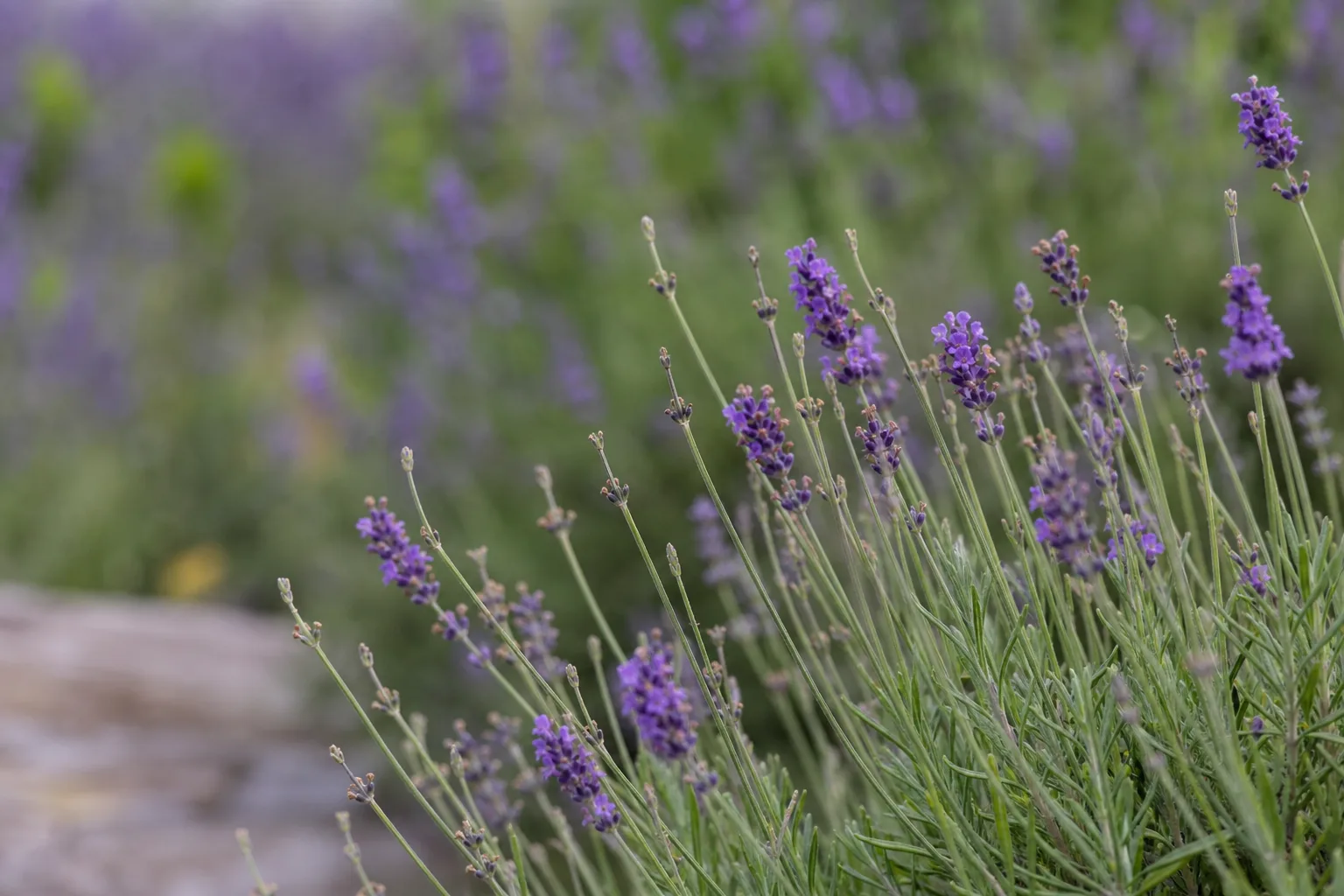
Bud Drop on Lavender: Causes, Checks & Fixes
This guide covers bud drop on Lavender. See also the general Bud Drop guide, watering, and light pages for this plant.
Bud Drop on Lavender: Causes, Checks & Fixes
Quick answer
Bud drop on English lavender (Lavandula angustifolia) means flower buds dry and fall before opening while silver foliage and woody stems stay structurally sound. It is a stress abort-not a disease requiring fungicide.
The mistake growers make is adding water or fertilizer after buds fall, which worsens the root swings that triggered the abort in the first place.
First step: hold steady dry-down watering-only when soil is completely dry 7 cm deep-and maximize sun without Lavender repotting guide until new buds form. Do not relocate into deep shade to “protect” a stressed plant.
This page is the primary bud-abort hub for container English lavender-buds falling before bloom on firm wands. For spent flowers that brown after opening, see flowers turning brown. For whole-wand wilt with soft crown, see blight. For heat collapse on firm stems, see heat stress.
Bud drop vs spent brown flowers on lavender
Owners often land on the wrong slug because both involve dry-looking flower tissue.
| What you see | Timing | Stem / crown | Foliage | Likely cause | Read next |
|---|---|---|---|---|---|
| Purple-green buds dry at tip and detach | Before any petal opens | Firm woody wands | Silver-grey, upright | Stress abort (water, heat, shade) | This page |
| Open flowers fade to brown on the wand | After bloom peak | Firm | Healthy silver below | Normal senescence | Flowers turning brown |
| Whole wand wilts grey; crown softens | During or after wet spell | Soft at base | May yellow lower | Blight or crown rot | Blight |
| Blackened buds after freeze | Within days of cold snap | Firm | May bronze at tips | Frost damage | Frost damage |
| Silvery scarring on bud scales | Gradual over weeks | Firm | Stippling possible | Thrips feeding | Thrips |
| No buds ever form on leggy plant | Whole season | Firm | Pale, stretched | Too little light | Not enough light |
Key distinction: Bud drop removes unopened buds from firm wands. Spent-bloom browning happens after flowers opened and finished their display.
What bud drop looks like on lavender
Small purple-green buds dry at the tip and detach, leaving bare flower wands with healthy silver foliage below. You may find fallen buds on soil or saucers. Stems stay upright; no mushy crown or branch wilt unless a separate problem exists.
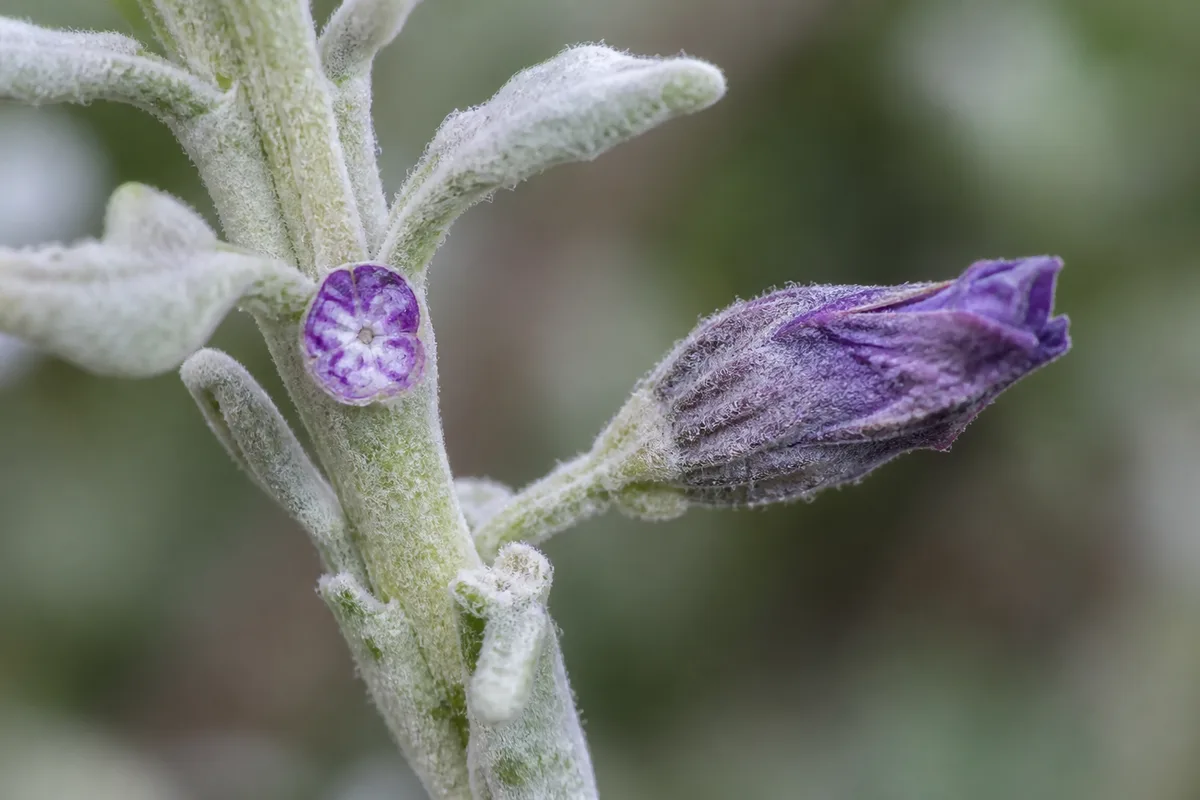
Bud Drop symptoms on Lavender - compare with healthy tissue on the same plant.
Aborting wands, monsoon pattern, and hardening-off failure
Sometimes entire wands abort after a sudden heat wave above roughly 35°C or after monsoon downpours followed by cloudy humid days when mix stays damp at 7 cm while roots cannot stabilize. Leggy indoor-overwintered lavender drops buds when moved outside without gradual hardening-the soft spring flush that should carry blooms aborts under wind, UV, and temperature swings.
Photo callout: Compare aborting purple-green buds on a firm upright wand (buds shrunken and detached, silver needles healthy below) against blight wilt (whole grey wand limp, crown softening at soil line). Firm stems with bare wands point to stress abort, not pathogen.
Why lavender drops buds
Mediterranean bloom cycle and hormonal abort
English lavender sets most of its flower buds on one primary spring-to-summer flush-blooming from late spring into summer-unlike repeat-bloomers such as French lavender (Lavandula stoechas), which can push additional flushes when culture stays stable. Losing buds on English types costs more of the season’s display because the plant will not endlessly replace them on the same schedule.
Flower buds are metabolically expensive. When roots, light, or temperature swing outside what a Mediterranean subshrub expects, the plant sheds buds first while keeping established silver foliage-conserving resources for woody stems that must survive drought and winter.
Watering swings, heat, shade, and excess nitrogen
Lavender blooms best in full sun with dry to medium, well-drained soil. Flower bud development needs stable root conditions. Alternating bone-dry spells with heavy soaking stresses hormonal bud retention-the same pattern that triggers abort in greenhouse crops under moisture stress.
The RHS notes lavender needs lots of sun and fast-draining soil and will not thrive in shady, damp conditions. Shaded pots fail to ripen buds; lavender thrives in somewhat low fertility and high light. Excess nitrogen produces soft lush growth that aborts buds under heat.
Illinois Extension emphasizes that dampness kills lavender more than cold when drainage fails-monsoon weeks when rain keeps containers wet at 7 cm are a common bud-abort trigger even on balconies with otherwise good sun.
Repotting, transplant shock, or pruning during bud set commonly triggers drop. Wind desiccation on exposed balconies can dry buds without killing stems. See repotting stress and transplant shock when drop follows disturbance.
How to confirm the cause
Numbered confirmation checklist
- Stem and crown firmness - Firm wood rules out blight as primary cause. Soft grey tissue at the base means escalate to blight or crown rot, not wait-and-water.
- Watering history - Dry-then-flood pattern before drop? Saucer left full after rain?
- Weather - Heat above 35°C, hail damage to wands, or a week of cloudy humid days after downpours?
- Light - Less than six hours direct sun on developing buds? Leggy pale growth below wands?
- Recent disturbance - Repot, move, or heavy feed in last two weeks during bud set?
- Pests - Aphids on wands can distort buds; usually visible on inspection. Silvery bud scarring suggests thrips.
Lookalike comparison table
| Symptom | Bud drop (stress) | Blight / rot | Spent bloom | Frost |
|---|---|---|---|---|
| Bud state | Unopened, dried, fallen | Wand wilts before open | Opened then brown | Blackened, timing matches cold |
| Stem | Firm, woody | Grey, limp, may soften | Firm | Firm |
| Crown | Dry and hard | Soft, wet smell possible | Dry | Dry |
| Soil smell | Neutral or earthy | Sour on advanced rot | Neutral | Neutral |
| Urgency | Low-stabilize culture | High-act same day | None-deadhead only | Low unless crown damaged |
First fix for lavender (by likely cause)
Hold steady dry-down watering-probe 7 cm depth before each drink-and maximize sun without mid-task repotting until new buds form. That single stabilization pass covers the majority of stress-abort cases on firm plants.
| If you find… | First action |
|---|---|
| Dry-then-flood watering history | Stop calendar watering; probe 7 cm; soak only when completely dry |
| Recent repot or move | Leave pot in place; even moisture; no fertilizer for two weeks |
| Heat spike on firm stems | Brief afternoon shade cloth; do not relocate to deep shade |
| Leggy plant in partial sun | Move to sunniest feasible spot; see not enough light |
| Heavy nitrogen feed before drop | Skip fertilizer until secondary buds hold |
| Monsoon wet mix at 7 cm | Empty saucers; skip supplemental water until dry; see overwatering |
Skip fertilizer during bud recovery. If heat is extreme, provide afternoon shade briefly without relocating permanently. Stake tall wands in wind to reduce desiccation.
Step-by-step recovery
- Stop calendar watering; probe 7 cm depth before each drink.
- Move to the sunniest feasible spot if currently shaded-gradually if coming from indoor overwinter.
- Empty saucers; confirm mix drains in seconds after watering.
- Remove only dried spent buds; do not hard-prune live wands yet.
- Wait two to three weeks for secondary bud push on healthy stems.
- Resume light harvest pruning only after bloom completes on surviving wands.
Cross-check the lavender watering guide for dry-down rhythm through monsoon weeks when rain supplies moisture unpredictably.
Recovery timeline
Secondary buds may appear within two to four weeks once stress stops-English lavender sometimes pushes a modest second flush on healthy wood when summer culture stabilizes. French and Spanish types may rebloom more readily if heat and drainage stay consistent.
A full spring bloom cycle may be lost on heavily stressed plants-they often bloom normally the following year after stable summer care. Judge recovery by new tight buds on firm wands, not by reopening buds that already fell.
What not to do
Do not repot during active bud recovery. Do not apply heavy nitrogen hoping to force bloom. Do not overwater after buds fall-that invites root rot. Do not confuse “using lavender essential oil near plants” with horticultural bud drop-the problem is plant stress, not aromatherapy proximity. Essential oils are concentrated products with their own pet-safety concerns on the lavender overview; they do not cause living lavender buds to abort through scent alone.
Do not deadhead bare wands as if they were spent blooms-wait until you confirm whether secondary buds form on the same stem.
How to prevent bud drop next time
Water on dryness checks, not schedules-especially through monsoon when rain supplies moisture. Grow in terracotta with gritty mix. Harden off greenhouse plants gradually before outdoor bud set over seven to ten days of increasing sun and wind exposure.
Keep well-drained alkaline soil in full sun as the baseline. UC IPM recommends full sun and well-drained soil for container culture. Avoid repotting during spring bud formation; schedule repots for early spring before wands set or after bloom finishes per the lavender overview.
When to worry - blight and crown rot signals
Worry if bud drop accompanies wilting wands, crown softness, or black stem bases-switch to blight or root rot protocols immediately. Bud drop alone on a firm sunny plant is a recoverable stress signal you can wait out after stabilization.
Treat as urgent same-day if:
- Whole wands wilt grey while mix stays wet at 7 cm
- Crown tissue softens at the soil line
- Sour odor rises from the drain hole
- Blackening climbs stem bases after a wet week-not isolated dried buds on firm wood
Related lavender problems
- Heat stress - Midday wand softness and heat-spike abort on firm stems
- Repotting stress - Bud loss after spring repot or root disturbance
- Not enough light - Leggy growth with no viable buds
- Overwatering - Monsoon wet mix and saucer stagnation
- Blight - Grey wand wilt with soft crown-urgent escalation
- Thrips - Silvery bud scarring and magnification checks
- Flowers turning brown - Post-bloom senescence, not pre-open abort
- Lavender overview - Species, cultivars, sun, soil, and Mediterranean culture hub
FAQs
Is bud drop the same as brown spent lavender flowers?
No. Bud drop removes unopened buds that dry and fall while wands stay firm. Spent flowers brown after they opened and finished blooming-that is normal senescence covered on the flowers turning brown page. If you are unsure whether petals ever opened, inspect fallen tissue: tight dried scales mean abort; papery brown petals mean spent bloom.
Will English lavender rebloom after bud drop?
Often yes, modestly. English lavender (Lavandula angustifolia) may push secondary buds on healthy wood within two to four weeks once watering, sun, and temperature stabilize. Severely stressed plants may skip the rest of the season and bloom normally the following spring. French lavender types sometimes rebloom more readily when heat and drainage stay consistent.
Can lavender essential oil near plants cause bud drop?
No-that is a common search misconception, not a horticultural cause. Bud drop reflects watering swings, heat, shade, repotting, or excess nitrogen on the living plant. Essential oils are concentrated products with separate pet-safety concerns on the overview; proximity scent does not abort buds on an otherwise healthy lavender in full sun.
How long until secondary buds appear after stress stops?
Expect two to four weeks on firm plants once you stabilize dry-down watering and full sun. Do not repot or fertilize during this window. If no new buds form after four weeks on an otherwise healthy plant, review light hours and whether mix stayed damp at 7 cm through humid weeks.
How can I confirm bud drop on lavender?
Buds shrink, dry, and fall while stems stay firm and roots healthy-unlike blight, which wilts whole branches. Check whether drop followed a heat spike, monsoon downpour, or missed then heavy watering. Pale leggy plants in shade drop buds more often. Use the lookalike table above if crown softness or wand wilt appears.
Conclusion
When buds fall but stems stay firm, stabilize dry-down watering and full sun, then wait for a secondary flush-do not repot, flood, or feed nitrogen. When wands wilt grey on wet mix or the crown softens, escalate immediately to the blight and root rot hubs instead of treating the problem as simple bud abort.
When to use this page vs other Lavender guides
- Lavender watering guide - Use for routine moisture checks before assuming bud drop is the main issue.
- Lavender problems hub - Browse all 51 common issues on this species.