Transparent Leaves on Janet Craig Dracaena: Causes, Checks
Quick answer
Water-soaked translucent patches on Janet Craig strap leaves usually mean edema from overwatering in deep shade-the plant transpires slowly while the mix stays wet. First step: stop watering, lift the pot to check weight, and confirm whether the top half of mix is still damp before you change anything else.
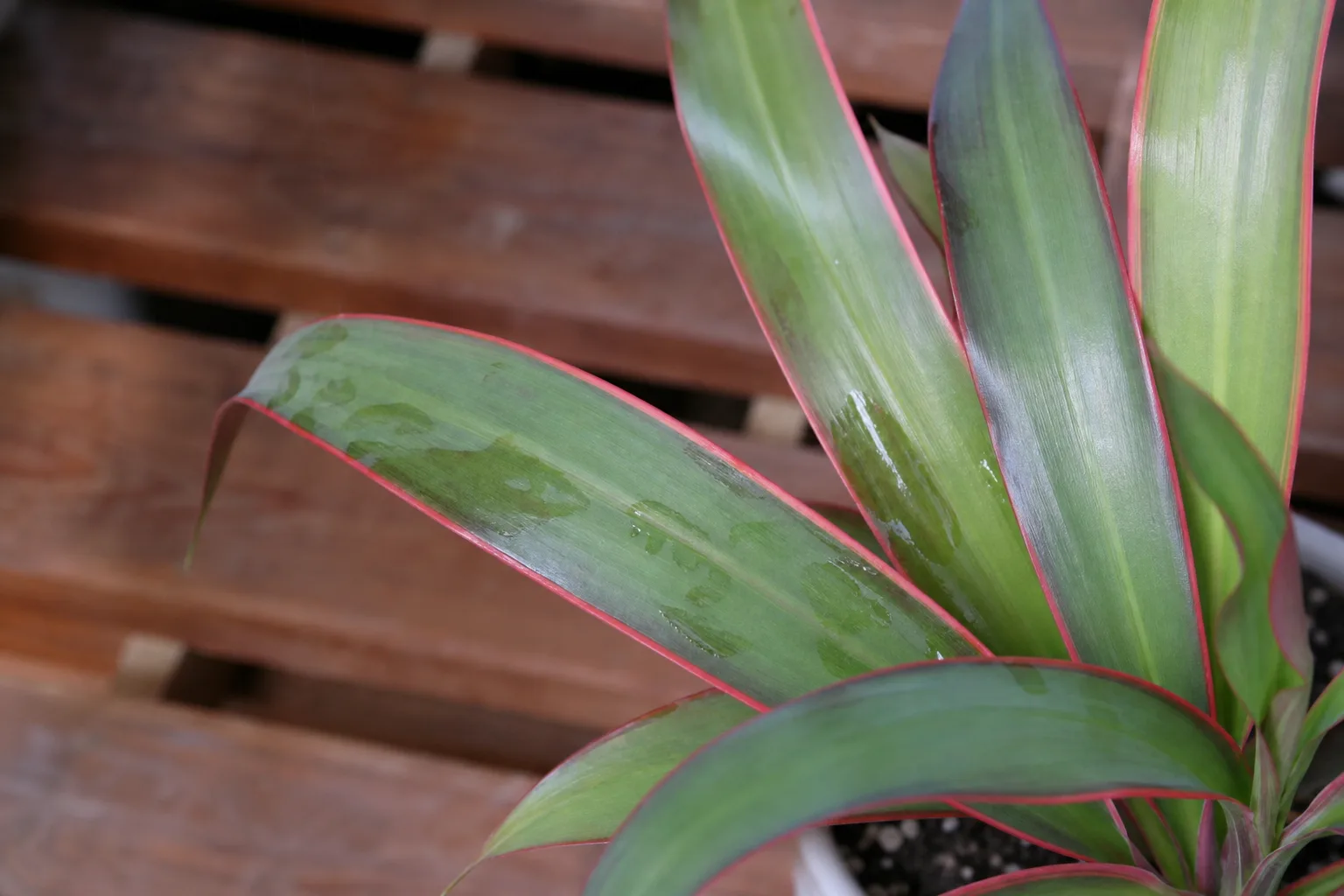
Transparent Leaves on Janet Craig Dracaena: Causes, Checks & Fixes
This guide covers transparent leaves on Janet Craig Dracaena. See also the general Transparent Leaves guide, watering, and light pages for this plant.
Transparent Leaves on Janet Craig Dracaena: Causes, Checks & Fixes
Quick answer
Water-soaked translucent patches on Janet Craig Dracaena (Dracaena deremensis ‘Janet Craig’) usually mean edema-roots taking up more water than the leaves can release-rather than a pest or disease. On this cultivar, the trigger is almost always overwatering in deep shade or fluorescent-only offices, where transpiration slows and the mix stays wet for weeks while caretakers still water on a calendar.
Janet Craig is marketed as a low-light survivor, but low light means slow water use. The same weekly soak that works in a bright window can leave a dim hallway specimen saturated for 21 days or longer. When roots keep delivering water the crown cannot transpire, cells in the broad strap leaves swell and burst, producing see-through, water-logged tissue between veins.
First step: stop watering and check pot weight plus half-depth moisture. If the pot feels heavy and a skewer inserted halfway down comes out cool and damp, you are likely dealing with edema or early overwatering-not drought, fluoride burn, or a humidity problem. Do not prune translucent leaves immediately; improve conditions and let new crown growth tell you whether the fix worked. Full species context: Janet Craig overview.
Why Janet Craig gets transparent leaves
Janet Craig earns its office-plant reputation through exceptional shade tolerance, but that biology creates a predictable edema trap. In deep shade or under ceiling fluorescents alone, the plant transpires far less than a specimen in Janet Craig Dracaena light guide. Evaporation from the mix also slows. A well-meaning weekly watering routine keeps the bottom half of the pot anaerobic while the top looks merely dark-not dusty dry.
Edema mechanism. Oedema is a physiological disorder caused when roots absorb more water than leaves can transpire. Excess water ruptures leaf cells, producing water-soaked patches that may look translucent, blister-like, or corky as they age. This is not caused by bacteria or fungi-it is a water-balance failure tied to environment and watering rhythm.
Why Janet Craig is high-risk. The cultivar carries broad, glossy strap leaves 12 to 18 inches long with limited internal water storage compared with succulents, yet it is often placed in the dimmest corners of lobbies and cubicle farms. NC Extension notes Janet Craig tolerates low light but still needs dry-down between waterings matched to that light level-in deep shade, that can mean every three to four weeks minimum, not every seven days.
Secondary pathways that look similar:
- Early overwatering before yellow lower leaves appear-translucent patches can precede the classic yellow-drop pattern described in the overwatering guide.
- Fluoride accumulation at margins can thin tissue before tips turn crispy brown; that progression is chronic over months of tap water, not sudden post-watering translucency. See brown tips when margins necrose without water-soaked mid-blade patches.
- Cold drafts below about 50°F (10°C) can damage leaf tissue and cause odd thinning or patchy discoloration, but the pot is usually not heavy-wet unless watering was also excessive.
What transparent leaves look like on Janet Craig
Transparent leaves on Janet Craig are a visual pattern, not a single disease name. Learn to read the tissue:
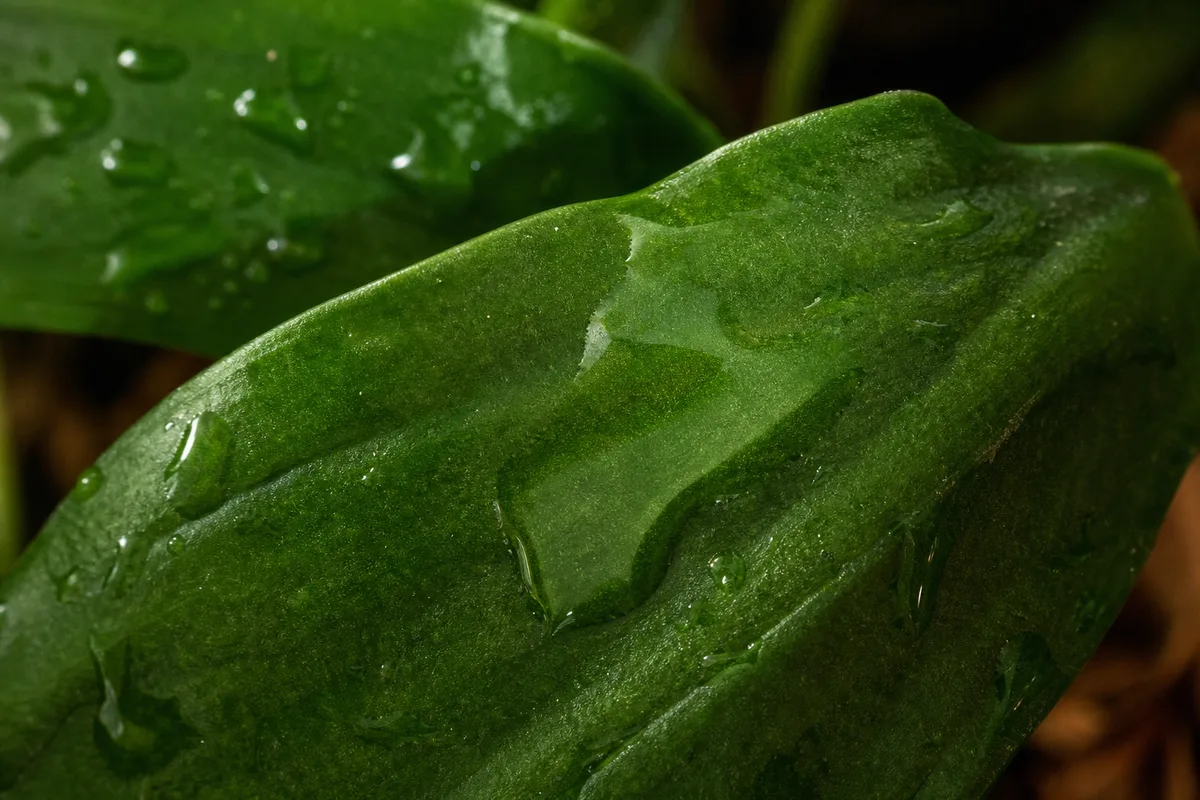
Transparent Leaves symptoms on Janet Craig Dracaena - compare with healthy tissue on the same plant.
Edema / water-soaked translucency (most common on this page):
- See-through or pale green patches between veins on otherwise deep-green strap leaves
- Tissue may look wet, spongy, or blister-like when fresh; older patches can turn corky or slightly raised
- Often appears within days of a heavy watering in low light, sometimes on crown leaves that were firm the week before
- The rest of the leaf may stay green and attached-unlike yellow soft lower leaves from advanced rot
- Pot stays heavy; skewer at half depth reads damp
What it is not:
- Brown tips - crispy tan-to-brown necrosis at margins only, with firm green mid-blade tissue; classic fluoride injury on Dracaena
- Overwatering yellowing - lower leaves turn yellow and drop on a chronically wet pot; translucency may appear first but yellow-drop follows if watering continues
- Drought droop - light pot, dusty dry mix, leaves limp but not water-soaked
- Distorted or curled leaves - mechanical or environmental warping without translucency; see distorted leaves when shape-not clarity-is the main change
Hold affected leaves up to light. True translucency lets light pass through waterlogged cells. Fluoride burn and drought stress keep the blade opaque even when margins fail.
Transparent leaves vs. brown tips vs. overwatering
Use this table before you change water source, repot, or prune. One wrong branch sends you to the wrong fix.
| Pattern | What you see | Pot / soil | Most likely cause | First action |
|---|---|---|---|---|
| Water-soaked translucent patches between veins | See-through green tissue; may feel spongy | Heavy; half-depth skewer damp | Edema / overwatering in low light | Stop watering; dry-down check |
| Crispy tan-brown tips or margins only | Firm green mid-blade; no translucency | Normal weight; moisture varies | Fluoride from tap water | Switch to filtered water; see brown tips |
| Yellow soft lower leaves dropping | Crown may stall; gnats possible | Heavy; sour smell in advanced cases | Overwatering / root rot | Root assessment; see overwatering |
| Whole-leaf limp droop | No water-soaked patches | Light; dusty dry mix | Underwatering | Soak when genuinely dry |
| Patchy thinning after cold exposure | Not necessarily wet-soaked | Moisture may be normal | Cold draft damage | Move away from AC vents and winter glass |
Key Janet Craig insight: Transparent leaves and brown tips can coexist on one plant-edema from wet mix in shade plus fluoride from tap water-but they need different first fixes. Edema demands dry-down; fluoride demands water-quality change. If translucency appeared right after watering in a dim office, treat edema first.
How to confirm the cause
Work through these checks in order. One heavy pot reading beats guessing from a photo.
- Pot weight - Lift the pot. Heavy days or weeks after the last watering confirms slow dry-down in low light.
- Half-depth moisture - Push a skewer or finger halfway into the mix. Cool, damp soil on a heavy pot strongly supports edema or overwatering-not drought.
- Light level - Deep shade, interior hallway, or fluorescent-only placement without window supplement? Janet Craig here needs the longest dry-down intervals per the watering guide.
- Watering rhythm - Weekly or biweekly calendar watering in a dark office is the highest-risk habit. Compare your schedule to light, not to other houseplants.
- Tissue pattern - Mid-blade translucency between veins points to edema. Margin-only crispy brown without see-through patches points to fluoride.
- Crown and cane - Firm cane with translucency on a few leaves fits edema. Soft cane at soil line, sour smell, or cluster yellow-drop on wet mix means escalate to root assessment.
Confirmed edema: heavy pot + damp half-depth + translucency after recent watering in low light.
Confirmed fluoride: months of tap water + margin necrosis only + normal pot weight.
Confirmed rot escalation: soft cane + sour soil + spreading yellow on wet mix-urgent, not a wait-and-see edema case.
First fix for Janet Craig
Stop watering immediately when edema or early overwatering is the likely cause. This single action prevents more cells from bursting while the mix dries.
Then:
- Record pot weight today - You need a baseline to know when the mix has genuinely dried.
- Wait for real dry-down - In deep shade, that may take 7 to 21 extra days beyond what feels intuitive. Do not water until half-depth checks show dryness and the pot feels noticeably lighter.
- Improve passive airflow - Stagnant air slows transpiration. Keep the plant out of enclosed corners if possible; avoid misting, which wets foliage without fixing root-zone saturation.
- Do not prune translucent leaves yet - RHS guidance on oedema recommends improving conditions rather than removing affected leaves immediately, which can stress the plant further.
- Resume watering only on dry-down - When you restart, use filtered or non-fluoridated water if tips also brown, and water thoroughly once-then wait again. Match intervals to light per Janet Craig watering.
If the cane base softens or soil smells sour while the pot stays heavy, unpot and inspect roots the same day. Trim mushy roots, repot into fresh well-draining mix, and treat as rot-not edema alone.
Do not stack Janet Craig Dracaena repotting guide, heavy pruning, and fertilizer on the same week. One variable at a time on a stressed Janet Craig.
Recovery timeline
Translucent water-soaked tissue rarely turns fully green again. Damaged cells do not regenerate. Judge success by new crown leaves emerging firm, glossy, and free of fresh translucency-not by old patches disappearing.
Typical edema recovery after corrected dry-down:
- Week 1–2: No new translucent patches appear; existing patches may feel slightly firmer
- Week 2–4: Old patches may cork over or brown slightly at the edges; crown may push one new leaf if conditions stabilize
- Month 2+: Canopy looks cleaner on new growth; old damaged leaves can stay on the plant cosmetically or be trimmed once replacement foliage is established
If translucency continues spreading on new crown flush despite a lighter pot and confirmed dry-down, reconsider fluoride concentration in wet root zones, hidden cachepot water, or undersized drainage holes-not just “wait longer.”
What not to do
- Do not water on hope - More water cannot fix waterlogged tissue.
- Do not mist leaves to cure edema - surface moisture does not increase transpiration enough to matter and can worsen fungal risk on wet foliage.
- Do not use untreated tap water if margins also brown - fluoride accumulates in the root zone; see brown tips after dry-down stabilizes.
- Do not fertilize a stressed, wet plant - salts in saturated mix stress roots further.
- Do not repot on day one unless cane softening or sour soil confirms rot - unnecessary repotting adds shock on top of edema.
- Keep treatments away from pets - Dracaena is toxic to cats and dogs; contact your veterinarian or ASPCA Animal Poison Control at (888) 426-4435 if ingestion is suspected.
How to prevent transparent leaves next time
Treat the calendar as a reminder to check, not to irrigate. In deep shade, expect 21 to 28 days or longer between thorough soaks. In brighter indirect light, let the top half of mix dry-often every 10 to 14 days in warm months.
Use filtered, distilled, or rainwater long-term if fluoride tips also appear. Match pot size to root mass, not desired height-oversized pots stay wet too long in office shade. Empty saucers and cachepots after every watering.
Weekly checks during routine dusting or watering rounds catch a heavy pot before translucency spreads. Office placements with no window supplement need the most conservative dry-down discipline on the site.
Practical checks
Urgency check
Same-day action: cane soft at soil line, sour-smelling mix, or yellow leaves dropping in clusters on a heavy wet pot-root rot escalation, not edema watch-and-wait.
Within a few days: spreading translucency on crown leaves while half-depth skewer stays damp in deep shade-stop watering and confirm dry-down protocol.
Lower urgency: one or two older leaves with stable corky patches, firm cane, and pot weight trending lighter after you corrected watering.
Best inspection order
- Crown leaves - New flush clean or showing fresh translucency?
- Pot weight - Heavy despite time since last watering?
- Half-depth moisture - Skewer damp or dry?
- Light placement - Deep shade or office fluorescent only?
- Water source and schedule - Calendar watering vs. dry-down?
- Cane firmness and soil smell - Rot escalation signs?
- Roots - Only if wet decline continues after extended dry-down
Related Janet Craig problems
- Janet Craig overview - Light, watering, and culture baseline
- Janet Craig watering - Dry-down intervals matched to light level
- Brown tips - Fluoride margin necrosis vs. mid-blade translucency
- Overwatering - Yellow-drop and rot when edema progresses
- Distorted leaves - Shape changes without water-soaked clarity
When to use this page vs other Janet Craig Dracaena guides
- Janet Craig Dracaena watering guide - Use for routine moisture checks before assuming transparent leaves is the main issue.
- Janet Craig Dracaena problems hub - Browse all 50 common issues on this species.