Slow Growth on Hornwort: Causes, Checks & Fixes
Quick answer
Hornwort (Ceratophyllum demersum) is a fast-growing aquarium plant-slow whorl production usually means weak tank light, cold water below about 18°C, nutrient deficiency, or buried stems rotting. First step: confirm floating or properly anchored placement, check light hours and temperature, then address one variable at a time.
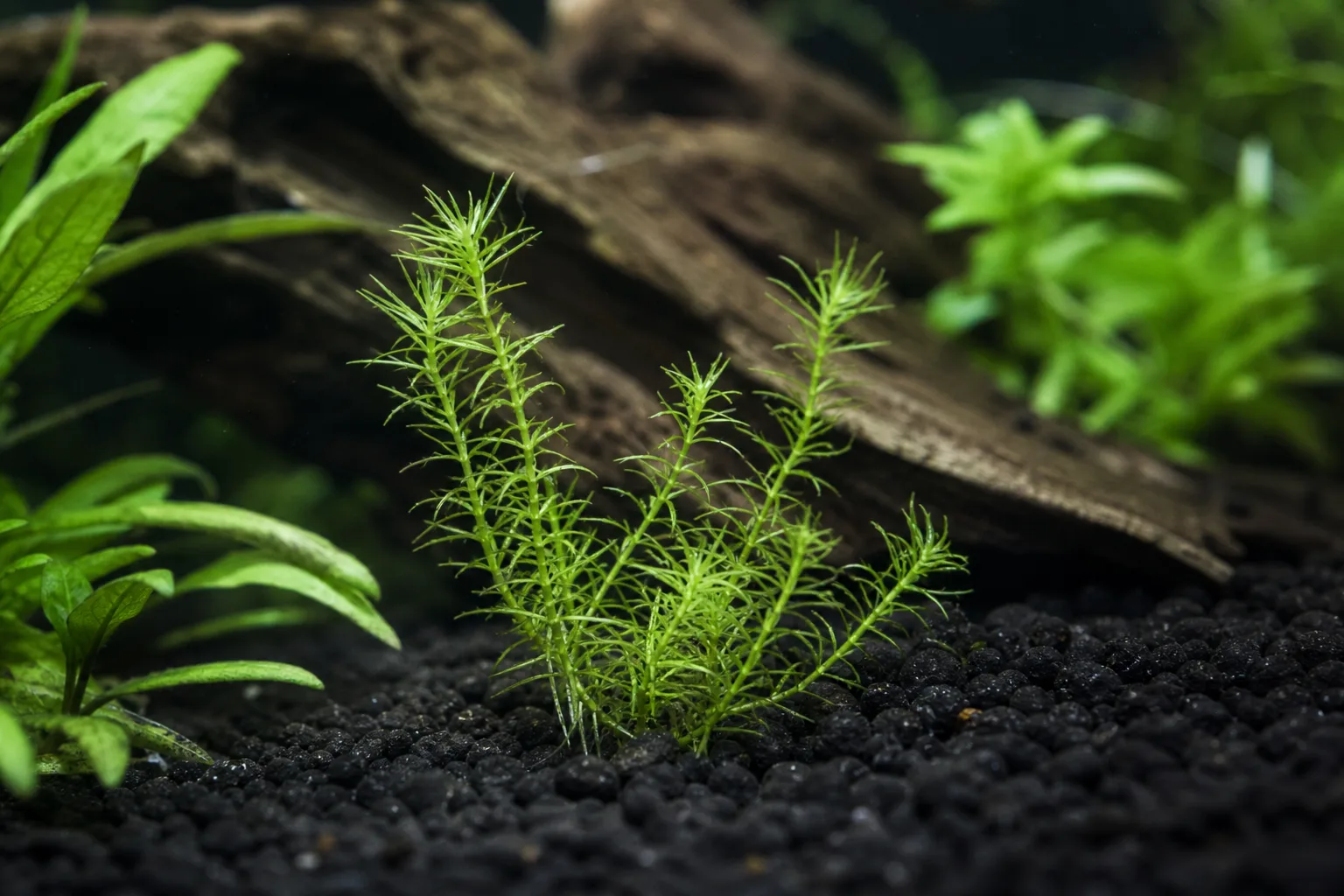
Slow Growth on Hornwort: Causes, Checks & Fixes
This guide covers slow growth on Hornwort. See also the general Slow Growth guide, watering, and light pages for this plant.
Slow Growth on Hornwort: Causes, Checks & Fixes
Quick answer
Slow growth on hornwort (Ceratophyllum demersum) is a red flag-Hornwort overview is one of the fastest freshwater aquarium plants when conditions align. In a moderately lit warm community tank, floating hornwort often adds visible length weekly. Stalled whorls, pale color, and weeks without height gain mean something in the aquarium environment is limiting-not “normal houseplant patience.”
First step: verify placement. Hornwort has no true roots and feeds from the water column. Float for maximum light and surface CO₂, or anchor with weights without burying stems-buried portions rot and shed needles. Then check temperature, photoperiod, and nutrients before stacking fixes.
This is an aquarium plant guide-ignore any houseplant advice about soil moisture, crown rot, or pot drainage. See the hornwort overview for floating vs. anchored culture.
What slow growth looks on Hornwort
Healthy hornwort shows dense forked whorls along brittle green stems, often pearling (oxygen bubbles) under moderate light. Slow growth breaks that pattern:
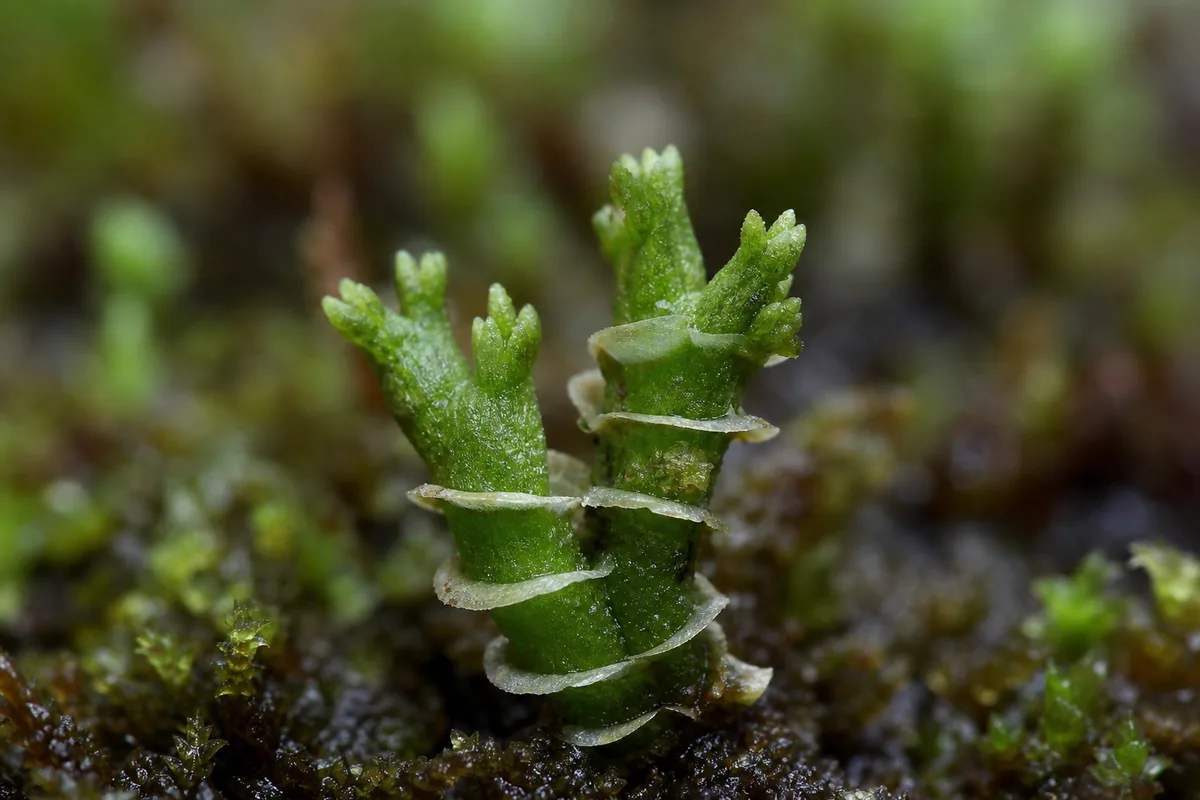
Slow Growth symptoms on Hornwort - compare with healthy tissue on the same plant.
- Stalled whorl production - tips stay short with few new forked leaves for weeks
- Pale yellow-green color instead of rich green
- Minimal height gain on floating mats in warm tanks
- Lower stem bare zones on anchored bunches where light does not reach
- Needle shedding on sections that are brown, mushy, or buried-not on healthy slow pause
Fast-growth baseline: In good conditions hornwort can reach 30–150 cm and grow visibly within days to a week in warm well-lit tanks per hornwort overview. If your tank shows none of that pace, diagnose limits.
What slow growth is not:
- Mass needle drop after purchase - acclimation shock; trim and stabilize parameters
- Brown mushy buried stems - rot from substrate burial, not nutrient slow-down alone
- Sudden melt after liquid carbon dose - chemical sensitivity; reduce or remove plant during treatment
Why Hornwort grows slowly
Weak aquarium lighting
Floating hornwort gets maximum photons; anchored lower sections shade out. Rutgers notes hornwort grows in sun to part shade in ponds-in tanks that means moderate to strong aquarium LEDs for dense growth. Dim tanks produce thin pale stems.
Photoperiod matters: 6 hours may sustain survival; 8–10 hours supports active growth in most setups.
Cold water
Hornwort tolerates cool goldfish tanks but growth slows sharply below about 18°C (65°F). Tropical community temps 22–26°C produce the fastest extension. A tank stuck at 18°C may look “healthy but slow.”
Nutrient deficiency in low-tech tanks
As a column feeder, hornwort pulls nitrogen, phosphate, and micronutrients from water. Heavily stocked tanks with low nitrate and no fertilization can starve even bright-lit hornwort. Conversely, unfiltered goldfish tubs with high bioload often grow hornwort explosively without CO₂.
Buried or rotting stems
Never bury hornwort deep in substrate. Buried sections rot, shed needles, and stall upward growth from healthy tips. Mis-anchored “planting” is the most common hobby mistake-see overview floating vs. planted.
Acclimation and shock
Large parameter swings (pH, hardness, temperature), huge water changes, or strong filter blast on delicate stems trigger shedding that looks like failure. Stems often resume within 1–2 weeks once stable.
Liquid carbon sensitivity
Glutaraldehyde-based liquid carbon products can burn hornwort at full dose. Slow or stalled growth with simultaneous needle melt suggests dose reduction or temporary removal during treatment.
How to confirm the cause
Work through this aquarium matrix:
| Check | Slow if… | Fix priority |
|---|---|---|
| Placement | Stems buried or lower half brown | Re-float or re-anchor; trim rot |
| Light hours | Under ~8 h moderate LED | Extend photoperiod; raise intensity |
| Temperature | Below 18°C sustained | Warm to tropical range if fish allow |
| Nutrients | Zero nitrate in low-tech tank | Light all-in-one aquatic fertilizer |
| Recent shock | New plant or big parameter swing | Stabilize; wait 2 weeks after trim |
| Liquid carbon | Dose started same week as melt | Reduce dose or remove during treatment |
| Filter blast | Stems shredded at intake | Deflect flow; prefilter sponge |
Confirmed slow growth: pale stalled whorls on properly placed healthy green stems in stable water-not brown rot sections.
First fix for Hornwort
Re-float or correctly anchor stems in brighter water-today. Remove brown mushy sections. That addresses the two most common limits: shade/rot from burial and insufficient light on lower stems.
Steps:
- Pull buried stems from substrate; float or weight lightly in mid-water
- Trim brown portions above healthy green forks
- Gravel-vacuum shed needles to prevent ammonia spikes
- Verify 8–10 hours moderate tank lighting
- Check temperature - target tropical community range if species allow
Only after placement and trim stabilize, add light fertilizer in low-tech tanks if nitrate reads near zero.
Do not repot, mist, or adjust “soil moisture”-hornwort is fully submersed.
Recovery timeline
Days 3–7: Shedding stops on healthy stems after burial fix and trim.
Weeks 1–2: New whorls appear on green tips; floating sections lengthen.
Weeks 2–4: Dense bushy regrowth if light and nutrients align.
Lower anchored stems: May stay bare permanently-trim and move tops to brighter water or float.
Lookalike problems
- Needle shedding - Stress response; see hornwort overview § shedding
- Yellow leaves on other aquatic plants on Hornwort - Different species; hornwort needles yellow then brown when dying
- No new growth - Overlap with not enough light if tank is very dim
- overwatering on Hornwort - Not applicable; this is not a potted houseplant
What not to do
Do not bury stems in gravel expecting rooted growth. Do not apply houseplant fungicides or soil drenches. Do not assume CO₂ is required-hornwort grows vigorously without injection in most community tanks. Do not ignore shed needles on the substrate-they add ammonia.
How to prevent slow growth next time
- Float for fastest growth or anchor without burial per overview
- 8–10 hour photoperiod with moderate LED
- Keep tropical temps when fish allow
- Light aquatic fertilizer in low-tech setups
- Weekly trim and needle vacuum
- Reduce liquid carbon dose if stems melt
Conclusion
Slow hornwort is abnormal-this plant should grow fast in a warm lit aquarium. Confirm floating or proper anchoring, trim rot, extend light hours, warm water if needed, and supplement nutrients in sparse tanks. Treat it as a submersed column feeder, not a potted houseplant. New whorls within two weeks tell you the fix worked.
When to use this page vs other Hornwort guides
- Hornwort watering guide - Use for routine moisture checks before assuming slow growth is the main issue.
- Hornwort problems hub - Browse all 16 common issues on this species.
- Not Enough Light on Hornwort - Different entry point when symptoms overlap with slow growth.
- Leggy Growth on Hornwort - Different entry point when symptoms overlap with slow growth.
- Yellow Leaves on Hornwort - Different entry point when symptoms overlap with slow growth.