Mealybugs on Fishbone Cactus: Causes, Checks & Fixes
Quick answer
Mealybugs on Fishbone Cactus hide in stem joints, areoles, and the soil line of flattened zigzag stems. First step: isolate the plant and dab every visible white cluster with 70% isopropyl alcohol-confirm live pests before spraying the whole plant.
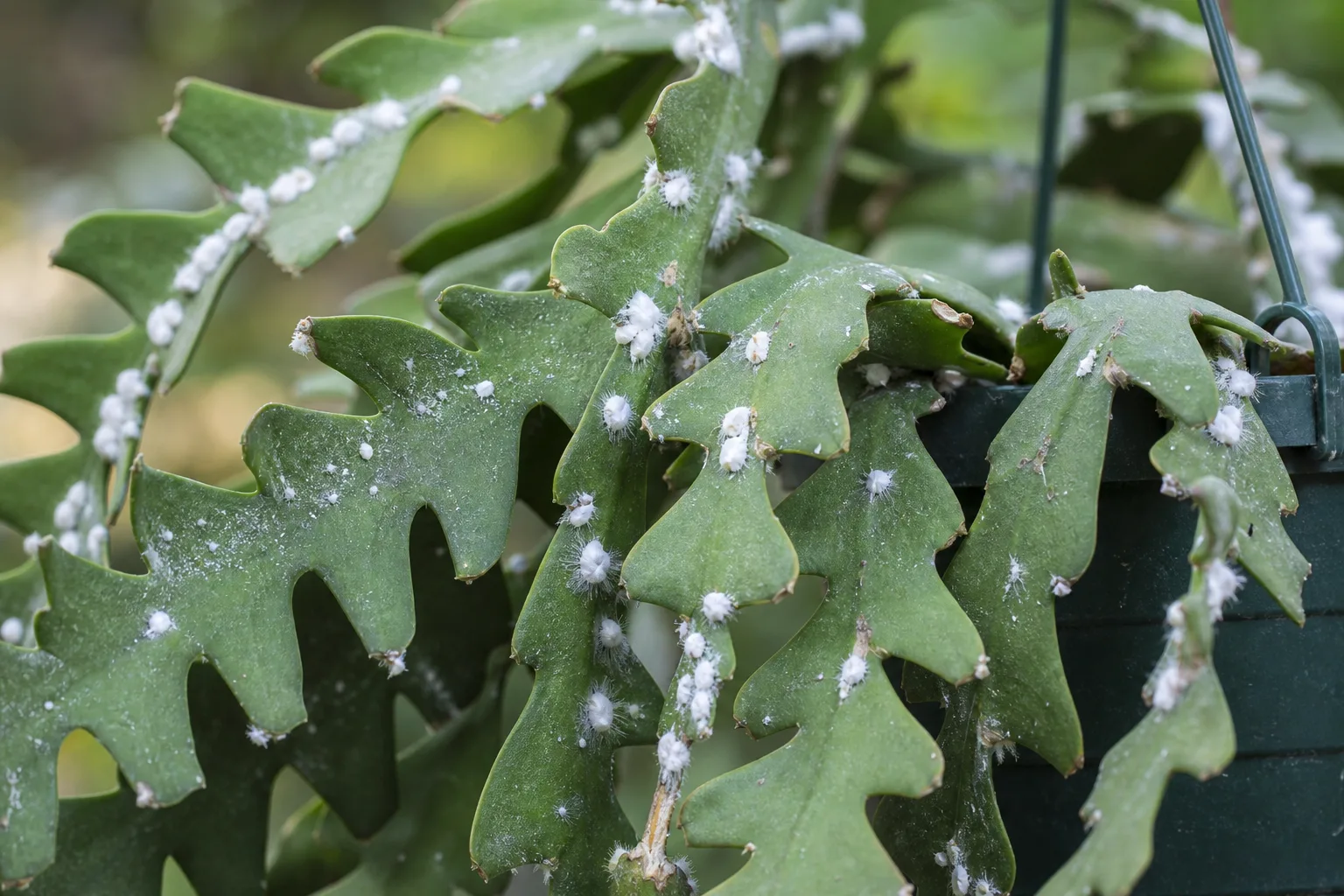
Mealybugs on Fishbone Cactus: Causes, Checks & Fixes
This guide covers mealybugs on Fishbone Cactus. See also the general Mealybugs guide, watering, and light pages for this plant.
Mealybugs on Fishbone Cactus: Causes, Checks & Fixes
Quick answer
Fishbone Cactus (Epiphyllum anguliger) is an epiphytic jungle cactus with flattened, zigzag stems-not spiny desert pads. Mealybugs cluster in stem joints, areoles, and overlapping stem angles where casual inspection misses them. Heavy feeding yellows stem segments, leaves sticky honeydew, and can invite sooty mold on flat green faces.
First step: isolate and dab every visible cluster. Move the pot away from other plants. Use a cotton swab in 70% isopropyl alcohol to touch white cottony masses at each zigzag joint. Rinse stems in lukewarm water to dislodge crawlers. Confirm live mealybugs (pink smear when crushed) before applying insecticidal soap to the whole plant.
What mealybugs look like on Fishbone Cactus
Fishbone cactus has no broad leaves-pests hide on stems instead.
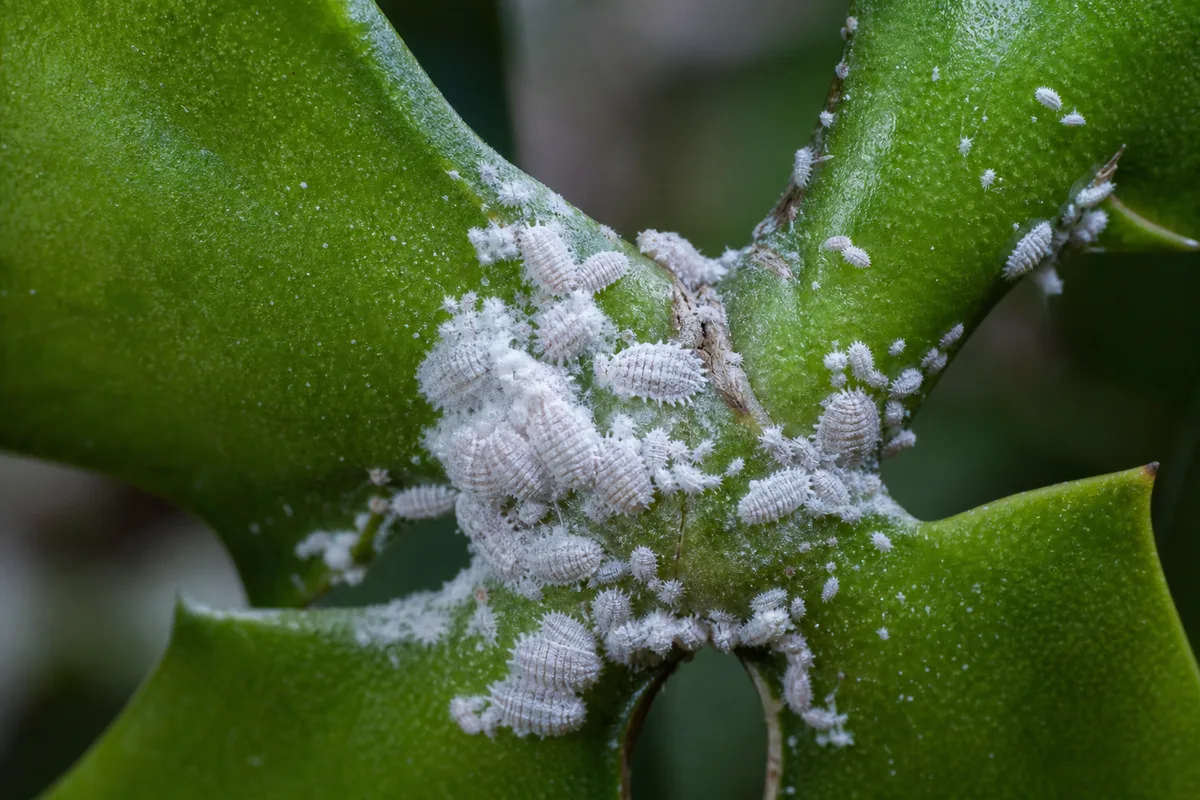
Mealybugs symptoms on Fishbone Cactus - compare with healthy tissue on the same plant.
Classic signs:
- White cottony clusters in stem angles, at areoles, and where segments overlap in hanging baskets
- Flat oval crawlers along stem ridges-visible under magnification
- Sticky honeydew on stem faces or pots below
- Sooty black mold on honeydew in heavy cases
- Yellowing or shriveled stem segments when feeding is chronic
- Ant trails on pots farming honeydew
Best hiding spots:
- Undersides of hanging stems where segments stack
- Soil line where multiple stems emerge
- Pot rim and drainage holes on bottom-watered baskets
- New soft growth tips after heavy fertilizing
Distinguish from mineral crust (hard, no pink smear) and natural stem texture (even green, not clustered cotton).
Why Fishbone Cactus gets mealybugs
Stem architecture without leaf axils. Mealybugs exploit every crevice in zigzag stems. A top-down glance at a lush hanging basket misses inner joint colonies.
Epiphytic care overlap. Fishbone cactus wants bright indirect light and regular but not soggy water. Overwatered plants in dim corners grow soft tissue mealybugs prefer-see overwatering.
Introduction on nursery stock. Mealybugs travel on infested plants and cuttings. Jungle cacti sold as full baskets may carry hidden stem-joint colonies.
Warm indoor air. Overlapping mealybug generations build when weekly treatment gaps allow crawlers to resettle in new joints.
How to confirm the cause
- Swab test - Dab clusters; live mealybugs smear pink or red.
- Joint trace - Follow each stem from soil to tip, opening every angle with a soft brush.
- Honeydew check - Sticky shine on flat stem faces confirms feeding.
- Neighbor scan - Inspect other epiphytes and succulents within three feet.
- Rule out scale - Hard brown shields on stems are scale, not cotton.
| Sign | Mealybugs | Scale | Mineral deposit |
|---|---|---|---|
| Texture | Cottony | Hard shell | Crusty, dry |
| Location | Stem joints | Stem faces | Even surface |
| Crush test | Pink smear | No smear | No smear |
First fix for Fishbone Cactus
Isolate and direct-treat before broad sprays.
- Move away from other plants.
- Prune heavily infested segments into a sealed bag.
- Dab every visible cluster with alcohol on a swab or soft brush.
- Rinse stems in lukewarm water, targeting joints.
- Let dry in bright indirect light-not hot sun while wet.
One thorough manual pass beats spraying the air around the basket.
Step-by-step recovery
Weekly cycle (minimum three to four weeks)
- Repeat alcohol dabs on any white clusters.
- Insecticidal soap on stem joints if alcohol cannot reach inner overlaps-soap kills soft-bodied insects on contact.
- Horticultural oil or neem per label for heavy cases-apply when stems are dry and out of direct sun.
- Check the soil line; root-zone mealybugs sometimes hide at the crown.
When to escalate
- Unpot and rinse roots if stem-base colonies persist after four weekly passes.
- Propagate clean tip segments from uninfected stems if the basket interior is inaccessible.
Recovery timeline
- Week 1: Visible cotton shrinks after first alcohol pass.
- Weeks 2–3: Honeydew stops; yellowing halts on treated segments.
- Weeks 4–6: Clear when three consecutive weekly checks find no live clusters.
Judge success by clean new zigzag growth, not old scarred stem faces.
Mistakes to avoid
- Do not spray alcohol on fishbone cactus in hot direct sun-stem scorch follows.
- Do not overwater while fighting pests-damp epiphytic mix plus sap loss accelerates decline.
- Do not stop after one treatment-hatching crawlers restart the cycle.
- Do not compost infested cuttings indoors.
How to prevent mealybugs next time
Quarantine new plants two weeks. Inspect houseplant pests during watering, especially stem joints. Space hanging stems enough to see angles. Water when the top inch dries per the watering guide. See the Fishbone Cactus overview.
When to use this page vs other Fishbone Cactus guides
- Fishbone Cactus watering guide - Use for routine moisture checks before assuming mealybugs is the main issue.
- Fishbone Cactus problems hub - Browse all 18 common issues on this species.
- Yellow Leaves on Fishbone Cactus - Different entry point when symptoms overlap with mealybugs.
- Slow Growth on Fishbone Cactus - Different entry point when symptoms overlap with mealybugs.
- Spider Mites on Fishbone Cactus - Different entry point when symptoms overlap with mealybugs.