Ficus Benjamina Pruning: When, How, and Mistakes to Avoid
Ficus Benjamina Pruning: When, How, and Mistakes to Avoid
Ficus Benjamina Pruning: When, How, and Mistakes to Avoid
First action: remove dead, broken, or clearly diseased branches at their point of origin with clean, sharp bypass pruners - before any shaping or height cuts. Ficus benjamina (weeping fig) reacts to change faster than most indoor trees; starting with only necessary sanitation limits extra stress and gives you a clearer view of live wood worth keeping.
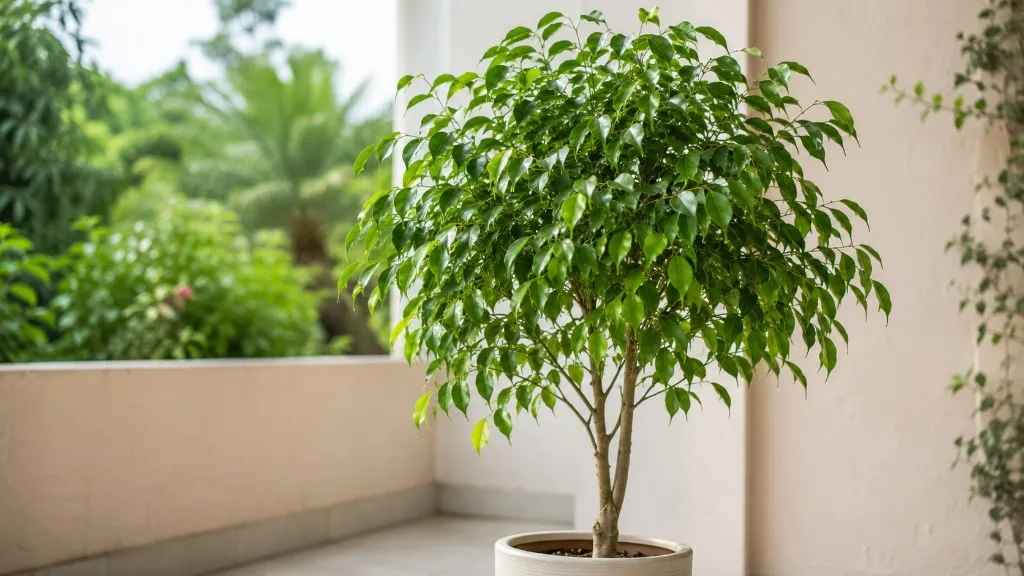
Weeping fig is a broadleaf evergreen widely grown as an indoor tree. Missouri Botanical Garden describes Ficus benjamina as capable of substantial size without containment. Indoors it develops a weeping canopy of small glossy leaves on freely branching stems. Unlike cane-type houseplants, benjamina produces new shoots from leaf nodes and lateral buds when cuts are placed correctly - but it also sheds leaves when light, watering, placement, or pruning changes. Clemson HGIC notes weeping fig prefers Ficus Benjamina light guide and consistent moisture; those conditions must stay steady after trimming.
The ASPCA lists fig species as toxic to cats and dogs, and milky latex sap from every cut irritates skin. Wear gloves, protect floors from dripping latex, and keep trimmings away from pets.
What Pruning Does and Cannot Fix on Weeping Fig
Pruning helps when benjamina needs:
- Height or spread control as the canopy reaches ceilings or window edges
- Interior thinning where crowded small leaves block light to inner branches
- Removal of crossing, rubbing, or damaged wood that tears bark over time
- Reshaping leggy specimens that lost lower foliage after a prior stress event
- Propagation material from healthy tip cuttings or air-layered branches
Pruning does not stop chronic leaf drop caused by drafts, inconsistent watering, spider mites in dry air, or root stress. If the tree is still shedding from a recent move, fix stability first - then shape.
What to Check Before You Cut
Walk the canopy in good light and note:
- Dead or brittle branches - snap easily, no green under thin bark scratches
- Crossing interior wood - two branches rubbing at the same height
- Bare lower trunk - normal after light loss, but signals you should thin rather than shear
- Active pests - fine webbing on leaf undersides (spider mites) or sticky residue
- Recent stress - mass leaf drop within the past six weeks from Ficus Benjamina repotting guide or relocation
If pests or root stress are active, correct those conditions before structural pruning. Stacking scissors on top of instability compounds defoliation.
When to Prune Ficus Benjamina
Dead or Damaged Wood - Anytime
Remove dead, broken, or diseased branches whenever you find them. Cut back to healthy tissue or to the branch origin. Sterilize blades with alcohol between cuts on suspect wood.
Shaping and Size Control - Late Spring Through Midsummer
Schedule structural cuts for late spring through midsummer, when indoor benjamina is in active growth and buds break reliably. Clemson HGIC notes that weeping fig can be pruned to shape as needed during active growth and tolerates hard pruning to reduce size when necessary.
When Not to Prune
Avoid heavy reshaping in autumn and winter when daylight is short - defoliation can be severe and regrowth slow until spring. Do not prune the same week you move the plant. Wait until leaf drop from relocation subsides - typically six to twelve weeks - then assess shape. Skip major cuts if the tree is wilting, sitting in wet soil, or dropping leaves from a care problem you have not yet diagnosed.
Tools, Sap, and Safety
Use sharp bypass pruners for branches up to finger thickness and loppers for older wood. Dull blades crush stems and prolong latex bleeding. Sterilize tools with alcohol between plants and after cuts on diseased tissue.
Cover floors before you start - benjamina sap sets sticky. Nitrile gloves protect skin from latex irritation. Dispose of cuttings where pets cannot chew them.
The First Cut to Make
After deadwood removal, decide whether the tree needs thinning (whole branches removed at their origin) or heading (branch tips shortened above nodes). Most indoor benjamina benefit from thinning crowded interiors before shortening outer tips - opening the canopy lets light reach nodes that can backbud, which shearing alone will not achieve.
Where to Cut - Nodes and Outward-Facing Buds
Identify nodes - the slight swellings where leaves attach to stems. Make cuts 5–8 mm above a node at a slight angle, with the nearest bud facing the direction you want new growth. For an open, natural canopy, choose outward-facing buds so branches do not cross back into the center.
Never cut between nodes. Stubs without buds die back without branching.
Thinning Crowded Interiors
Remove entire branches back to the trunk or a main lateral rather than repeatedly clipping outer foliage. RHS lists weeping fig among ficuses suitable for indoor cultivation with occasional trimming to control size - thinning preserves the tree’s natural weeping habit better than ball-shearing.
Repeated shearing of outer leaves produces a shell of tiny foliage over a bare interior - the classic hollow weeping fig look.
Reducing Height on Indoor Trees
Shorten the leader and longest branches incrementally, staying within the one-third limit per session. Benjamina backbuds more reliably from recent wood with live nodes than from old bare trunk. If the interior is already defoliated, thinning outer growth and improving stable bright light often refills better than topping alone.
How Much You Can Safely Remove
Follow the one-third rule: remove no more than one-third of live branch length or foliage in one session. Stage harder reductions across two spring sessions spaced six to eight weeks apart on a healthy, actively growing tree.
Emergency deadwood removal does not count toward the limit. If you must take more live wood, do it in stages and accept that leaf drop may be heavier between sessions.
Leaf Drop After Pruning - Normal vs Warning Signs
Benjamina drops leaves when any stressor changes - pruning included. That response is species-typical, not proof you cut wrong. Minimize additional shocks: keep the same spot, the same Ficus Benjamina watering guide, and hold off on repotting for several weeks. Maintain 50–60% humidity when possible; dry indoor air plus fresh wounds accelerates shedding.
Normal: moderate drop for two to four weeks after spring pruning, then new leaves emerging from nodes below cuts within six to twelve weeks on a stable plant.
Warning signs: continued widespread drop beyond six weeks, wilting stems, or yellowing new growth - usually unstable watering, root issues, or light change, not failed technique. Stabilize care before making more cuts.
Aftercare and Recovery Timeline
Hold the tree in bright indirect light after thinning - benjamina tolerates medium light but fills faster with brighter stable exposure once the canopy opens.
Water when the top inch of mix dries; a partially defoliated tree transpires less, so soggy soil prolongs stress.
Wipe dripping latex from stems and floors promptly.
Hold strong fertilizer until new growth appears, then resume balanced liquid feed at half strength monthly through summer.
Inspect weekly for spider mites on tender new leaves - stressed ficuses in dry air attract mites quickly.
Expect visible canopy improvement over one to two growing seasons, not days. Smaller inner leaves may take longer than pre-prune outer foliage.
Using Pruning Cuttings
Healthy tip prunings can root as softwood cuttings in summer with bottom warmth and humidity. Air layering a thick branch before removal produces a rooted plant while the parent regrows below the wound. These are optional uses of trimmings - not required for successful pruning.
Mistakes to Avoid
- Pruning right after moving - compounds defoliation on a change-sensitive species
- Shearing outer foliage only - creates hollow shells with bare interiors
- Cutting between nodes - dieback without new branches
- overwatering on Ficus Benjamina after leaf drop - reduced leaf area needs less water, not more
- Ignoring sap toxicity - pets and children at risk from trimmings and latex on floors
- Expecting instant fullness - benjamina rebuilds canopy density over seasons
- Heavy winter reshaping - slow regrowth and prolonged bare branches
Conclusion
Ficus benjamina pruning is structural work on a change-sensitive indoor tree. Remove dead wood first, thin crowded interiors before shearing tips, cut 5–8 mm above outward-facing nodes in late spring through midsummer, respect the one-third limit, and hold light and watering steady through temporary leaf drop. Milky sap and pet toxicity demand gloves and secure cleanup. With consistent care, a pruned weeping fig refills its canopy - slowly, but reliably - over the following growing year.
When to use this page vs other Ficus Benjamina guides
- Ficus Benjamina overview - Start here for whole-plant context before deep-diving this topic.
- Ficus Benjamina problems hub - Jump to symptom-specific fix guides when this care topic does not resolve the issue.
- Leggy Growth on Ficus Benjamina - Escalate here when pruning adjustments are not enough.
- Slow Growth on Ficus Benjamina - Escalate here when pruning adjustments are not enough.
- Brown Tips on Ficus Benjamina - Escalate here when pruning adjustments are not enough.