Ficus Benjamina Propagation: Cuttings Guide
Ficus Benjamina Propagation: Cuttings Guide
Ficus Benjamina Propagation: Cuttings Guide
Ficus benjamina propagation at home comes down to two reliable methods: stem cuttings that include at least one node, and air layering on a branch that is still attached to the parent plant. Both approaches work because they give the plant living stem tissue with the cellular machinery to form new roots - something a detached leaf cannot provide. If you have a healthy weeping fig and a few weeks of patience, you can produce a rooted plant without buying a second pot. The catch is that weeping fig is sensitive to disruption, bleeds sticky latex from every cut, and punishes sloppy technique with rot rather than roots. This guide walks through method selection, cutting preparation, sap management, rooting setup, air layering on woody stems, and the aftercare that keeps a newly separated plant from dropping every leaf in protest.
Understanding Ficus Benjamina Before You Cut
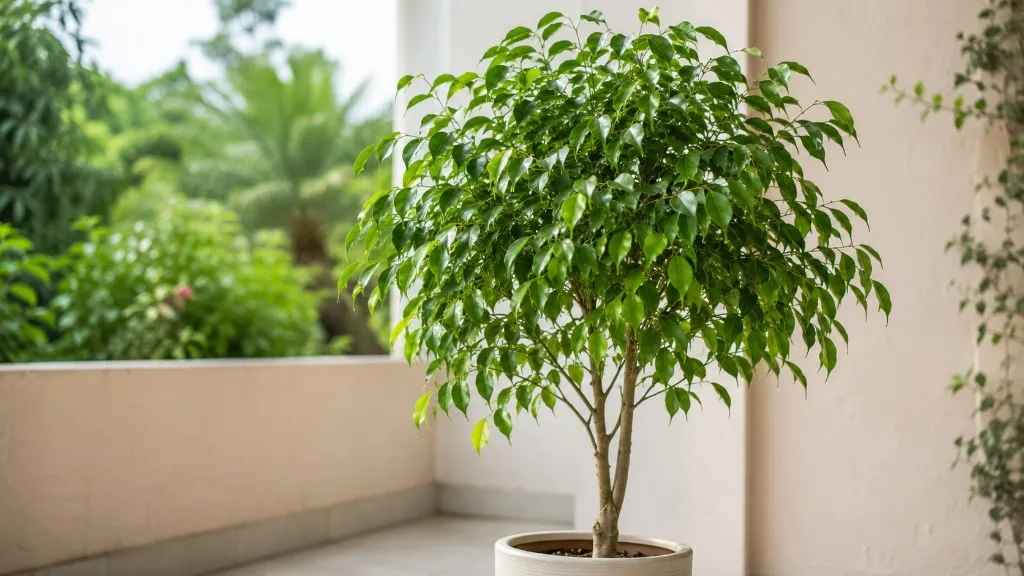
Ficus benjamina - commonly called weeping fig, Benjamin fig, or simply ficus tree - belongs to the family Moraceae. It is native from India to northern Australia, where it grows as a large tree outdoors. Indoors, it is kept as a container plant valued for its arching branches and small glossy leaves. Understanding how the species behaves in cultivation matters before you propagate it, because propagation is essentially a controlled injury - and weeping fig responds to injury the way it responds to a move, a draft, or a watering change: sometimes dramatically.
The plant produces a milky latex sap from cut surfaces. That sap contains enzymes including ficin, which help the plant seal wounds against pathogens and herbivores. For propagation, the same defense mechanism works against you: fresh latex can coat a cut end and slow the callus formation and root initiation that you are trying to encourage. Managing sap is not an optional refinement for serious success rates - it is part of the basic technique, especially on thicker stems.
Weeping fig also has a well-known habit of leaf drop when conditions shift. A cutting separated from its parent loses part of its water supply overnight. A newly potted air layer faces a new root environment. Expect some yellowing or shedding even when propagation succeeds. The goal is to keep that stress brief and survivable, not to interpret every dropped leaf as failure.
Why Weeping Fig Reacts to Change
Weeping fig evolved as a tree that commits resources to a stable canopy. Indoors, it is often grown as a single-trunk specimen or a braided multi-stem display piece. When you remove a branch for propagation, you are taking stored carbohydrates and disrupting hormone flows that regulated growth on the parent plant. The parent may shed leaves near the cut or throughout the canopy - a normal stress response that usually stabilizes once light, water, and temperature stay consistent for a few weeks.
For the propagule - the cutting or the separated air layer - the challenge is the opposite: it has leaves that transpire water but no functional root system yet to replace that water. Until roots form, the cutting depends entirely on stem tissue and ambient humidity. That is why small cuttings with minimal leaf surface outperform long, leafy stems that look impressive but dry out faster than they can root. It is also why a humidity dome or sealed bag is standard practice rather than a nice extra.
If your parent plant is already dropping leaves, fighting spider mites, or sitting in waterlogged soil, fix those problems before you propagate. Weak source material produces weak cuttings. Propagation multiplies the plant you have; it does not rescue one that is already failing.
What a Node Is and Why It Matters
A node is the point on a stem where a leaf was attached - or still is attached - and where the plant can initiate new growth. Below or at the node, specialized cells in the cambium layer can divide and form callus tissue, which can then differentiate into roots under the right conditions. The smooth stem sections between nodes are internodes. Internode tissue alone cannot reliably produce a rooted plant.
When you take a stem cutting, you need at least one node buried or in contact with moist medium, and ideally a second node above the surface to support leaf growth. A cutting that is only a leaf on a tiny petiole, or a stem section with no node, may stay green for weeks and then decline without ever forming roots. Iowa State University Extension notes that cuttings need nodal tissue below the rooting medium for adventitious root formation - the same rule applies to weeping fig stem cuttings.
On weeping fig, nodes are easy to spot once you know what to look for. Each leaf emerges from a slightly swollen ring on the stem. When you remove lower leaves to expose bare stem for rooting, count nodes before you cut - not after. The cut itself should sit just below a node at a 45-degree angle with a sharp, bypass-style pruner that crushes as little vascular tissue as possible.
Stem Cuttings vs. Air Layering: Which Method to Choose
Ficus benjamina can be propagated by stem cuttings and air layering. Both are legitimate, well-documented methods. Neither involves leaf cuttings, which do not produce a rooted weeping fig under normal home conditions. Your choice depends mainly on stem thickness, how large you want the new plant to be on day one, and how much risk you are willing to accept while roots develop.
Stem cuttings are faster to set up, require less material, and work well on young to semi-hardwood growth between roughly pencil thickness and your little finger. Air layering takes longer and uses more supplies, but it keeps the stem attached to the parent plant until roots are visible - which dramatically reduces the risk of the propagule drying out before it can drink on its own. Air layering is the better tool when you want a larger, already-branched piece or when you are working on woody stems that would struggle as detached cuttings.
When Stem Cuttings Make the Most Sense
Choose stem cuttings when you want multiple small plants from tip growth, when the parent has plenty of healthy lateral branches to spare, or when you are learning propagation technique for the first time. Cuttings are also the practical option for thin, flexible stems on a weeping fig that is still developing structure - the kind of growth you often see after a spring flush or after light pruning.
A well-prepared cutting with one or two nodes, stripped lower leaves, managed sap, rooting hormone, and a humid environment can root in four to six weeks during active growth. You will pot a modest plant, but the inputs are minimal: pruners, hormone, a small pot, perlite-heavy mix, and a clear cover. For many indoor gardeners, that tradeoff is exactly right.
When Air Layering Is the Better Bet
Choose air layering when you want to duplicate a specific branch shape - a graceful arch, a braided section, or a stem that already carries several leaf tiers. It is also the safer route on thick, woody branches more than about half an inch (1.25 cm) in diameter, where a detached cutting would have a large wound surface, heavy latex flow, and a long distance for roots to travel before they can support the foliage above.
Because the layered stem continues receiving water and nutrients from the parent root system while adventitious roots form in the moss wrap, air layering tolerates more leaf mass than a severed cutting typically can. Expect four to eight weeks for a visible root mass through the plastic, sometimes longer in cool or dim conditions. The payoff is a larger plant that skips the most fragile early weeks of solo life.
Best Timing for Ficus Benjamina Propagation
Propagate weeping fig during active growth, which for most indoor plants means late spring through early summer. At that stage, stems contain adequate stored energy, ambient temperatures support cell division, and the parent plant recovers quickly from pruning wounds. If you grow outdoors in frost-free climates - USDA Hardiness Zones 10 through 12 - the same window applies, with the added advantage of naturally higher humidity in many tropical and subtropical gardens.
You can attempt propagation in early fall if your plant is still pushing visible new leaves and your indoor temperatures stay above 65°F (18°C). Avoid starting cuttings in late fall or winter unless you can supply supplemental warmth and bright light. Short days and cool room temperatures slow rooting enough that cuttings sit in damp medium for months, which invites rot.
Timing is not only about the calendar. The better question is whether the parent plant looks actively healthy: firm stems, no widespread yellowing, no active pest infestation, soil that dries on a normal rhythm rather than staying wet for a week. A weeping fig that was just shipped, recently repotted, or moved to a new window is mid-acclimation. Wait two to three weeks after those events before you cut.
How to Propagate Ficus Benjamina from Stem Cuttings
Stem cutting propagation follows a clear sequence: select material, cut below a node, manage latex, apply rooting hormone, plant in medium or water, maintain humidity, then pot or transplant when roots are functional. Skipping the node or the sap step causes most home failures.
Selecting and Preparing the Cutting
Choose a healthy branch with no pest damage, no mechanical scars, and no yellow leaves. Target semi-hardwood growth - stems that are firm enough to snap only with deliberate pressure, not the softest pale tips and not the oldest gray-brown wood unless you are air layering instead.
Take a cutting 4 to 6 inches (10 to 15 cm) long with at least two nodes, though one node can work if the stem is otherwise strong. Make the bottom cut just below a node at a 45-degree angle using sterilized bypass pruners. Sterilize blades with rubbing alcohol or a dilute bleach solution between plants to reduce disease transfer.
Remove all leaves from the lower half of the cutting, leaving one or two small leaves at the top for photosynthesis. Large leaves transpire too much water for a rootless stem; if the top leaves are big, cut each leaf blade in half horizontally to reduce surface area while keeping some green tissue. Remove any fruit or figs if present - they divert energy.
On the parent plant, trim the remaining stub just above the next node so the wound heals cleanly and new side shoots can emerge from the bud below your cut.
Managing Latex Sap Before Rooting
Immediately after cutting, weeping fig will bleed white latex. Wear gloves - the sap can irritate skin and eyes, and the ASPCA lists Ficus benjamina as toxic to cats and dogs, with sap causing oral and skin irritation in pets as well.
Blot the cut end with a clean paper towel. Then hold the stem end under lukewarm running water for 10 to 15 seconds to rinse away surface latex, blot again, and let the end air-dry for 30 to 60 seconds before hormone application. This rinse step is one of the highest-return techniques in ficus propagation: it reduces the rubbery seal that blocks oxygen and hormone contact at the cambium.
Apply a rooting hormone containing indole-3-butyric acid (IBA) - gel formulations tend to adhere better than liquids that wash off in water propagation. Dip only the lowest node region; a light coat beats a heavy crust. Iowa State University Extension notes that excessive rooting hormone can inhibit root development, so tap off excess powder or gel before planting.
Rooting in Soil vs. Water
Soil (or soilless mix) propagation is the method most horticulturists recommend for woody-stemmed ficus species. Fill a small pot with a well-draining, airy medium: equal parts perlite and peat-free or peat-based potting mix works well, as does perlite mixed with coco coir. Moisten the mix before planting so it is damp but not dripping. Poke a hole with a pencil, insert the cutting so the lowest node is buried, and firm the medium gently around the stem without compacting it. Clemson HGIC notes that cuttings are best taken in summer for weeping fig, while air layering can be done at any season.
Water propagation is possible for Ficus benjamina and is widely used by home growers, though success depends on the same node and sap rules. Place the cutting in a clear container of room-temperature water deep enough to submerge at least one node while keeping top leaves above the waterline. Change the water every few days to limit bacterial growth. When roots reach 1 to 2 inches (2.5 to 5 cm), transplant into potting mix and maintain high humidity for the first week while soil roots establish.
Soil propagation often produces a plant that transitions to normal pot culture more smoothly, because roots form in the medium where they will live. Water propagation lets you monitor root development visually, which is reassuring for beginners. If your water-rooted cutting fails to transfer, the usual cause is planting too early into dry mix without a humidity cover, or leaving the cutting in water so long that submerged stem tissue weakens.
Whichever route you choose, cover the cutting with a clear plastic bag or humidity dome, propped so plastic does not touch leaves, or use a cut plastic bottle as a cloche. You are aiming for 70 to 85 percent relative humidity around the foliage while roots develop.
How to Air Layer Ficus Benjamina
Air layering induces roots on a stem that is still attached to the parent plant. You wound the bark, pack moist sphagnum moss around the wound, seal it in plastic, and wait until a root ball forms before severing the stem below the new roots. Clemson HGIC lists air layering as a standard weeping fig propagation method that can be performed at any season, which is especially valuable because the parent continues supplying water while the wound site builds roots.
Select a healthy branch between about quarter-inch and one-inch (6 mm to 2.5 cm) diameter - flexible enough to work with but mature enough to carry several leaf nodes. Avoid the very tip where tissue is too soft, and avoid the oldest wood unless you are experienced.
Making the Wound and Packing Moss
Identify a point 6 to 12 inches (15 to 30 cm) below the branch tip, ideally just below a leaf node. Using a clean sharp knife, make an upward-slanting cut about one inch (2.5 cm) long through the bark and into the cambium, roughly one-third to halfway through the stem. Alternatively, remove a narrow ring of bark (girdling) about half an inch wide at the same location - both approaches interrupt phloem flow and encourage root formation at the wound.
Blot latex, rinse briefly if flow is heavy, and dust the exposed tissue with IBA rooting hormone. Soak sphagnum moss in water, squeeze out excess so it is moist but not dripping, and wrap a generous handful around the wound. Cover the moss with clear plastic wrap, securing both ends with twist ties, gardening tape, or string so the moss stays enclosed and humid. Label the date if you layer multiple branches.
Check weekly. Mist the moss through the plastic if it feels dry, or inject a small amount of water with a syringe if the wrap is tight. Within four to eight weeks in warm bright conditions, you should see white or tan roots pressing against the plastic.
Separating and Potting the Layer
Do not separate the layer the first time you see a single root hair. Wait for a dense mat of roots roughly 2 inches (5 cm) long or more visible through the moss. Using sterilized pruners, cut the stem one inch (2.5 cm) below the moss ball, keeping the root mass intact.
Remove the plastic and moss gently - roots will be entangled in the moss, which is fine to leave in place if it is not compacted. Pot into a container one size larger than the root ball with well-draining houseplant mix amended with perlite. Water thoroughly once, then follow the aftercare rhythm below. The parent plant will often sprout new growth below the air-layer removal point within a few weeks.
Rooting Environment: Humidity, Light, and Temperature
Roots form fastest when warmth, humidity, and light cooperate. Aim for 72 to 78°F (22 to 26°C) at the rooting zone. A heat mat set to low under soil-propagated cuttings can shave a week or two off development time, but it is not mandatory if your room is already warm. Avoid cold windowsills in winter - a cutting on a chilly pane can have a warm-looking room air temperature while its base sits at 55°F (13°C).
Light should be bright and indirect. A north-facing window or an east-facing window filtered through a sheer curtain is ideal. Direct sun inside a sealed humidity bag cooks cuttings. Too little light slows rooting and encourages leggy, weak top growth. If natural light is weak, a full-spectrum grow light 12 to 18 inches above the dome on a 12-hour timer works well.
Water soil-based cuttings when the top of the mix begins to dry - the medium should stay evenly moist, never soggy and never bone dry. Lift the humidity dome briefly every few days to exchange stale air and prevent mold on leaf surfaces. If condensation fully blocks your view and water drips constantly, open the cover slightly or vent for an hour.
For timing expectations: stem cuttings often show the first roots in three to five weeks, with enough root mass to pot or reduce humidity in four to six weeks. Air layers commonly need four to eight weeks, sometimes longer on thick wood in cool rooms. Treat those ranges as guides tied to your conditions, not guarantees.
Aftercare for New Ficus Benjamina Plants
A rooted cutting or a separated air layer is not finished - it is fragile for the first month. The new root system is small relative to the leaf area, and weeping fig will drop foliage if you move it straight to a bright living room and water on a mature-tree schedule.
Keep the plant in Ficus Benjamina light guide and high humidity for the first seven to ten days after potting. You can gradually open a humidity cover over that period if leaves stay firm. Water when the top inch of mix dries, using the same finger-test discipline you would on an established plant, but err slightly toward moisture rather than drought while roots expand.
Do not fertilize until you see new top growth - a fresh leaf unfurling is the sign that roots are taking up nutrients. Then begin a diluted balanced houseplant fertilizer at one-quarter label strength monthly through the growing season. Avoid Ficus Benjamina repotting guide again for at least two to three months unless roots are clearly circling and the plant is stable.
Expect some leaf drop after separation. If more than a third of leaves yellow within a week, check that the pot is not oversized (excess wet mix), that drainage is open, and that the plant is not in a heating or AC draft. Stability matters more than optimism: pick a spot and leave it there.
As the plant matures, transition care toward normal Ficus benjamina expectations: well-draining mix with perlite, slightly acidic pH around 6.0 to 6.5, temperatures between 65 and 78°F (18 to 26°C), and watering when the top inch of soil dries. The propagation chapter closes when new growth matches the parent plant’s vigor - not merely when the first root appears.
Common Propagation Mistakes and How to Fix Them
Most failed weeping fig propagations trace back to a short list of errors. Starting with weak cuttings from a stressed parent is the foundational mistake - no hormone or humidity dome compensates for yellow leaves and compromised stems. Skipping nodes produces green sticks that never root. Ignoring latex leaves a sealed base that rots instead of callusing. Low humidity lets leaves desiccate while roots are still forming. overwatering on Ficus Benjamina suffocates the base in anaerobic mix. Premature separation during air layering severs a stem before roots can support it.
Blackening at the cutting base usually means rot: reduce watering, improve airflow, confirm the medium drains freely, and consider a rescue cut. Remove the cutting, trim 5 mm of stem above the blackened tissue to expose fresh cambium, rinse sap, reapply hormone, and replant in fresh, slightly drier mix under a clean dome. Success is not guaranteed, but fresh tissue is your best second chance.
Mold on moss or leaves signals excess moisture with poor air exchange. Vent the cover daily and wipe condensation. Parent plant leaf drop after you take cuttings is often temporary; stabilize light and watering and wait before pruning more branches in panic.
Why Leaf Cuttings Do Not Work
A single leaf - even a healthy weeping fig leaf with its petiole stuck in water - cannot produce a new Ficus benjamina plant under normal home conditions. Leaves lack the axillary bud and nodal meristem required to initiate shoots and roots together. At best, a leaf may root at the petiole base and survive for months as a curiosity before declining. At worst, it rots without any organ formation.
Some ficus species and unrelated plants propagate from leaf sections in specialized lab conditions or with rare exceptions; weeping fig is not one of them for practical purposes. Always propagate from stem tissue that includes nodes. If a tutorial shows a leaf floating in a jar without stem nodes, it is either describing a different species or demonstrating something that will not become a tree.
Conclusion
Ficus benjamina propagation is straightforward once you respect the plant’s biology: use stem cuttings with nodes or air layering on healthy wood, work during active spring and summer growth, manage latex sap before applying IBA rooting hormone, and maintain warmth, bright indirect light, and high humidity while roots form in four to eight weeks. Choose stem cuttings for flexible young growth and multiple small plants; choose air layering when you want a larger rooted section from woody branches without the high desiccation risk of an early severed cutting.
Do not waste time on leaf cuttings - they will not yield a viable weeping fig. Start from a healthy parent, keep tools clean, and treat the weeks after rooting as a stabilization phase rather than a moment to display the new plant in your sunniest draftiest room. Get those pieces right and you will have a rooted weeping fig that carries forward the same graceful habit as the tree you already grow - multiplied by your own hand rather than a nursery pot.
When to use this page vs other Ficus Benjamina guides
- Ficus Benjamina overview - Start here for whole-plant context before deep-diving this topic.
- Ficus Benjamina problems hub - Jump to symptom-specific fix guides when this care topic does not resolve the issue.
Related Ficus Benjamina guides
- Ficus Benjamina overview
- Ficus Benjamina watering
- Ficus Benjamina light
- Ficus Benjamina soil
- Ficus Benjamina fertilizer
- Ficus Benjamina repotting
- Ficus Benjamina problems
Related tool
Try the Propagation Success Calculator with ficus-benjamina pre-selected to estimate needs for your setup.