Dahlia Pruning: Pinch, Deadhead, and Cut Back
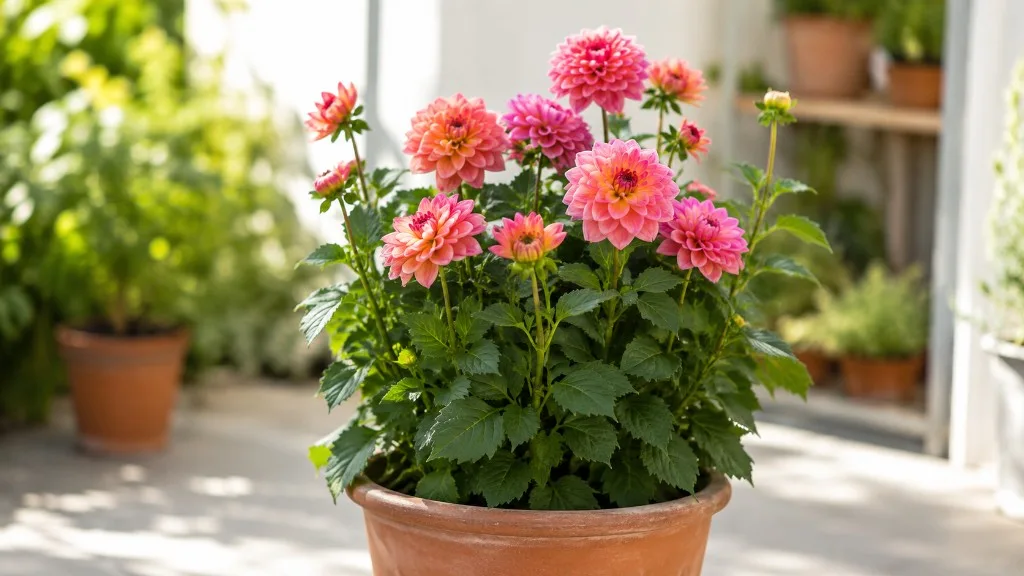
Dahlia Pruning: Pinch, Deadhead, and Cut Back
Dahlia Pruning: Pinch, Deadhead, and Cut Back
Quick Answer: The First Cut Depends on Growth Stage
If your dahlia is actively blooming, start by deadheading the oldest faded flower-follow the stem down to the first leaf node or visible lateral bud below the spent bloom and cut just above it. That single cut keeps the plant in flower-production mode instead of seed formation. If stems are still young and have not been pinched, your first structural cut is different: wait until each main stem reaches 12 to 18 inches (30 to 45 cm) with at least four sets of leaves, then remove the top 3 to 4 inches just above a node. OSU Extension groups dahlia grooming into three distinct seasonal jobs-topping, disbudding, and deadheading-not one interchangeable “pruning” event. End-of-season cutback after frost is a fourth job, and only applies once foliage blackens and tubers begin dormancy.
Dahlias are tuberous, frost-tender perennials in the Asteraceae family, native to the highlands of Mexico and Central America. Unlike woody shrubs, they do not build permanent branching scaffolding. Stems emerge fresh from stored tubers each spring, grow rapidly through summer, and die back after the first hard frost. That annual reset means timing matters more than cut perfection.
How Dahlia Stems and Bud Clusters Work
Every dahlia cut starts with reading the stem. A node is where a pair of leaves attaches; in the angle between leaf and stem-the leaf axil-small buds wait, often visible as tiny bumps before they elongate. While the terminal bud at the stem tip keeps growing upward, those side buds stay relatively quiet under apical dominance. Remove the growing tip above a node and the plant typically activates buds below, producing two or more new stems from what was a single spike. That is the biological basis for pinching dahlias for bushiness.
Nodes, Axils, and the Three-Bud Terminal Cluster
At the end of a lateral stem, dahlias usually form a cluster of three buds: one central terminal flower bud flanked by two smaller lateral buds. American Dahlia Society grooming guidance notes that two additional buds may appear at the next lower leaf pair-five potential flowers on one stem section in vigorous plants. American Dahlia Society Disbudding removes the side buds so the central bud receives more energy, producing a larger bloom on a longer stem. Deadheading removes a fading flower and cuts back far enough on the stem to trigger new lateral growth rather than seed formation.
The most common deadheading error-snipping only wilted petals-leaves a bare stick above the leaves. The reliable cut always lands above a healthy node or visible lateral bud.
Assess Before You Cut
Walk the patch in morning light when stems hold moisture and breaks are cleaner. American Dahlia Society For each stem, note three things: height and stiffness (soft tip means pinching is still possible; woody upper stem means you are correcting habit, not shaping it), bud stage (rounded fresh buds vs pointed spent blooms), and overall plant stress (wilting, yellowing lower leaves, or mosaic-like mottling suggest holding off on aggressive grooming).
Mark mentally which stems you already pinched so you do not double-cut during a busy garden week. If you grow many varieties in one bed and have seen virus-like stunting, plan to sterilize blades with rubbing alcohol between plants-ADS specifically warns about transferring possible virus on unsterilized blades.
What to Check on Each Stem
On flowering stems, slide your hand down from a spent bloom: a pointed or conical flower head means it is finished; a rounded, compact bud below means the plant still has replacement flowers queued. OSU Extension On young main stems, count leaf pairs from the crown upward-pinching benchmarks use height plus leaf sets, not calendar dates alone.
Decide Which Pruning Job You Need
Dahlia pruning is not one technique applied once a year. Match the cut to the goal:
| Goal | Technique | When |
|---|---|---|
| Bushier plant, more flowering laterals | Pinch / top | Stems 12–18 in. tall, 4+ leaf sets |
| Continuous summer blooms | Deadhead / harvest | Whenever petals fade |
| Fewer but larger show blooms | Disbud | Lateral buds pea-sized |
| Tuber dormancy and lifting | Frost cutback | After killing frost blackens foliage |
You do not have to disbud to grow beautiful dahlias. Pinch once early and deadhead or harvest regularly if you want steady flowers until frost. End-of-season cutback is essential wherever tubers must be lifted for storage.
Pinching vs Deadheading vs Disbudding vs Frost Cutback
Pinching removes the soft growing tip so the plant branches lower on the stalk. Deadheading removes spent blooms to prevent seed formation and stimulate side buds. Disbudding is optional-a quality-over-quantity choice that trades total bloom count for size on selected stems. Frost cutback is not about flowers; it prepares tubers for dormancy and gives you a handle for lifting clumps.
Pinch Young Stems for Bushier Plants
Pinching-also called topping-is the highest-leverage structural cut of the season. Longfield Gardens recommends waiting until the dahlia is between 12 and 18 inches (30 and 45 cm) tall before the first pinch, with at least four sets of leaves on the stem. Longfield Gardens Pinch too early and the plant may lack leaf area to recover quickly. Wait too long and the main stem stiffens, branching starts higher than you want, and the plant looks leggy even after you cut.
Remove roughly the top 3 to 4 inches (7 to 10 cm) just above a leaf node. Tall dinnerplate varieties benefit most; compact bedding types may need less intervention. You can pinch as early as one to two weeks after the sprout emerges if you missed the ideal window, according to OSU Extension. Most plants need only one pinch per stem per season.
Height and Leaf-Set Benchmarks
At 12 inches (30 cm) with four leaf sets, most varieties tolerate the first pinch. Above 24 inches (60 cm) on a single-stem plant, you are correcting habit rather than shaping it. One stem commonly becomes two, then four, then eight flowering laterals if light, water, and fertility stay consistent.
Step-by-Step Pinching
- Inspect in morning light when stems are crisp with moisture.
- Identify the tallest stem or each main stem on multi-shoot plants.
- Locate the node three to four leaf pairs below the tip where side buds are visible in the axils.
- Remove the top 3 to 4 inches with a firm pinch or a single snip just above that node. Do not leave a long dead stub, and do not cut so low that you remove most of the plant’s photosynthetic leaf area in one go.
- Install stakes or cages before the plant doubles in size-branching increases bloom count but also wind sail on tall cultivars.
Within a week or two in warm weather, two new tips often emerge below the pinch.
Deadhead and Harvest Spent Blooms
Deadheading dahlias keeps the plant in flower production mode from midsummer until frost. As petals fade and colors dull-often within days during peak heat-you remove the spent bloom and cut back on the stem to a point where new growth can emerge. OSU Extension recommends removing spent flowers regularly through peak bloom rather than waiting for a weekly marathon session.
The correct cut removes the flower head plus stem down to the uppermost viable node or lateral bud. Do not snip off only the flower head, which leaves a headless stick and a potential entry point for pests and disease. Longfield Gardens Harvesting cut flowers and deadheading use the same mechanics-the only difference is whether the stem lands in a bucket or the compost.
Routine Deadheading vs Bouquet Cuts
Cutting dahlia blooms for vases is deadheading with a longer stem-and one of the best ways to increase total bloom production. Longfield Gardens Cut when blooms are three-quarters open; take stems as long as the plant can spare without stripping too much foliage at once. OSU Extension recommends cutting above leaf nodes with side buds, and conditioning cut stems in 2 to 3 inches of very hot (not quite boiling) water for at least an hour for longer vase life. OSU Extension
Disbudding for Larger Show Blooms
Disbudding dahlias means removing the smaller side buds in a terminal cluster so the central bud receives a larger share of the plant’s energy. The result is fewer flowers on that stem, but a bigger, more symmetrical bloom on a longer stem-the goal for exhibition dahlias, photography, and statement cut-flower arrangements. OSU Extension describes removing the outer two buds from the three that develop at the end of each branch.
Timing is early: remove lateral buds when pea-sized. ADS show guidance may also remove buds at the next lower leaf pair, leaving one flower from a group of five. American Dahlia Society Many gardeners disbud a few stems and leave others natural on the same plant.
When to Skip Disbudding
Skip disbudding when total bloom count matters more than size, on small-flowered types, or on stressed plants. Master pinching and deadheading for one season before adding disbudding. Longfield Gardens notes that forcing energy into a single terminal bud on dinnerplate types can produce 10-inch (25 cm) class blooms, at the cost of fewer total flowers. Longfield Gardens
How Much Foliage You Can Safely Remove
Avoid stripping a large share of leaf canopy in one week through combined harvest and cleanup. Leaves feed the tuber and the blooms-defoliating in pursuit of fewer buds weakens the clump going into storage. Disbranching-removing entire lateral stems to open the plant up-is advanced and optional; show growers use it on giant varieties, but for most home gardens pinching plus removing weak crossing stems is enough. American Dahlia Society
Tools and Hygiene for Dahlia Pruning
Dahlia stems are soft early in the season and surprisingly tough by autumn, so tool choice shifts through the year. Bypass pruning shears or garden snips handle pinching, deadheading, and disbudding from spring through peak bloom. At end-of-season cutback, loppers cut thick, frost-blackened stalks more safely than forcing small snips.
Keep blades sharp-crushing cuts on hollow dahlia stems brown and heal slowly, inviting bacterial soft rot in wet autumns. Collect trimmings rather than leaving them under plants where botrytis can spread. Skip wound sealants; dahlias heal open cuts in dry airflow.
End-of-Season Cutback Before Tuber Lift
The last dahlia pruning cut of the year prepares the plant for tuber dormancy and lifting in cold climates. After the first killing frost blackens leaves and stems, the plant shifts remaining energy into the tuber clump. UC Master Gardeners of San Luis Obispo County describe waiting for foliage to turn dark after hard frost before cutting, because that signals the tuber has stopped active growth and entered dormancy.
Cut stems back to 4 to 6 inches (10 to 15 cm) above the crown-the junction where stems meet the tuber clump. Longfield Gardens recommends waiting 3 to 7 days after the first frost before final cutback so tubers cure slightly in the ground before you dig. Longfield Gardens UC Master Gardeners suggest cutting to 5 to 6 inches one to two weeks before fall digging to promote eye formation on stored tubers and to provide stem handles during lift. UC Master Gardeners SLO
Use loppers on frost-blackened stems. Label plants before digging-foliage is gone and tubers look alike.
Frost-to-Dig Timing
Normal sequence: killing frost → wait 3 to 7 days (or up to 1 to 2 weeks if soil is not freezing) → cut stems to 4 to 6 inches → lift clumps with a fork or spade, digging 12 inches (30 cm) out from the stem and lifting gently to avoid breaking tuber necks → rinse, dry overnight in a cool dark place (40–50°F / 4–10°C), then store in vermiculite, peat, or paper in labeled boxes, per RHS storage guidance.
Hard exception: if a deep freeze is forecast and the ground will freeze before the wait period ends, dig immediately after cutback-even if tubers are slightly green-because frozen soil destroys clumps. Never dig while foliage is still green and actively photosynthesizing; green tubers stored indoors shrivel within weeks.
In warm climates where tubers stay in ground, cutback after frost still matters for sanitation-remove blackened stems before rain rots the crown.
Recovery and Maintenance After Pruning
After pinching, stems double-install stakes, corrals, or netting before branches lengthen and flop. After heavy harvest cuts, maintain even soil moisture; drought immediately after pruning stresses regrowth. Dahlias want Dahlia light guide-roughly 6 to 8 hours of direct light-for maximum stem strength and rebloom; leggy, slow-to-branch plants after a correct pinch often sit in too much shade.
At season’s end, pruning and tuber health converge. Leaves feed the clump through early fall; stripping foliage too early with premature cutback reduces tuber size going into storage. Let frost finish the job before you chop-except when freeze threatens.
Pet safety note: the ASPCA lists dahlias as toxic to cats and dogs, with ingestion causing mild gastrointestinal irritation; tubers are the most concentrated source. ASPCA Keep trimmings and lifted tubers away from pets during fall cleanup.
Signs Your Cuts Are Working
After a pinch, look for two new tips emerging from leaf axils below the cut within a week or two during warm weather. Stems should stay green at the cut, not brown and sunken. The plant should look shorter and wider over the following month.
After deadheading or harvest cuts, the payoff is fresh buds on lower nodes and a steady supply of new stems through peak season. Spent flowers should not accumulate on the plant for weeks. If you deadhead faithfully and bloom count still drops by mid-August, the issue is usually root stress, shade, or disease-not technique alone.
Disbudding success shows in symmetrical central blooms on longer, straighter stems than ungroomed neighbors on the same plant. At season’s end, frost-blackened foliage followed by firm tubers at lift-with visible eyes on stored clumps-means your fall timing was about right.
Common Dahlia Pruning Mistakes
The most damaging mistakes are timing errors and shallow cuts:
- The headless stub: snipping only the faded flower leaves a bare inch above the leaves that dies back, looks ugly, and may not trigger new lateral growth. Cut to the first node with a visible lateral bud every time.
- Pinching woody stems: once the main stalk stiffens above 24 inches, pinching branches higher than you want and recovery slows.
- Digging too early: lifting tubers while foliage is still green sends shriveled clumps into storage within weeks.
- Over-harvesting foliage: removing more than one-third of active leaves in a week weakens the plant and the tuber going into fall.
If you already have headless stubs, cut them back to the nearest node on your next pass through the garden.
Conclusion
Dahlia pruning is a seasonal rhythm, not a single chore. Pinch at 12 to 18 inches with at least four leaf sets to branch low and multiply flowering stems. Deadhead and harvest by cutting to nodes and lateral buds, never leaving headless stubs. Disbud pea-sized side buds when you want larger show or vase blooms and accept fewer flowers on those stems. When frost blackens the patch, wait several days, cut stems to 4 to 6 inches above the crown, and lift tubers before the ground freezes if you garden where dahlias cannot stay outdoors.
Match technique to goal-quantity in the border, size on selected stems, sanitation at season’s end-and dahlias repay the attention with weeks of blooms and healthy tubers for next spring.
When to use this page vs other Dahlia guides
- Dahlia overview - Start here for whole-plant context before deep-diving this topic.
- Dahlia problems hub - Jump to symptom-specific fix guides when this care topic does not resolve the issue.
- Leggy Growth on Dahlia - Escalate here when pruning adjustments are not enough.
- Slow Growth on Dahlia - Escalate here when pruning adjustments are not enough.
- Brown Tips on Dahlia - Escalate here when pruning adjustments are not enough.