Best Soil for Calathea Medallion: Mix, Drainage & Repotting
Best Soil for Calathea Medallion: Mix, Drainage & Repotting
Best Soil for Calathea Medallion: Mix, Drainage & Repotting
What Makes the Best Calathea Medallion Soil
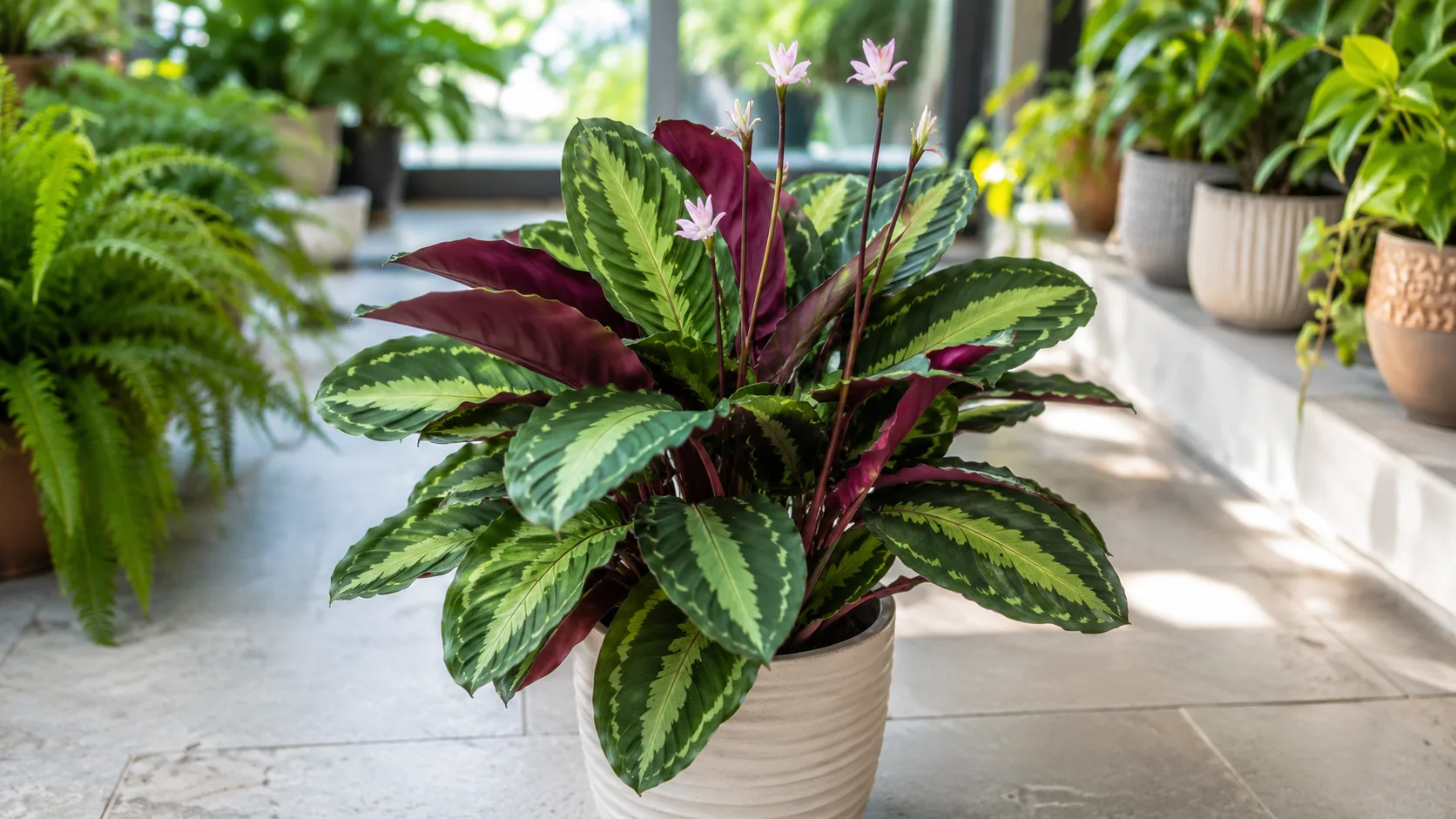
The best soil for Calathea Medallion is a light, organic, well-aerated mix that holds moisture evenly without ever turning swampy. Goeppertia veitchiana ‘Medallion’ - the round-leaf cultivar with painted green tops and burgundy undersides - is not asking for “rich garden dirt.” It wants something closer to the loose, leafy floor of an Ecuadorian rainforest, where rain filters through canopy debris, drains quickly, and leaves the root zone lightly damp rather than saturated. Get that texture right and watering becomes predictable. Get it wrong and you spend months chasing yellow leaves, crispy edges, and a plant that looks thirsty even when the pot is wet.
Most ranking pages repeat the same three words: moist, well-draining, peaty. That is directionally correct but not enough to build a mix that works in a heated apartment, a dim corner, or a decorative pot with no exit for water. The useful answer is structural. You need ingredients that retain water in their fibers, ingredients that create air channels, and a pot system that lets gravity do its job. The recipe below is built around that logic, but the deeper point is simpler: Medallion soil is a moisture-and-oxygen management system, not a bag you buy once and forget.
Why Medallion Roots Need a Different Mix Than Most Houseplants
Calathea Medallion belongs to the prayer plant family, Marantaceae, a group of tropical understory plants that evolved with fine, fibrous roots spread through shallow, organic litter rather than deep mineral soil. NC State Extension notes that Goeppertia veitchiana needs loam or sand texture with good drainage, with soil pH in the acid to neutral range (6.0 to 8.0), and that the mix must stay moist without becoming soggy. That combination is harder to achieve indoors than it sounds, because the same traits that make Medallion visually striking - broad leaves with high surface area - also increase transpiration. Large leaves pull water from the root zone steadily. If the mix dries unevenly or compacts, the plant shows stress on the newest foliage first, often as torn unfurls, brown leaf margins, or a limp posture that mimics underwatering on Calathea Medallion.
The other factor is sensitivity. Medallion reacts quickly to salt buildup from tap water and fertilizer, to cold drafts at the root zone, and to oxygen loss when soil stays wet too long. University of Wisconsin Extension explains that common houseplant root-rot fungi thrive in wet, poorly aerated soil, and that once roots soften and decay, the plant may wilt even though the mix feels damp. Prevention through soil texture is far easier than emergency surgery on a declining root ball. That is why a generic all-purpose potting mix, left unamended, fails so many Medallions within the first year. It holds too much water in too small a space, compacts as peat breaks down, and leaves the roots breathing through mud.
Medallion is also sold under older names - sometimes as Calathea veitchiana in trade listings - and the genus has been partially reclassified into Goeppertia. Names change; root biology does not. Whether you call it Goeppertia veitchiana ‘Medallion’ or Calathea Medallion, the soil goal stays the same: even moisture, fast drainage, steady air flow, mild acidity.
The Four Jobs Your Soil Mix Has to Handle
Strip away brand marketing and every good Medallion mix is doing four jobs at once. Score any bag or DIY blend against these four before you pot.
Hold Even Moisture Without Going Soggy
Medallion does not want to cycle between bone-dry and flooded. It wants the root zone to stay lightly and consistently moist, with the top inch drying slightly between waterings while deeper layers remain accessible. That requires a mix with real water-holding capacity - usually peat moss or coconut coir - balanced by enough coarse material that water does not pool. If your home is dry in winter, you may need slightly more coir or peat. If you tend to overwater, you need more bark and perlite, not more “moisture control.”
Drain Excess Water Fast
After a thorough watering, excess water should exit the drainage hole within minutes, not sit in the bottom third of the pot for days. Fast drainage is not the same as fast drying. Drainage is about gravity moving water out; drying speed is about how much water the mix retains afterward. Perlite, pumice, and orchid bark create the large pores that let water flow through. Without them, even a mix labeled “well-draining” can behave like a sponge in a closed container.
Keep Air Pockets Open Around the Roots
Roots need oxygen as much as they need water. When water fills every pore, roots suffocate, stop taking up moisture, and become vulnerable to rot. Chunky bark and perlite maintain air-filled porosity - the open space in the pot that refills with air after drainage. A mix that looks dark and uniform usually has too little of this. A good Medallion mix looks visibly textured: you should see pale perlite pieces and bark chips distributed throughout, not just sprinkled on top.
Stay in the Right pH Range
Calathea Medallion prefers slightly acidic soil, generally in the 5.5 to 6.5 range, though many growers succeed anywhere from about 6.0 to 7.0 if watering and minerals are managed well. pH matters because it controls nutrient availability. In overly alkaline mix, iron and manganese become less accessible, which can show up as pale or patterned leaves even when you fertilize on schedule. Peat-based mixes tend toward acidity naturally; coco coir is more neutral and may need less adjustment. If you use heavily amended bagged mixes with limestone already added, watch for tip burn or slow growth that does not match your light and watering - that can be a pH or salt issue as much as a care issue.
Core Ingredients for Calathea Medallion Soil
You can build an excellent Medallion mix from a handful of common components. None are exotic. Each has a specific job.
Peat Moss and Coconut Coir
Sphagnum peat moss is the traditional moisture backbone in prayer plant mixes. It holds several times its weight in water, releases it slowly to roots, and naturally leans acidic. The downside is sustainability concern for some growers, and peat can become hydrophobic if allowed to dry completely - water runs down the pot sides while the root ball stays dry. Coconut coir, made from processed coconut husks, is the main peat alternative. It rewets more easily, has a more neutral pH, and holds moisture well without feeling as dense. Many modern Calathea growers prefer coir for everyday mixes and reserve peat for blends where extra acidity is useful.
Neither peat nor coir should dominate the mix alone. Used at 100%, both stay too wet and too low in air porosity for container culture. They are excellent as two or three parts of a multi-ingredient recipe, not as the entire substrate.
Perlite, Pumice, and Orchid Bark
Perlite is expanded volcanic glass - lightweight, white, and excellent at creating air pockets. It improves drainage instantly and never decomposes, though it can float upward over time with heavy top watering. Pumice is heavier volcanic rock with more internal porosity; it stays in place, holds a little moisture itself, and lasts longer in the mix without breaking down. For Medallion in a standard 6-inch plastic or ceramic pot, perlite is usually enough. For larger specimens or growers who want a mix that stays open for three years, substituting some perlite for pumice is a meaningful upgrade.
Orchid bark - typically pine or fir bark graded for orchid culture - is the structural ingredient most generic houseplant advice underweights. Bark creates large channels for drainage and air, resists compaction far longer than peat or coir, and mimics the woody debris on a forest floor. Medium-grade orchid bark is the sweet spot for Medallion: chunky enough to matter, small enough to work in a standard pot without leaving huge voids. Fine bark fines alone can mat down; use them as a supplement, not the main chunk.
Worm Castings and Horticultural Charcoal
Worm castings add gentle, slow-release nutrition and beneficial microbes without the burn risk of heavy synthetic fertilizer in fresh mix. At roughly 5 to 10 percent of total volume, they give young Medallions a soft start after Calathea Medallion repotting guide. They are optional but useful, especially if you plan to delay liquid feeding for a few weeks after transplanting.
Horticultural charcoal is another optional upgrade at about 5 percent of the mix. It does not feed the plant directly, but its porous structure can help buffer organic buildup and reduce the stale, sour smell that old mix sometimes develops in closed indoor pots. In a plant as sensitive to root-zone chemistry as Medallion, that small freshness benefit is worth the handful.
The Best DIY Calathea Medallion Soil Recipe
The most reliable starting recipe for indoor Calathea Medallion is a 3-2-1 mix by volume, with optional amendments:
- 3 parts coconut coir (pre-moistened) or peat-based potting mix
- 2 parts perlite or a 50/50 blend of perlite and pumice
- 1 part medium orchid bark
- Optional: ½ part worm castings and a small handful of horticultural charcoal per gallon of finished mix
Use any scoop as your “part” - a yogurt container, a measuring cup - but keep the ratio consistent. Blend dry ingredients in a bucket or tub until the bark and perlite are evenly distributed. Then add water gradually while mixing until the batch feels like a wrung-out sponge: damp throughout, not dripping.
Before potting, run the wet squeeze test. Grab a fistful of finished mix and squeeze firmly. A good Medallion blend holds its shape loosely for a second, then crumbles when you poke it. If water streams out and the ball collapses instantly, add a little more coir or peat. If the ball stays tight and muddy, add more bark and perlite. This thirty-second test prevents months of guessing.
Adjust for your habits and home. If you overwater or your Medallion sits in low light, shift toward 2 parts coir, 2 parts perlite, 2 parts bark for a faster-draining, more forgiving mix. If your apartment is dry in winter and the plant wilts between waterings, try 4 parts coir, 1 part perlite, 1 part bark - but only if your pot has a drainage hole and you still check moisture before watering. If you use filtered or rainwater and fertilize lightly, the default 3-2-1 recipe works for most rooms with moderate humidity.
A simpler fallback if you only have two amendments on hand: 2 parts peat-based potting mix, 1 part perlite, 1 part orchid bark. That is less ideal long-term than the 3-2-1 recipe because it contains less aeration, but it is dramatically better than unamended bagged soil and is a reasonable rescue if you are repotting today and cannot source every ingredient.
Store-Bought Mixes That Work (and How to Improve Them)
Not everyone wants to blend from scratch, and that is fine. Several commercial products work as bases if you amend them toward more chunk and more air.
Standard indoor potting mix from major brands is the most common starting point. Out of the bag, it is usually too fine and too moisture-retentive for Medallion. Upgrade it by mixing 2 parts bagged indoor mix with 1 part perlite and 1 part orchid bark. If the bag includes slow-release fertilizer prills, that is acceptable for Medallion at half strength, but watch for tip burn in the first month after repotting.
FoxFarm Ocean Forest and similar rich organic mixes are excellent structurally but can be nutrient-heavy for a sensitive Calathea in a small pot. Blend 2 parts Ocean Forest with 1 part perlite and 1 part bark, then skip fertilizer for four to six weeks after repotting.
Espoma Organic Potting Mix and comparable peat-based products benefit from the same 2-1-1 amendment. They are widely available and predictable, which matters when you are troubleshooting a struggling plant and do not want variables.
Pre-made tropical, aroid, or “houseplant” specialty mixes from plant shops or online sellers are often usable straight out of the bag if you can see bark and perlite throughout. Read the label. If the first ingredients are compost and peat with no structural component listed, plan to add bark and perlite anyway.
Cactus or succulent mix alone is usually too fast-draining for Medallion unless you blend it back toward moisture retention. A workable compromise is 1 part cactus mix, 1 part coir, 1 part perlite, 1 part bark - but the 3-2-1 recipe above is simpler and more reliable.
The upgrade rule for any bag: if it feels heavy, looks like uniform dark soil, and you cannot see chunks, add at least 30 to 40 percent perlite and bark combined before using it for Calathea Medallion.
What Soil to Avoid With Calathea Medallion
A short list causes most Medallion soil failures indoors.
Garden soil and outdoor topsoil are the worst choice. They compact in pots, carry pathogens and weed seeds, and create a perched water table that suffocates roots. University of Wisconsin Extension specifically recommends pasteurized commercial potting mix rather than garden soil for houseplants, partly because outdoor soils often harbor root-rot organisms. The same warning applies to “raised bed mix” and most “garden soil” products sold in large bags for in-ground use.
Pure peat moss or pure coco coir holds too much water and too little air when used alone. Both are ingredients, not finished Medallion soil.
Moisture-control potting mixes with water-absorbing polymers keep the root zone wet longer - the opposite of what you want when Medallion’s main failure mode is overwatering on Calathea Medallion combined with poor aeration.
Dense, fine “all-purpose” mix without amendment is how many Medallions arrive from the nursery already set up to fail within a year. The plant looks fine until the peat compacts, drainage slows, and the first cold or overwatering event triggers decline.
A layer of gravel or pottery shards at the pot bottom does not fix bad soil. It reduces usable root volume and can still leave the upper mix saturated while you assume the gravel “helped drainage.” Build drainage into the mix and the pot hole, not into a false bottom layer.
Drainage, Pots, and the Perched Water Table
Soil choice and pot choice are one system. A perfect mix in a pot with no drainage hole will still fail, because water has nowhere to go after each watering. For long-term indoor care, a drainage hole is non-negotiable for Calathea Medallion. If you use a decorative cachepot, grow the plant in a plain inner pot that drains, then empty the outer shell after watering. Leaving standing water in a cachepot is one of the fastest routes to root rot on Calathea Medallion, especially in winter when evaporation slows.
Pot size matters as much as mix texture. Medallion prefers to be slightly snug rather than swimming in empty soil. When repotting, move up only one size - roughly 2 to 5 centimeters wider in diameter. An oversized pot holds a large volume of mix the root system cannot use quickly, so that mix stays wet for days or weeks while the small root mass sits in stagnant moisture. That is why growers often see yellow lower leaves after repotting into a pot that “looked nicer” but was two sizes too big.
Pot material changes drying speed. Unglazed terra-cotta breathes and dries faster; plastic and glazed ceramic retain moisture longer. Neither is wrong, but a plastic pot with heavy mix in a low-light room dries slowly - adjust your recipe toward more bark if that is your setup.
The perched water table is the layer of saturated soil at the bottom of any container after drainage stops. The height of that layer depends on particle size, not on whether you added gravel. Fine mix creates a taller saturated zone; chunky mix lowers it by letting water move through more freely. That is the physics reason bark and perlite matter: they shrink the wet zone at the bottom where roots are most vulnerable.
When to Refresh or Repot Your Medallion
Calathea Medallion does not need annual repotting on a calendar, but it does need fresh, open mix on a schedule tied to observable signs. Plan a full repot every 18 to 24 months for a actively growing plant, or sooner if problems appear.
Repot when roots circle the bottom of the pot, emerge from drainage holes, or the plant dries out unusually fast despite a large soil volume. Repot when water runs straight through a few minutes after watering, which often means the mix has broken down and shrunk away from the pot walls. Repot when the surface crusts, smells sour, or stays wet for more than a week after a normal watering. Repot when growth stalls in spring despite good light, humidity, and feeding - after you have ruled out other causes.
The best timing is spring or early summer, when Medallion is entering active growth and can rebuild roots quickly. Early fall can work if the plant is root-bound and declining. Avoid winter repotting unless the root zone is clearly failing - sour smell, mushy roots, or severe compaction - because cold, short days slow recovery and increase transplant stress.
Between full repots, top-dressing in spring - removing the top inch of old mix and replacing it with fresh blend without disturbing the root ball - can refresh aeration without the shock of a full transplant. That is often enough for a healthy plant that is not root-bound.
Step-by-Step Repotting With Fresh Soil
Repotting Medallion is straightforward if you prepare the mix first and minimize root damage.
One to two days before, water lightly so the root ball holds together but is not soggy. Gather a pot one size up with a drainage hole, your fresh 3-2-1 mix (moistened), clean scissors, and newspaper or a tray for mess.
Remove the plant by tipping the pot and supporting the base of the stems. If it resists, run a knife around the inside edge rather than pulling hard on the leaves. Medallion leaves tear easily; the crown is the part you protect.
Inspect roots. Healthy roots are pale tan to white and firm. Trim dark, mushy sections with sterile scissors. If you see extensive rot, remove all dead tissue, repot into a mix with extra perlite and bark, and adjust watering before thinking about fertilizer.
Tease circling roots gently at the bottom and sides. You do not need to bare-root a healthy Medallion. Stripping all old soil damages fine root hairs and extends recovery time.
Add a shallow layer of fresh mix to the new pot. Set the plant so the crown sits at the same depth as before - never bury the stems. Fill around the sides with mix, tapping the pot lightly to settle without compacting. Do not press heavily with your fingers; that collapses air pores.
Water thoroughly until excess drains, then discard saucer water. Place the plant in Calathea Medallion light guide, maintain humidity, and hold fertilizer for four to six weeks. Mild drooping for a few days is normal. Sustained yellowing beyond two weeks suggests oversize pot, overwatering, or damaged roots.
Common Soil Mistakes That Show Up on the Leaves First
Medallion telegraphs root-zone problems on foliage faster than many houseplants because its leaves are large and unforgiving.
Soggy mix and slow drainage show up as yellow lower leaves, a musty smell, and limp stems despite wet soil. The fix is repotting into chunkier mix, downsizing if the pot is too large, and pausing water until the root zone recovers.
Compacted or hydrophobic mix shows up as wilting with dry pockets inside the root ball, edge crisping, and water running down the sides. The fix is repotting with fresh coir-heavy blend, pre-moistening mix before potting, and bottom-watering once to rehydrate evenly.
Salt buildup from hard tap water and fertilizer shows as brown leaf tips, crust on the soil surface, and stalled new growth. Flush the pot with filtered water until runoff is clear, or refresh mix at repotting. Long term, filtered or rainwater paired with a well-aerated mix reduces recurrence.
Oversized pot after repotting shows up as slow establishment, persistent damp soil, and leaf drop weeks after the move even though you “have not overwatered.” The fix is often another repot into a smaller container with more bark - frustrating, but faster than waiting in a wet root zone.
Wrong mix, right watering still fails. If you are checking moisture carefully, using a drainage hole, and leaves still cycle between crisp and yellow, the texture is the variable worth changing before you overhaul light or humidity.
Conclusion
Calathea Medallion rewards a soil mix that mimics a rainforest floor: organic, airy, evenly moist, and slightly acidic. Build a default blend of three parts coir or peat-based mix, two parts perlite, and one part orchid bark, run the wet squeeze test, and pot in a container one size up with a drainage hole. Amend any dense bagged indoor mix with perlite and bark before you use it, avoid garden soil and moisture-control products, and repot in spring when roots circle or the mix breaks down. If you do nothing else, refresh the root zone before chasing fertilizer or moving the plant to brighter light - most recurring Medallion problems start where you cannot see them, in soil that holds water without holding air.
When to use this page vs other Calathea Medallion guides
- Calathea Medallion overview - Start here for whole-plant context before deep-diving this topic.
- Calathea Medallion problems hub - Jump to symptom-specific fix guides when this care topic does not resolve the issue.
- Root Rot on Calathea Medallion - Escalate here when soil adjustments are not enough.
- Mold on Soil on Calathea Medallion - Escalate here when soil adjustments are not enough.
Related Calathea Medallion guides
- Calathea Medallion overview
- Calathea Medallion watering
- Calathea Medallion light
- Calathea Medallion propagation
- Calathea Medallion fertilizer
- Calathea Medallion repotting
- Root Rot on Calathea Medallion
- Mold on Soil on Calathea Medallion
- Calathea Medallion problems
Related tool
Try the Soil Mix Calculator with calathea-medallion pre-selected to estimate needs for your setup.