Slow Growth on Bougainvillea: Causes, Checks & Fixes
Quick answer
Slow growth on bougainvillea is often normal during cool winter months or after a move indoors-but chronic stall in shade with wet soil is a problem. First step: confirm the plant gets at least six hours of direct sun on the leaves, then check whether soil dries between waterings before changing anything else.
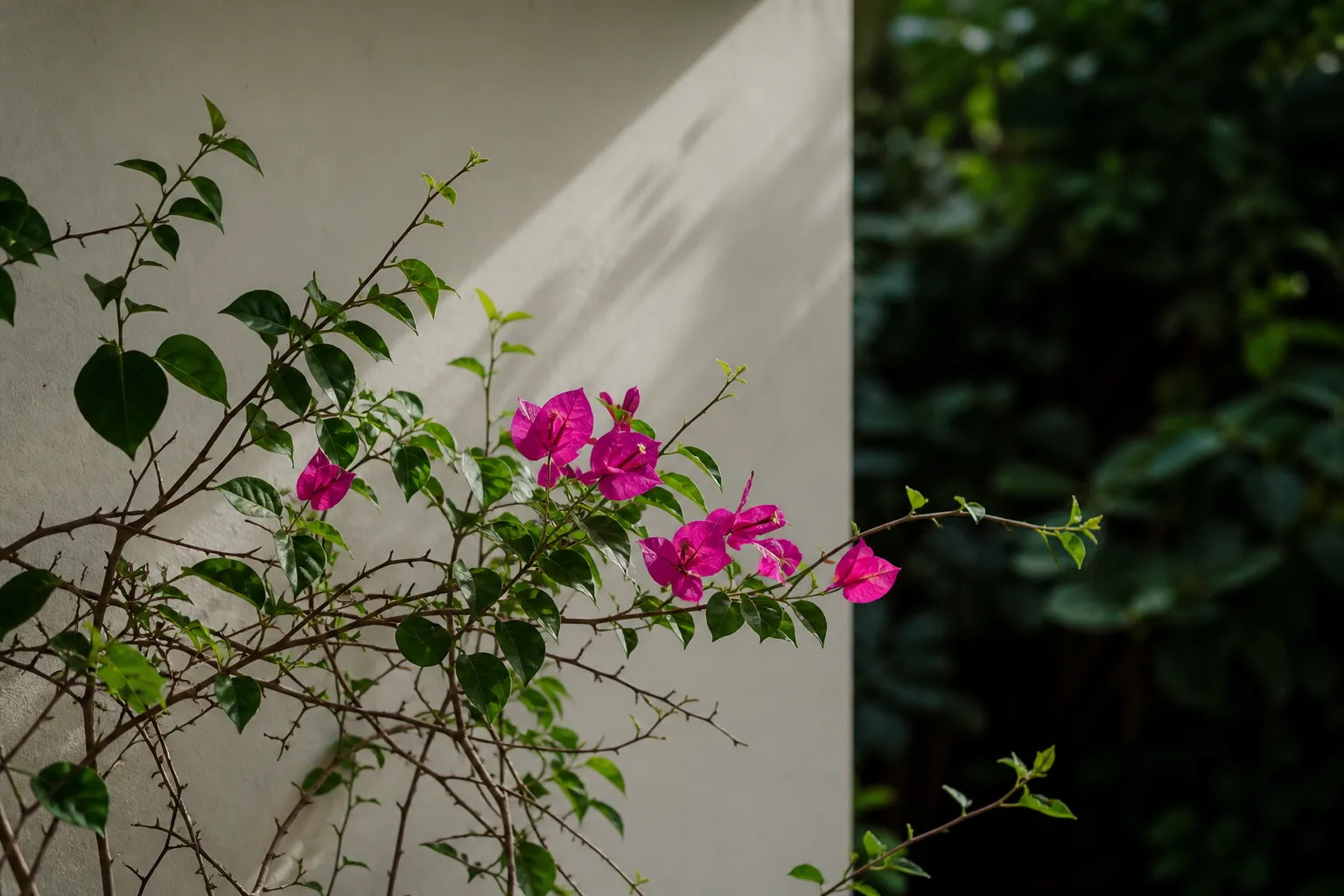
Slow Growth on Bougainvillea: Causes, Checks & Fixes
This guide covers slow growth on Bougainvillea. See also the general Slow Growth guide, watering, and light pages for this plant.
Slow Growth on Bougainvillea: Causes, Checks & Fixes
Quick answer
Bougainvillea is a full-sun subtropical vine-not a low-light houseplant. Slow growth is often normal when nights cool, days shorten, or you bring a patio pot indoors for winter. Slow growth is a problem when the plant sits in shade through a warm season, soil stays wet between waterings, or no firm new shoots appear for months.
First step: audit direct sun on the leaves. Bougainvillea needs a minimum of six hours of direct sun daily for vigorous metabolism, compact internodes, and bract production on new wood. If sun fails that test, move the plant before repotting, fertilizing, or heavy pruning. See the bougainvillea light guide for placement specifics.
What normal slow growth looks like on bougainvillea
Not every pause means the vine is sick. Bougainvillea follows a seasonal rhythm tied to heat and day length.
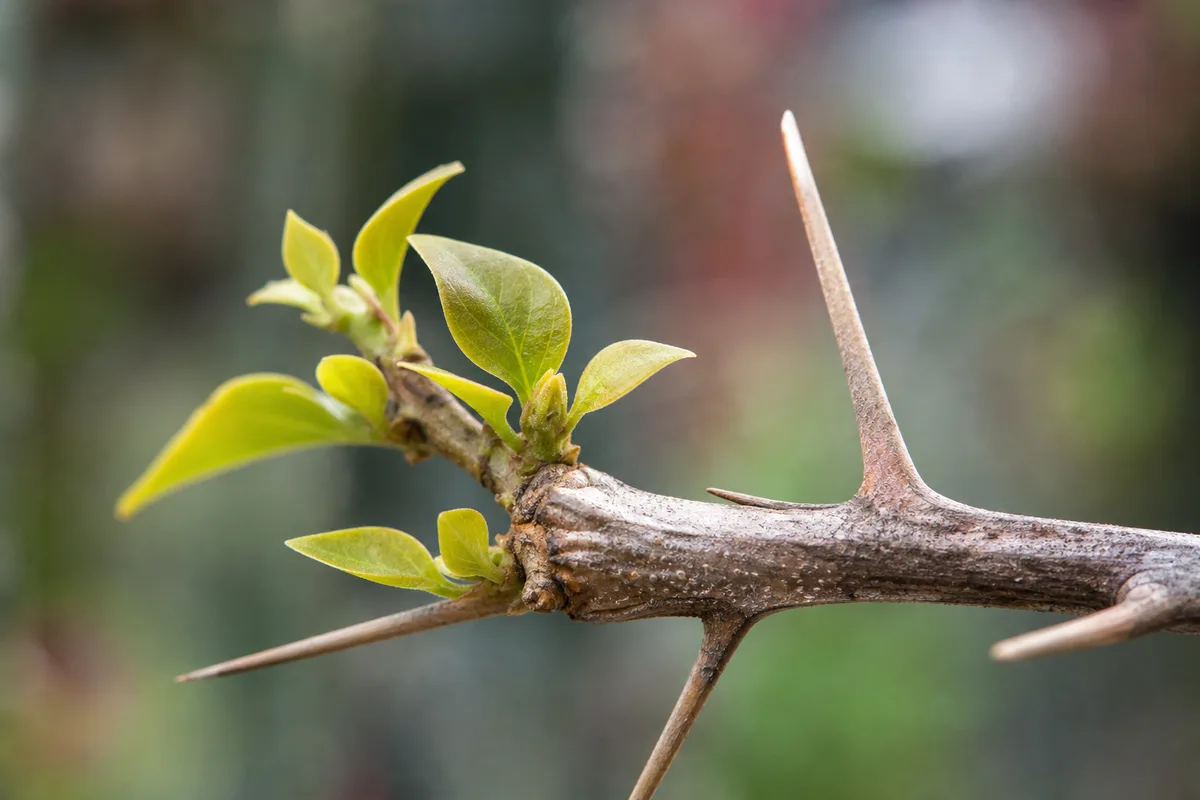
Slow Growth symptoms on Bougainvillea - compare with healthy tissue on the same plant.
Expected pace in full sun
In warm weather on a south- or west-facing patio or wall, healthy bougainvillea pushes short internodes-leaves spaced closely along thorny stems-and firm new shoots that harden into woody branches within weeks. Growth may look modest compared to a pothos because bougainvillea builds woody structure before flashy bract flushes. That compact pace in direct sun is normal slow growth, not failure.
Outdoors in USDA zones 9–11, established vines on trellises often look quiet for a week or two between bloom cycles, then push new lateral branches. The RHS growing guide notes that bougainvillea flowers on new wood-so a pause after a bract flush, followed by fresh shoots, fits the species rhythm.
Cool-season and winter slowdown
When temperatures drop or container plants move indoors, bougainvillea reduces or stops vegetative growth for weeks. Leaves may yellow and drop after a flowering period; UF/IFAS Extension agents note this is often natural after flowering, followed by a flush of new growth once warmth and sun return. Winter indoors at 10–15 °C (50–59 °F) with bright light and reduced watering per the watering guide is a healthy slow phase-not the same as year-round stall in a dim corner.
Signs the plant is healthy despite slow pace
- Firm woody stems and green mature leaves (not yellowing on wet soil).
- Pot weight drops between deep soaks-soil dries in high light.
- Short internodes on newest growth when sun is adequate.
- No sour smell from mix; roots stay firm if you spot-check the drainage hole.
When slow growth is actually a problem
| Pattern | Likely meaning | Next check |
|---|---|---|
| Zero new shoots all warm season in shade | Chronic under-lighting | Sun audit; see not enough light |
| Long bare thorny stems, wide leaf gaps | Leggy etiolation in dim light | Light correction; see leggy growth |
| Wet soil for days + stall in low light | Shade overwatering trap | Stop watering; inspect roots for root rot |
| No growth + soft roots or sour mix | Root failure | Root inspection before any feed or repot |
| Stall after recent repot or move | Transplant shock | Hold fertilizer; restore sun gradually |
| Green vine, no bracts, adequate sun | Bloom stall-not always growth stall | Dry-down watering; see fertilizer guide |
Do not confuse “no colorful bracts” with “no growth.” Owners often report slow growth when the vine is pushing green wood without a bloom flush. Bracts need new wood plus strong sun and a slight dry-down-vegetative stall and bloom stall share light and water drivers but look different on the plant.
Why bougainvillea grows slowly
Full-sun metabolism requirement
Bougainvillea evolved in open, sun-baked South American climates. Clemson HGIC states outdoor plants should be in full sun with no shade and well-drained soil. Dim light slows photosynthesis, stretches stems toward the brightest source, and drops the growth rate sharply. This is the primary indoor and shaded-patio cause of abnormal slow growth.
Insufficient direct light
A bright room, covered patio, or pot three feet from a window often delivers bright indirect light to human eyes but not six hours of direct sun on the leaves. Bougainvillea tolerates mediocre light long enough to mislead owners-then stall becomes obvious through long internodes and sparse foliage. Indoor correction means a south or west sill, outdoor full sun in summer, or grow lights-not “bright indirect” placement.
Overwatering in low-light conditions
In shade, bougainvillea uses water slowly. Watering on a full-sun schedule keeps soil wet, suppresses root function, and can trigger leaf drop linked to over-watering and not enough sun. Wet roots plus dim light produce a stalled, yellowing vine that looks “lazy” rather than thirsty. Fix light before you fix water-or you will repeat the cycle.
Root bound or undersized container
Bougainvillea often blooms well with slightly root-bound roots, but a severely congested pot in low light can stall new shoot production. If sun and watering check out and growth flatlines through a warm season, slide the root ball out and look for a solid mass with few white tips. See repotting bougainvillea for timing-avoid repotting a winter-stalled vine and a summer light correction on the same day.
Post-move shock and acclimation
Moving from a shaded spot to harsh midday sun without acclimation causes scorch and temporary stall. Moving indoors in fall triggers leaf drop and weeks of pause. Increase light gradually over seven to fourteen days when upgrading exposure.
Cool temperatures and dormancy
Consistent temperatures below about 15 °C (59 °F) slow metabolism. This is expected-not a call for fertilizer. Wait for warmth and returning direct sun before judging recovery.
How to confirm the cause
Work through this order so you do not treat a normal winter pause like root rot.
- Season and placement - Is it winter, post-indoor move, or a cool spell? If yes, compare to the normal pause signs above.
- Direct sun audit - Track hours when sunbeams hit leaves, not just room brightness. Fewer than six hours direct points to light as first fix.
- Internode spacing - Short gaps on new wood in sun = healthy compact growth. Long bare thorny gaps = etiolation; use the leggy growth differential.
- Soil moisture pattern - Lift the pot. Heavy, cool, damp mix in shade supports the overwatering branch. Light pot with dusty top 3–5 cm in full sun supports normal dry-down.
- New shoot test - Scratch a thumb along the newest stem. Firm green or bronze tips forming in warm sun mean the plant is growing, even slowly. Mushy crown or blackened stem tips need escalation.
- Root spot-check - If soil has stayed wet, sniff the drainage hole and probe for firm versus soft roots before fertilizing.
First fix for bougainvillea
Move the plant to the sunniest feasible placement before any other intervention.
Outdoors, that means open exposure on a south- or west-facing wall or trellis with unfiltered direct sun on the canopy. Indoors, place the pot on the brightest south or west windowsill where sun hits leaves for most of the day, or add a high-output grow light 12–24 inches above the foliage for 10–12 hours daily. Do not respond to stall with fertilizer, repotting, and hard pruning on the same week-give one light correction time to show in the next two nodes of new growth.
If the pot is heavy and soil stays wet in the old shady spot, skip the next scheduled watering and confirm drainage holes are open while you improve light. Only after sun and dry-down improve should you consider a light feed per the fertilizer guide.
Step-by-step recovery
- Correct sun - Relocate or supplement light; acclimate if jumping from deep shade to intense patio sun.
- Match watering to new light level - In full sun, allow top 3–5 cm to dry between deep soaks. In winter pause, stretch intervals per the watering guide.
- Wait for two nodes - Judge success by the spacing on the next two sets of new leaves, not by old bare stems.
- Repot only if root-bound stall is confirmed - And not the same week as a major light upgrade.
- Feed lightly after growth resumes - Not on a shaded, wet, stalled plant.
Recovery timeline
- Normal winter pause: Growth may not resume for several weeks until warmth and long days return-often 4–10 weeks indoors, sooner when returned to outdoor full sun in spring.
- Light correction in warm weather: First firm new shoots with tighter internodes often appear within 2–4 weeks after adequate direct sun; bract flushes lag behind vegetative recovery.
- Root stress from wet shade: Several weeks to months after drying soil and improving light; severely rotted roots may not fully recover-see root rot.
- Post-repot shock: UF/IFAS notes root disturbance can suppress growth for weeks to months; hold fertilizer and avoid repeated disturbance.
Old long bare stems will not shorten retroactively-recovery shows in new wood spacing, not remodeled old internodes.
What not to do
- Do not rely on bright indirect light to restore growth pace on this genus-it will not.
- Do not fertilize a shaded, wet, stalled vine before correcting light and moisture; nitrogen pushes soft leaves without fixing the driver.
- Do not stack repotting, hard pruning, and pesticide on a winter-stalled plant in one session.
- Do not move suddenly from dim indoors to harsh midday sun without a week of gradual exposure.
- Do not assume no bracts means the plant stopped growing-check vegetative shoots and internode spacing separately.
Bougainvillea care cross-check
Slow growth on bougainvillea almost always ties back to the same core needs documented in the overview: full direct sun, soak-and-dry watering, fast-draining mix, and patience through cool-season rhythm. When those align, compact woody growth and periodic bract flushes follow. When light fails, every other input-water, feed, pot size-gets misread.
How to prevent abnormal slow growth next time
- Site for sun first - Six or more hours of direct sun on the leaves outdoors or equivalent window or grow-light exposure indoors.
- Water by pot weight and dry-down, not calendar-especially after moving between indoor and outdoor light levels.
- Expect seasonal pause - Reduce water in winter; do not panic-fertilize a cool, bright resting vine.
- Track internode spacing on new shoots monthly-a widening gap is an early light warning before full stall.
- Repot on a warm active-growth window, not during winter stall.
When to worry
Treat stall as urgent when the crown softens, roots smell sour on persistently wet soil, pests coat new growth, or no firm shoots appear through an entire warm sunny season after light correction. A quiet bougainvillea in a cool bright winter room with dry-down watering is usually low urgency.
Related bougainvillea guides
- Bougainvillea overview - species habit, zones, and seasonal rhythm
- Light requirements - primary growth limiter
- Watering - dry-down rhythm and shade overwatering trap
- Fertilizer - when to feed during active growth
- Leggy growth - stretch versus compact slow growth
- Not enough light - stall from insufficient direct sun
- Root rot - wet-soil stall with declining roots
- Repotting - root-bound container limits