Slow Growth on Asparagus Fern: Causes, Checks & Fixes
Quick answer
Slow growth on asparagus fern is normal in winter and a problem in spring if no new cladode tips appear for weeks. First step: check the crown for fresh needle clusters and lift the pot-firm tubers and a light container often mean low light or root crowding, not drought.
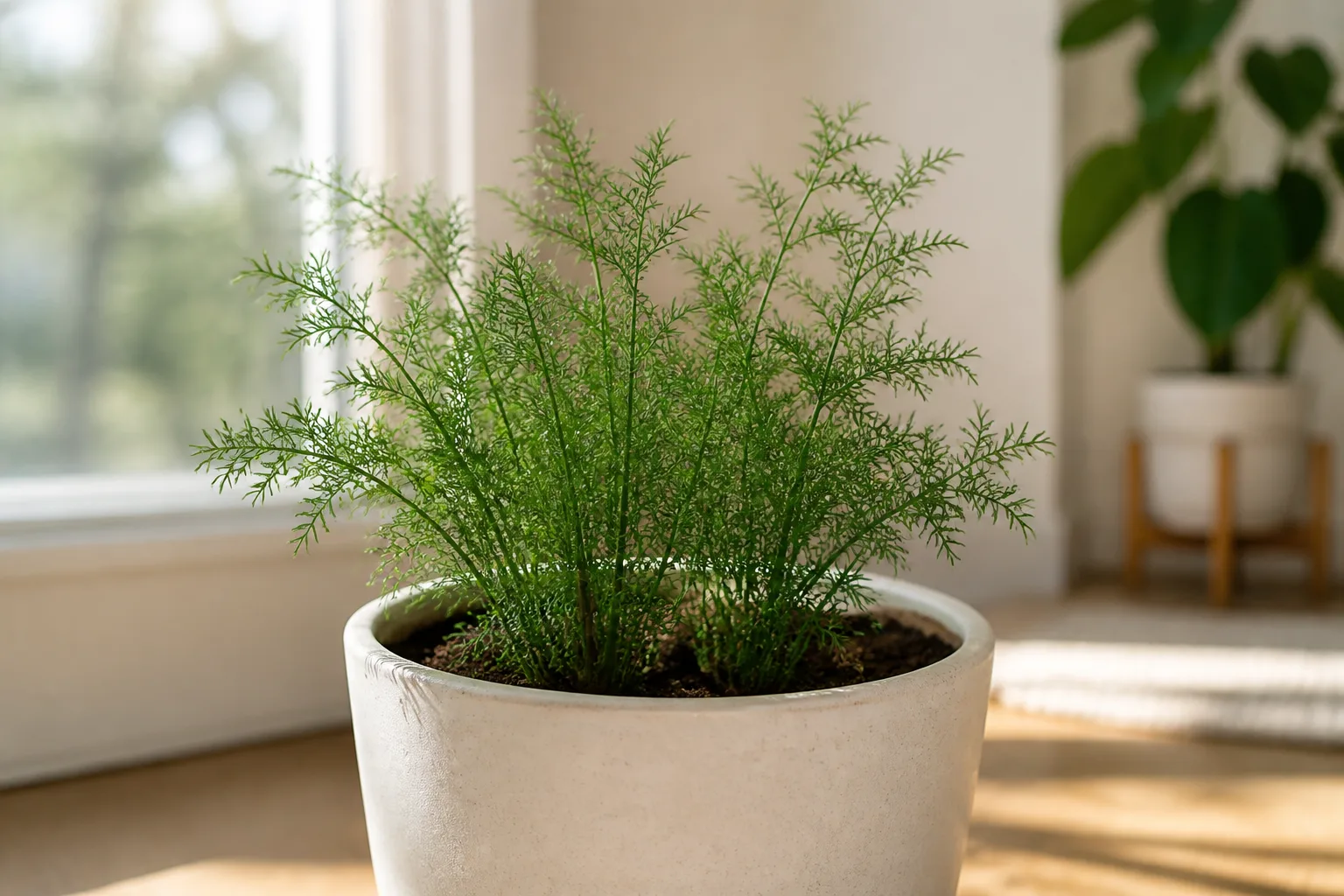
Slow Growth on Asparagus Fern: Causes, Checks & Fixes
This guide covers slow growth on Asparagus Fern. See also the general Slow Growth guide, watering, and light pages for this plant.
Slow Growth on Asparagus Fern: Causes, Checks & Fixes
Quick answer
Asparagus fern looks delicate, but it is a fast-growing Asparagus relative with tuberous roots that store water and energy and cladodes-flattened stems that look like soft needles-doing the photosynthesis. When growth stalls, the cause is usually environmental, not mysterious disease: winter dormancy, too little light, overwatered tubers, root-bound crowding, cold drafts, or pest drain on fine foliage.
First step: inspect the crown and the pot together. Look for tiny fresh cladode clusters at stem tips or the soil line. Lift the pot-if it feels light for days yet the plant looks tired, suspect light or roots before watering heavily. If soil stays wet and smells sour, stop watering and check tubers before fertilizing or Asparagus Fern repotting guide.
What slow growth looks like on Asparagus Fern
Slow growth here means little or no new cladode production, not a single yellow needle. Learn the species-specific pattern:
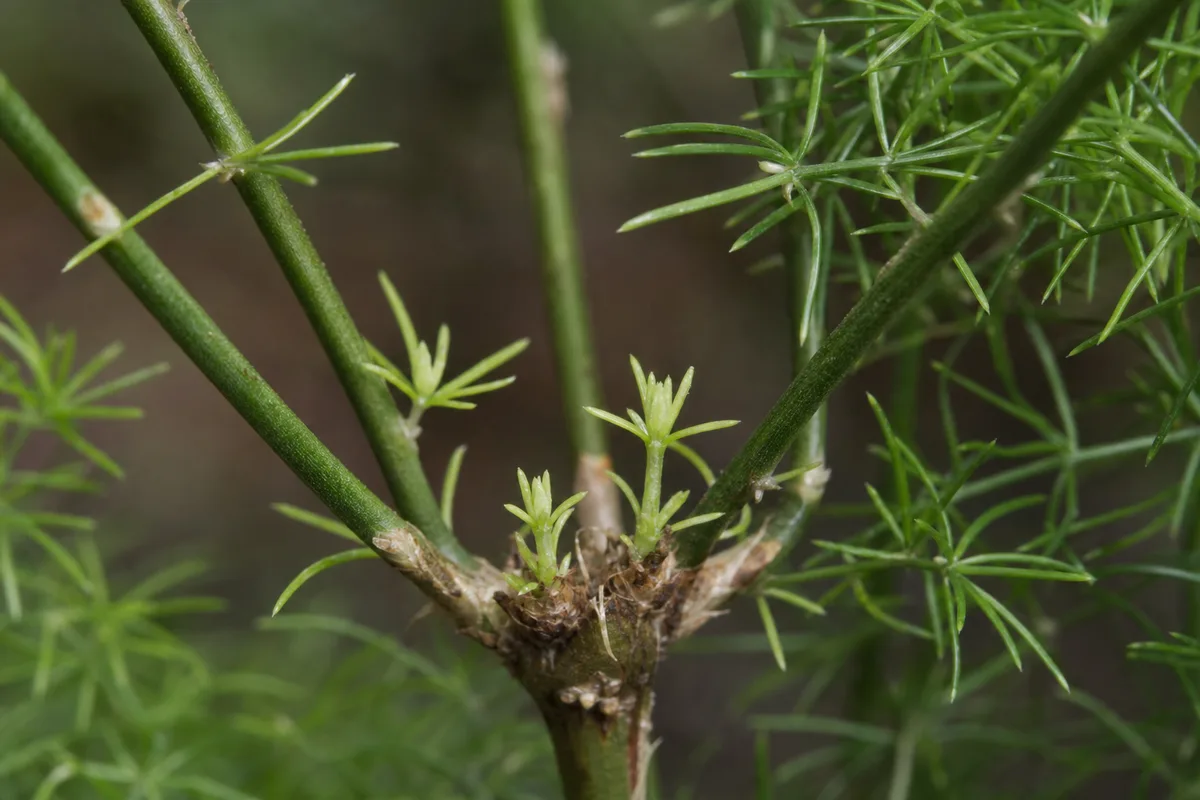
Slow Growth symptoms on Asparagus Fern - compare with healthy tissue on the same plant.
Normal active-season growth:
- New wiry stems or tip clusters with firm, evenly green cladodes every two to four weeks in spring and summer when light and water are right
- Gradual filling-in at the crown; trailing forms like Sprengeri add length at stem tips rather than a single central spike
- Pot weight cycling between lighter dry and heavier after watering on a five-to-seven-day rhythm in bright rooms
Slow-growth signals (problem, not rest):
- No fresh tips for six or more weeks during March through September despite stable care
- Existing stems stay green but stiff and static-no extension, no new side clusters
- Pot-bound clues: roots or tubers visible at the surface, plant riding up in the pot, water runs straight through in seconds
- Low-light stall: sparse interior cladodes, long gaps between needle clusters, but without the dramatic stretch of full etiolation-often paired with soil that stays damp ten-plus days
Seasonal pause (normal, not a problem):
- From late fall through winter, new growth may pause entirely while old cladodes stay green
- Wisconsin Extension recommends drier winter watering and no fertilizer during this rest period
- Resume expecting new tips when days lengthen and room temperatures stay above about 55°F (13°C)-the range NC State lists as preferred
What normal growth speed is indoors
NC State calls asparagus fern one of the fastest-growing, least demanding houseplants-but that speed needs Asparagus Fern light guide, even moisture, and room for tubers to spread. Wisconsin Horticulture notes that brighter light produces faster growth, while dim placement keeps the plant alive with a thinner habit.
Indoors, think in seasons, not daily change:
| Season | What healthy growth usually looks like |
|---|---|
| March–May | New stems and tip clusters reappear; pot dries on a faster rhythm |
| June–August | Steady extension on trailing forms; crown fills on upright foxtail types |
| September–October | Growth slows; fewer new tips |
| November–February | Rest-little or no new cladodes is normal |
Asparagus setaceus (plumosa) often looks like a soft cloud expanding outward. Asparagus densiflorus ‘Sprengeri’ arches and spills; the Missouri Botanical Garden lists mature spread of two to three feet when conditions are strong. If your plant has not added meaningful length or crown density through an entire active season, something is limiting-not the cultivar being “naturally slow.”
Why Asparagus Fern grows slowly - ranked causes
1. Winter dormancy and short days
The most overlooked cause is calendar, not care failure. Lower light and cooler rooms slow metabolism. Combined with reduced watering needs, the plant can look unchanged for weeks without being sick. Do not repot, fertilize, and move to a new window simultaneously in January in response.
2. Insufficient light slowing energy production
Dim corners slow photosynthesis and slow soil dry-down, which tempts owners to overwater a barely growing plant. That pairing-wet tubers plus low light-is a common stall pattern. Stretched wiry stems with wide gaps are etiolation; see not enough light on asparagus fern when lean and pale new needles dominate.
3. Root-bound tuber crowding
Tuberous roots become pot-bound quickly. When tubers fill the container, fresh mix disappears, fertilizer salts concentrate, and new cladode clusters lack space and nutrients. Water may channel through the pot without wetting the center. Growth stalls even when leaves still look green.
4. Overwatering and tuber rot
Soggy soil rots storage roots. The plant stops investing in new cladodes because the energy bank is failing. Yellow needles, soft stems at the base, and sour soil overlap with overwatering and root rot-fix drainage before chasing fertilizer.
5. Underwatering and depleted reserves
Tuberous roots buffer drought, so underwatered plants can look merely slow before a sudden collapse. Crispy brown tips, lightweight pots, and dry mix pulled away from the sides point here-see underwatering.
6. Nutrient deficit (only after ruling out light and roots)
Pale overall color on new cladodes in bright light, with firm tubers and a plant that has not been repotted or fed in years, may indicate hunger. Wisconsin Extension suggests monthly feeding when lush new growth is the goal in spring-not winter, not stressed plants.
7. Pests draining fine cladodes
Spider mites and scale on weak, dry-air plants steal vigor from fine needles. Sticky residue, webbing, or stippling on new tips means pest work before fertilizer-see spider mites on asparagus fern.
8. Cold drafts and temperature dips
Sustained temperatures below about 55°F stall growth and can yellow cladodes. Window ledges in winter and AC vents pointed at hanging baskets are frequent culprits.
How to confirm the cause
Work through these checks in order-each narrows the list before you change multiple variables:
- Season check - Note the month. November through February pause is normal if tubers are firm and soil is not sour.
- New tip audit - Mark a stem tip with a tag or photo. Wait two weeks in the active season. Zero change with firm green existing cladodes suggests light or roots, not instant drought.
- Shadow test - At midday, hold your hand between the plant and window. Almost no shadow means light is likely limiting growth; see the light guide and not-enough-light page.
- Pot weight and soil smell - Heavy pot, wet surface ten-plus days, sour smell → overwatering or root failure. Very light pot with crispy tips → underwatering.
- Tuber firmness - Gently unpot if growth stalled all spring. Healthy tubers are firm and pale; mushy brown tubers confirm rot.
- Root-bound screen - Circling roots, minimal soil visible, tubers pushing the plant up → repot candidate; details in repotting guide.
- Pest scan - Magnify new tips and stem axils for mites, scale, or mealybugs.
If winter rest explains the pause, hold course. If four or more active-season checks point to light or roots-and pests and rot are absent-treat that as confirmed.
Lookalike symptoms
| What you see | Likely cause | First direction |
|---|---|---|
| No new tips Dec–Feb, firm tubers, drier soil rhythm | Winter dormancy | Wait; resume checks in March |
| Long bare stems, lean toward window, pale small new cladodes | Not enough light / leggy stretch | Not enough light |
| Wet soil weeks, yellow dropping cladodes, soft base | Overwatering / root rot | Overwatering, root rot |
| Dry light pot, crispy tips, sudden needle drop | Underwatering | Underwatering |
| Green but static all spring; roots circling; fast drain-through | Root-bound tubers | Repot in spring |
| Stippling, webbing, sticky new growth | Spider mites / pests | Spider mites |
Slow growth is the headline; etiolation is stretched stems seeking light; dormancy is a seasonal pause with otherwise stable foliage.
First fix for Asparagus Fern (by confirmed cause)
Make one primary change, then wait two to three weeks before stacking treatments.
If winter dormancy: Reduce watering toward the ten-to-fourteen-day winter rhythm from the watering guide; stop fertilizer. Keep bright indirect light-rest is not an excuse for a dark closet.
If light is limiting: Move to bright filtered light within a few feet of your best window, or add a grow light for twelve to fourteen hours daily. Do not simultaneously repot or feed. Full workflow: not enough light.
If root-bound: Repot in spring into a pot only one size larger with fresh airy mix. Divide crowded tubers if the plant is huge. Water lightly once; no fertilizer for four weeks.
If overwatering or rot: Stop watering, inspect tubers, trim mushy tissue, repot into fresh mix. Growth resumes only after roots stabilize.
If underwatering: Water thoroughly until runoff, then return to checking the top inch of mix-not a calendar.
If nutrients (last resort): After light and roots check out, use half-strength balanced feed monthly through the active season per fertilizer guidance-never on wet rotting tubers.
If pests: Rinse cladodes, treat targeted pests, raise humidity slightly. Asparagus fern is toxic to cats and dogs; keep treated plants away from pets and avoid heavy chemical stacks indoors.
Recovery timeline
Expect first visible new cladode tips within three to four weeks after correcting light or repotting root-bound plants in spring. Light fixes may show sooner on small specimens; repot recovery can take a full active season before trailing stems lengthen dramatically.
Old cladodes that yellowed from stress will not green up again-NC State notes damaged yellow needles do not rejuvenate; new growth appears at the soil line once conditions improve. Judge success on new firm green tips, not on old static stems filling in.
Winter pause may need until March light before any timeline starts. If no new growth appears six weeks after a clear spring repot or light move, re-inspect tubers for hidden rot.
What not to do
Do not fertilize a stalled plant to “wake it up”-especially in winter or when soil stays wet. Do not repot and prune heavily the same week unless rot forces it. Do not assume slow equals thirsty; tubers store water, and overwatering is the more dangerous mistake on Asparagus Fern overview.
Do not confuse survival with vigor. Missouri Botanical Garden notes asparagus fern tolerates full shade with lighter green foliage-a pale static plant in a dark corner may be alive but not growing the way you want.
Do not stack pesticide, repot, and full sun on one day. One variable at a time keeps the diagnosis readable.
How to prevent slow growth next time
Match the plant’s active-season rhythm: bright indirect light, check-based watering every five to seven days in summer, and repot every one to three years before tubers crack the pot. Rotate the container weekly for even light.
In winter, accept slower growth, water less, and skip feed. In spring, move closer to the window or extend grow-light hours before growth stalls. For hanging baskets, keep the crown near window height so trailing stems do not shade the energy center.
Cross-check baseline care on the overview guide when multiple symptoms overlap.
When to worry
Escalate when the crown softens, soil stays sour despite dry surface attempts, yellow cladodes drop weekly, or pests coat every new tip. Those are decline patterns, not dormancy.
Patience is enough when tubers are firm, mix smells neutral, existing cladodes stay green, and the calendar is winter-or when you just repotted two weeks ago and the plant is in expected transplant pause.
Asparagus Fern care cross-check
| Factor | Active season target | Slow-growth mistake |
|---|---|---|
| Light | Bright indirect; brighter = faster growth | Dark shelf survival mode |
| Water | Top inch dry, then soak; ~5–7 days in bright rooms | Calendar watering in dim wet corners |
| Roots | Repot before tubers circle tightly | Waiting until plastic cracks |
| Feed | Monthly in spring–summer if otherwise healthy | Winter fertilizer on wet soil |
| Humidity | Moderate; mites thrive when air is dry | Ignoring pests while feeding |
Related Asparagus Fern problems
- Not enough light - leggy stretch and pale sparse cladodes
- Leggy growth - when stretch, not stall, is the main symptom
- Overwatering and root rot - wet soil stalls with yellow drop
- Underwatering - dry tubers before collapse
- Spider mites - pest drain on fine needles
When to use this page vs other Asparagus Fern guides
- Asparagus Fern watering guide - Use for routine moisture checks before assuming slow growth is the main issue.
- Asparagus Fern problems hub - Browse all 16 common issues on this species.
- Not Enough Light on Asparagus Fern - Different entry point when symptoms overlap with slow growth.
- Leggy Growth on Asparagus Fern - Different entry point when symptoms overlap with slow growth.
- Yellow Leaves on Asparagus Fern - Different entry point when symptoms overlap with slow growth.