Best Soil for Asparagus Fern: Mix, Drainage & Pots
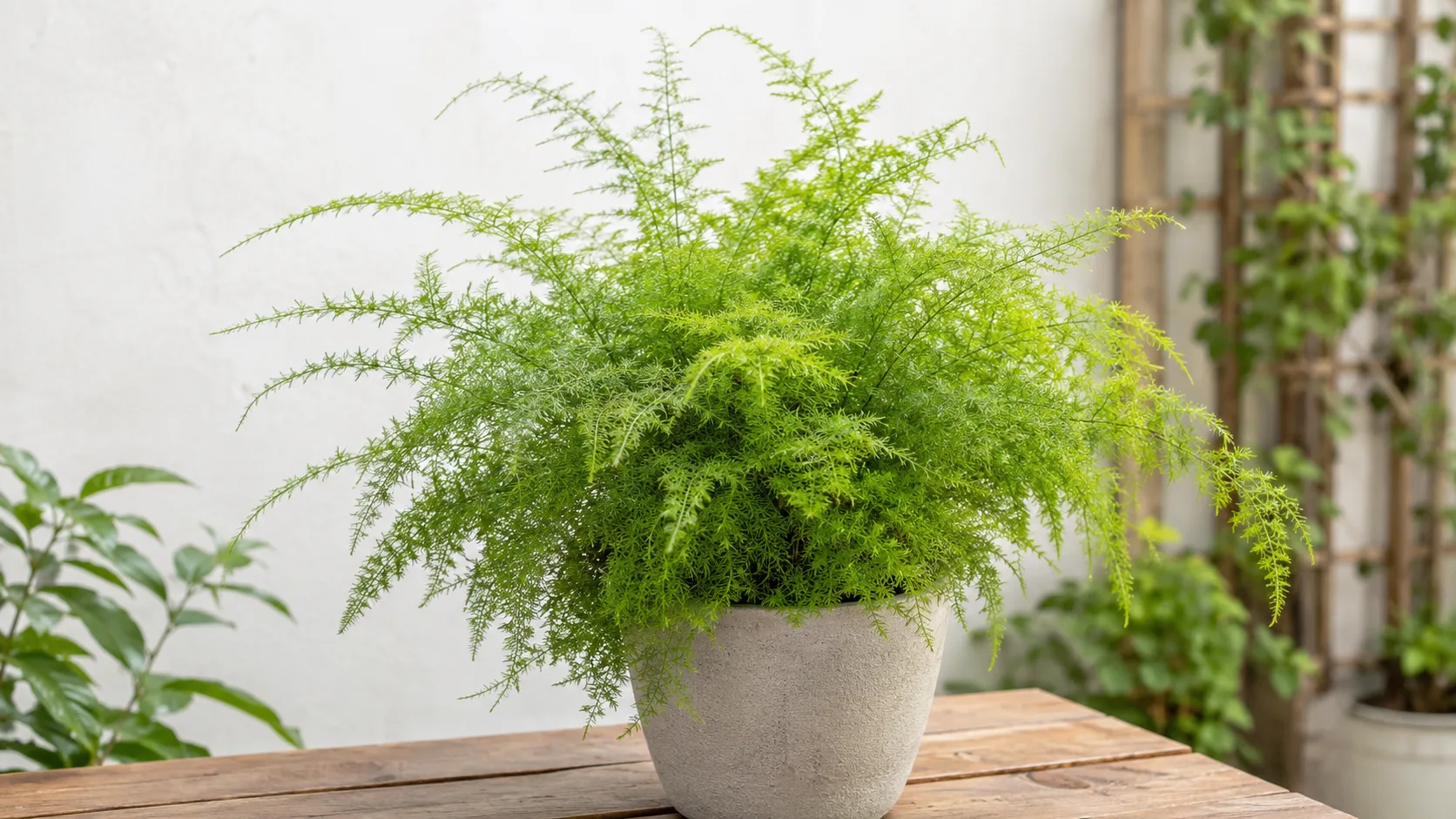
Best Soil for Asparagus Fern: Mix, Drainage & Pots
Best Soil for Asparagus Fern: Mix, Drainage & Pots
What Asparagus Fern Soil Needs to Do
The best soil for asparagus fern is not exotic or expensive. It is a light, well-drained potting mix that holds even moisture without turning the root zone into a swamp. Asparagus ferns - most often Asparagus setaceus, the fine plumosa type, or Asparagus densiflorus ‘Sprengeri’, the arching emerald form - are sold as delicate “ferns,” but they belong to the asparagus family and grow from tuberous roots that store water and energy. That root style changes what “good soil” means indoors. The mix must drain fast enough that tubers never sit in stagnant water, yet retain enough moisture that the fine cladodes (the needle-like stems that do the plant’s photosynthesis) do not crisp between waterings.
North Carolina Extension’s plant profile for Asparagus setaceus describes the species as preferring slightly acidic, well-drained, organically rich soil outdoors and, as a houseplant, a moist, well-drained, peaty potting mix. The Missouri Botanical Garden’s Plant Finder listings for both A. setaceus and A. densiflorus recommend well-drained, peaty or soil-based potting mixtures for container culture, with regular watering from spring through autumn and reduced watering in winter. Those two authoritative sources converge on the same practical idea: asparagus ferns want organic matter for moisture buffering, structure for aeration, and drainage that protects tuberous roots from rot.
Soil is not just a recipe you mix once and forget. It is the system that decides how much air, water, and recovery time your roots get after every watering. A mix that worked in a bright, warm summer room can stay too wet in a cool winter corner. A hanging basket that dried perfectly in March may need more moisture retention by August. The goal of this guide is to give you a dependable starting recipe, explain why each ingredient earns its place, show you how to test whether your current setup is working, and cover the container choices that make or break even a perfect blend.
Why Tuberous Roots Change Everything About Drainage
Most houseplant soil advice assumes fibrous roots that spread evenly through the pot and tolerate a wider moisture range. Asparagus ferns do not work that way. Beneath the soft fronds sits a network of fleshy tuberous roots - sometimes described as tuberous rhizomes - that act like small water batteries. When you forget to water for a few days, those tubers release stored moisture and the plant can look rough but recover. When you keep the mix constantly saturated, the same tubers are among the first structures to rot, and recovery is slow or impossible because the storage system itself is damaged.
That biology explains a pattern many growers recognize but misdiagnose. An underwatering on Asparagus Fern asparagus fern drops needles, looks wilted, and then bounces back after a thorough soak. An overwatered one also yellows and drops needles, but the soil stays damp, the pot feels heavy, and new growth fails to appear even after you “give it a drink.” The symptoms overlap above the soil line; the difference is oxygen at the tuber level. Tuberous roots need moisture plus air, not continuous saturation. Dense, compacted, or oversized pots that hold wet soil in the center create exactly the anaerobic conditions tubers cannot survive.
NC State Extension also notes that asparagus ferns produce large tuberous roots that can become pot bound quickly, which matters for soil choice in a second way. As roots fill a container, the mix holds less water relative to root mass, drainage paths narrow, and an once-good blend can behave like a wet sponge. Refreshing soil on a sensible schedule is part of keeping drainage predictable, not an optional cosmetic chore. Understanding tuberous roots turns soil from a static ingredient list into a living system you monitor through how fast the pot dries, how the plant responds, and whether new cladodes appear at the soil line after stress.
The Quick Answer: A Light, Well-Draining Mix
If you want the short version before the full breakdown, here it is. The best asparagus fern soil mix for most indoor growers is two parts quality peat- or coir-based potting mix plus one part perlite, blended thoroughly until the perlite is evenly distributed. That roughly 67/33 ratio lightens all-purpose mix enough for tuberous roots while keeping organic matter for even moisture. Use a pot with at least one drainage hole, sized only slightly larger than the root ball, and water when the top inch of mix feels dry to the touch - not on a fixed calendar.
Target a slightly acidic to neutral pH between 6.0 and 7.0. Most commercial potting mixes start in that range. Avoid garden soil, pure cactus mix used alone, and moisture-control potting products that hold water longer than asparagus ferns tolerate. If needles yellow while the mix stays wet, suspect drainage before you chase fertilizer or light changes. If the plant dries out so fast that you are watering every two days in a moderate home, add a little coir or vermiculite - not less perlite. The mix should feel springy and open in your hand, not sticky or dense.
That quick recipe is the baseline. The sections below explain how to adjust it for peat-free growing, dry winter air, hanging baskets, and the slightly different demands of A. setaceus versus ‘Sprengeri’. You do not need five specialty ingredients to succeed, but you do need to understand what each component is doing so you can fix the mix when your room conditions disagree with the bag’s label.
Best DIY Asparagus Fern Soil Mix Recipe
You can build an excellent asparagus fern mix from components available at any garden center. None require a specialty supplier unless you want them. The art is in the ratios and in adjusting for how fast your home dries pots.
The Standard Three-Ingredient Recipe
The most reliable DIY blend, by volume:
- 2 parts quality all-purpose or indoor potting mix (peat- or coir-based)
- 1 part perlite (coarse grade, not fine dust)
- Optional: 5–10% worm castings mixed into the base before adding perlite, for gentle slow nutrition in fresh repots
Measure by volume, not weight - a scoop of potting mix and half a scoop of perlite for each batch. Mix in a bucket or on a tarp until the white perlite is distributed throughout and no clumps of straight potting mix remain. The finished blend should look noticeably lighter than what came out of the bag. When you squeeze a moist handful, it should hold together loosely and crumble when you poke it, not form a tight mud ball.
This recipe tracks what extension and botanical garden guidance describe in plain language: a peaty potting mixture made well-drained with mineral amendment. Missouri Botanical Garden specifically recommends well-drained peaty or soil-based potting mixtures for houseplant culture of both A. setaceus and A. densiflorus. The perlite fraction is what converts a generic bag into something tuberous roots can live in long term. If your plant is in a hanging basket in a warm, bright room and dries quickly, reduce perlite slightly to 3 parts mix, 1 part perlite (75/25). If the pot stays wet more than seven days after a normal watering, push to 1 part mix, 1 part perlite (50/50) or repot into a smaller container before adding more perlite alone.
Peat-Free Coir-Based Alternative
Growers avoiding peat can build an equally effective blend:
- 2 parts coconut coir (rehydrated and fluffed, not compressed brick used dry)
- 1 part perlite or pumice
- 1 part quality potting mix or pine bark fines for structure
- Optional: small handful of worm castings per quart of mix
Coir rewets more easily than aged peat and tends toward neutral pH, which suits asparagus ferns well. NC State lists coir as a sustainable peat alternative with near-neutral pH in related houseplant contexts. The trade-off is that some coir products hold more water than peat in cool rooms; if the surface stays damp for days, increase perlite before you increase coir. A practical peat-free starting point is 40% coir, 30% perlite, 20% potting mix, 10% bark fines by volume, adjusted after two weeks of watching dry-down speed.
Core Ingredients and What Each One Does
Stop thinking in brand names and start thinking in functions. Each ingredient should have a job. When you know the job, adjusting the mix for your home becomes logical instead of guesswork.
Perlite, Pumice, and Coarse Sand
Perlite is expanded volcanic glass - lightweight, white, porous, and pH-neutral. In asparagus fern soil its primary role is creating permanent air space and improving drainage without decomposing. It prevents the organic fraction from compacting into a dense mat around tubers. Coarse perlite (#2–3 grade) works better than fine dust that floats to the surface and contributes little structure.
Pumice is a heavier volcanic rock with similar aeration benefits. It stays in the mix longer without floating and is a good perlite substitute if you repot infrequently or use large hanging baskets where stability matters. Either perlite or pumice at 25–33% of total volume is the target range for most indoor asparagus ferns.
Coarse sand can substitute for part of the perlite in a pinch, especially in peat-free blends that need weight. Use clean horticultural or builder’s sand labeled for garden use, not fine play sand that packs tight. Sand improves drainage but adds less air space than perlite, so do not swap one for one unless you also increase bark or perlite elsewhere. A blend using 10% coarse sand plus 20% perlite is a reasonable compromise when perlite alone feels too light in outdoor summer containers.
Peat Moss and Coconut Coir
Sphagnum peat moss is the traditional moisture-holding base in the “peaty potting mixture” both Missouri Botanical Garden and NC State describe. It absorbs water into fibers, releases it slowly, and contributes natural acidity that keeps most asparagus ferns in a comfortable pH band. The drawback is that peat can become hydrophobic when allowed to dry completely for long periods, repelling water until you soak the pot thoroughly. It also compacts over two to three years, which is why refreshing mix matters even when the plant has not outgrown its pot.
Coconut coir holds moisture similarly but rewets more readily and starts closer to neutral pH. It is an excellent peat substitute when buffered and rinsed according to the product label. Coir-heavy mixes in cool, low-light rooms sometimes stay wet longer than peat-based ones; compensate with extra perlite rather than assuming coir always drains faster. Neither peat nor coir should dominate the mix without aeration amendment - they are moisture buffers, not complete substrates on their own.
Pine Bark Fines and Worm Castings
Pine bark fines (small screened bark particles, roughly ¼ inch) add structure that resists compaction longer than peat alone. They create air channels and mimic the open, organic surface debris asparagus relatives encounter in their native scrubby habitats in southern Africa. Bark is optional for a simple two-ingredient-plus-perlite mix but valuable if you keep plants in the same pot for three or more years or if you tend toward heavy watering.
Worm castings at 5–10% of total volume add gentle nutrition and microbial activity without the salt shock of heavy synthetic prills in fresh mix. They are not required - asparagus ferns are not heavy feeders - but a small inclusion reduces early repot stress. Do not exceed 10%; castings hold moisture and nutrients, and too much shifts the mix toward density.
Can You Use Regular Potting Soil?
Yes, but almost never straight from the bag without amendment. Standard all-purpose potting mix is engineered for a wide range of houseplants and often skews finer, peat-heavier, and slower to dry than asparagus fern tubers tolerate in typical indoor pots. Used alone in a plastic pot in a cool room, it frequently stays wet long enough to trigger root rot on Asparagus Fern while the surface looks merely “evenly moist.”
The fix is not a different brand every month. The fix is 25–33% perlite by volume mixed in thoroughly before potting, as described in the standard recipe above. If you already have a healthy asparagus fern in unamended potting mix and it is growing well - new cladodes appearing, soil drying on a predictable rhythm, no sour smell - do not repot purely for ideology. Watch and test. If water sits on the surface, the pot feels heavy days after watering, or lower fronds yellow while the mix stays damp, amend at the next repot or refresh sooner.
African violet mix and fern-labeled bagged mixes are closer to the target texture out of the bag because they are already lightened with perlite or vermiculite. They can work as the “potting mix” portion of the 2:1 recipe without additional amendment, though you should still confirm drainage behavior in your conditions. Cactus or succulent mix used alone is usually too fast-draining for asparagus ferns unless you blend it 1:1 with coir or peat-based mix to restore moisture buffering. Straight cactus mix in a small hanging basket in air conditioning often forces a Asparagus Fern watering guide that is hard to maintain without stress.
Miracle-Gro Indoor Potting Mix, Espoma Organic potting mixes, and similar mainstream products are fine as the organic base once perlite is added. Avoid moisture-control or water-retaining formulas with polymer crystals; asparagus ferns fail from excess moisture far more often than from drought indoors.
pH Targets and Mineral Buildup
Asparagus ferns prefer slightly acidic to neutral soil, generally in the 6.0 to 7.0 range. NC State’s cultural notes list acid to neutral pH for A. setaceus, and most peat- or coir-based potting mixes fall naturally within that band when fresh. You rarely need to chase pH with lime or sulfur unless you are mixing from raw peat without adjustment or using extremely hard tap water and fertilizing heavily.
pH matters because it controls nutrient availability. When pH drifts too alkaline - common in older mixes repeatedly watered with hard water - iron and other micronutrients become less available, and you may see yellowing cladodes even when watering seems correct. When pH is far too acidic without buffering, growth can stall. For most home growers, texture and drainage behavior are better diagnostic tools than test strips, but a cheap pH meter or strip is worth using if you see persistent yellowing despite good light and a sensible watering rhythm.
Salt buildup from tap water minerals and fertilizer is a separate issue. White crust on the pot rim or soil surface, brown leaf tips despite adequate humidity, and slowed growth after years in the same mix can signal soluble salts accumulating. Flush the pot occasionally by watering until excess runs freely from the drainage hole for several minutes, or refresh the mix entirely at Asparagus Fern repotting guide. Avoid compensating for salt stress by adding more fertilizer; that worsens the cycle. If your tap water is very hard, using filtered or rainwater for sensitive A. setaceus specimens in small pots reduces long-term mineral load in the mix.
Container Choice, Pot Size, and Drainage
Soil and container work as a pair. The best mix in a pot with no exit path for water still fails. An oversized decorative pot still holds wet unused soil even if the blend is perfect.
Choose a container only slightly larger than the root ball - typically one to two inches wider in diameter than the mass of tubers and mix you see when you slide the plant out. Asparagus ferns grow rapidly and become pot bound, but jumping from a 6-inch nursery pot to a 12-inch ceramic bowl “so it has room to grow” leaves a ring of wet soil the roots never reach. That ring stays anaerobic and pulls the whole system toward rot. Hanging baskets for A. setaceus should be proportional to the root mass, not the trailing frond length; a full-looking basket can still have a modest root zone that needs a small, well-drained volume.
Terra cotta breathes through porous walls and dries faster than plastic - useful if you tend to overwater or keep plants in cool rooms. Plastic retains moisture longer, which helps in dry winter air but demands sharper drainage amendment if you are a heavy waterer. Glazed ceramic behaves like plastic regarding moisture retention; treat it the same way for mix ratios. Whatever material you choose, elevate the pot slightly on feet or a saucer with pebbles so air reaches the drainage hole; sitting flat on a wet saucer can wick water back into the mix.
Match pot depth to root habit. Asparagus ferns spread tubers horizontally more than they dive deep. Shallow, wide baskets suit trailing A. setaceus; slightly deeper pots suit bushy ‘Sprengeri’ that fills a shelf. Avoid tall narrow cylinders that hold a column of wet mix below a small root zone.
Why Drainage Holes Are Non-Negotiable
A drainage hole is not optional for long-term indoor asparagus fern care. It is the minimum infrastructure that lets excess water leave the pot after a full watering. Without it, water pools at the bottom, tubers sit in saturated mix, and oxygen drops within days. Nursery pots with holes slipped inside decorative cachepots work well only if you empty the cachepot after watering and never let the inner pot sit in standing water.
The myth that gravel or pot shards in the bottom “improve drainage” does not hold up in container physics. A layer of coarse material at the bottom creates a perched water table at the boundary with finer mix above; it does not eliminate saturation, and it reduces usable root volume. Drainage comes from light mix texture and an open hole, not from rocks under the soil. If water pools in a saucer, discard it. If you must use a hole-less decorative container, treat the plant as a temporary display and return it to a functional pot within days.
For hanging baskets, confirm the liner or moss basket has visible exit points and that mix does not wash out while still allowing water to escape. A basket that looks charming but traps water at the bottom will yellow an asparagus fern faster than mediocre soil in a proper pot.
How to Test Whether Your Mix Is Working
You do not need a laboratory. Two quick home tests tell you most of what matters.
The wet squeeze test. Take a handful of slightly moist mix from the middle of the pot, not just the surface. Squeeze firmly. A good asparagus fern blend holds its shape briefly, then crumbles when you poke it. If water streams out like wringing a sponge, it may be too wet at the moment or too dense overall. If it falls apart instantly and feels dusty, it is too coarse or too dry for Asparagus Fern overview without adding coir or potting mix. If it stays in a tight muddy clump, add perlite at repotting.
The one-minute drainage check. Water the pot thoroughly until excess runs from the hole. Watch the surface. Water should sink in within seconds, not pool for minutes. Pick up the pot ten minutes later; it should feel lighter than immediately after watering but not bone dry. Within 24 to 48 hours in a typical indoor room, the top inch should approach dryness if the pot size is appropriate. If the top stays visibly wet for a week with no growth response, the mix, pot size, or light is holding moisture too long.
Plant signals confirm what the mix tells you. Healthy asparagus fern soil produces firm new cladodes, even green color without widespread yellowing, and predictable drying rhythm. Yellow needles that drop after the mix has stayed wet for days point to root stress. Crispy brown tips with mix that pulls away from the pot sides point to drought or hydrophobic peat. A sour or swampy smell from the drainage hole means oxygen has been low too long and the mix needs replacement, not another splash from the watering can.
When to Refresh, Repot, or Replace the Mix
Asparagus ferns do not need annual repotting, but they outgrow soil faster than many houseplants because tubers expand and because peat-based mixes decompose. A practical default is to refresh or repot every two to three years, ideally in spring or early summer when new growth is active. NC State notes that tuberous roots can become pot bound quickly; roots circling the surface, protruding from drainage holes, or cracking thin plastic pots are clear signals to repot regardless of calendar.
Repot sooner if water runs straight through the pot without wetting the root ball - often hydrophobic or broken-down peat - or if the mix stays wet for more than seven to ten days after a normal watering in a pot with a drainage hole. Refresh sooner if you see white salt crust, smell sour soil, or notice yellowing and drop despite care that previously worked. If you suspect active root rot, repot immediately: remove the plant, trim black mushy tubers with clean scissors, discard all old mix, and repot into fresh dry blend before watering lightly after a day.
When upsizing, move up one pot size, not three. If the root mass fits comfortably with an inch of room around it, you can replace mix in the same pot - often the better choice for a large specimen. Tease apart crowded outer tubers gently if you divide; each division needs its own well-drained mix and proportional pot. Do not repot a severely stressed plant unless the soil itself is clearly the problem; stabilize watering first when the issue is environmental rather than root-bound.
Common Soil Mistakes That Kill Asparagus Ferns
Several failure patterns repeat, and soil is usually involved.
Using dense potting mix without perlite is the most common slow-motion mistake. The plant looks fine for months, then yellows, drops needles, and stops producing new cladodes while the mix stays damp. Amendment at repot is cheaper than replacing the plant.
Overpotting into a large decorative container leaves unused wet soil around the root zone. The grower waters on schedule because the surface looks dry while the center stays saturated. Match pot to roots, not frond spread.
Cachepots and saucers holding standing water recreate bog conditions. Empty saucers after watering. Never let the inner pot sit submerged.
Gravel layers at the bottom waste root space and do not fix dense mix above. Fix the blend instead.
Garden soil or outdoor topsoil in pots compacts, introduces pathogens, and destroys aeration within weeks. Asparagus ferns in containers need potting media, not yard dirt.
Never refreshing old mix lets good soil become a compacted, hydrophobic mat. If water beads on the surface and runs down the sides while the root ball stays dry, replace the substrate entirely.
Chasing yellow needles with fertilizer while the root zone stays wet adds salt injury to oxygen stress. Fix drainage and pot size first; fertilize lightly only when new growth confirms recovery.
Moisture-control potting mixes keep the root zone wet longer than asparagus ferns tolerate. They solve the wrong problem for this species indoors.
Species Differences: setaceus vs Sprengeri
The name “asparagus fern” covers more than one species, and soil behavior shifts slightly between the most common indoor types.
Asparagus setaceus - plumosa, lace, or climbing asparagus fern - has very fine cladodes and wiry stems that scramble or trail. It is often grown in hanging baskets where mix dries faster along the exposed surface. The standard 2:1 potting mix to perlite recipe works well; in very dry, bright conditions you might lean to 3:1 for slightly more moisture retention. A. setaceus is somewhat less drought-tolerant in appearance than ‘Sprengeri’ - it shows stress quickly - but still rots in soggy mix. Missouri Botanical Garden notes it is easily grown as a houseplant in well-drained peaty or soil-based mixtures with Asparagus Fern light guide.
Asparagus densiflorus ‘Sprengeri’ - Sprenger’s asparagus fern - has denser, coarser cladodes on arching stems and slightly more forgiving tubers regarding short dry spells. Outdoors, Missouri Botanical Garden describes it in organically rich, consistently moist but well-drained soils in part shade. Indoors, the same peaty, well-drained potting mixture applies. ‘Sprengeri’ can tolerate a slightly heavier mix - closer to 3:1 rather than 1:1 - in dry homes, but it still needs a drainage hole and cannot sit wet. It becomes pot bound aggressively; refresh mix when tubers crowd the pot even if fronds still fit the shelf aesthetically.
Asparagus densiflorus ‘Myersii’ (foxtail fern) shares ‘Sprengeri’ soil preferences: rich, moist but drained, peaty potting mix indoors. All three are not true ferns and share tuberous root biology; the adjustments between species are fine-tuning, not different philosophies. When in doubt, prioritize drainage over moisture retention and increase watering frequency slightly rather than using a denser mix.
Conclusion
The best soil for asparagus fern is a light, well-drained, peaty or coir-based potting mix amended with 25–33% perlite, in a pot with a drainage hole sized only slightly larger than the tuberous root mass. Missouri Botanical Garden and NC State Extension both point to moist, well-drained, peaty potting mixtures for container culture; your job at home is to make “well-drained” real by adding perlite, choosing an appropriate pot, and refreshing mix before it compacts. Target pH 6.0–7.0, avoid garden soil and moisture-control blends, and test your setup with a wet squeeze and a one-minute drainage check after watering. Adjust toward 50/50 mix and perlite if the pot stays wet too long; adjust toward 3:1 if it dries too fast in a hanging basket. Repot or refresh every two to three years, or sooner when roots crowd the pot or the mix smells sour. Get the soil system right - texture, container, and timing - and watering, needle color, and recovery from stress all become much easier to manage.
When to use this page vs other Asparagus Fern guides
- Asparagus Fern overview - Start here for whole-plant context before deep-diving this topic.
- Asparagus Fern problems hub - Jump to symptom-specific fix guides when this care topic does not resolve the issue.
- Root Rot on Asparagus Fern - Escalate here when soil adjustments are not enough.
- Mold on Soil on Asparagus Fern - Escalate here when soil adjustments are not enough.