How to Propagate Asparagus Fern: Division and Seeds
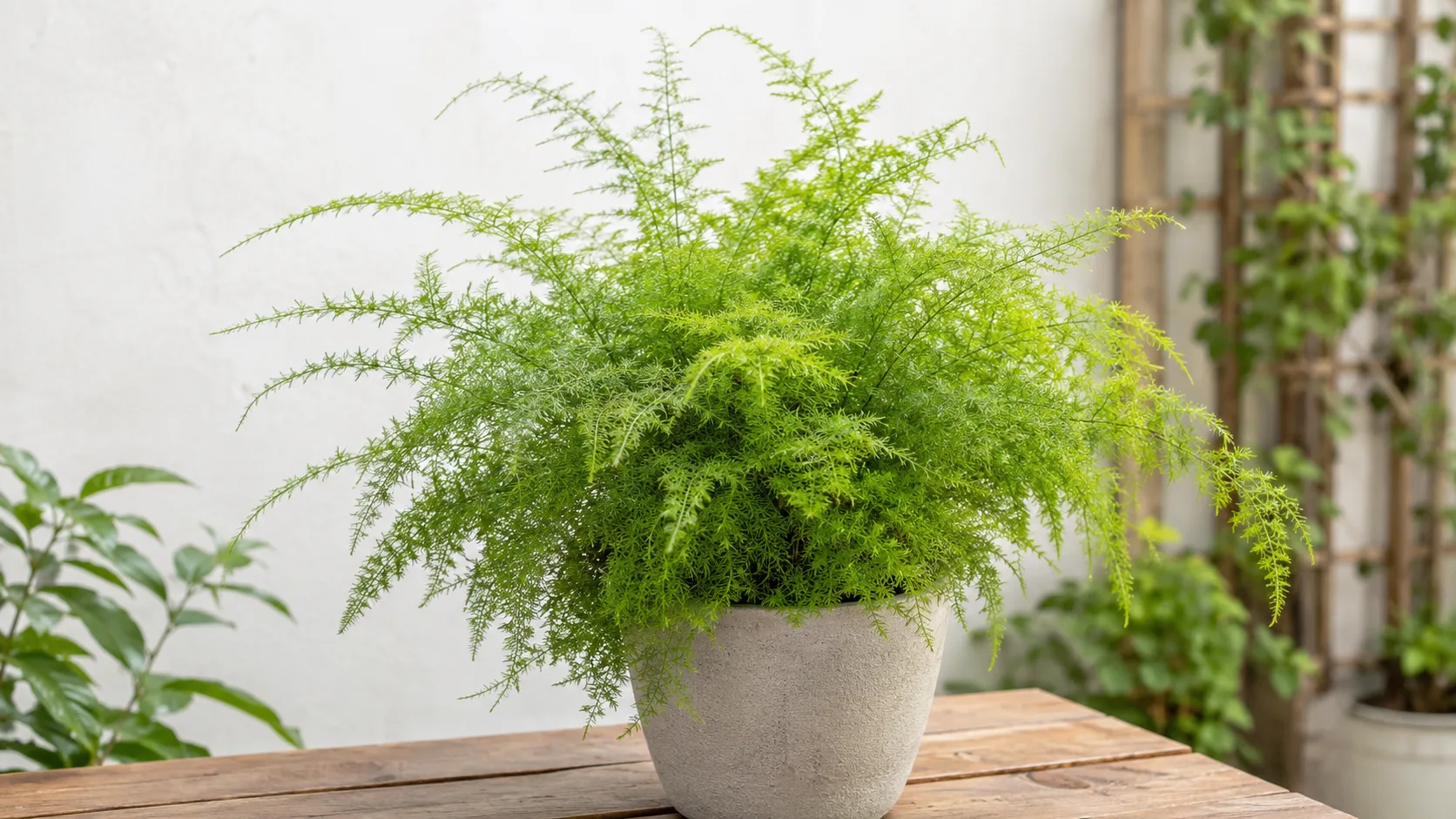
How to Propagate Asparagus Fern: Division and Seeds
How to Propagate Asparagus Fern: Division and Seeds
Asparagus fern propagation works best through division of tuberous roots at Asparagus Fern repotting guide or, less commonly, by growing plants from seeds collected from ripe berries. Those are the two methods that reliably produce new plants. Stem cuttings placed in water or moist soil usually fail because the feathery “fronds” are cladodes - flattened stems - and they do not carry the tuberous root tissue the plant needs to restart. If you have been trying to root a single spray in a glass jar, that is probably why nothing happened.
This guide walks through both reliable paths: how to divide an established plant without killing it, and how to handle seeds if your plant flowers and sets berries. It also explains when to wait, what each new piece needs to survive, and the aftercare that keeps freshly divided plants from collapsing in the first month. The focus is on the houseplants most often sold as “asparagus fern” - Asparagus setaceus (plumosa or lace fern) and Asparagus densiflorus ‘Sprengeri’ - though the same division logic applies to close relatives such as foxtail fern (A. densiflorus ‘Myersii’).
What Asparagus Fern Propagation Actually Means
Propagation means creating a new plant from an existing one. For asparagus fern, that almost always means splitting the tuberous root system so each section has enough stored energy and attached growth to live on its own. The North Carolina Extension Gardener Plant Toolbox notes that asparagus fern is “best propagated by division or seeds” and that it produces large tuberous roots that can become pot bound quickly. That single sentence tells you most of what you need to know: the roots are the engine, and the plant outgrows pots fast enough that division is a normal part of care, not an exotic experiment.
What propagation does not mean, for Asparagus Fern overview, is treating it like a pothos or tradescantia. You cannot snip a soft tip, drop it in water, and expect roots followed by a full plant. The wiry stems emerge from tubers buried in the soil. Cut a stem off without its tuber, and you have a decorative cutting that may stay green for a while and then decline. The Missouri Botanical Garden’s guidance for related asparagus ferns describes propagation by seed or division (separate tubers) - not by stem cuttings (Missouri Botanical Garden).
Understanding that distinction saves weeks of frustration. Asparagus fern is an Asparagaceae relative of edible asparagus, not a true fern. True ferns reproduce by spores; asparagus ferns reproduce by seed and by vegetative division of their storage roots. Once you think in terms of tubers rather than nodes, the right method becomes obvious.
Why Stem Cuttings and Water Propagation Usually Fail
The internet is full of generic houseplant advice: “take a cutting, put it in water, wait for roots.” That workflow works on plants whose stems contain regenerative tissue at nodes. Asparagus fern does not behave that way. Epic Gardening states plainly that asparagus fern “won’t grow roots from stem cuttings” and that division of tuberous roots is the quickest reliable method (Epic Gardening). The Spruce gives the same guidance: dig up and divide the tuberous root clump in spring, ensuring each section has roots and crown tissue with growing shoots (The Spruce).
A cladode spray floating in water has no tuber attached. It may absorb water and look fine briefly, but it cannot produce a new crown or a new network of storage roots from stem tissue alone. Water propagation fails for the same reason leaf propagation fails on most plants without specialized structures: the cutting lacks the meristematic tissue programmed to build a whole new plant. If someone shows you a “rooted” asparagus fern stem, look closely - there is often a tiny piece of tuber still attached, or the “success” is temporary.
That does not make asparagus fern difficult. It makes it specific. Match the method to the plant’s anatomy and propagation becomes straightforward.
The Two Reliable Methods: Division and Seed
Division is the method most home growers should use. You unpot a healthy plant, separate the root mass into two or more sections with foliage and tubers attached, and repot each section. BBC Gardeners’ World describes this as the simplest approach: divide the rootball in spring when repotting, with each section keeping a piece of root (BBC Gardeners’ World). Done correctly, you can double or triple your stock in an afternoon. The new plants are genetically identical to the parent, so a favorite form - the fine plumosa look of A. setaceus or the arching habit of ‘Sprengeri’ - is preserved.
Seed propagation is the second valid path. Mature plants can flower and produce berries; each berry holds one to three seeds. Seeds can be cleaned, pre-treated, and sown on the surface of moist mix. Plants for a Future recommends sowing seed as soon as ripe, pre-soaking for 12 hours in warm water, and expecting germination in 3–6 weeks at about 25°C (77°F) (Plants for a Future). Seed propagation is slower and less predictable indoors, but it is the only way to produce large numbers of plants or to grow from berries you did not buy as a division.
Neither method requires a greenhouse. Both require clean tools, a well-draining mix, Asparagus Fern light guide, and patience - more patience for seed, less for division.
Know Your Plant Before You Divide It
Before you cut into a rootball, it helps to know which asparagus fern you are working with. The common name hides several species. Care differences are modest indoors, but berry color, growth habit, and invasiveness risk are not.
Asparagus setaceus is the fine, lace-like plumosa fern sold in hanging baskets. It climbs and scrambles when given support, with wiry stems and very soft-looking cladodes. Berries on mature plants ripen to black or bluish-black. Asparagus densiflorus ‘Sprengeri’ has denser, emerald needle-like cladodes on arching stems and produces bright red berries when it fruits. Foxtail fern (A. densiflorus ‘Myersii’) is a related upright form with fewer berries, which matters if you are hoping to collect seed.
All of these plants build the same kind of tuberous root system - thick, water-storing roots that let the plant survive short droughts and also explain why an over-watered asparagus fern collapses so fast when those tubers rot. The University of Wisconsin Horticulture notes that the genus Asparagus includes roughly 300 species from southern Africa, with tuberous roots as a defining feature of many ornamental forms. When you divide, you are separating those storage organs, not just teasing apart fine fibrous roots like you might on a fern.
Asparagus setaceus vs. Sprengeri Propagation Notes
For propagation purposes, the practical differences are small. Both divide the same way in spring. Both want each division to keep multiple tubers and a cluster of living stems. Both resent being broken into tiny fragments without enough root volume.
The differences show up after propagation. A. setaceus often looks sparse for a few weeks after division because its cladodes are fine and losses are more visible. ‘Sprengeri’ tends to look fuller faster thanks to denser foliage, but its stems carry small spines at the leaf axils, so wear gloves when handling divisions. If you are propagating for hanging baskets, A. setaceus divisions recover into a trailing shape quickly once new shoots emerge. If you want a mounding tabletop plant, ‘Sprengeri’ divisions are usually the better stock.
On seed: berry color helps you confirm species, but seed handling is similar - clean pulp off the seeds, scarify lightly, soak, surface-sow in light. The bigger limitation is not species identity. It is whether you have both male and female plants flowering, because asparagus ferns are dioecious. A lone houseplant may never set seed at all.
When to Propagate Asparagus Fern
The best time to propagate asparagus fern is spring through early summer, when the plant is in active growth. Light levels are rising, temperatures are stable, and the plant can repair root damage and push new cladodes. Gardenia.net and multiple extension-style sources align on spring division as the standard window (Gardenia). The Spruce specifically recommends digging up and dividing in spring (The Spruce).
The easiest timing trick is to combine division with repotting. Asparagus ferns become root-bound quickly; tuberous roots can crack plastic pots. If the plant is circling the pot, drying out unevenly, or pushing growth only at the edges, you already need a repot. Splitting at that moment is less stressful than disturbing roots twice in one season.
Avoid propagating during stress. Do not divide a plant that was just shipped, recently treated for spider mites, sitting in soggy soil, or dropping yellow cladodes from severe underwatering on Asparagus Fern. Stabilize the parent first. Propagation multiplies whatever condition the plant is in - healthy vigor or active decline.
For seed, collect berries when fully ripe - red on ‘Sprengeri’, black on A. setaceus - and sow as fresh as possible. Older dry seed germinates more slowly. Late winter sowing under grow lights can work if you can keep soil warm, but most home growers have better results starting in spring.
What You Need Before You Start
You do not need specialized propagation gear. You need a healthy parent plant, clean sharp tools, gloves, appropriately sized pots with drainage, and a well-draining potting mix. A table covered with newspaper or a tarp helps, because dividing asparagus fern is messy. Soil falls away from tubers, cladodes shed, and the root mass is denser than it looks from above.
Tools, Pots, and Potting Mix
Tools: sharp pruning shears or a clean knife, a hori-hori or trowel for loosening the rootball, gloves (stems can scratch), and optionally a soft brush to remove old soil from tubers so you can see natural split lines. Disinfect blades with rubbing alcohol if you recently cut diseased plant material.
Pots: choose containers only one size larger than what each division needs. A common mistake is potting a small division into a huge pot “so it can grow.” Excess soil holds moisture around a reduced root system and invites rot. For a modest division, a 4–6 inch pot is often enough. Every pot must have drainage holes.
Mix: use a loose, well-drained houseplant mix. NC State Extension recommends moist, well-drained, peaty potting mix for asparagus fern indoors (NC State Extension). Adding perlite or coarse bark improves aeration around tubers. Straight garden soil compacts and stays wet too long. The goal is even moisture with oxygen - not a swamp.
Optional extras: a humidity tray or humidifier if your air is dry, a clear bag or dome only if you need to reduce transpiration the first week (not sealed tight), and labels if you are running multiple divisions so you remember the date.
Water the parent plant one day before dividing. Hydrated tubers handle stress better than brittle, dusty roots on a drought-stressed plant.
How to Propagate Asparagus Fern by Division
Division is the method you want if you have one healthy plant and need another for a friend, a backup pot, or a second hanging basket. The process is physical rather than technical: expose the tubers, find natural seams, separate, repot, and wait.
Step-by-Step Division at Repotting
Step 1 - Remove the plant from its pot. Tip the pot on its side and squeeze flexible pots to loosen the rootball. For rigid pots, run a knife around the inside edge. Pull by the root mass, not by yanking stems. Cladodes break easily.
Step 2 - Shake off excess soil. Work gently with your fingers or a soft brush until you can see tuberous roots and where stems emerge from the crown. You are looking for natural clusters: groups of stems sharing a connected root mass.
Step 3 - Identify split points. Good divisions follow biology, not geometry. Each piece should have multiple tubers, plenty of fibrous roots, and a tuft of green stems with growing tips. Avoid splitting through the middle of a single tuber if you can; follow seams between clusters.
Step 4 - Separate the sections. Small plants often pull apart by hand once soil is removed. Larger rootballs may need a clean knife. Cut decisively through connecting roots rather than tearing, which damages more tissue. Each division should feel like a small plant, not a single stem with one lonely tuber.
Step 5 - Repot immediately. Place each division at the same depth it grew before. Bury tubers in mix but do not plant stems deeper than they were originally. Firm mix gently to remove large air pockets without compressing it.
Step 6 - Water thoroughly once. Let excess drain freely. Do not water again until the top inch of mix feels dry unless the plant wilts in very dry air - then use small sips, not soaks.
Step 7 - Place in bright indirect light. Avoid direct sun on freshly divided plants. A north or east window, or a few feet back from a south window, is appropriate. The Spruce recommends keeping divisions shaded until new growth begins (The Spruce).
How Large Each Division Should Be
Bigger divisions survive better. A section with at least three to five stems and a handful of tubers is a sensible minimum for beginners. Tiny pieces with one stem and a marble-sized tuber can work in expert hands but fail often in average home conditions because they lack stored energy to ride out transplant shock.
If you only need two plants, split a large specimen in half rather than into six micro-divisions. You can always divide again next spring once each half has refilled its pot. Asparagus fern grows quickly when happy; patience beats greed.
When the parent is unhealthy but you want to salvage something, take only the firmest sections with white or tan tubers. Discard black, mushy, or hollow roots. Disinfect tools between cuts if rot is present.
Aftercare for Newly Divided Plants
The first four weeks after division are when most failures happen. The plant has fewer roots relative to foliage, disrupted tubers, and no patience for experimentation.
Light: bright indirect light, stable from day to day. Do not move divisions between rooms every few days. Insufficient light causes yellowing and drop; harsh direct sun scorches thin cladodes.
Water: keep mix evenly moist but not waterlogged. Asparagus fern hates drying to dust, but fresh divisions are more rot-prone than established plants. Check with your finger at the top inch. Water when it feels dry, using enough that a little drains out, then stop. Empty saucers so the pot is not sitting in water.
Humidity: target 40–60% if you can. Dry air increases transpiration from stressed foliage. A pebble tray, grouped plants, or a small humidifier helps more than misting, which evaporates quickly and can encourage foliar issues if leaves stay wet overnight.
Temperature: NC State Extension lists a comfort range of about 55–70°F (13–21°C) for asparagus fern (NC State Extension). Avoid cold drafts from AC vents or winter windowsills. Heat spikes above 85°F with dry air can also stress recovering plants.
Fertilizer: skip feed for the first six to eight weeks. New roots need to establish before you ask for pushed growth. After that, a diluted balanced houseplant fertilizer at half strength during active growth is enough.
What success looks like: slight wilt the first few days can be normal. New bright green shoots emerging from the crown within two to four weeks is the real sign the division took. Old cladodes may yellow and drop; focus on new growth, not perfect fullness on day three.
What failure looks like: widespread yellowing with wet mix (overwatering on Asparagus Fern), crisp brown tips with dry mix (underwatering), mushy tubers at the soil line (rot), or a division that shrinks without new shoots for six weeks (too small or too stressed). Unpot and inspect rather than guessing.
How to Grow Asparagus Fern From Seed
Seed propagation is slower than division but rewarding if you want many plants cheaply or you have ripe berries on a mature specimen. Treat it as a separate project with its own timeline, not a quick side task during repotting.
Collecting and Cleaning Seeds From Berries
Asparagus ferns must flower and fruit before you have seeds. Indoors, flowering is sporadic - small white to pale pink blooms on racemes - and plants are dioecious, meaning male and female flowers occur on separate plants. If you only own one plant, you may never see berries. If you have multiple plants that flower, look for berry development only on female plants after pollination.
Harvest berries at full ripeness: red on ‘Sprengeri’, black or bluish-black on A. setaceus. Crush berries gently and rinse seeds under running water to remove pulp. Pulp inhibits germination and can mold. Let cleaned seeds air-dry on a paper towel for a day if you are not sowing immediately, though fresh seed is ideal.
Safety note: berries are toxic to cats and dogs if eaten, per the ASPCA. Wear gloves when handling crushed fruit, keep seeds away from pets and toddlers, and do not compost berries outdoors in climates where asparagus fern is invasive.
Scarifying, Soaking, and Sowing on the Surface
Asparagus fern seeds have a hard coat. The Spruce recommends scarifying and soaking seeds overnight before sowing (The Spruce). Scarification means lightly abrading the seed coat with fine sandpaper or nicking it carefully so water can enter. Soak scarified seeds in room-temperature water for 12 hours, matching Plants for a Future’s pre-soak guidance (Plants for a Future).
Fill a shallow tray or small pots with moist, well-drained seed-starting mix. Press seeds onto the surface and do not bury them deeply. These seeds need light to germinate. A dusting of fine vermiculite is fine; a half-inch of soil on top is not.
Cover the tray with a clear dome or plastic wrap to hold humidity, but vent daily to prevent mold. Place in bright indirect light or under gentle grow lights. Keep mix warm - about 24–27°C (75–80°F) speeds germination. A heat mat helps if your room is cool. Expect sprouts in 3–6 weeks, sometimes longer on older seed.
Seedling Care and When to Transplant
When seedlings emerge, remove the dome for longer periods each day to harden them off against stagnant air. Keep mix consistently moist with a spray bottle or bottom watering - seedlings lack tubers and dry out faster than mature plants, but they also drown easily in soggy medium.
First growth will not look like mature plumosa foliage immediately. True leaves on asparagus seedlings are reduced scales; the familiar cladode sprays develop as plants mature. Do not discard slow seedlings because they “do not look like ferns yet.”
Transplant when seedlings have several sets of growth and are large enough to handle without crushing - often 8–12 weeks after germination, sometimes longer under low light. Move each seedling into a small individual pot with the same well-drained mix you use for adults. Bury only the root zone, not the delicate crown.
Grow seedlings in bright indirect light, the same humidity and temperature band as established plants, and avoid fertilizer until they look sturdy. Asparagus fern seedlings are not fast trees; they are slow furniture for the patient grower. Division will always beat seed on speed. Seed wins on scale and curiosity.
Division vs. Seed: Which Method Should You Choose?
Choose division if you have a healthy plant, you want a clone of a form you already like, and you want the fastest path to a full-looking pot. Division gives you a plant with tubers and foliage on day one. Recovery is measured in weeks, not months.
Choose seed if you have ripe berries or purchased seed, you want multiple plants cheaply, or you are experimenting and do not mind variable results. Seed introduces genetic variation - seedlings may differ slightly in vigor and habit. Indoors, seed is often impractical because berries are uncommon without both male and female plants.
Avoid stem cuttings and water jars unless you enjoy experiments with low odds. They are not the “beginner method” for this species; they are a common trap because the plant looks like other easy houseplants.
Avoid propagating a sick parent to “save” it. Fix watering, pests, or rot first, then divide clean tissue. Propagation is backup and multiplication, not emergency surgery on a dying rootball.
Common Propagation Mistakes and How to Fix Them
Dividing too small. If a division keeps wilting despite correct water and light, it may lack tuber mass. Combine it with another piece or repot the parent and wait until next spring for a larger split.
Overwatering after repotting. Wet mix around damaged tubers causes rot fast. Let the top inch dry between waterings. If tubers are mushy, discard affected sections and repot firm tissue into fresh dry mix, then water lightly.
Keeping divisions in deep shade. “Shaded until new growth” does not mean a dark closet. It means no direct sun. Dim corners cause energy loss and yellow drop.
Planting too deep. Buried crowns suffocate. Match the original soil line on stems.
Expecting seed from one indoor plant. Without female flowers and pollination, berries never form. Division is your realistic path.
Ignoring spines and toxicity. Wear gloves when dividing ‘Sprengeri’. Keep berries and seeds away from pets. The ASPCA lists asparagus fern as toxic to cats and dogs (ASPCA).
Discarding outdoor seed casually. In warm climates, birds spread asparagus fern seed and plants become invasive. UF IFAS and CABI document invasive behavior in Florida, Hawaii, and other regions. Dispose of seed and berries in trash, not compost or garden beds, if you live where the plant can escape.
Checking roots daily. Repeated unpotting breaks fragile new roots. Watch foliage and soil moisture instead.
Conclusion
Propagating asparagus fern is straightforward once you stop treating it like a stem-cutting plant. Division at spring repotting is the reliable method for most growers: expose the tuberous roots, split the clump into sections with multiple stems and healthy tubers, repot in well-drained mix, and give bright indirect light with careful watering until new growth appears. Seed propagation is the secondary path for those with ripe berries or purchased seed - clean, scarify, soak, surface-sow in light, and wait three to six weeks for germination in warm, humid conditions.
If your only experience so far is a cladode in a water glass, start over with a division. If your plant is pot-bound and pushing new shoots every spring, you already have the raw material for two or three strong plants in one session. Match the method to the tubers, time it for active growth, and let the first month be boring. Boring aftercare is what turns a split rootball into a full, feathery plant worth hanging in the window.
When to use this page vs other Asparagus Fern guides
- Asparagus Fern overview - Start here for whole-plant context before deep-diving this topic.
- Asparagus Fern problems hub - Jump to symptom-specific fix guides when this care topic does not resolve the issue.
Related Asparagus Fern guides
- Asparagus Fern overview
- Asparagus Fern watering
- Asparagus Fern light
- Asparagus Fern soil
- Asparagus Fern fertilizer
- Asparagus Fern repotting
- Asparagus Fern problems
Related tool
Try the Propagation Success Calculator with asparagus-fern pre-selected to estimate needs for your setup.