Asparagus Fern Fertilizer: When, How Much, and Mistakes
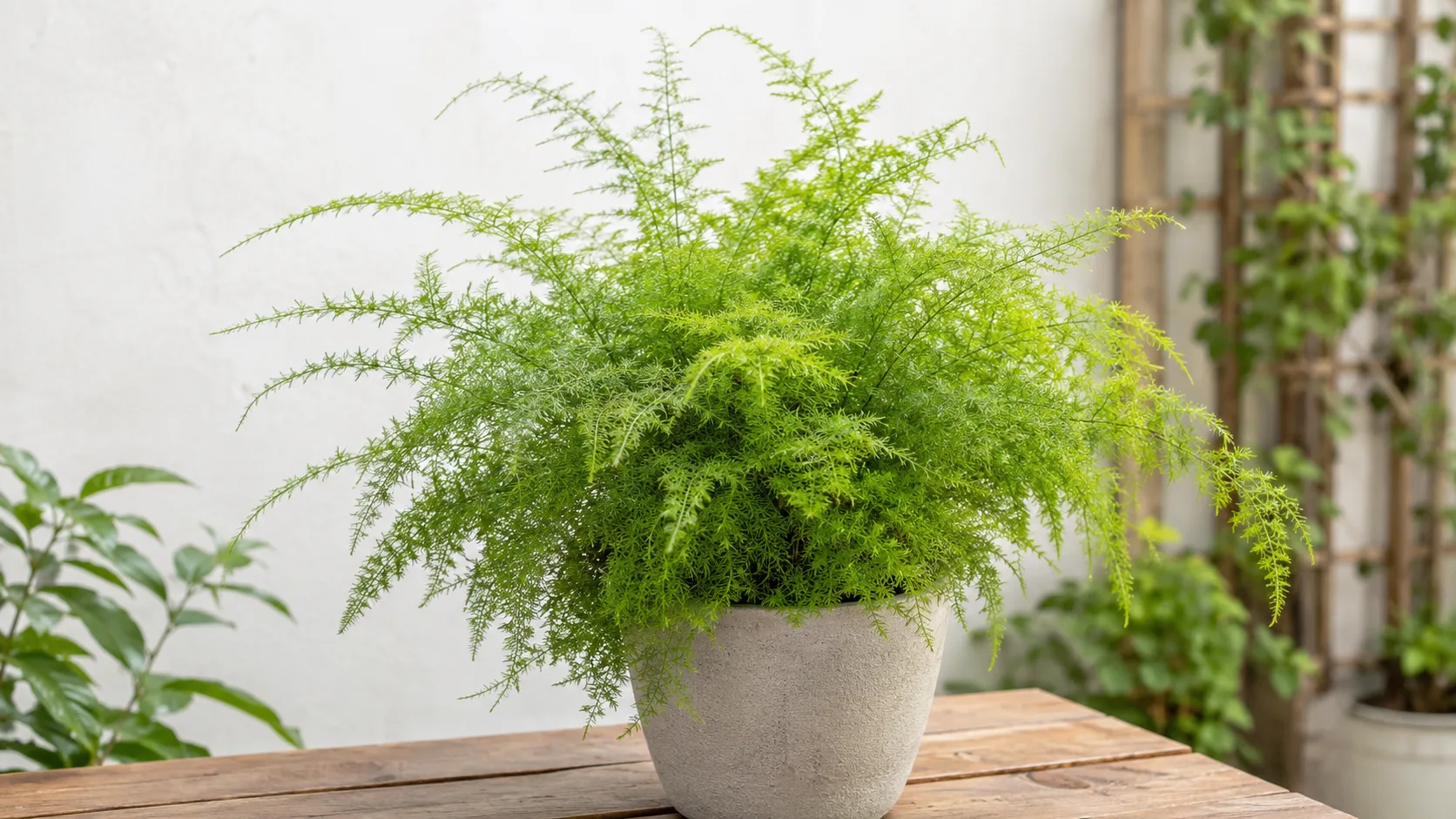
Asparagus Fern Fertilizer: When, How Much, and Mistakes
Asparagus Fern Fertilizer: When, How Much, and Mistakes
Asparagus fern fertilizer is one of those topics where the plant’s common name sends you in the wrong direction. Despite the soft, feathery look, an asparagus fern is not a fern at all. It belongs to Asparagaceae, the asparagus family, and it feeds more like a moderate houseplant vine than like a moisture-loving true fern. That distinction matters because many “fern feeding” rules - ultra-weak doses, fear of any salts, or skipping fertilizer entirely - do not fit Asparagus Fern overview cleanly.
The practical goal is straightforward: support steady green cladodes (the leaf-like stems most people call leaves) during active growth, without building up soluble salts in a small pot. For most indoor asparagus ferns, that means a balanced liquid fertilizer at half the label strength, applied about once every four to six weeks from spring through early fall, with a full pause or a very light taper in late fall and winter. Water the plant on moist soil, never on bone-dry roots, and stop feeding immediately if you see brown tips, a white crust on the soil surface, or sudden needle drop after a feed.
This guide covers when to fertilize, how much to use, which products work best, how to read deficiency vs burn, and the mistakes that cause more damage than skipping a month ever would.
Why Fertilizer Matters for Asparagus Fern (Not a True Fern)
An asparagus fern grows from tuberous roots and wiry stems that produce dense sprays of green cladodes. Those cladodes photosynthesize aggressively when light, water, and temperature are favorable, which is why a healthy plant can look lush within a few weeks of good care. Fertilizer does not create that lushness from nothing. It replaces nutrients that watering, root growth, and continuous leaf production pull out of the potting mix over time.
Missouri Botanical Garden notes that common asparagus ferns such as Asparagus setaceus and Asparagus densiflorus are easily grown as houseplants in peaty, well-drained mixes, with regular watering from spring to autumn and reduced watering in winter (Missouri Botanical Garden - Asparagus setaceus). Neither entry treats heavy feeding as essential, which matches real-world experience: these plants tolerate lean conditions better than they tolerate salt stress.
Because asparagus ferns are not true ferns, they are somewhat more fertilizer-tolerant than delicate fern species that demand very weak, infrequent feeding. “Somewhat” is doing a lot of work in that sentence. The roots still live in a finite volume of potting mix. Liquid fertilizer leaves behind salts even after the plant absorbs nutrients. In a 6-inch hanging basket or a crowded tabletop pot, those salts accumulate faster than many growers expect. Fertilizer should support growth, not push it.
Think of feeding as maintenance for an already healthy plant - not a rescue tool for a plant that is yellowing because it sits in a dark hallway or stays wet for days. If light and water are wrong, fertilizer often makes the problem worse.
When to Fertilize Asparagus Fern: Active Growth vs Rest
Timing is the first decision, and it is simpler than the internet makes it sound. Feed when the plant is actively producing new cladodes and stems, and stop when growth slows sharply. Indoors, that rhythm usually follows the calendar more than the plant’s evergreen appearance.
Asparagus ferns keep their green color through winter in most homes. That can trick you into thinking they are in full growth year-round. In practice, lower light, cooler room temperatures, and shorter days reduce the rate of new shoots even when old foliage stays green. Feeding on a summer schedule through December is one of the most common ways houseplant owners burn asparagus ferns.
Spring and Summer Feeding Window
Start feeding when you see fresh lime-green shoots, longer wiry stems, and new cladode clusters forming at the tips - usually mid-spring through late summer. In bright homes or plants summered outdoors in USDA Zones 9–11, growth may begin earlier and stay stronger longer. Missouri Botanical Garden lists both A. setaceus and A. densiflorus as winter hardy in Zones 9–11, where outdoor plants may have a longer nutrient demand than a strictly indoor specimen (Missouri Botanical Garden - Asparagus densiflorus).
During this active window, a monthly half-strength feed is enough for most potted plants. Some growers prefer every four weeks; others stretch to six weeks for a plant in moderate light or a small pot that dries slowly. Both are reasonable if the plant looks steadily green and you are not stacking other nutrient sources on top - compost top-dressing, slow-release pellets, and monthly liquid all at once.
If you summer the plant outdoors, resume or continue feeding while it is pushing new growth in brighter light. Move back to a reduced schedule when you bring it inside in early fall and light drops.
Fall Taper and Winter Pause
Taper feeding in early to mid-fall as growth slows. One practical approach: give a final quarter-strength feed in early fall, then stop entirely from late fall through winter. Many indoor asparagus ferns do fine with no fertilizer from November through February, especially in cooler rooms or north-facing windows.
Missouri Botanical Garden describes a resting period with reduced watering in winter rather than a full dormancy (Missouri Botanical Garden - Asparagus setaceus). That resting period is your cue to pause fertilizer too. The plant is not building much new tissue; unused nutrients sit in the mix and raise salt levels.
Exception: if you grow under strong supplemental grow lights and the plant keeps producing new shoots all winter, you can feed lightly - still at half strength or weaker - but extend the interval to six to eight weeks and watch closely for salt crust.
Best Fertilizer Type for Asparagus Fern
The best asparagus fern fertilizer for most homes is a complete, water-soluble, balanced houseplant formula. You want nitrogen for green cladode color and stem extension, phosphorus for root function, and potassium for overall stress tolerance. Micronutrients on the label are a plus, especially if you use filtered or soft water that contributes little mineral content.
Avoid shopping by the word “fern” on the bottle. Fern-specific products are often formulated for true ferns that prefer very dilute feeding. Asparagus ferns usually do better with a standard indoor foliage formula used conservatively than with a product designed for moisture-loving fern species.
Balanced Liquid Formulas That Work
A 10-10-10 or 20-20-20 water-soluble fertilizer is the default recommendation across extension and horticultural sources for asparagus fern–type houseplants. The numbers represent N-P-K - nitrogen, phosphorus, and potassium. Equal ratios keep feeding simple: you are not trying to force blooms or bulky fruit on a foliage plant.
Liquid formulas win for control. You mix, dilute, and apply a known dose to moist soil. That matters in small pots where precision prevents localized hot spots of concentrated salts. For a typical indoor asparagus fern in a 6- to 8-inch pot, mix the fertilizer at half the label’s recommended strength for houseplants, then apply until a little water drains from the bottom. Discard saucer water so the roots are not sitting in concentrated runoff.
If your plant is Asparagus setaceus - the fine, lacey “plumosa” type - stay conservative. It produces a large surface area of delicate cladodes in a relatively small root zone. Asparagus densiflorus ‘Sprengeri’ and the thicker-stemmed ‘Myers’ foxtail form can sometimes handle slightly more frequent feeding in bright light, but the same half-strength rule applies. More fertilizer does not create a fuller foxtail; better light and pruning do.
Organic, Slow-Release, and What to Skip
Organic liquid fertilizers such as fish emulsion or seaweed blends can work if diluted carefully. They smell, can attract fungus gnats if overapplied, and vary in strength by batch. They are fine for growers who already use them successfully; they are not inherently safer for the plant if applied too often.
Slow-release granular fertilizer is where many asparagus ferns get into trouble. A few pellets pressed into a small pot can release nitrogen in a concentrated zone near the root crown while the rest of the pot stays lean. University of Maryland Extension notes that excessive or frequent fertilizer use is a primary cause of high soluble salts in indoor plants (University of Maryland Extension - Fertilizer Toxicity). Slow-release products in tight containers make that risk worse because you cannot take the dose back once the prills are in the mix.
Skip foliar feeding as a default. Asparagus ferns are not set up like epiphytes that absorb nutrients efficiently through leaves. Fertilizer on cladodes can leave residue, burn tissue in direct sun, and adds little compared with a proper soil application.
Also skip fertilizer plus pesticide combo products unless you have a specific pest issue and follow label directions exactly. Routine feeding should not include unnecessary chemicals.
How Much Fertilizer to Use
If you remember one number, make it half strength.
Houseplant fertilizer labels assume a range of plants and pot sizes. Asparagus ferns sit in the middle - not as sensitive as maidenhair ferns, not as hungry as fast-growing outdoor vines - but their fine roots and small pots punish overdosing quickly. Cutting the label rate in half is the safest default for monthly feeding during active growth.
Example: if the bottle says 1 teaspoon per gallon for indoor plants, use ½ teaspoon per gallon for your asparagus fern. If it says one capful per two liters, use half a capful. Measure. “Eyeballing” concentrates errors because different products use different scoops and cap sizes.
For a final fall feed, quarter strength is enough - a light nudge before rest, not a full meal.
Signs you might need to go weaker still: white mineral crust on the soil surface, brown tips that appeared shortly after feeding, or a plant that stays wet for a long time because the pot is oversized. A large pot with little root mass holds water and salts longer; weaker doses spaced farther apart are safer.
Signs you might cautiously test a slightly stronger feed - still not full label strength - include pale new growth on a plant in Asparagus Fern light guide, healthy roots, fresh potting mix, and a full season without fertilizer after Asparagus Fern repotting guide into nutrient-poor mix. Even then, increase gradually and never jump to full strength.
How Often to Fertilize Asparagus Fern
Frequency should follow growth rate, not guilt about whether you are “doing enough.”
For most indoor asparagus ferns:
- Every 4 to 6 weeks with half-strength balanced liquid from mid-spring through early fall
- Once in early fall at quarter strength if growth is still visible, then stop
- No fertilizer from late fall through winter for typical room-grown plants
- Optional light feed every 6 to 8 weeks only if the plant keeps actively growing under bright light or grow lights in winter
That monthly-ish schedule beats weekly weak feeding for most owners because it is easier to track and less likely to stack salts unnoticed. Weekly feeding at low dose can work for experienced growers who flush salts regularly, but it is not the better default for a beginner with one plant on a windowsill.
| Situation | Suggested frequency | Strength |
|---|---|---|
| Active growth, bright indirect light | Every 4 weeks | Half label strength |
| Active growth, moderate light | Every 4–6 weeks | Half label strength |
| Early fall, slowing growth | Once, then pause | Quarter strength |
| Winter indoors, low light | Skip | - |
| Winter under grow lights, new shoots | Every 6–8 weeks | Half strength or weaker |
| After repotting into fresh mix | Wait 4–6 weeks | Then resume half strength |
| Recovering from over-fertilizing | Pause 4–8 weeks | Flush; resume at quarter strength |
The table is a starting framework. Your room, pot size, and watering habits matter. A plant that dries out every three days in a sunny window uses water - and eventually nutrients - faster than one in a cool back room.
Step-by-Step: How to Feed Asparagus Fern Safely
Safe feeding is mostly about order of operations. The fertilizer matters less than whether the soil was moist first, whether the plant was stressed, and whether salts were already accumulating.
Here is a reliable routine:
- Check the calendar and the plant. Confirm you are inside the active growth window and see new tips forming. If it is winter and nothing is growing, stop here.
- Inspect for salt crust or tip burn. White residue on the soil or pot rim means skip feeding and flush instead.
- Water with plain water if the top inch of mix feels dry. Bring the root zone to evenly moist before any fertilizer touches it.
- Mix fertilizer at half strength in lukewarm water in a watering can with a narrow spout.
- Pour slowly onto the soil surface, not over the cladodes, until water runs lightly from the drainage holes.
- Empty the saucer after 15–30 minutes so roots are not sitting in fertilizer-laden runoff.
- Mark the date on a phone note or calendar. Count four to six weeks forward.
Feed in the morning or midday so any splashed moisture on foliage can dry in bright indirect light. Wet cladodes in a dark, cool corner invite fungal spotting.
Pre-Feed Checks and the Moist-Soil Rule
Never apply fertilizer to dry, pulling-away-from-the-pot mix. Dry roots are vulnerable to osmotic stress when fertilizer solution hits them. The moisture-first rule is not optional folklore; it is how you prevent sudden tip burn on an otherwise healthy plant.
Also skip feeding when:
- The plant was repotted within the last month unless the new mix is clearly nutrient-free and the plant is pushing growth
- Soil stays soggy and smells earthy-sour - fix drainage and root health first
- The plant is dropping cladodes from underwatering on Asparagus Fern, cold drafts, or recent move stress
- You just flushed salts and the plant still looks wilted - let it stabilize on plain water
A simple pre-feed checklist takes thirty seconds: moist soil, no white crust, new growth present, no recent repot, not mid-winter. If all five are true, proceed at half strength.
Signs Your Asparagus Fern Needs More Nutrition
Under-fertilizing is real but less common than over-fertilizing for asparagus ferns. Many “hungry plant” symptoms overlap with too much light, too little light, inconsistent watering, or old compacted mix.
Possible signs of mild under-feeding in an otherwise healthy plant include:
- Pale new cladodes that stay light green even after acclimating, while older foliage remains darker
- Slow stem extension in bright indirect light during spring and summer
- Smaller new cladodes compared with last season’s growth on the same plant
- General loss of vigor after more than a year in the same pot without any nutrient input
Before you increase fertilizer, rule out the bigger drivers. Yellowing lower cladodes often mean uneven watering or natural aging, not nitrogen deficiency. Overall yellowing after a move to direct sun is burn, not hunger. Stunted growth in a dim room will not fix itself with fertilizer; the plant needs more light or acceptance of slower growth.
If light and watering look correct, the mix is well drained, and the plant has not been fed in a growing season, try half-strength monthly feeding for six weeks and compare new tip color and size. One adjustment at a time beats doubling dose and frequency simultaneously.
Fresh repotting into quality peat- or coco-based mix often supplies enough starter nutrition for several weeks. That is another reason to pause feeding after repotting - the plant may already have what it needs.
Signs of Over-Fertilizing and Salt Buildup
Over-fertilizing is the mistake most asparagus fern owners eventually make, usually by feeding through winter, using full label strength, or fertilizing dry soil “because the plant looked sad.”
Watch for these symptoms:
- Brown, crispy tips on cladodes, especially shortly after a feed
- Sudden cladode drop on sections that were green days earlier
- White or yellowish crust on the soil surface, pot rim, or outside of terracotta pots
- Stunted new growth despite moist soil - roots are damaged and cannot take up water normally
- Wilting even when the mix feels wet, because root tips have burned
- Blackened or mushy root tips if you inspect during repotting
University of Maryland Extension lists browning leaf tips and margins, reduced growth, lower leaf drop, and wilting among typical fertilizer toxicity symptoms, along with visible salt deposits on the media surface (University of Maryland Extension - Fertilizer Toxicity). Asparagus ferns show these signs clearly on their fine cladodes.
Salt buildup is cumulative. You might not notice after one strong feed. After three months of winter feeding in a small pot, the crust appears and tips brown even on “correct” doses - because the baseline salt level was already too high.
Bottom watering alone can worsen crust visibility: water wicks up and evaporates at the surface, leaving minerals behind. That does not mean bottom watering is wrong, but it means surface crust is an especially reliable warning sign.
How to Flush Asparagus Fern After Over-Feeding
If you suspect fertilizer burn, stop feeding immediately and leach the salts with plain water. Flushing is boring, effective, and preferable to repotting panic if you catch the problem early.
Flush protocol:
- Place the pot in a sink or tub. Remove decorative cachepots so water drains freely.
- Use room-temperature plain water - not softened water high in sodium unless that is all you have.
- Pour slowly through the soil until water runs clear from the bottom. Use a volume roughly equal to the pot’s volume, then repeat.
- Let the plant drain fully. Do not feed.
- Repeat plain-water flushes two to three times over the next week if crust was heavy.
- Pause fertilizer for four to eight weeks. Watch for new green tips without brown edges.
- Resume at quarter to half strength, no sooner than one month after symptoms stabilize.
Badly burned leaves and cladodes will not green up again. New growth is your proof of recovery. If the plant keeps dropping cladodes after two flushes and a pause, repot into fresh mix, trimming mushy roots with clean scissors.
For severe salt load in a small pot, repotting into fresh, well-drained mix may be faster than repeated flushing. Choose a mix similar to what worked before - peaty and well drained per Missouri Botanical Garden guidance - and wait four to six weeks before restarting weak feeds.
Seasonal and Situational Adjustments
Seasonal timing was covered above, but indoor life adds edge cases that matter as much as the calendar.
Brighter summer, dimmer winter: Increase interval length in winter even if you do not fully stop. A plant near an air conditioner or heat vent may dry faster in summer - that affects water, not necessarily fertilizer need.
Outdoor summer vacation for the pot: Plants on a shaded patio often grow faster and may use monthly half-strength feeds comfortably. Avoid full sun feeding days; splashed fertilizer on cladodes in hot sun burns tissue.
New purchase: Nursery plants are often recently fed. Give four to six weeks of plain water while you stabilize light and watering, then start half-strength monthly if growth is active.
Propagation divisions: Small divisions with trimmed roots should not be fed until they show new growth and roots hold the mix when you tug gently.
After Repotting, Pruning, and Stress Events
After repotting, wait at least four weeks before fertilizing unless you used a completely inert mix with no starter charge and the plant is clearly pushing new stems. Fresh mix plus immediate feeding stacks nutrients when the root system is still settling.
After hard pruning back to the soil line to regenerate a leggy plant, hold fertilizer until new shoots are several inches long. The plant is redirecting energy to regrow stems, not to process extra salts.
After pest treatment, cold damage, or severe underwatering, fix the underlying stress first. Feeding a weakened asparagus fern is like asking someone to run on a sprained ankle - the system is not ready to use the input.
Household safety note: asparagus ferns produce berries on mature plants; berries are toxic to cats and dogs, and foliage contact can irritate skin in sensitive people (ASPCA - Asparagus Fern). Fertilizer does not change that risk, but it is a reason to keep plants and runoff water away from pets that chew soil or saucers.
Fertilizer and Other Asparagus Fern Care
Fertilizer never operates in isolation. It is the last layer on a stack that starts with light, then water, then potting mix and root health.
Light drives nutrient demand. An asparagus fern in bright indirect light or filtered sun uses fertilizer efficiently and produces tighter, greener cladodes. The same plant in a dim corner metabolizes slowly; unused fertilizer lingers as salts. Missouri Botanical Garden warns that hot direct afternoon sun can yellow cladodes (Missouri Botanical Garden - Asparagus setaceus); sun-stressed plants should not be pushed with extra nitrogen.
Watering rhythm must stay even. These plants prefer consistently moist but not soggy mix during active growth. Wild swings between desert-dry and waterlogged roots cause cladode drop - a problem fertilizer cannot fix. If you underwater habitually, fix hydration before feeding.
Soil and pot size matter because salts concentrate in small volumes. A well-drained, peaty potting mix drains fertilizer solution cleanly. An oversized decorative pot holds excess water and salts around a small root ball. In an too-large pot, feed less often rather than more.
Humidity is less critical for asparagus ferns than for true ferns, which is one reason they succeed as houseplants. Do not increase feeding to compensate for dry air; use a humidifier or grouping if cladodes dry at the edges from humidity alone.
When light, water, and mix are aligned, moderate fertilizer keeps color deep and stems willing to branch. When those basics are off, fertilizer amplifies the wrong problem.
Common Asparagus Fern Fertilizer Mistakes
These are the errors that show up repeatedly in forums, in overfed hanging baskets, and on plants that “looked fine until I fertilized it.”
Feeding on a calendar all year. Evergreen foliage hides winter slowdown. Pause when new tips stop.
Using full label strength because the plant looks sparse. Sparseness is usually light-related or natural aging on inner stems. Double-strength feed browns tips faster than it fills in the plant.
Fertilizing dry soil after you forgot to water for a week. Always plain-water to moist first.
Stacking slow-release granules plus monthly liquid in the same pot. Pick one controlled method.
Chasing yellow leaves with nitrogen before checking water and light. Yellow lower cladodes often mean uneven moisture or senescence, not deficiency.
Feeding immediately after repotting or division. Let roots re-establish.
Ignoring white crust and feeding again because “it is spring.” Crust means flush and pause, not another dose.
Using fertilizer to revive a plant dropped from cold or drought. Stabilize with plain water and proper conditions; feed only after new growth returns.
Believing “fern” on the label means this plant wants fern-weak feed at fern-rare intervals. Asparagus ferns are angiosperms in Asparagaceae; they want conservative houseplant feeding, not true-fern minimalism and not outdoor vegetable-garden strength.
If you have made one of these mistakes, the fix is usually boring: flush, pause, resume weaker, and adjust light or watering if those were part of the story.
Conclusion
Asparagus fern fertilizer works best as a light, seasonal habit - not a year-round crutch. Feed with half-strength balanced liquid about monthly during active spring and summer growth, taper in early fall, and pause through winter unless strong grow lights keep the plant producing new stems. Water moist soil first, skip stressed and newly repotted plants, and treat brown tips, white crust, and sudden cladode drop as stop signs, not invitations to feed again.
Get light and watering right, stay conservative with salts, and your asparagus fern will stay greener with less intervention than most houseplant guides suggest. When in doubt, skip a month rather than double the dose. These plants forgive lean feeding far more gracefully than they forgive another round of fertilizer on tired roots.
When to use this page vs other Asparagus Fern guides
- Asparagus Fern overview - Start here for whole-plant context before deep-diving this topic.
- Asparagus Fern problems hub - Jump to symptom-specific fix guides when this care topic does not resolve the issue.