Spider Mites on Aluminum Plant (Pilea cadierei): Causes
Quick answer
Spider mites on Aluminum Plant show as pinprick stippling in green zones between silver leaf bands and fine webbing deep in the bushy crown-often after winter heating dries the air. First step: isolate the pot and rinse every leaf underside with lukewarm water before any spray.
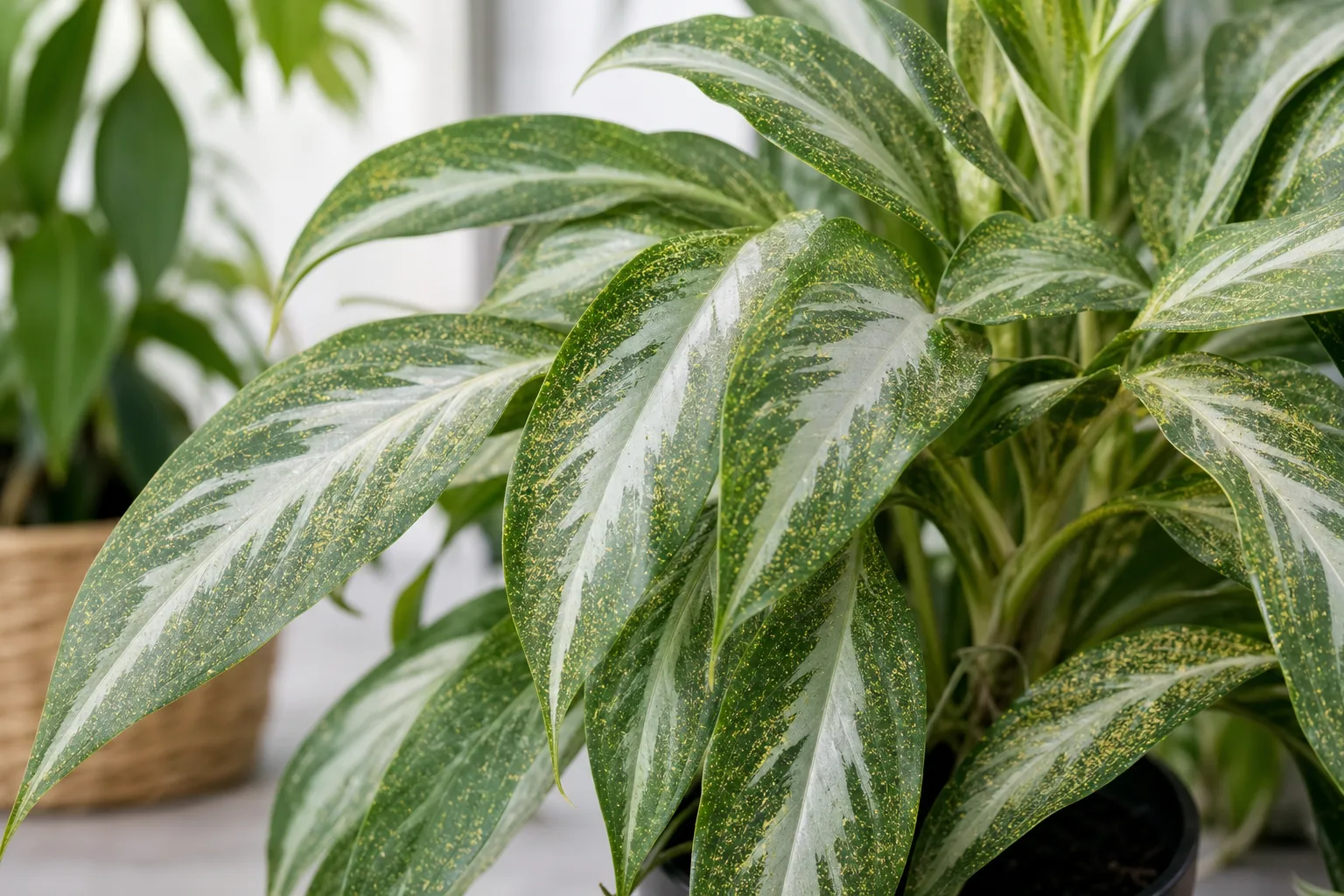
Spider Mites on Aluminum Plant (Pilea cadierei): Causes, Checks & Fixes
This guide covers spider mites on Aluminum Plant. See also the general Spider Mites guide, watering, and light pages for this plant.
Spider Mites on Aluminum Plant (Pilea cadierei): Causes, Checks & Fixes
Quick answer
Spider mites on Aluminum Plant (Pilea cadierei) appear as fine yellow pinpricks in the green tissue between silver leaf bands, dull bronzed patches that spread week to week, and eventually delicate webbing at the base of overlapping leaves in the bushy crown. They favor the same warm, dry microclimate that winter heating creates on windowsills-exactly when this humidity-loving pilea is most stressed.
First step: move the pot away from other houseplants and rinse every leaf underside with a firm stream of lukewarm water. That physical knockdown confirms active mites and stops short-distance spread before you commit to oils or soaps.
On Pilea cadierei, the fixed silver markings are part of healthy leaf structure-not pest damage-so the diagnostic clue is new stippling or bronzing in green zones plus activity on undersides. If you only see crisp brown leaf margins without pinpricks, read our low humidity on Aluminum Plant guide first.
What spider mites look like on Aluminum Plant
Spider mites are barely visible dots-often amber, red, or green-clustered on leaf undersides and in the sheltered center where oval, silver-marked leaves overlap. On Aluminum Plant their feeding leaves a pattern distinct from the plant’s normal look:
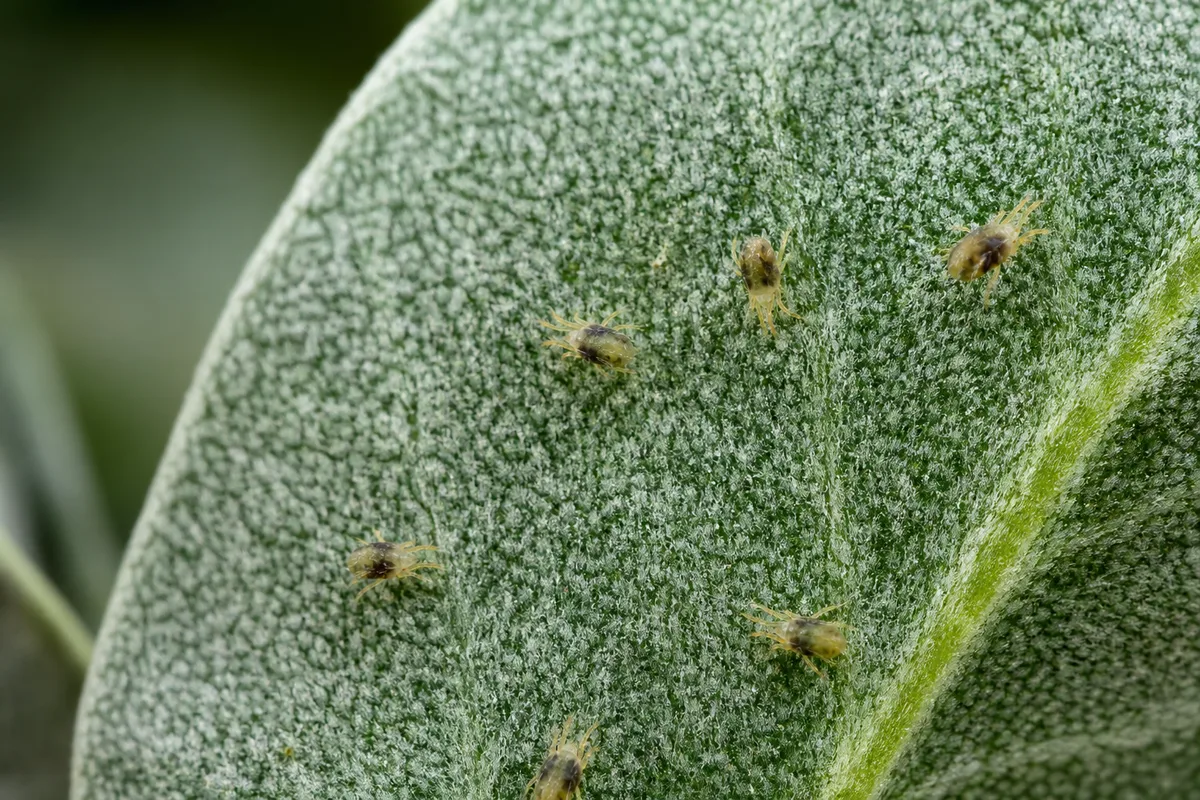
Spider Mites symptoms on Aluminum Plant - compare with healthy tissue on the same plant.
- Stippling: thousands of tiny yellow or white dots where individual cells were drained, usually in green tissue between the four rows of raised silver patches that define healthy Pilea cadierei foliage
- Bronzing or dulling of formerly bright green areas while silver bands stay structurally intact
- Fine silk webbing at petiole bases, stem joints, and deep inside the bushy crown-not cottony white clusters like mealybugs
- Slow or distorted new leaves at the center when the colony is established
Healthy Pilea cadierei leaves carry fixed metallic silver patches from the moment they unfurl. Those patches are smooth, reflective, and do not increase over days. Mite damage adds changing speckles and may bronze the green zones around them, which is why owners often notice the problem late-early pinpricks can hide against busy variegation until bronzing spreads.
Because Aluminum Plant stays compact and bushy, mites concentrate in the overlapping crown the same way mealybugs hide in leaf axils on this species. Outer leaves may look almost fine while the center is webbed. Always part the foliage and inspect inward, not just the visible perimeter.
Why Aluminum Plant gets spider mites
Pilea cadierei prefers bright indirect light and high humidity-conditions that conflict with what spider mites favor. Mites are tiny arachnids that thrive in warm, dry air and reproduce fastest when leaf moisture is low and indoor heat is running.
Common triggers on Aluminum Plant:
Winter windowsill heat. Pots on radiators, sunny glass with the furnace on, or forced-air vents overhead create a dry canopy above soil that may still be appropriately moist. The plant loses leaf turgor at the margins first; mites exploit the same dry tissue.
Grouped pilea displays. Mites crawl short distances between pots on a shelf or pebble tray. One infested Aluminum Plant can share colonies with peperomias, fittonias, or other pileas in a humid cluster-humidity helps the plant, not mite elimination once they are established.
Dusty or neglected undersides. Overlapping leaves block airflow and hide stippling. A quick top-only wipe misses the feeding zone entirely.
Recent stress. Cold drafts, inconsistent watering, or dim corners weaken new growth-mites colonize tender center leaves first. Stress does not cause mites, but it slows recovery after sap loss.
This is not a hygiene failure. Even well-kept Pilea cadierei collections see mites when winter air dries foliage faster than owners notice.
Lookalike symptoms on Pilea cadierei
| What you see | Likely cause | How to tell apart |
|---|---|---|
| Fixed silver patches, smooth and unchanged | Normal Pilea cadierei variegation | Present from unfurling; no webbing or crawling specks on paper tap |
| Yellow pinpricks in green tissue, bronzing, fine silk | Spider mites | Underside activity; stippling spreads weekly |
| Silvery streaks or scraped patches on new leaves | Thrips | Rasping scars, not classic dot stippling plus webbing |
| Crisp brown leaf margins, no dots | Low humidity | Uniform edge burn; see low humidity guide |
| Chalky film on leaf tops after misting | Mineral residue | Wipes off; no undersurface mites |
| Soft pear-shaped insects on new tips | Aphids | Visible bodies; see aphids on Aluminum Plant |
| White cottony clusters in axils | Mealybugs | Waxy tufts, not silk threads-see mealybugs guide |
If you see stippling plus webbing and moving specks on a paper test, spider mites are confirmed regardless of watering history.
How to confirm the cause
Work through these checks before spraying anything:
- Compare silver vs. stippling. Fixed silver patches are smooth and unchanging. Fresh yellow pinpricks in green tissue that spread weekly point to mites.
- White-paper tap test. Hold a suspect leaf over white paper and flick the underside sharply. Slow-moving specks confirm live mites; mineral dust does not crawl.
- Crown inspection. Part overlapping leaves at the center. Look for silk threads, cast skins, and dots along main veins on undersides.
- 10× magnification. A hand lens on green zones between silver bands reveals pinprick damage before bronzing covers the whole leaf.
- Webbing check. Fine silk at petiole bases distinguishes mites from low-humidity crisping without stippling or from thrips rasping scars that lack silk.
- Neighbor scan. Inspect other pots on the same shelf-shared stippling pattern means isolation is urgent.
Confirmed mites show stippling or bronzing with undersurface activity, cast skins, or webbing. Suspected mites with only uniform brown tips on leaf margins and no dots likely indicate humidity stress-see brown tips on Aluminum Plant before treating for pests.
First fix for Aluminum Plant
Isolate and rinse. Move the pot away from other houseplants and rinse in a sink or shower, spraying every leaf underside and stem with a firm lukewarm stream for several minutes. Tilt the pot so water sheets off smooth leaf faces and runs out of the bushy crown rather than pooling at the center.
Pilea cadierei has smooth, ovate leaves-not fuzzy or velvety-so a thorough rinse is safe when foliage dries the same day in bright indirect light. The risk on this species is saturating the overlapping crown and letting it stay wet overnight in a cool room, which can encourage fungal issues. Rinse confidently; dry actively afterward.
This single step:
- Knocks down adults and some eggs through physical washing
- Confirms you are treating the right problem
- Avoids stacking pesticides on day one
Let the plant drain and air-dry before returning it to its growing spot. Do not mist the crown closed afterward.
Treatment cadence after rinsing
Once mites are confirmed:
- Day 1 (after foliage dries): If stippling persists or webbing remains, apply insecticidal soap or horticultural oil labeled for mites. Coat all leaf surfaces, especially undersides and crown interiors, until the solution barely drips. Treat in early morning or evening so wet leaves are not hit by harsh direct sun.
- Every 5–7 days: Repeat soap or oil at least three cycles. Mite eggs hatch on staggered schedules, and repeat applications every 4 to 7 days are standard until pests are eliminated.
- Between sprays: Raise ambient humidity with a pebble tray or small humidifier-target the air around the plant, not wet soil. Aluminum Plant prefers steady humidity near 50–60%; dry air speeds mite reproduction even when roots are correctly watered per our Aluminum Plant watering guide.
- Optional second rinse mid-cycle if webbing loosens but dots remain-physical removal complements oils.
- Inspect neighbors weekly. Treat any adjacent pot showing early stippling. Check bushy pileas in grouped displays the same way you would for mealybugs in the crown.
- Prune only if needed. Remove one or two heavily webbed leaves and bag them. Do not strip the plant bare unless most foliage is already compromised.
For a light infestation, rinse plus two oil cycles may suffice. Escalate to three full cycles when webbing returns inside the crown or stippling spreads to new leaves.
Recovery timeline
Days 1–3: Webbing loosens after the first rinse; live mite activity should drop on re-tap.
Week 1–2: Stippling stops spreading to new leaves if coverage reached the crown interior.
Weeks 2–4: After three timed spray cycles, new center leaves should emerge with sharp silver patches and no fresh pinpricks. Old stippled leaves stay cosmetic permanently-that is normal.
Winter recovery: Slower new growth in cool, short days is common. Hold treatment cadence anyway while heat is running-mites do not pause for the plant’s calendar.
Worsening signs: bronzing spreading despite three cycles, webbing on multiple stems within days of rinsing, or widespread leaf drop with continuing stippling-escalate to a miticide labeled for spider mites or consider discarding a severely compromised plant to protect the collection.
Signs recovery is working:
- Paper-tap tests show fewer or no moving specks
- Webbing stops appearing on new crown leaves
- Clean new shoots emerge with firm silver patterning within two to four weeks
What not to do
Do not return the plant to a group display after one rinse. Isolation should last until paper-tap tests stay clear for at least two weeks.
Avoid insecticides labeled only for insects as your first response-mites need oils, soaps, or miticides. General insecticides often miss spider mites.
Do not soak the bushy crown overnight after rinsing. Smooth pilea leaves tolerate washing; a waterlogged center in cool air is the main post-rinse risk on this species-not fuzzy-leaf spotting.
Skip one-and-done spraying. A single oil application leaves eggs to hatch. Plan three cycles minimum at five- to seven-day intervals.
Do not raise humidity by overwatering on Aluminum Plant the pot. Pebble trays and humidifiers target air; wet soil causes root stress on Pilea cadierei without killing mites on foliage.
Do not assume brown tips equal mites. Margin crisping without stippling usually points to dry air or salt-see brown tips and watering guides.
Aluminum Plant is non-toxic to cats and dogs per the ASPCA, but keep pets away from freshly treated foliage until sprays have dried and the area is ventilated.
How to prevent spider mites next time
Match prevention to how Pilea cadierei actually grows in your home:
- Quarantine new plants two weeks before they join an Aluminum Plant shelf; rinse and inspect undersides on arrival.
- Weekly crown checks during winter heating season-thirty seconds parting the center catches most outbreaks early.
- Maintain ambient humidity near 50–60% with a pebble tray or humidifier when furnaces run; the plant’s preferred range is also less favorable to rapid mite buildup than desert-dry air.
- Rinse or wipe undersides monthly during active growth-the same physical control that works in treatment.
- Avoid hot drafts from radiators and sunny glass with heat on; shift the pot a few inches back or add humidity rather than accepting a dry canopy.
- Inspect grouped pileas together-shared shelves and pebble trays mean shared pest risk.
Strong culture helps: bright indirect light, correct watering rhythm, and steady humidity keep new silver-marked leaves vigorous-but dry winter air still requires inspection, not assumption.
When to worry
Act the same day if:
- Webbing spans multiple stems and returns within days of rinsing
- Several plants on one shelf show stippling
- New center leaves emerge already dotted despite two treatment cycles
- The bushy crown is heavily webbed and leaf drop is accelerating
Lower urgency when pinpricks are on one outer branch, paper-tap shows few specks after the first rinse, and no silk is visible in the crown. Monitor for a week while keeping the plant isolated.
Spider mites rarely kill a healthy Aluminum Plant if caught before severe defoliation-but they can weaken the plant enough that recovery takes a full growing season. Discarding a heavily compromised, stunted specimen and restarting from a clean cutting is sometimes the practical choice when treatment cost exceeds replacing a fast-rooting Pilea cadierei.
Conclusion
Spider mites on Aluminum Plant are a dry-air pest on a humidity-loving pilea-stippling in green tissue and webbing in the bushy crown are the telltales, not the fixed silver patches. Isolate, rinse smooth leaves thoroughly, then repeat contact treatments every five to seven days while keeping ambient humidity steady and soil on its normal dry-down rhythm. Judge success by clean new silver-marked leaves, not repaired old ones, and inspect neighboring pileas before you declare victory.
Related Aluminum Plant guides: Overview · Mealybugs · Low humidity · Aphids · Brown tips · Watering
When to use this page vs other Aluminum Plant guides
- Aluminum Plant watering guide - Use for routine moisture checks before assuming spider mites is the main issue.
- Aluminum Plant problems hub - Browse all 16 common issues on this species.
- Low Humidity on Aluminum Plant - Different entry point when symptoms overlap with spider mites.
- Slow Growth on Aluminum Plant - Different entry point when symptoms overlap with spider mites.