Aloe Vera Repotting Guide: When, How & Soil
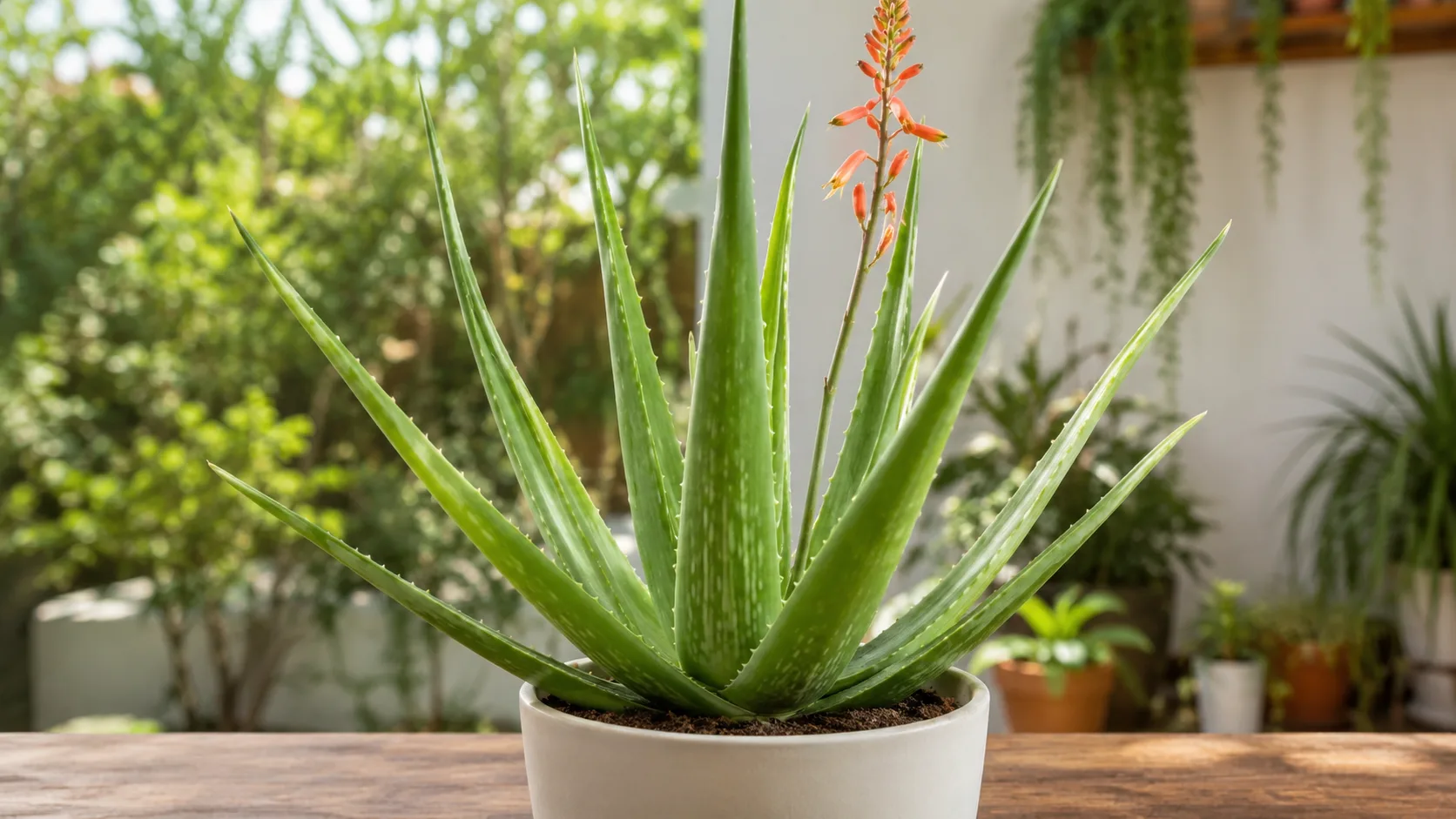
Aloe Vera Repotting Guide: When, How & Soil
Aloe Vera Repotting Guide: When, How & Soil
Soft, translucent leaves a few days after repotting usually mean one thing: the roots met wet soil before they healed. Aloe vera repotting fails more often from timing and drainage than from clumsy hands - a too-large pot, regular potting soil, or a drink given on day two turns a routine upgrade into rot. The same plant that looked fine in a crowded four-inch pot can collapse when you upsize it without drying the mix first or separating the pups stealing water at the base.
This guide covers when to repot, how to choose a container, the exact soil ratios extension services recommend, how to divide pups without killing them, and the post-repot dry-back protocol that keeps leaves firm. For broader context on Aloe Vera overview, see our Aloe Vera overview. Guidance here draws on the Missouri Botanical Garden, Iowa State University Extension, University of Arizona Cooperative Extension, and other primary horticultural sources - not generic repotting blogs.
Why Aloe Vera Needs a Fresh Pot Every Couple of Years
Aloe vera is a stemless, rosette-forming succulent that spreads by offsets - pups - connected to the mother plant by short underground stems called stolons. In a container, a heavy root mass and steady pup production eventually outpace a fixed volume of soil. The Missouri Botanical Garden Plant Finder describes aloe as easily grown in sandy, well-drained potting loams and easily propagated from offsets near the base of mature plants. Those two traits make repotting a regular maintenance task, not an occasional rescue.
What Repotting Actually Does for Your Plant
Repotting does three jobs at once, and skipping any one of them limits the benefit.
First, the soil is replaced. After two to three years, even a gritty mix breaks down. Organic matter decomposes into finer particles, perlite floats upward, and pore spaces close. Water sits longer in the root zone - the opposite of what aloe roots evolved for in shallow, rocky soils on the Arabian Peninsula and surrounding dry regions.
Second, the root system is inspected. Circling roots can be teased apart, dead tissue removed, and early rot caught before it reaches the stem. Iowa State University Extension notes that repotting is an ideal time to propagate by removing crowded offsets - root disturbance during active growth is normal for succulents handled carefully.
Third, pups get space. A mature aloe in a small pot can produce multiple offsets per year when light and warmth are good, though the exact count varies by cultivar, pot size, and season. All of those rosettes compete for the same water stored in the leaves and the same limited soil volume. Repotting is when you divide them or give the cluster room to breathe.
Root Bound vs Crowded With Pups - Different Problems, Different Fixes
These two conditions look similar from above but need different responses.
A root-bound aloe has filled the pot with roots and physically run out of room to expand. Roots circle the bottom, water runs straight through, and the plant may stall despite good light.
A pup-crowded aloe may still have usable soil volume, but the surface is choked with offsets stealing resources. Repotting into a much larger pot here often worsens rot, because the extra soil holds moisture the existing root mass cannot absorb quickly.
| Symptom | Likely issue | Best move |
|---|---|---|
| Thick roots at drainage holes, light pot after watering | Root bound | One size up + fresh mix |
| Many pups, firm roots, soil still drains OK | Pup crowding | Divide pups; same or one size up for mother |
| Soil level dropped, plant stable but mix exhausted | Depleted mix | Top-dress or repot with fresh gritty mix |
| Mushy stem, sour soil | Rot emergency | Trim, dry, repot smaller in dry mix - any season |
Most mature indoor aloes need repotting every two to three years. A fast-pupping specimen in bright light may need attention every twelve to eighteen months.
When to Repot Aloe Vera: 7 Clear Signs
Aloe tolerates mild neglect better than many houseplants, which is why crowding builds quietly. Scan for these signals every few months.
- Roots at drainage holes - thick, tan-to-brown roots visibly protruding, not a single exploratory white tip.
- Top-heavy or tipping plant - heavy leaves plus shrunken soil volume lose anchor.
- Pups crowding the base - three or more offsets at two-thirds the height of the mother is a practical threshold.
- Water runs straight through - the root mass displaced so much soil that moisture cannot linger where roots need it.
- Soil dries within one to two days after a thorough soak - same problem viewed from the watering can.
- Stalled growth in active season despite adequate light and warmth on our Aloe Vera light guide.
- Cracked or distorted pot - terracotta splitting or plastic bulging from root pressure.
Visible Roots, Top-Heavy Plants, and Soil That Disappears
One root tip at a hole is exploration, not a crisis. Real crowding shows thickened roots that have been there long enough to darken and stiffen. A leaning rosette is not always root-bound: if the plant sits too shallow, backfilling with gritty mix may fix stability without a larger pot. Lift the container after watering - a healthy pot feels heavy; a root-bound pot often feels oddly light because soil volume has collapsed.
Seasonal Cues: Why Spring and Early Summer Win
Active growth for aloe runs from spring through early summer in most homes. That window is when new leaves, roots, and pups form. Repotting then gives the plant light energy and warmth to heal root cuts. The Royal Horticultural Society notes aloes cannot withstand freezing temperatures and dislike humid atmospheres - both argue against winter repotting when soil stays wet longer and growth is slow. Emergency repots for rot or a cracked pot can happen anytime; use a heat mat near 75°F (24°C) and extra dry-back caution if you must repot in cold months.
Best Season and Frequency for Repotting Aloe Vera
Penn State Extension recommends replanting aloe every two years to refresh soil and reduce root crowding - a useful baseline for healthy mature plants.
- Every two to three years for a stable rosette that is not heavily offsetting.
- Every twelve to eighteen months for a bright, warm, pup-heavy plant.
- Immediately for black mushy stems, foul soil, or sudden rosette collapse.
The seasonal sweet spot in the Northern Hemisphere is roughly March through June, when daytime temperatures sit between 65 and 80°F (18–27°C). Some growers in mild climates succeed with early autumn repots before winter dormancy. Avoid mid-summer repotting in hot, humid climates where recovery slows, and avoid cold-dormancy months unless the plant is in active decline.
Choosing the Right Pot: Size, Material, and Drainage
Size, material, and drainage holes define whether repotting helps or hurts. The hole is non-negotiable - Iowa State University Extension requires containers with drainage holes for succulents and warns that even a gravel layer cannot replace one. A sealed container is a rot timer regardless of soil quality.
Pot Size: How Much Bigger Is Too Big?
Move up one pot size only: a four-inch pot becomes six-inch; a ten-inch becomes twelve-inch. The goal is modest new root room and fresh mix, not a reservoir of wet soil the plant cannot use. Penn State Extension advises choosing a container slightly larger than the previous one, with one to one-and-a-half inches between the root ball and pot edge, and placing the plant so leaves sit just above soil level.
Worked example: A four-inch terracotta aloe with three four-inch pups crowding the rim goes into a six-inch terracotta for the mother after pups are removed to their own three-inch pots. Each pup gets a snug container; the mother steps up one size with fresh 1:2 gritty mix. If you removed all pups and the root ball still fits comfortably in the four-inch pot with an inch of fresh mix around it, you can refresh soil in the same pot instead of upsizing.
When dividing pups, plan several small pots - not one oversized bowl for the whole cluster.
Why Terracotta Usually Beats Plastic and Glazed Ceramic
Unglazed terracotta is porous. Colorado State University Extension explains that porous materials like clay lose moisture quickly but allow air movement into the root zone, while glazed and plastic containers hold water longer and restrict airflow - making drainage holes especially critical in non-porous pots. Nebraska Extension adds that clay pots wick excess moisture from the mix and suit cacti and succulents that demand well-drained conditions.
Under typical indoor conditions - room temperature, moderate humidity, a gritty succulent mix - an unglazed terracotta pot often dries noticeably faster than a glazed pot of the same size, sometimes within a day or two versus several days for non-porous containers. Exact timing depends on mix, light, and how thoroughly you watered; treat those numbers as a comparison, not a calendar. For aloe, faster dry-down is usually protective.
Plastic is not wrong - it is less forgiving. It is lighter and fine for large specimens or outdoor summer moves. Compensate with a higher mineral fraction in your mix and less frequent watering, as covered in our Aloe Vera watering guide.
The Best Soil Mix for Aloe Vera
Soil determines whether repotting succeeds. Aloe needs water to drain through in seconds, not sit for hours. Full mix science - pH targets, pre-made brand comparisons, and the gravel-layer myth - lives on our dedicated Aloe Vera soil guide. Here is the repotting-focused version.
Why Regular Potting Soil Is the Wrong Default
Standard indoor potting soil holds moisture for days. Aloe roots in damp, fine-grained mix rot within weeks. Iowa State University Extension states typical potting soil retains too much water and risks root rot on Aloe Vera for succulents; the recommended baseline is one-third organic material to two-thirds mineral material.
A Simple DIY Aloe Soil Recipe
Iowa State’s ratio translates cleanly to ingredients:
- 1 part peat-free potting soil or coco coir (organic base)
- 1 part coarse horticultural sand (drainage)
- 1 part perlite or pumice (aeration)
Use coarse sand - fine play sand compacts. Particle size around 1/8 to 1/4 inch keeps gaps open under repeated watering. Pre-made cactus and succulent mix works if perlite, pumice, or sand appears in the first ingredients; stir in extra pumice for lower light or plastic pots.
How to Repot Aloe Vera: Step-by-Step
The procedure is straightforward when soil, pot, and dry windows are right. Treat the week before and the week after as part of the same job.
Preparing the Plant a Week Before Repotting
Stop watering five to seven days before repotting. Bone-dry soil releases from roots more cleanly and torn root hairs are less infection-prone. Watering immediately before repotting is one of the most common causes of post-repot rot.
Gather a clean knife, scissors, fresh mix, pots with drainage holes, and newspaper for the workspace.
Unpotting, Inspecting, and Loosening the Roots
Turn the pot on its side and slide the plant out by gripping the base of the rosette - never pull leaves, which tear at the crown and invite rot. If stuck, run a knife around the inner rim or squeeze flexible plastic pots.
Shake off old soil and inspect roots. Healthy tissue is firm, white, or light tan. Trim brown, black, or mushy roots with clean scissors. If roots circled the bottom, tease them apart gently with your fingers. Some root breakage during repotting is normal; succulents regenerate fine roots when the mix stays dry initially (Iowa State University Extension).
Remove dead basal leaves for airflow around the crown.
Positioning the Plant and Filling In
Add fresh mix to the pot bottom. Set the aloe so the base of the lowest leaves sits just above the soil line - burying the stem deeper than it grew before is a common rot trigger. Fill around the root ball and firm lightly with fingertips; do not compact. Top-dress with coarse gravel or pumice if the rosette needs weight to stay upright while roots re-anchor.
How to Separate Aloe Vera Pups While Repotting
Repotting is the best time to divide pups because connections are visible. For aftercare beyond the first week, see our Aloe Vera propagation guide.
A pup is ready when it is at least three to four inches tall with its own visible roots. The University of Arizona Cooperative Extension notes offsets can be removed when a couple of inches tall, cut with a clean sharp knife if needed, and allowed to dry and scab over before replanting to keep disease organisms out of the wound.
Lay the cluster on its side, expose the stolon connecting pup to mother, and twist or cut cleanly - keeping as much of the pup’s root mass as possible. Place cut pups on paper towels in shade with good air movement. A dry, papery callus on the cut surface usually forms within one to two days indoors; the University of Arizona Cooperative Extension broader guidance of allowing the wound to scab for about a week before replanting reflects a conservative buffer against infection. Either way, do not plant a wet cut into moist soil.
Optional sulphur powder or cinnamon on the cut is fine but not required. Pot each pup in a small drained container with dry gritty mix. Wait five to seven days before the first watering. Bright indirect light until new center growth appears.
Post-Repotting Care: Watering, Light, and Feeding
Most aloes are lost in the first week after repotting - from watering too soon or blasting stressed leaves with direct sun.
Do not water for at least five to seven days. Fine root hairs were torn, cut surfaces are open, and trimmed roots need a dry callus before moisture returns. Iowa State University Extension emphasizes letting succulent soil dry completely between thorough waterings; after repotting, that dry window must be longer. Aloe leaves store enough water to sustain the plant through the wait. When you resume, soak until water exits the drainage hole, then let the mix dry fully - the soak-and-dry rhythm detailed on our Aloe Vera watering guide.
For one to two weeks, keep the plant in bright indirect light. Disturbed roots cannot yet replace water lost to direct sun. After stability, return gradually to normal placement - often a south- or east-facing window indoors.
Maintain 65–80°F (18–27°C) and avoid cold drafts or hot heating vents.
Hold fertilizer four to six weeks. Fresh mix carries enough nutrients for early recovery; half-strength balanced liquid feed can resume in spring and summer once new growth confirms roots are active - more on timing in our Aloe Vera fertilizer guide.
Common Aloe Vera Repotting Mistakes (and How to Avoid Them)
- Watering too soon - wait five to seven days minimum after repotting and after pup callusing.
- Oversizing the pot - more than one size up leaves a wet soil moat around a small root ball.
- Skipping the drainage hole - no mix compensates for standing water.
- Using unamended potting soil - amend heavily or use cactus mix.
- Burying the stem - keep the leaf base at the previous soil line.
- Direct sun on a stressed rosette - start with indirect light.
- Immediate fertilizer - salt burn on healing roots stalls recovery for months.
- Compacting the mix - firm gently; air pockets matter.
Troubleshooting: Transplant Shock, Rot, and Limp Leaves
Mild dulling, slight leaf curl, or temporarily less turgid leaves often clear within one to two weeks without intervention.
Soft mushy leaves days after repot usually mean wet soil on damaged roots. Unpot, trim rot, air-dry the root ball a day, repot into fresh dry mix, and restart the no-water clock.
Black foul stem is fungal emergency. Cut into healthy tissue, callus two to three days, reroot in dry mix.
Limp leaves with firm stem and dry soil during recovery may signal underwatering on Aloe Vera - one cautious soak, then return to soak-and-dry.
Post-Repot Recovery Checklist
Use this sequence after every repot or pup division:
- Days 1–7: No water; bright indirect light; stable 65–80°F.
- Day 7+: First thorough soak if soil is fully dry; empty saucers.
- Weeks 2–4: Gradually increase light toward normal; watch for new center leaf.
- Week 4–6: Resume normal watering rhythm from the watering guide.
- Week 6+: Half-strength fertilizer in active season if growth is strong.
Related guides: Overview · Soil · Watering · Propagation · Light
Conclusion
Repot aloe vera when roots circle, pups crowd, or mix stops draining - usually every two to three years, or sooner for heavy offsetters. Work in spring or early summer when possible, step up one pot size in unglazed terracotta with a drainage hole, and use a one-part organic to two-part mineral mix. Dry the plant a week before and a week after, divide pups with a callused cut, and treat soft post-repot leaves as a watering problem first. Follow the checklist above and repotting becomes predictable maintenance instead of a rescue mission.
When to use this page vs other Aloe Vera guides
- Aloe Vera overview - Start here for whole-plant context before deep-diving this topic.
- Aloe Vera problems hub - Jump to symptom-specific fix guides when this care topic does not resolve the issue.
- Root Rot on Aloe Vera - Escalate here when repotting adjustments are not enough.