How to Propagate Aglaonema: Division and Cuttings
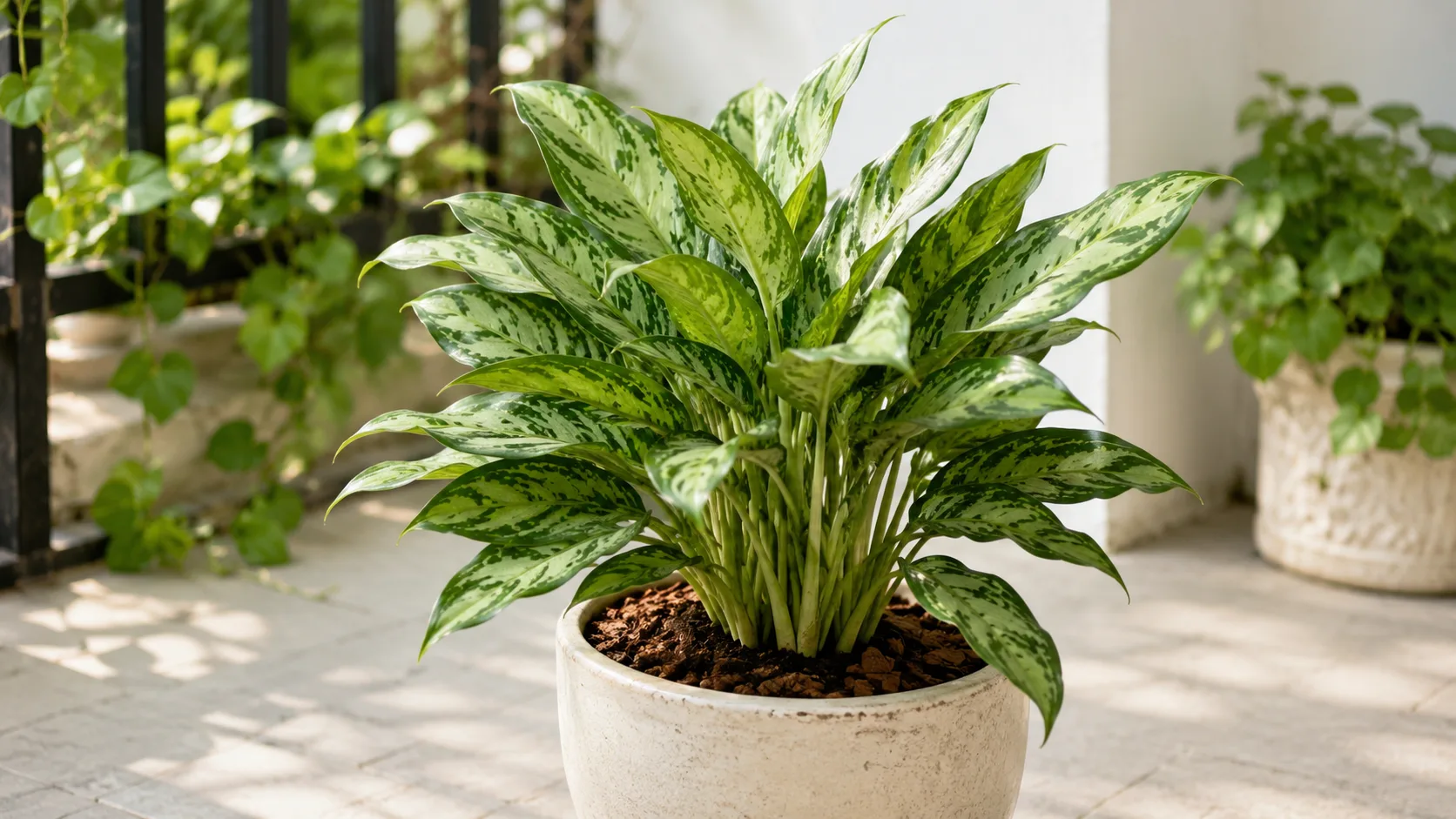
How to Propagate Aglaonema: Division and Cuttings
How to Propagate Aglaonema: Division and Cuttings
Aglaonema propagation is less about performing a clever trick and more about starting with the right piece of plant. A healthy division already carrying roots can become independent almost immediately. A stem cutting must first build a root system, so it needs more controlled moisture, warmth, and patience. In both cases, the new plant is a vegetative clone of its parent, which is useful when you want to preserve the foliage pattern and growth habit of a named Chinese evergreen cultivar.
The two dependable home methods are division and stem cuttings. University of Florida IFAS identifies cuttings and division of basal shoots or suckers as the principal propagation routes for Aglaonema, while NC State Extension also recommends division and stem cutting. Clemson Cooperative Extension lists tip cuttings, stem cuttings, division, and air layering among the genus’s options. For most indoor growers, division and cuttings give the best balance of access, control, and repeatable results.
How Aglaonema Propagation Works
Propagation asks living plant tissue to reorganize after separation. A divided shoot keeps part of an existing root system, so its job is mainly to repair damaged roots and re-establish contact with the new potting mix. A stem cutting has a harder job: cells near a viable node or wounded stem area must form adventitious roots before the leaves lose more water than the unrooted stem can replace. That difference explains why division is usually faster and why cuttings need closer environmental control.
Aglaonema is a tropical, herbaceous perennial in the aroid family, Araceae. Older plants often produce several stems or basal shoots in one pot, and some develop visible cane as lower leaves age and drop. Those structures create several propagation opportunities. A crowded clump can be separated at the roots, a leafy top can be rerooted, or a healthy bare cane can be divided into sections that retain active nodes.
Nodes, Basal Shoots, and Viable Stems
A node is a stem region capable of producing a leaf, shoot, or root. On a leafy aglaonema stem, nodes occur where leaf stalks attach or once attached. They may look like slight rings, ridges, scars, or swollen points rather than the obvious bumps seen on some vines. When taking a tip cutting, cut through healthy internodal tissue just below a node so the retained piece includes both viable stem and at least one growth point.
Basal shoots arise from the plant’s lower crown or underground stem system. The most useful ones have several leaves and roots of their own. The Royal Horticultural Society advises separating basal shoots with three or four leaves, ideally with roots attached, and commonly recommends doing so in spring. A tiny shoot without roots can survive separation, but it behaves more like a cutting and carries more risk than a rooted offset.
Viable stem should feel firm and look normally colored for the cultivar. Reject sections that are translucent, mushy, foul-smelling, hollow, badly shriveled, or spreading yellow-brown discoloration. A long bare stem is not automatically dead; if it is firm and its nodes remain sound, it can still be useful. The quality of the starting stem matters more than its visual perfection.
Why a Leaf Alone Is Not Enough
An aglaonema leaf may remain green in water for a surprisingly long time, and its cut petiole may even form callus-like tissue. That does not mean it can produce a complete plant. A detached leaf lacks the stem node and bud tissue needed to generate a new shoot, so leaf-only propagation is not a reliable method for Aglaonema. This distinction prevents months of waiting on a leaf that can survive temporarily but cannot become a rooted, growing Chinese evergreen.
If a leaf came away with a small piece of stem that includes a genuine node, it is better described as a stem or node cutting. Examine the base before discarding it, but do not mistake thick petiole tissue for a node. When uncertain, choose a longer section of healthy stem with clearly visible leaf scars. Sacrificing an extra centimeter of stem is usually preferable to creating a cutting with no growth point.
Choosing the Best Propagation Method
Division is the easiest and fastest method when the pot contains multiple rooted crowns or basal shoots. Each new section begins with roots and foliage, so there is no separate rooting stage. Use division when Aglaonema repotting guide a crowded plant, reducing the size of a clump, or separating an offset that can be teased away without destroying most of its roots. The trade-off is that you must disturb the entire root ball, and a single-stem plant may offer nothing to divide.
Choose a tip cutting when the plant has a healthy leafy top, especially if the lower cane has become bare. This method can rejuvenate a leggy specimen while creating a second plant. The remaining rooted stump may activate dormant buds if it stays healthy, although regrowth is not guaranteed at every node. A tip cutting is also easier to orient than a leafless cane section because the top and bottom are obvious.
Choose cane sections when you have a long, firm stem with several viable nodes. Cane propagation can produce multiple plants from one stem, but it is slower and less forgiving because each section has limited stored energy and no leaves initially. Mark the upper end before cutting; an upside-down section may fail even when the tissue is alive. If your goal is one strong replacement rather than the maximum number of plants, a longer tip cutting is generally the lower-risk choice.
The Best Time to Propagate Aglaonema
Propagate during active growth, usually spring through early summer in a temperate indoor setting. Longer days and warm rooms support faster root initiation and leaf replacement, and this timing agrees with the RHS preference for division in spring. Calendar season is not the only factor, however. A warm, bright indoor space can support propagation outside that window, while a cold windowsill in spring can still stall it.
Use environmental readiness rather than a date alone. The parent should be hydrated, producing or capable of producing healthy growth, and free of an uncontrolled pest outbreak. The rooting area should remain consistently warm, with bright filtered light and no cold drafts. If room temperatures repeatedly fall below the comfortable tropical range, waiting is safer than compensating with extra water, which increases rot risk without making cold tissue root faster.
Tools, Materials, and Safety
Use a sharp knife, bypass pruners, or fine snips that can make one clean cut without crushing the cane. Clean off debris, then disinfect the blade with an appropriate product such as 70% isopropyl alcohol and allow it to dry. Prepare small pots with drainage holes, labels, and the chosen rooting material before cutting. Having everything ready reduces the time fresh wounds remain on a dirty work surface.
For medium rooting, use a clean, fine but airy blend. A practical home mix is equal parts perlite and coco coir or a light seed-starting mix amended generously with perlite. The target is moisture around the stem without water filling every pore. Commercial production guidance from UF/IFAS emphasizes well-aerated rooting media with 10–20% air space, which reflects the central problem: new roots require oxygen, and persistently saturated media favor decay.
Wear gloves and keep cut material away from children and pets. Aglaonema contains insoluble calcium oxalate crystals, and its sap can irritate sensitive skin or mucous membranes. The ASPCA lists Chinese evergreen as toxic to dogs and cats, with chewing associated with oral irritation, drooling, vomiting, and difficulty swallowing. Wash your hands, tools, and work surface after handling, and do not leave trimmed leaves where an animal can investigate them.
Preparing the Parent Plant
For division, slide the plant from its pot and examine where individual stems join. Remove only enough loose mix to see natural boundaries between crowns and root clusters. White, cream, tan, or light-brown roots can be healthy depending on age and mix, but they should feel resilient rather than dissolve between your fingers. Cut away clearly rotten roots with sanitized tools, disinfecting again before making clean division cuts.
For stem cuttings, select a firm stem with normal growth and no suspicious discoloration near the planned cut. A leafy tip with four or five healthy leaves aligns with UF/IFAS commercial guidance, which recommends four or five leaves per cutting for best rooting and post-potting performance, though a home cutting can root with fewer if it retains sound nodes and enough stored energy. Remove only leaves that would sit in water or medium. Excessive defoliation reduces photosynthetic capacity, while too many large leaves can increase water loss, so balance the cutting rather than stripping it bare.
Decide the destination of every piece before the first cut. Mark cane orientation with a small line near the upper end, label cultivars, and premoisten rooting medium so it is evenly damp but not dripping. If rescuing a rotting stem, keep cutting upward in small increments until the cross-section is uniformly firm and clean. Sterilize the blade between cuts so contaminated sap is not dragged into healthy tissue.
Method 1: Propagating Aglaonema by Division
Choose pots only slightly larger than each division’s root mass. Oversized pots hold wet mix beyond the reach of the reduced root system, which makes watering harder to judge. Use a free-draining houseplant mix and keep the crown at the same depth it occupied before separation. Burying stems deeply does not make a weak division stronger; it can keep vulnerable crown tissue wet.
Separating Rooted Basal Shoots Step by Step
- Unpot the plant carefully. Support the stems near the soil line, tip the container, and ease out the root ball rather than pulling on foliage.
- Find natural divisions. Trace basal shoots downward and identify groups with their own roots. Favor shoots carrying several leaves and a useful root cluster.
- Tease roots apart. Work from the bottom and outside of the root ball. Untangle flexible roots with your fingers instead of ripping the crowns in opposite directions.
- Make a clean cut if needed. When crowns share a thick connecting stem or densely interlocked roots, use a sanitized blade. Preserve more roots than you think the small shoot needs.
- Trim only damaged tissue. Remove mushy or broken roots, but do not prune healthy roots merely to fit a pot. Choose a suitable pot instead.
- Pot at the original depth. Spread roots over a small layer of mix, fill around them, and firm lightly enough to remove large voids without compressing all the air from the medium.
- Water once to settle. Allow excess water to drain completely. Do not leave the new division standing in a cachepot full of runoff.
Place the divisions in warm, Aglaonema light guide. A little drooping can follow root disturbance because the reduced root system is temporarily less efficient, but worsening collapse demands inspection. Keep the mix lightly and evenly moist during early recovery, never continuously saturated. Do not fertilize immediately; fresh mix and functioning roots are more important than added salts while wounds are healing.
Method 2: Propagating Aglaonema From Stem Cuttings
Stem propagation depends on retaining viable nodes and preventing the unrooted piece from dehydrating or rotting. Make each cut cleanly, then inspect the exposed surface. Healthy interiors are typically pale and firm rather than wet, brown, or translucent. If disease is suspected, continue cutting back to clean tissue and do not reuse the blade before disinfecting it.
Taking a Tip Cutting
Choose a healthy top section long enough to include several leaves and multiple nodes. Cut just below a node, making sure the lowest node will be submerged in water or inserted into medium. Remove leaves from that lower portion, because buried leaf stalks decay and submerged foliage fouls the water. Retain the upper leaves unless they are damaged or the cutting is so large that modest leaf reduction is needed to limit water loss.
For medium propagation, make a narrow planting hole first so insertion does not scrape the stem. Place at least one node below the surface, firm the medium gently around the cutting, and water enough to settle it. Do not drive the stem to the bottom of the container or bury a large length of cane. A shallow, stable placement exposes the rooting zone to more oxygen and makes early rot easier to notice.
For water propagation, use a clean vessel and submerge the lowest node while keeping all leaves above water. A narrower opening can support the cutting, but avoid cramming several stems together where they rub and become difficult to inspect. Place the vessel in bright indirect light and refresh the water when it clouds, smells stale, or develops debris. Clean water supports observation; it does not need fertilizer during initial root formation.
Using Bare Cane Sections
A long leafless cane can be cut into sections containing at least one sound node, though two nodes provide more margin for error. Mark the top of every section before separating them. You can place each piece vertically with its original lower end down, or lay it horizontally on damp, airy medium with part of the cane exposed. Horizontal placement is useful when orientation is uncertain, but the contact zone must remain moist without being buried in a soggy layer.
Cane pieces have no leaves to show immediate hydration stress, so inspect the stem itself. It should remain firm while buds swell or roots emerge. Mild surface wrinkling can occur, but progressive shriveling suggests insufficient moisture or dead tissue, while softness and darkening indicate decay. Do not repeatedly dig up a viable section to look for roots; every inspection can break delicate initials and reopen contact with contaminants.
Rooting in Water Versus Rooting Medium
Both water and a porous medium can root aglaonema stem cuttings. The best choice depends on whether you value visibility or a simpler transition into long-term potting mix. Water lets you see the submerged stem, remove decaying tissue early, and watch roots form. It also creates roots adapted to a continuously aquatic environment, so moisture management becomes critical when the cutting moves to soil.
An airy medium hides root development but allows roots to form in conditions closer to the final pot. It supports the cutting physically and avoids a full water-to-soil transition. Its main risk is invisible overwatering on Aglaonema: the surface may look dry while the lower pot remains saturated. Using a small container, a porous blend, and the pot’s weight as a moisture cue reduces that risk.
|| Factor | Water rooting | Airy rooting medium | ||---|---|---| || Root visibility | Excellent | Limited | || Stem inspection | Easy | Requires care | || Moisture consistency | High, but oxygen declines in stale water | Good when mix is damp and porous | || Rot risk | Higher with dirty, stagnant, or deeply submerged stems | Higher with compacted or saturated mix | || Transition to potting mix | Requires acclimation | Usually smoother | || Best for | Growers who monitor often and want visible progress | Growers who can judge medium moisture reliably |
Building the Right Rooting Environment
Warmth is a major driver of rooting. Aim for a stable tropical indoor range, roughly 21-27°C (70-80°F), rather than alternating between a warm afternoon and a cold night beside glass. Clemson Cooperative Extension places Chinese evergreen in warm indoor conditions with 68–80 °F as the preferred range, and cold combined with wet media is a familiar route to stem and root problems. Bottom heat can help in a cool room, but measure the actual medium temperature instead of assuming a heat mat is gentle.
Provide bright, indirect light. Low light slows energy production and keeps wet media damp longer, while direct midday sun can overheat a bagged cutting or scorch leaves before roots can replace lost water. A position near an east window, behind a sheer curtain, or under a moderate grow light often works. Rotate only if needed for balanced growth; constant moving makes it harder to evaluate whether the original location is suitable.
Humidity reduces leaf water loss, but it should not eliminate airflow. A clear bag loosely tented over a cutting can be useful in dry air, provided the leaves do not stay wet and the enclosure is opened periodically. Condensation streaming down the walls means the setup may be too sealed or too warm. If the cutting remains firm without a cover, open-room humidity is often simpler and safer.
Watering and Aftercare During Rooting
For a cutting in medium, moisture should resemble a wrung-out sponge: evenly present but not freely dripping. Water when the upper layer begins to lose moisture and the small pot feels lighter, then drain it fully. Do not follow a rigid weekly schedule. Pot size, temperature, humidity, medium composition, and root development change the drying rate, so the cutting itself and the pot’s weight are better guides.
An unrooted stem cannot use water at the rate of an established plant. Keeping the mix extra wet does not force roots to appear; it reduces oxygen and favors microbes that break down wounded tissue. Conversely, allowing the medium to become bone dry can desiccate root initials. The correct zone is narrowest during the first stage, which is why small pots and well-aerated materials are more controllable than large volumes of ordinary potting soil.
For water-rooted cuttings, top up evaporation with clean water and replace the contents when quality declines. Wash the vessel if a slippery film develops. Keep only the node and lower stem submerged, not a large portion of cane. If the cut end stays firm and the water remains reasonably clear, changing it on a fixed daily schedule is unnecessary and can cause avoidable handling damage.
How Long Aglaonema Takes to Root
Aglaonema cuttings commonly need several weeks to a few months to build a usable root system. Warmth, cultivar, stem maturity, cutting size, light, and method all affect the pace, so a promise such as “roots in exactly four weeks” is not dependable. Division is faster because roots are already present, although divided plants may still pause while damaged roots recover. Bare cane sections are often slowest because they must activate buds as well as form roots.
Look for multiple signals instead of relying on the calendar. In water, healthy roots should lengthen, branch, and remain firm rather than turn slimy. In medium, a rooted cutting begins to resist a very gentle pull, stays hydrated for longer, and eventually produces new growth. Do not tug repeatedly; resistance is a one-time confirmation after sufficient waiting, not a daily test.
New leaf growth is encouraging but can be misleading if a cane is running on stored reserves. A better checkpoint is continued growth combined with stem firmness and evidence of roots. Likewise, an old leaf turning yellow does not automatically mean failure; the cutting may reallocate resources while rooting. Rapid yellowing of several leaves, stem softness, foul odor, or collapse is a warning that needs immediate inspection.
Potting Up and Acclimating New Plants
Pot a water-rooted cutting when it has several healthy roots with some branching rather than one fragile thread. Roots around 5-8 cm (2-3 inches) long often provide a practical starting point, but structure and health matter more than an exact measurement. Use a small pot with drainage and an airy houseplant mix. Hold the cutting at the correct depth, spread roots gently, fill around them, and avoid snapping them by forcefully compressing the soil.
Water thoroughly after potting so mix settles around the roots, then let excess drain. For the first couple of weeks, keep the mix slightly more consistently moist than you would for an established aglaonema because water-grown roots are adjusting to a less continuously wet environment. That does not mean leaving the pot saturated. Gradually move toward a normal wet-dry rhythm as the plant remains firm and begins active growth.
Acclimate high-humidity cuttings before exposing them fully to room air. Open the cover for progressively longer periods over several days while monitoring leaf firmness. Keep light bright but filtered and avoid fertilizing until the plant has settled. A newly independent aglaonema is established when it maintains hydration under ordinary room conditions and produces continuing growth, not merely when it has been placed in a decorative pot.
Troubleshooting Propagation Problems
A soft, dark, or foul-smelling stem indicates rot. Remove the cutting, sterilize the blade, and cut back to uniformly firm, clean tissue. Discard affected sections and contaminated medium, wash the vessel or pot, and restart with lower moisture, better aeration, and stable warmth. If no sound node remains, the cutting cannot be saved. Applying cinnamon or other household powders does not replace excision and sanitation.
A cutting that droops immediately may be losing water faster than it can absorb it. Move it away from direct sun, confirm that the medium is evenly moist rather than dry or flooded, and raise humidity moderately. If the base is firm, give it time. If the base is soft, added humidity will not solve the underlying rot. Very large cuttings may benefit from removing one lower leaf, but avoid stripping away most of their photosynthetic surface.
A firm cutting with no roots may be too cool, too dark, incorrectly oriented, or missing a viable node. Move it to stable warmth and brighter indirect light, then stop disturbing it. For a cane section, confirm orientation and node placement. If the cutting consists only of a leaf and petiole, waiting longer will not create the missing stem bud. Replace it with a genuine node cutting.
Water roots that turn brown are not always rotten. Some roots stain from organic matter or age, so test texture and smell. Healthy roots are firm; rotten roots become slimy, collapse, and may smell sour. Trim decayed roots with clean tools, refresh the vessel, and reduce submerged stem length. When potting, remove only damaged roots rather than pruning all water roots to make them “adapt.”
Conclusion
The most reliable way to propagate aglaonema is to match the method to the plant in front of you. Divide a mature clump when you can preserve rooted basal shoots; take a tip cutting when you want to reroot a healthy crown or rejuvenate a bare stem; use cane sections when sound nodes remain and you accept a slower process. Every successful method begins with firm tissue, a viable node or existing roots, clean tools, and protection from excess moisture.
Water rooting offers visibility, while an airy medium usually creates a smoother path into ordinary pot culture. Whichever route you choose, judge progress by firm stems, branching roots, sustained hydration, and continuing growth rather than a rigid deadline. Stable warmth, bright indirect light, measured moisture, and minimal disturbance do more than constant intervention. Once the new plant can maintain itself under normal room conditions, propagation is complete.
When to use this page vs other Aglaonema guides
- Aglaonema overview - Start here for whole-plant context before deep-diving this topic.
- Aglaonema problems hub - Jump to symptom-specific fix guides when this care topic does not resolve the issue.
Related Aglaonema guides
- Aglaonema overview
- Aglaonema watering
- Aglaonema light
- Aglaonema soil
- Aglaonema fertilizer
- Aglaonema repotting
- Aglaonema problems
Related tool
Try the Propagation Success Calculator with aglaonema pre-selected to estimate needs for your setup.