23 Budget Front Yard Landscaping Ideas
Twenty-three budget front yard landscaping ideas with real cost tiers, weekend project order, and DIY pitfalls—so you spend on edges and paths before impulse plants.
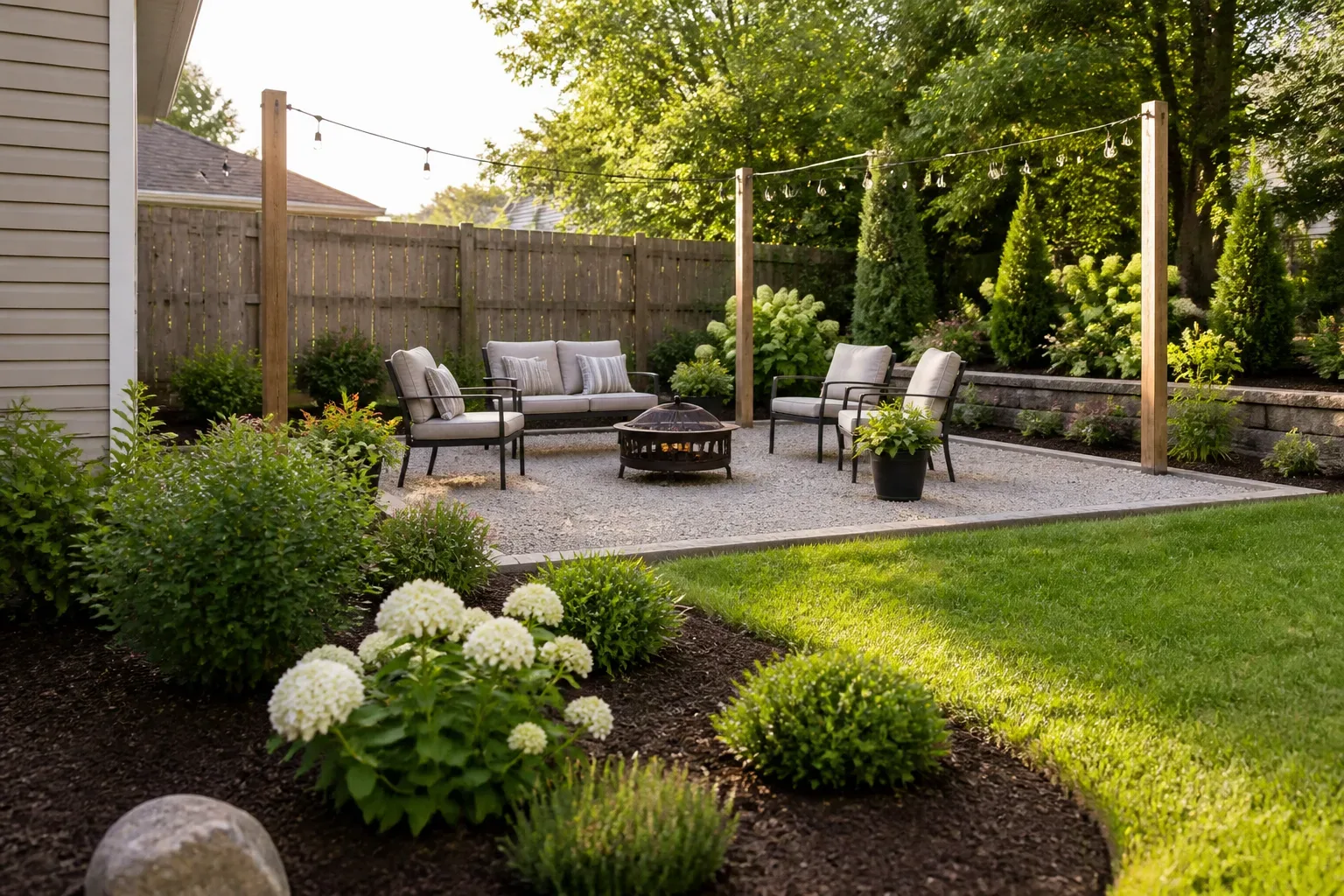
A front yard looks expensive when it has clear edges, repeated plants, and one path that knows where it is going. It looks cheap when you buy six different perennials in six different colors and plant them in bare soil with no outline. The twenty-three ideas below are not a shopping list you tackle in random order. They are tools you combine after you decide how much time and money you actually have this month—and whether your real problem is weeds, drainage, thirsty lawn, or a porch that photographs flat from the street.
Plan the Makeover Before You Buy Anything
Budget front yard landscaping fails in the checkout line, not in the garden. UF/IFAS landscape planning guidance starts with knowing your yard: regional climate, sun and shade at different times of day, soil texture, and how water moves across the lot (UF/IFAS ten planning tips for design). Match plants to those conditions and you buy once. Ignore them and you rebuy the same hydrangea every July.
Weekend budget tiers: what $50, $200, and $500 actually finish
| Tier | Typical scope | Best for |
|---|---|---|
| ~$50 | Spade edge along beds, hand-weeding, two porch pots with annuals, solar path lights | Renters, listing prep, first visible win |
| ~$200 | Bulk mulch (2–3 in. depth), gravel + stepping stones for a short path, window box soil and plants, mailbox hardware | Most suburban front yards needing a refresh |
| ~$500 | Edging material, raised bed lumber and fill, small recirculating fountain, repeated shrubs (3–5 of same cultivar), birdhouse post | Homeowners staying 3+ years who want structure |
Those numbers assume DIY labor. Professional installation of the same materials often doubles the bill. Industry surveys frequently place complete yard landscaping from scratch in the $1,400–$5,700+ range depending on size and hardscape; a budget refresh is a different project—a phased polish, not a redesign.
Does landscaping pay back at sale? The National Association of Realtors Remodeling Impact Report on outdoor features notes that quality landscape upgrades can recover a large share of cost in favorable markets. That is not a promise every window box pays for itself. Neglected yards still hurt curb appeal; overbuilt hardscape in the wrong climate becomes a maintenance liability.
The spend order that makes cheap projects look expensive
Phase 1 — outline: Remove weeds, cut a consistent bed line, rake debris, and fix anything sloppy visible from the curb. Phase 2 — surfaces: Mulch, gravel paths, edging, pots, lighting, mailbox, small water basin—anything that makes the yard read intentional. Phase 3 — plants: Fill beds with repeats of a few right-fit species, groundcovers where lawn struggles, and one tree if you have room and setback.
Resist buying a statement tree or prefab fountain before the bed outline exists. Those purchases look like progress but sit awkwardly when surrounding soil is still weedy. For broader layout sequencing, see our landscape design for beginners guide and the phased approach in landscaping on a budget.
Call 811 before digging posts, trees, or raised beds in the United States. Know your HOA rules for fence height, front-yard structures, and visible compost bins before you build.
Beds, Mulch, and Lawn Swaps (Ideas 1–6)
1. Window boxes for instant porch color
Window boxes are the fastest color lift for a flat façade because they sit at eye level where visitors actually look. Build from cedar or buy prefab boxes with drainage holes; line with coco coir or landscape fabric so soil does not wash onto siding. Match plants to sun: petunias and calibrachoa for full sun, coleus and begonias for shade.
Budget: $40–$120 per box with soil and annuals. Pitfall: Overfilling boxes so water sheets over the rim and rots trim. Water until it drips from holes, not until soil floats. For porch-appropriate species, see best plants for curb appeal.

2. Defined flower beds with two-plant repeats
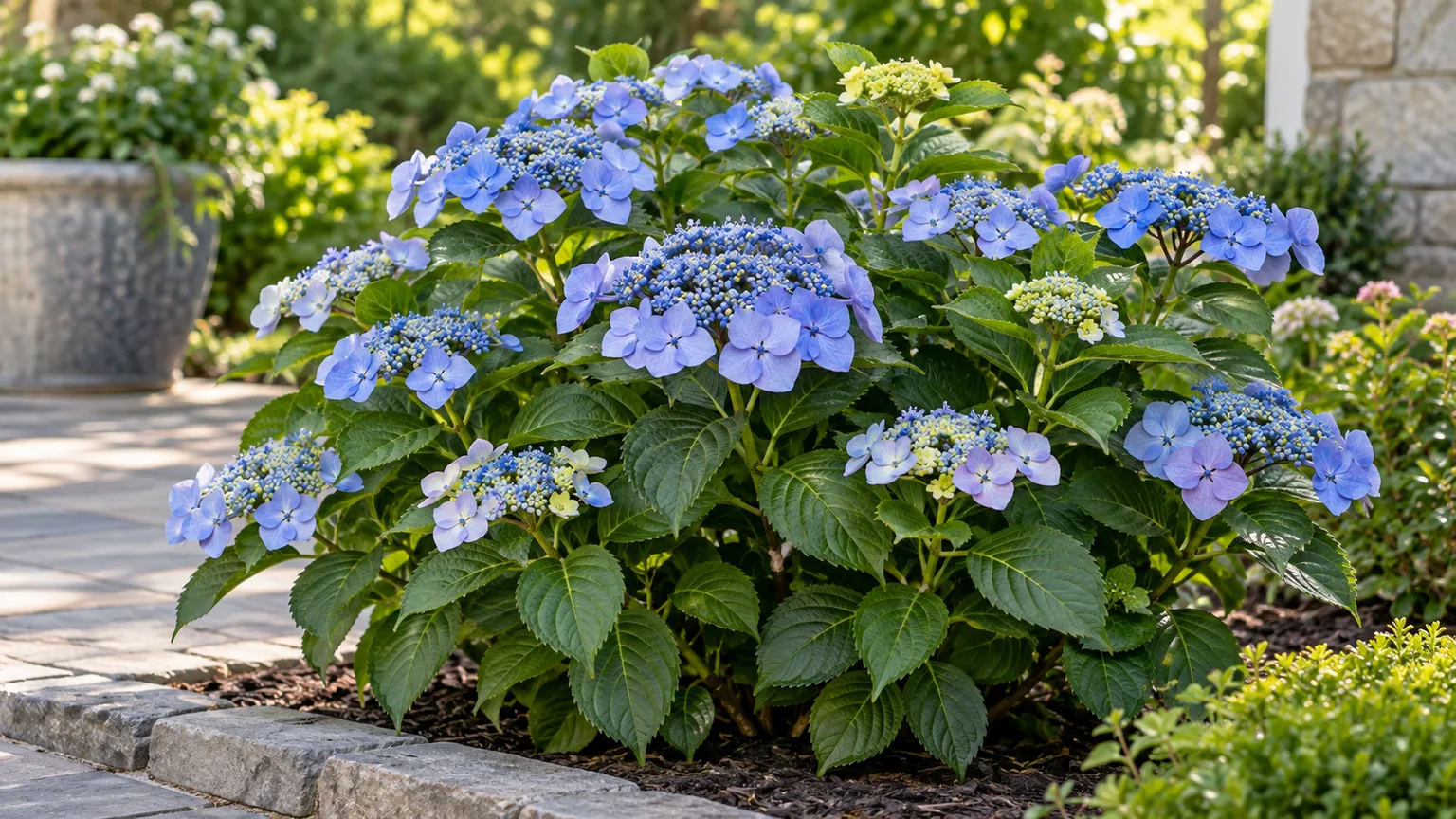
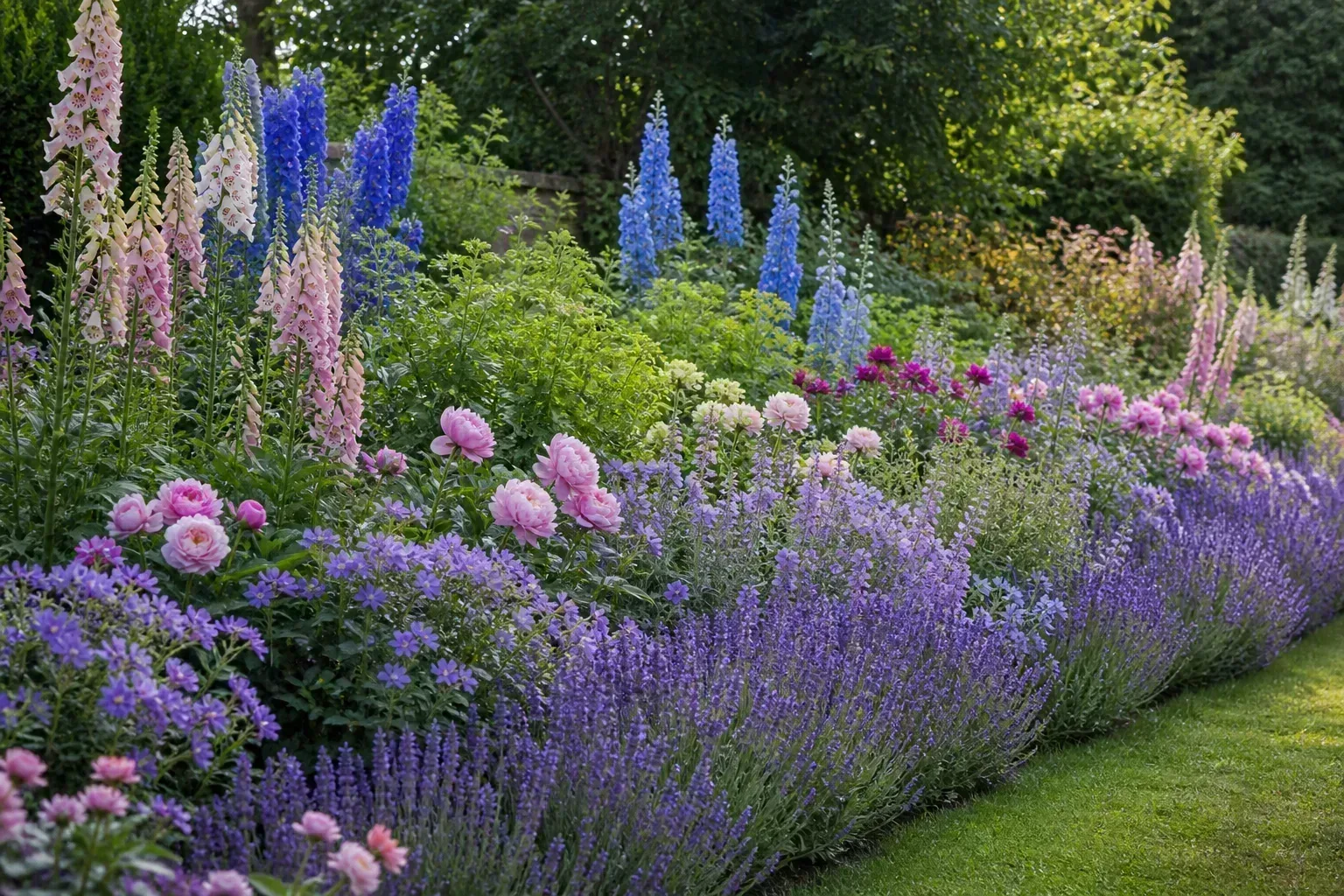
Flower beds do not need retaining walls on day one. A cut edge plus mulch often looks more polished than a low box with one struggling shrub. Keep plant choices simple: one evergreen backbone (boxwood, inkberry, dwarf juniper) and one seasonal bloomer (hydrangea, spirea, daylily) repeated in odd-numbered groups of three or five.
Buying six of the same shrub often qualifies for nursery bulk pricing and creates cohesion faster than six different impulse pots. Pull mulch a few inches back from woody stems—volcano mulching against trunks invites bark rot and vole damage.
3. Fresh mulch and a machine-cut bed edge
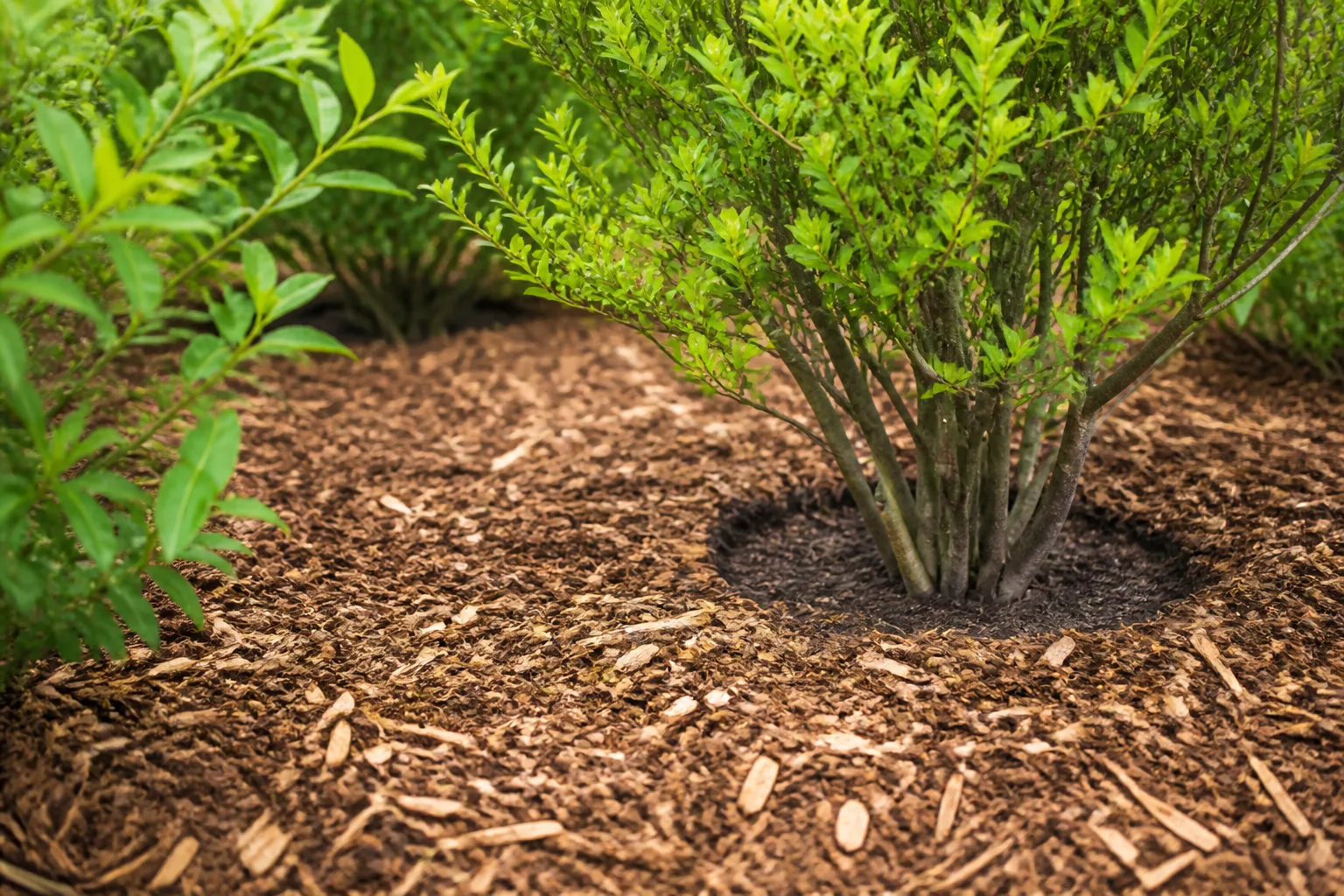
Mulch is the highest return-per-dollar weekend project in most front yards. Spread 2–3 inches of shredded bark or wood chips after edging; pull back from crowns and trunks. Mulch conserves soil moisture, moderates temperature swings, and suppresses many weeds when depth is correct (USDA People’s Garden mulch guidance).
Bulk vs. bagged: For anything beyond a tiny foundation bed, bulk delivery priced per cubic yard beats repeated 2-cubic-foot bags on cost and color consistency. Calculate volume before ordering. When mulch fails: Fresh wood chips piled against siding can hold moisture on foundation walls—leave a gap.
4. Raised beds where drainage is the real problem
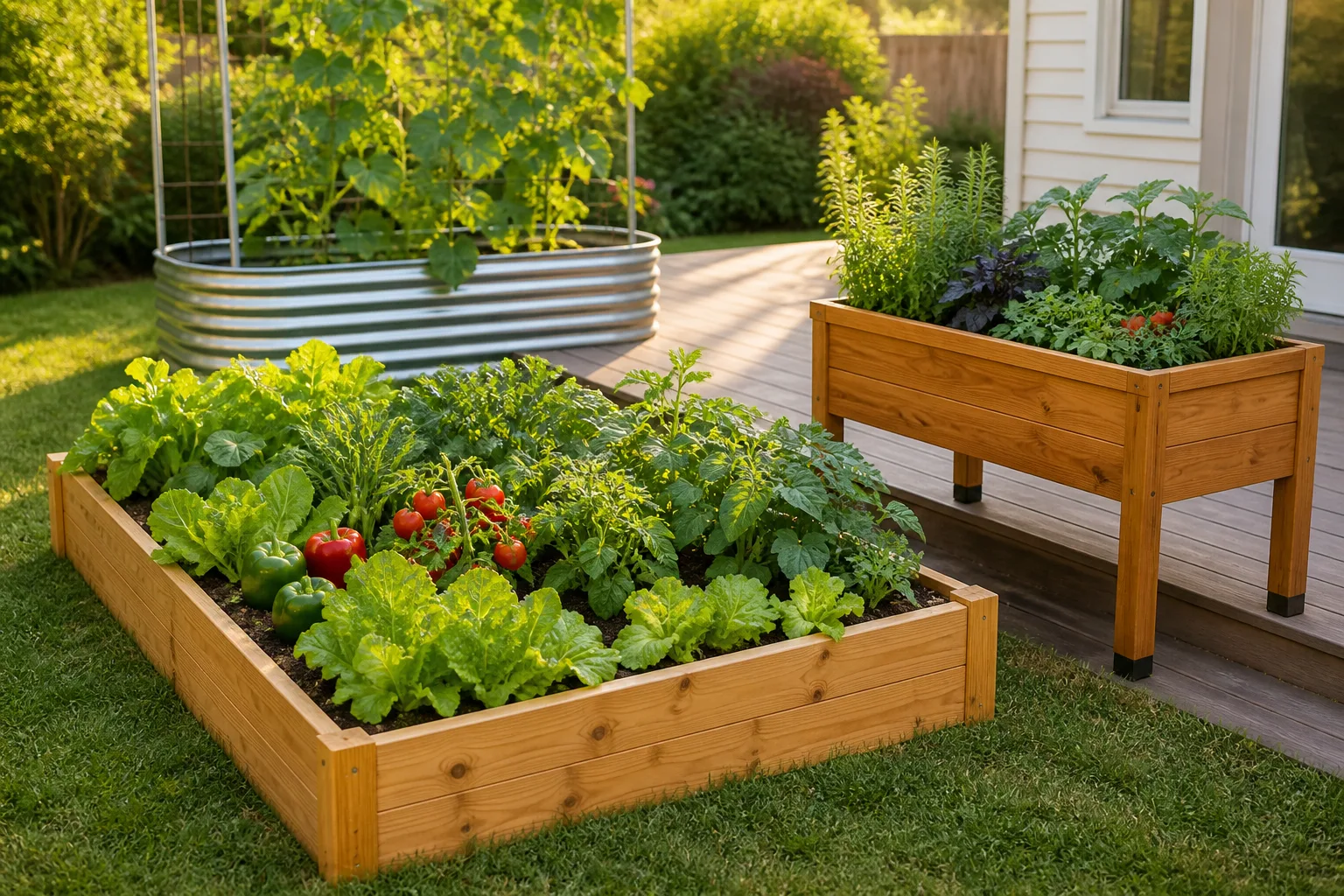
Raised beds help front yards with compacted clay, sidewalk runoff, or chronic puddles—not because they look trendy. Elevated soil drains faster and warms earlier in spring. Keep height modest (12–18 inches) along public sidewalks for sight lines and code clearance.
Use untreated cedar or composite boards; avoid old railroad ties near edibles unless you know they are untreated. Our inexpensive raised garden bed ideas guide covers fill math so lumber is not the only line item you budget.
5. Xeriscape strips that shrink thirsty lawn
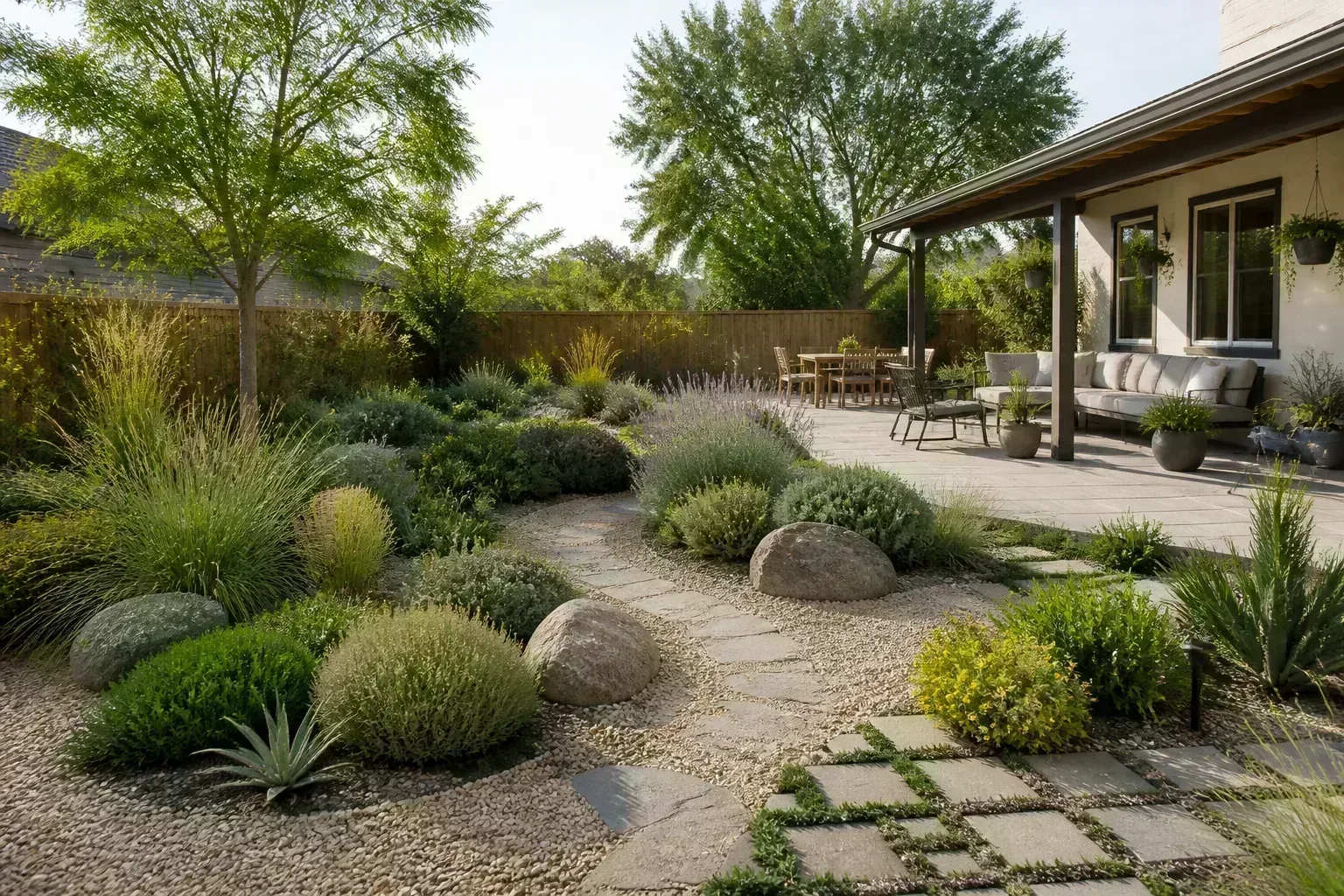
Xeriscaping is landscape design that reduces supplemental water after establishment—not a single rock-pile aesthetic. In drought-prone regions, replacing unused lawn strips with gravel, boulders, and drought-adapted natives cuts long-term water bills and replacement plants that die in August heat.
Group plants by water need (hydrozoning) so one sprinkler schedule does not drown succulents while starving a new tree. EPA WaterSense recommends region-appropriate plants and irrigation matched to actual need (EPA WaterSense what to plant). For plant and hardscape combos, see desert landscaping ideas.
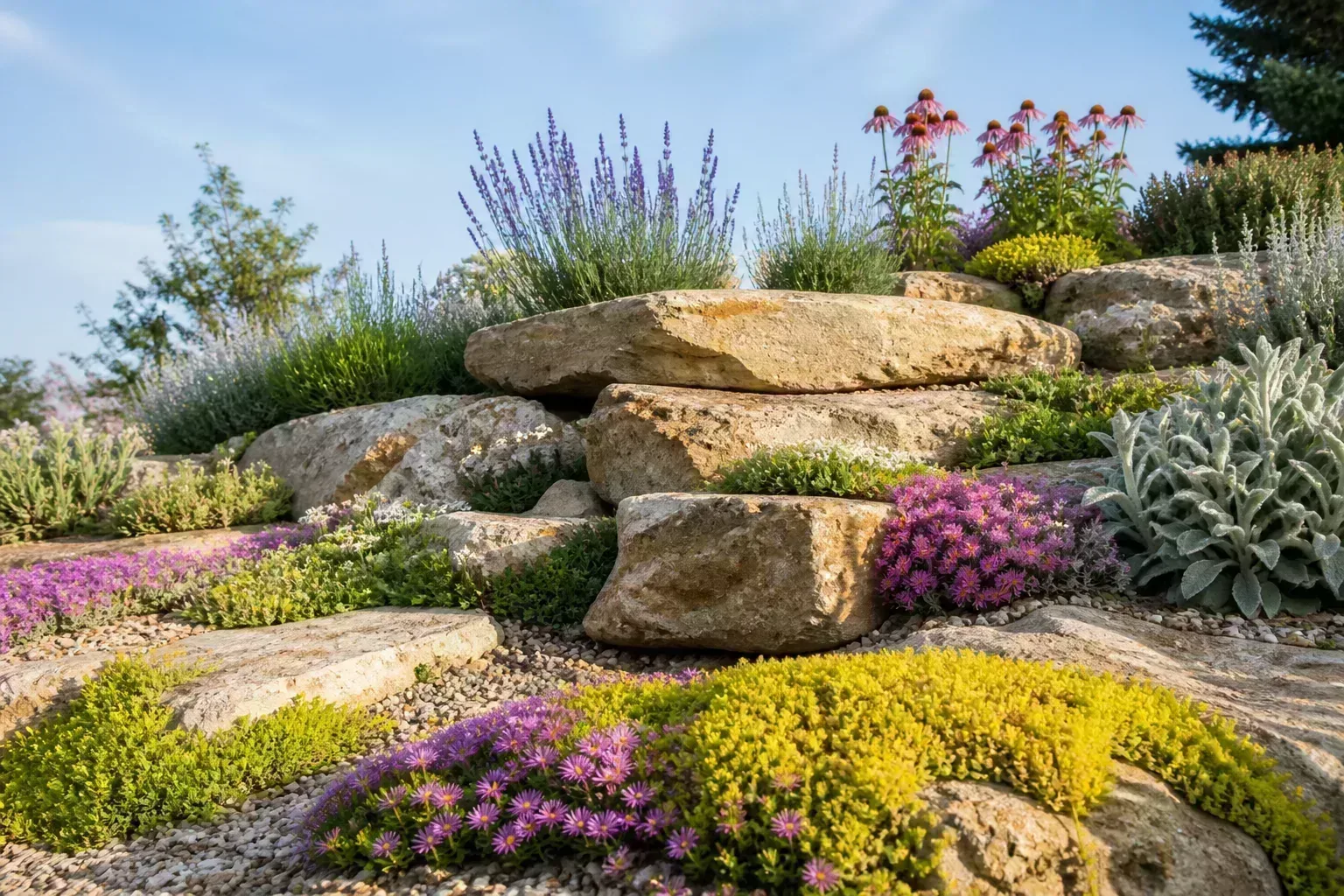
6. Rock gardens and gravel accents with purpose
Rock features work when they solve slope, drainage, or heat—not when you dump a truck of river stone on plastic without plants. Dry stream beds move rainwater away from foundations; rock gardens on berms showcase alpines and sedums in fast-draining pockets.
Sourcing rock from construction sites or municipal yard-waste programs can cut material cost; always get permission. Edge gravel beds or it migrates into lawn and sidewalk cracks within one season. Pair stone with spine plants from our rock garden plants coverage so the bed does not read as leftover fill.
Paths, Containers, and Curb-Line Structure (Ideas 7–12)
7. Gravel paths with stepping stones
Pea gravel and stepping stones cost far less than poured concrete and drain well when the base is compacted. Excavate 3–4 inches, add compacted road base, optional landscape fabric only under stone (not under future planting beds), then 2 inches of gravel with flat pavers set slightly above grade for a stable footfall.
Budget: $2–$6 per square foot DIY in many regions. Pitfall: Skipping compaction—gravel sinks and ruts within a year. For path width and arrival sequencing, align with landscape design for beginners.

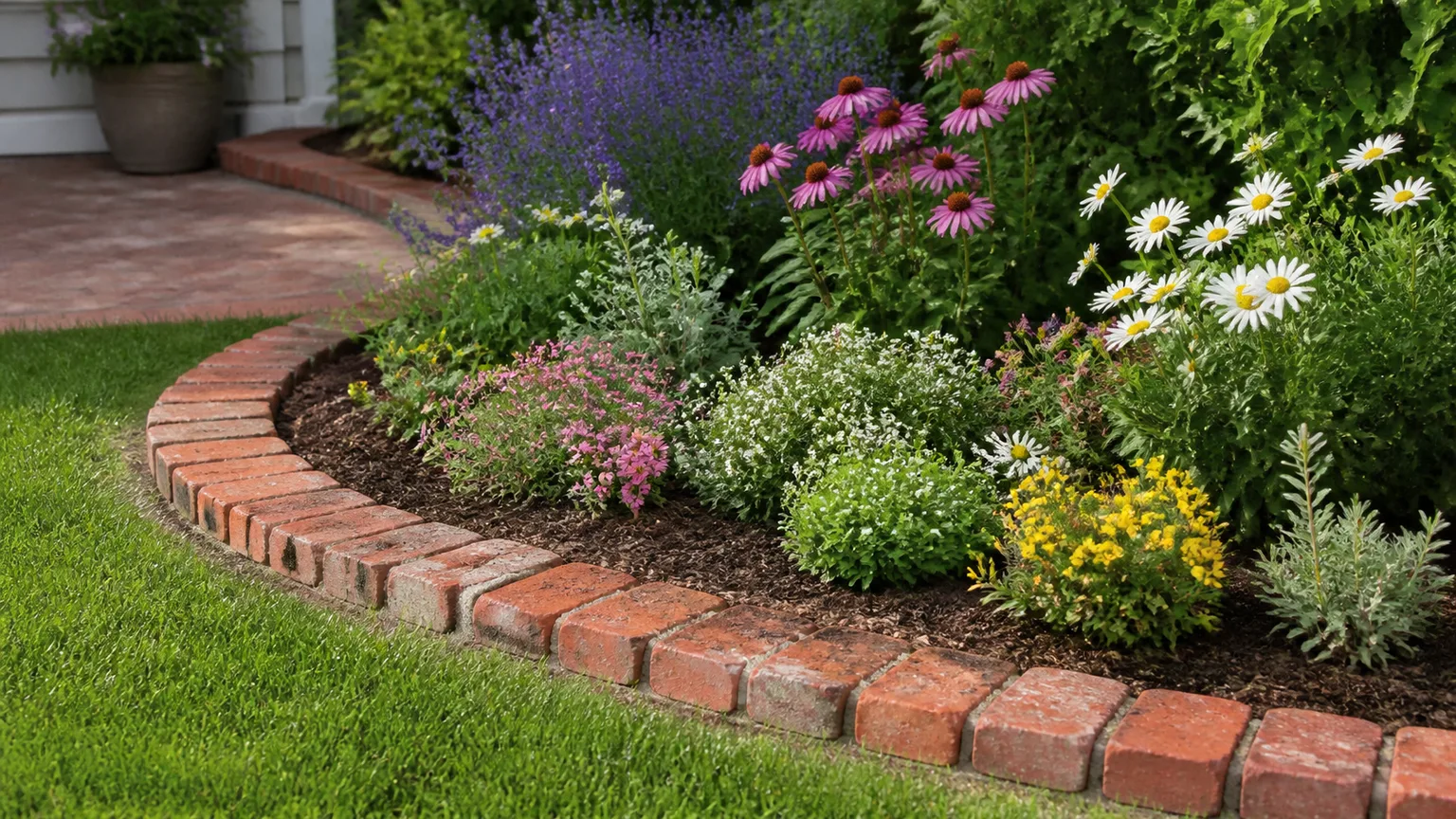
8. Landscape edging that survives mower creep
Edging is the line between “landscaped” and “lawn with random shrubs.” Options ranked by cost: spade-cut edge (free, refresh twice yearly), steel or aluminum strip (moderate, clean modern line), brick or stone (higher upfront, decades of service). Plastic bender board is cheap but heaves in freeze-thaw climates.
Install edging so the top is flush with soil, not proud enough to catch mower decks. Our best landscape edging guide compares materials by longevity and install difficulty.
9. Oversized porch pots as focal points
Two large pots flanking the front door deliver bed-scale impact without digging. Use frost-proof ceramic or lightweight composite in cold climates; drill drainage if missing. Evergreen structure (dwarf arborvitae, boxwood ball) plus trailing annuals gives year-round bones with seasonal swap.
Weight warning: Large pots on wooden porches may exceed load limits—check spans and use pot feet for drainage air gap.
10. A dry-laid walkway without pouring concrete
If grass is healthy along the route, individual pavers set in sand over compacted gravel create a landing strip without killing the whole lawn. Stagger joints, maintain 1/8-inch slope away from the house, and sweep polymeric sand into joints only when you are ready for semi-permanent lock—regular sand is easier to reset.
Salvaged brick from marketplace listings works when colors are consistent; sort by thickness before laying.
11. Vertical gardens on fences and narrow walls
Vertical planting saves depth on skinny lots: pocket planters, gutter gardens, or trellis vines on a south-facing fence. Choose self-watering pockets or expect daily hose duty in summer. Vines like clematis or jasmine need trellis airflow and annual pruning so they do not pull fence boards loose.
Mount hardware into studs or masonry anchors—not vinyl siding alone. For DIY formats, see DIY vertical garden ideas patterns adapted to front privacy walls.

12. Ornamental grasses for year-round texture
Tall grasses—fountain grass, pink muhly, miscanthus—add movement and hide utility boxes when sited correctly. Plant odd-numbered drifts (three or five) rather than one lonely clump. Cut back in late winter before new growth; check invasive potential for miscanthus in your state.
Grasses shine where lawn struggles: baking parkway strips, slopes, and hellstrips. See low-maintenance ornamental grasses for species matched to your zone.

Shade, Screening, and Long-Term Payoff (Ideas 13–17)
13. One right-sized shade or street tree
A single well-placed tree beats five shrubs for curb presence and summer cooling. Choose species whose mature height and width fit the space—avoid planting a 40-foot shade tree under power lines. Fall and early spring are standard planting windows; water weekly through the first growing season.
Set trunk center at least half the mature spread from the foundation plus airflow gap. Deciduous trees on the south side can cut cooling bills; evergreens on the north block winter wind without shading the house in summer.
14. Low front-yard fencing for pets and definition
A 3–4 foot picket or horizontal-slat fence defines the yard without fortress vibes. Check municipal setback rules and HOA palettes. Leave sight triangles clear at driveways for safety.
Pressure-treated posts with cedar or composite boards balance cost and rot resistance. Paint or stain before install to coat cut ends.
15. A simple bench or built-in seat ledge
A bench turns a front yard from pass-through space into somewhere you actually sit. Cedar 2×4 designs with angled backs survive outdoors; anchor to concrete pads in windy corridors. Face seating toward the street or garden focal point—not the neighbor’s bathroom window.
16. Mailbox upgrade that matches the house
Swapping a bent aluminum box for a wood post and house-number plaque is a half-day project with outsized polish. Use galvanized or stainless fasteners, set post in concrete below frost line, and align box height to local postal guidelines (often 41–45 inches to bottom of box).
Match paint or stain to door trim for cohesion.
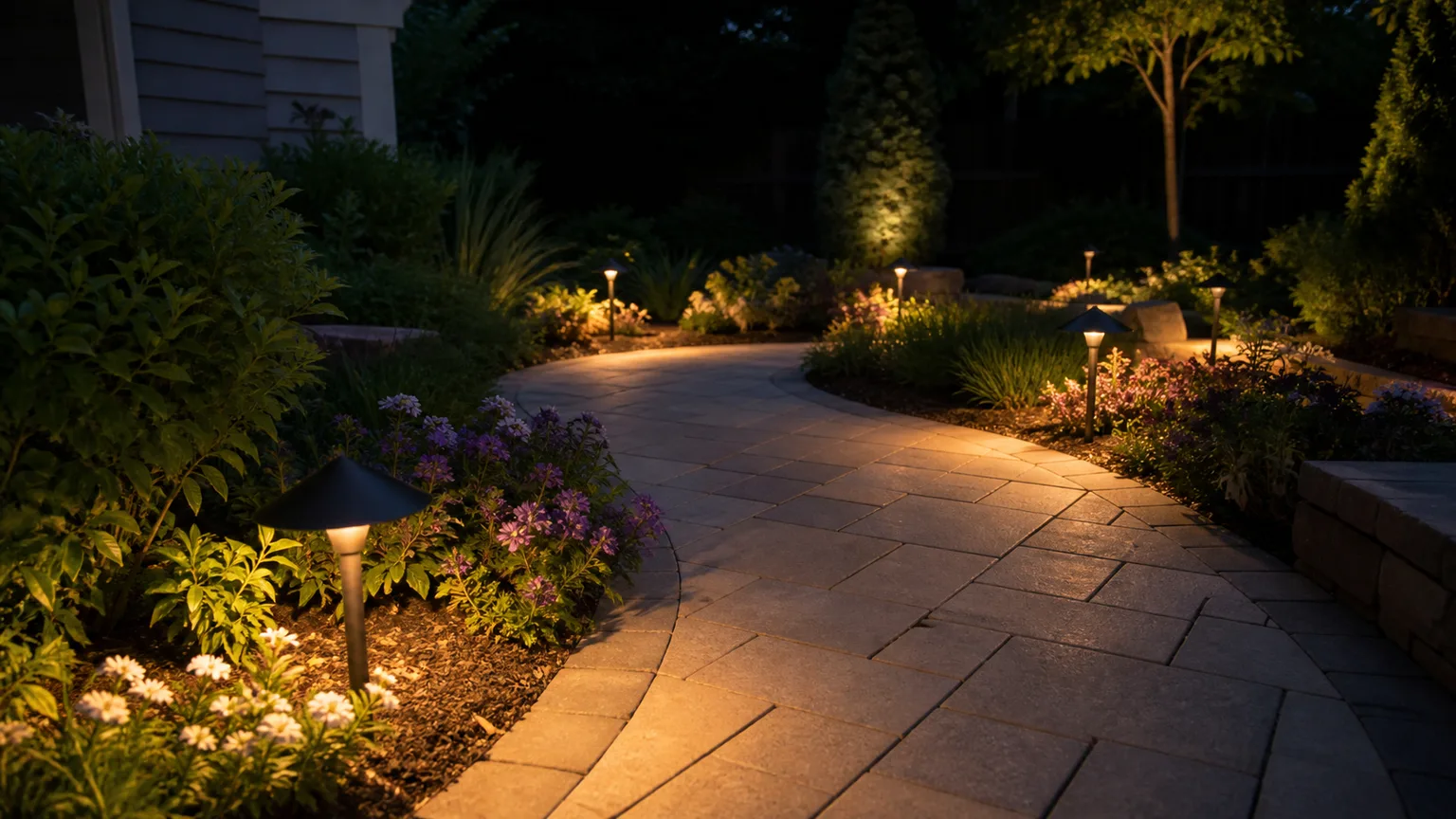
17. Outdoor lighting for paths and the porch
Layer path lights low along walkways and warm porch fixtures at the door. Solar units are cheapest upfront but dim in deep shade; low-voltage LED kits cost more but perform reliably. Aim path lights at paving, not neighbor windows.
Keep transformers and connections weather-rated; bury cable at required depth. For layout inspiration, see path lighting placement in our backyard lighting coverage.
Personality, Water, and Low-Maintenance Finishing (Ideas 18–23)
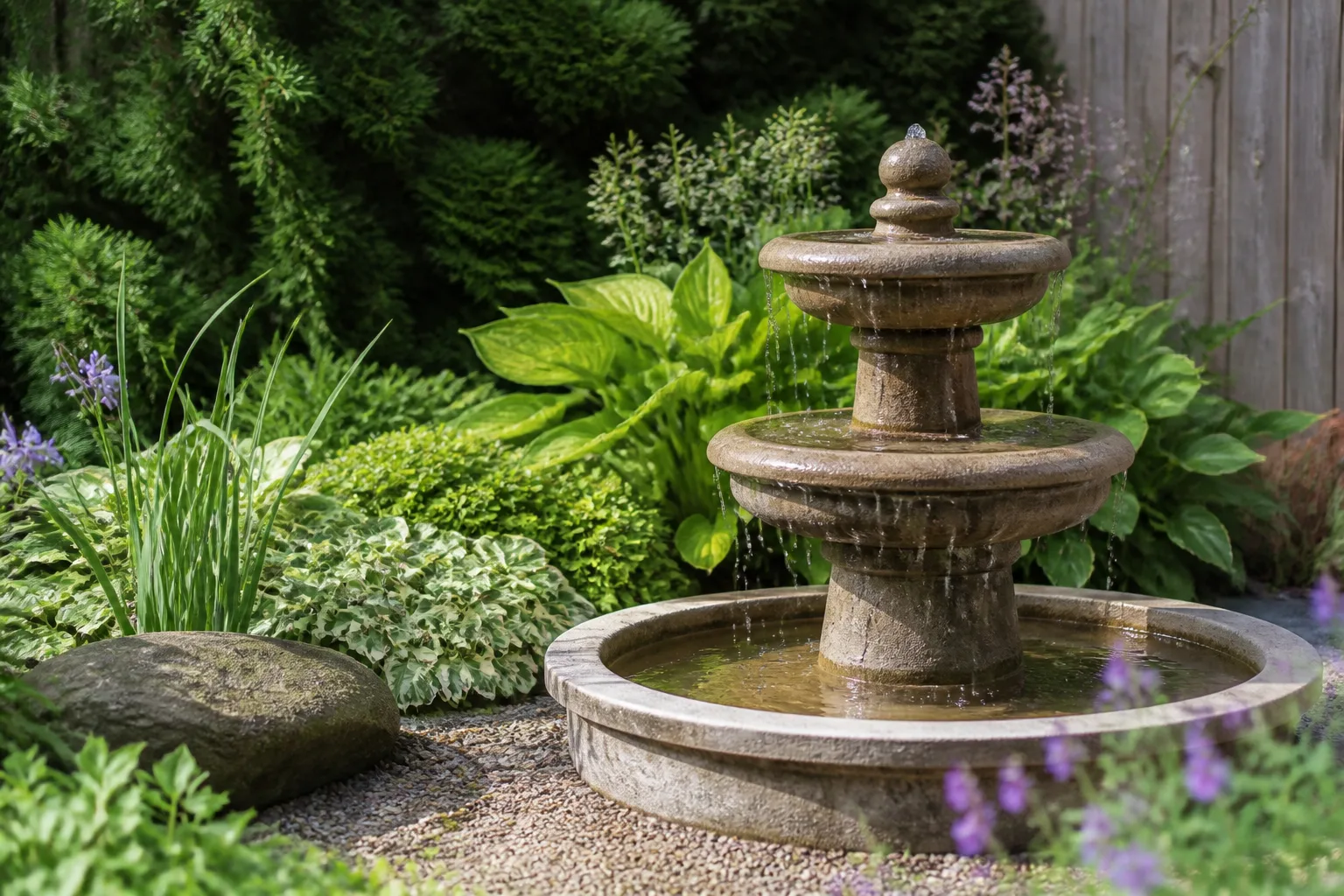
18. Small recirculating water features
A tabletop or urn fountain adds sound without pond permits or mosquito basins. Recirculating pumps reuse the same water; top off weekly in summer. Place on a level pad near an outdoor GFCI outlet; never run extension cords as permanent wiring.
Empty and scrub in fall in freeze-prone zones so ice does not crack bowls.
19. DIY yard art from reclaimed materials
Yard art works when scale matches the lot—a 12-foot metal sculpture overwhelms a cottage ranch. Reuse wine bottles on rebar stakes, painted bicycle wheels, or stacked stone cairns. Avoid flammable piles near siding and check HOA restrictions on “yard ornaments.”
One strong piece beats ten small tchotchkes scattered in mulch.
20. Low-maintenance shrub combos
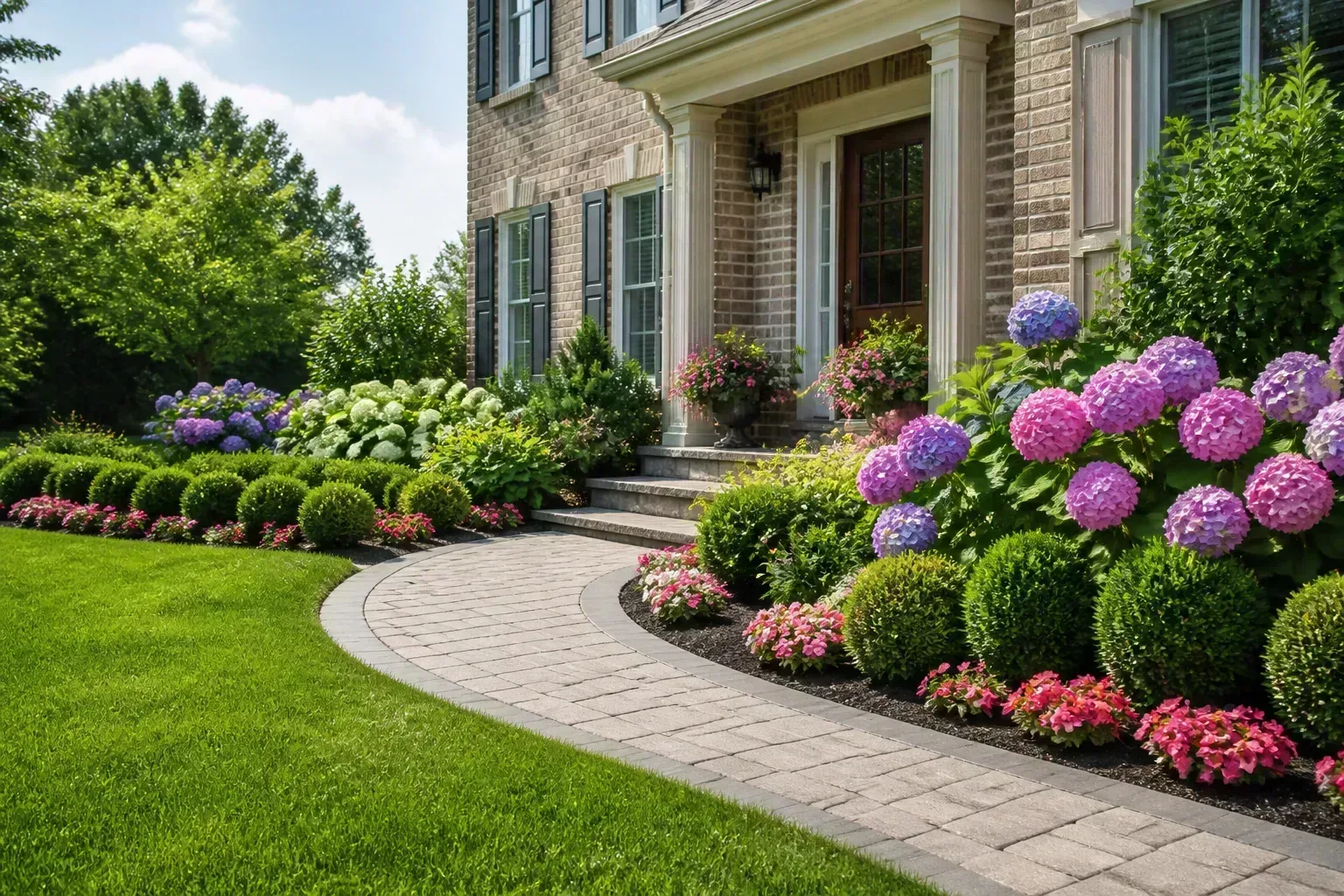
The lowest-maintenance front yards repeat two to four shrub species across the whole façade: boxwood for evergreen structure, panicle hydrangea for summer bloom, spirea or weigela for spring color without constant shearing. Right plant, right place beats “dwarf” cultivars planted where they outgrow in five years.
RHS front-garden guidance emphasizes simplicity, clear paths, and planting that respects the architecture (RHS front garden design). For door-adjacent species, see best feng shui front door plants with the usual caveat: choose what thrives in your light first.
21. Seasonal porch and bed accents
Rotate mums and pumpkins in fall, evergreen boughs and lights in winter, tulip pots in spring—without replanting the entire yard. Keep displays off steps and walkways for safety. One cohesive color story (orange + bronze, or white + green) reads intentional; every holiday simultaneously does not.
22. Birdhouses on existing trees
A mounted nest box on a sturdy oak or maple supports pollinators and pest-eating birds when hole size matches desired species. Face entrance away from prevailing rain; mount 5–10 feet high on smooth posts with predator baffles below. Our free birdhouse plans include species-specific dimensions.
Do not nail boxes to trees you are still training—young bark scars permanently.

23. Porch details: baskets, textiles, and welcome zones
Hanging baskets, a clean doormat, and one outdoor pillow on a rocker signal care before guests reach the door. Use outdoor-rated fabric and drip trays under baskets so staining does not streak siding. Group a chair, side table, and pot into a welcome zone visible from the street—buyers and guests photograph that triangle first.
Keep textiles minimal in humid climates where mildew wins.
Conclusion
Budget front yard landscaping is not about finding twenty-three separate miracles. It is about spending in the right order—edge, surface, plant—and choosing a handful of ideas that match your climate, maintenance budget, and the way people actually approach your door. Start this weekend with weeds and a bed line, add mulch or a short gravel path, then repeat two plants you know will live in your sun and soil. Save the tree, fence, and fountain for phase two once the outline already looks finished from the curb. When you want deeper dives on edging, dry yards, or raised-bed math, the linked guides above carry the next level of detail without sending you on a scavenger hunt.