Best Landscape Edging: 8 Picks by Material
Find the best landscape edging for your yard: plastic, steel, wood, rubber, and faux-stone picks plus install steps, height rules, and common mistakes.
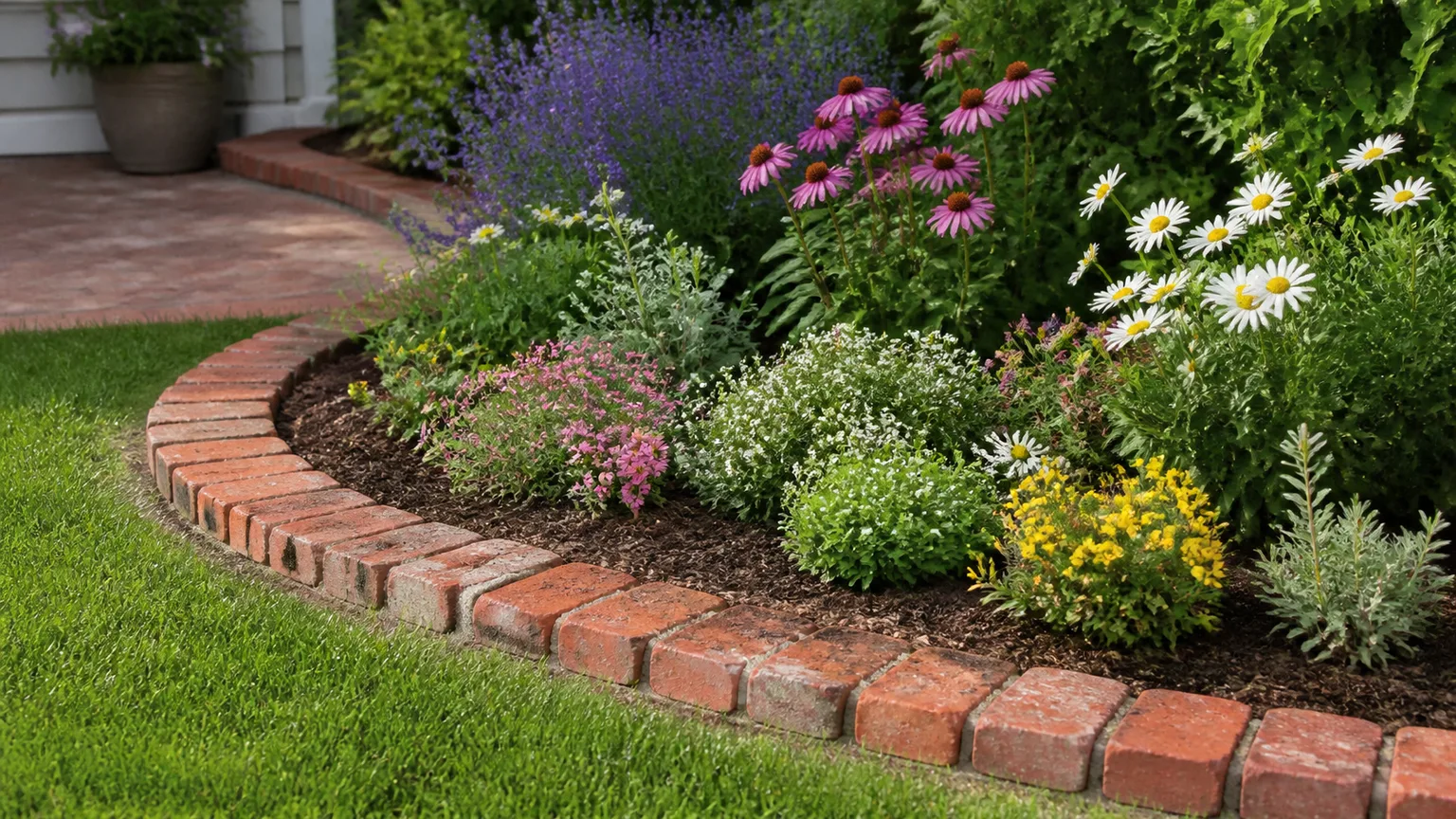
Landscape edging is not a style accessory. It is a separator—between lawn and mulch, gravel and soil, or a path and a planting bed. The right border keeps maintenance predictable; the wrong one pops up after the first freeze, gets shredded by a string trimmer, or lets bermudagrass rhizomes slide underneath while you thought the problem was solved.
This guide compares eight widely sold edging products across plastic, steel, wood, rubber, and faux-stone categories. Recommendations prioritize job fit (mulch height, mower access, curve radius, soil type) over brand hype. Specifications can change by retailer bundle—verify length, height, and stake count on the listing you plan to buy.
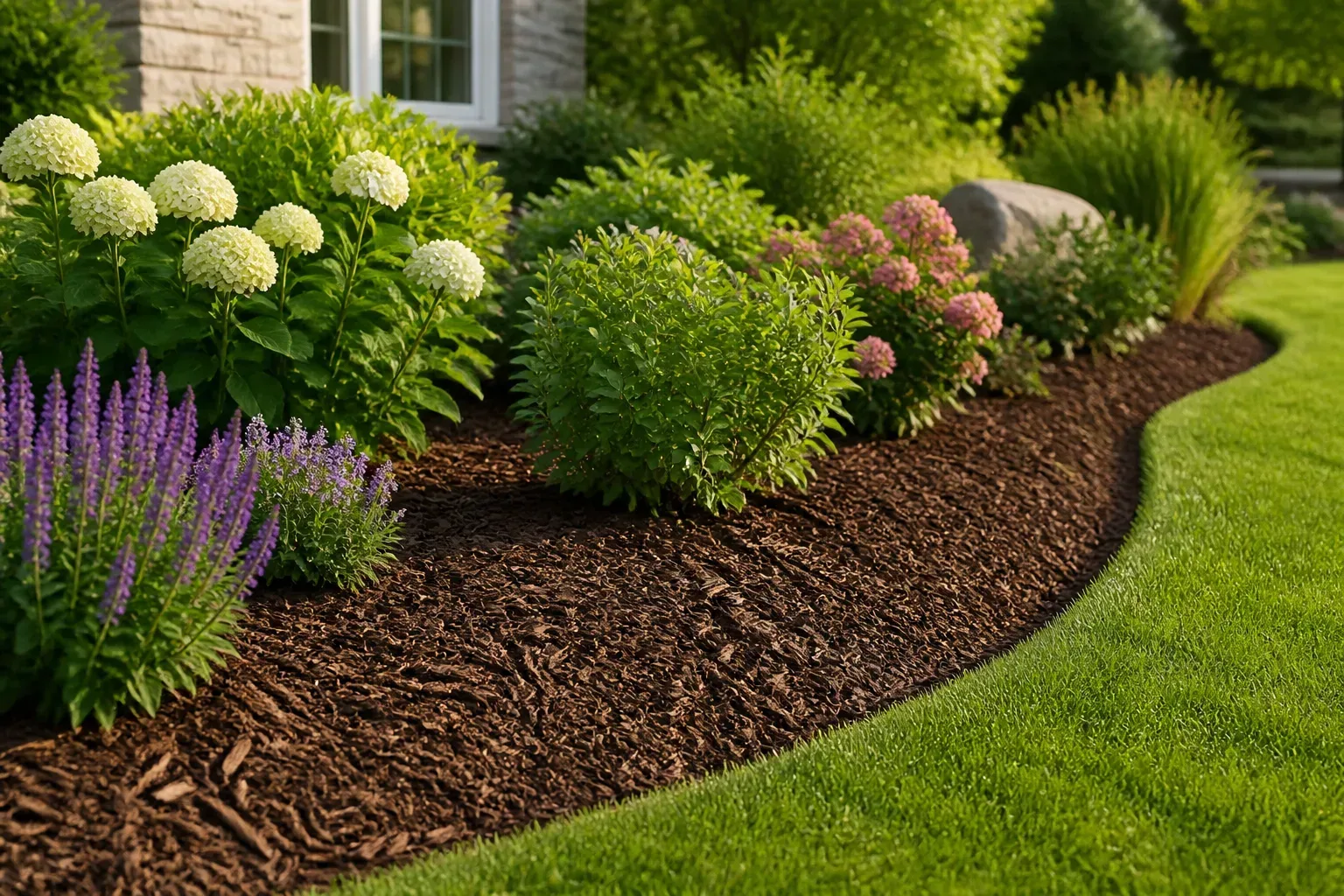
Quick verdict: choose edging by what it must separate
| Your main job | Best starting point | Typical height | Install style |
|---|---|---|---|
| Low-profile mulch line on a mostly straight bed | EasyFlex No-Dig Landscape Edging Kit | ~1.5 in. above grade | Stakes only |
| Permanent, crisp modern edge that survives equipment | Edge Right Hammer-in Landscape Edging | 4–8 in. (pick by mulch depth) | Hammer-in teeth + pins |
| Cottage-garden look around a small focal bed | Vigoro Adirondack No-Dig Landscape Edging | ~4.5 in. | Interlocking stakes |
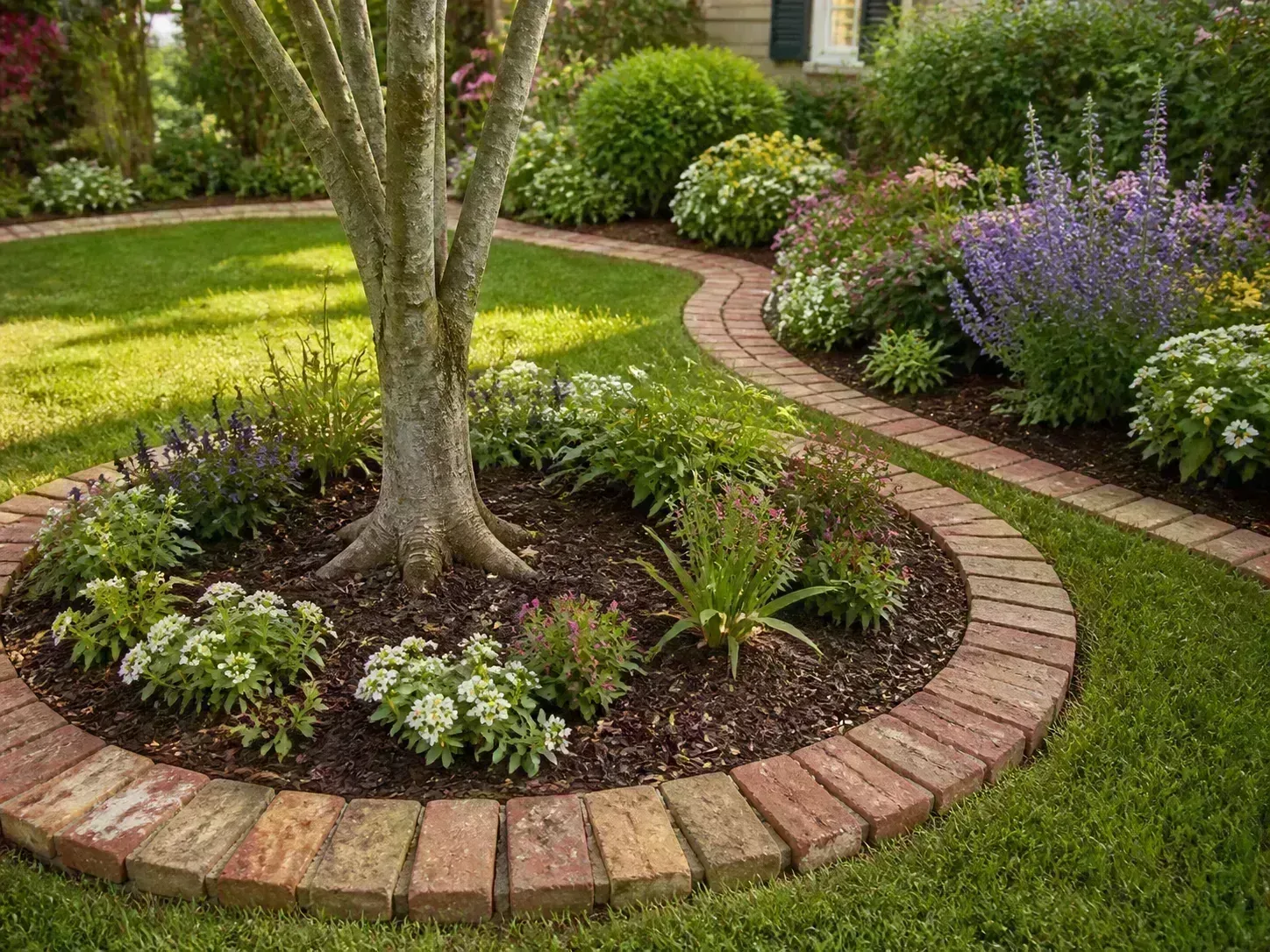
| Fast weekend ring around a tree or narrow bed | Beuta Landscape Edging (brick profile) | ~2.25 in. | Spike through hollow bricks |
| Natural wood tone without masonry work | Eco-Green Lawn & Landscape Border Edging | ~4 in. | Attached stake strips |
| Large area on a tight budget | Amazon Basics Landscape Edging Coil | ~5 in. | Shallow trench + clip stakes |
| Mow right to the edge without a second trim pass | Vigoro EcoBorder Rubber Landscape Edging | ~3 in. vertical lip | Interlocking L-profile |
| Tall faux-stone curb along a house foundation | Beuta Faux Stones | ~6.5 in. | Metal spikes through stone sections |
If you only remember one rule: match edging height to what you are trying to hold in place. A 1.5-inch lip contains a thin mulch skim; it will not corral three inches of bark nuggets or decorative rock. For aggressive spreading grasses, shallow plastic alone is often insufficient—you need depth and a rigid barrier, which is where steel earns its price.
How we narrowed the eight picks
The useful question is not “Which edging looks best in a product photo?” It is “Which construction survives your maintenance routine?” We evaluated each pick against five practical filters:
Separation performance — Does it keep mulch, soil, or gravel on the correct side after rain and after you rake or blow debris?
Install honesty — “No-dig” still means stakes, a mallet, and sometimes a layout string. We note when a shallow trench is actually faster than fighting flexible coil in rocky soil.
Equipment tolerance — String trimmers and steel blades find weak edges fast. Rubber L-profiles and hammer-in steel behave differently when you mow or edge weekly.
Curve behavior — Tight tree rings punish rigid kits. Coil and interlocking faux brick flex; thick steel flexes with effort but holds a set curve once pinned.
Longevity vs. cost — Plastic and rubber trade decades of service for upfront savings. Steel and real wood sit in the middle depending on drainage and UV exposure.
We cross-checked install principles against RHS guidance on creating lawn edges, which stresses layout, consistent depth, and backfill that keeps mulch from migrating. Material durability notes draw on landscape-edging comparisons from The Landscape Library and install sequencing from Crystal Landscape Supplies. This article does not add fresh multi-month lab testing; treat field anecdotes in retailer reviews as hints, not guarantees.
Landscape edging materials compared
Plastic, rubber, and faux decorative kits
Plastic roll or coil edging is the default DIY choice: lightweight, curve-friendly, and inexpensive per foot. High-quality polyethylene kits with pre-punched stake holes install quickly on moist soil. The weakness is lateral pressure—freeze-thaw cycles, mower bumps, and rhizome grasses can push low-profile plastic up or let runners cross underneath if the edge sits too shallow.
Rubber edging (often recycled tire material) excels where the lawn meets the bed at a right angle. An L-shaped profile gives the mower wheel a firm edge so you trim less by hand. Aesthetics are utilitarian; choose brown or black that already matches your mulch tone.
Faux picket and Adirondack-style kits add visual height without masonry. They interlock and stake like plastic border fencing. They are charming around arbors and entry beds but are not structural retaining edges—treat them as decorative separators, not walls.
Steel and metal edging
Hammer-in steel creates the cleanest long-term line for modern beds and gravel transitions. Rolled top edges reduce cut risk during install; serrated bottoms help drive through compacted soil. Steel can rust into a deliberate patina (corten-style) or be powder-coated for a darker, more hidden line.
Steel wins when you need the edge to hold elevation between materials—mulch on one side, lower lawn on the other—and when you want the border to stay geometric after years of maintenance. Trade-offs: higher cost, more install time, and kinking if you force tight-radius bends without short sections.
Wood and faux-stone borders
Treated wood or composite border strips bridge naturalistic beds and cottage gardens. Pre-attached stakes speed install, but wood still moves with moisture and can rot at soil contact if drainage is poor.
Faux-stone modular edging mimics masonry weight without pallet deliveries. Tall sections (6+ inches) read like a real stone curb from the street; shorter brick profiles work around trees. Hollow backs make staking easier on some models and trickier on others when spike openings are tight.
For permanent stone or brick masonry borders, see our brick edging ideas guide—this roundup focuses on off-the-shelf kits you can install in a weekend.
The 8 best landscape edging products
EasyFlex No-Dig Landscape Edging Kit — best overall
Best for: mixed straight and curved beds, first-time installers, containing a standard mulch layer on loamy soil.
The EasyFlex No-Dig kit is the most balanced general-purpose plastic edge in this group. A 40-foot coil with pre-punched stake holes removes guesswork on spacing—place the strip, clip or cut to length, and drive included plastic stakes with a rubber mallet. At roughly 1.5 inches tall, it stays discreet while still giving a string trimmer a visible target.
Why it works: fast layout on curves, modest cost per foot, and enough rigidity for ornamental beds that get edged a few times per season. Retail bundles commonly include 30–40 stakes; verify count if your soil is sandy and stakes pull loose.
Skip it when: you need to hold deep mulch or river rock (choose a taller steel or faux-stone edge), fight aggressive rhizome grasses (add depth or switch to steel), or run edging across pure gravel drive transition—use metal instead.
Typical specs: plastic; ~1.5 in. height; 40 ft. length; stake-in install.
Edge Right Hammer-in Landscape Edging — best steel
Best for: long-lived geometric beds, separating mulch from lawn on sloped ground, homeowners who want a professional metal line without poured concrete.
Edge Right’s hammer-in steel ships in sections with a serrated lower edge that cuts into soil as you drive it with a mallet and wood block. Rolled top edges are safer around pets and hoses once installed than raw sheet metal. Heights commonly range from 4 to 14 inches—match the listing to your mulch depth, not just the photo.
Why it works: steel holds shape under foot traffic and equipment better than plastic. On rocky soil, short sections and patience beat fighting a single 20-foot coil. Expect a developing patina on bare steel; powder-coated options stay darker if you prefer invisibility.
Skip it when: you need invisible low profile at the mower line (rubber L-profile is easier), you change bed shapes yearly, or you cannot keep at least half the strip below grade on sloped runs—steel shows mistakes.
Typical specs: steel; 4–8 in. common residential heights; 40–48 ft. kits; hammer-in + pin.
Vigoro Adirondack No-Dig Landscape Edging — best decorative
Best for: small focal beds, arbor surrounds, front-yard islands where a picket-style border fits the architecture.
This Vigoro/EasyFlex Adirondack-look kit trades the anonymous black coil for white or wood-tone vertical slats with a solid lower panel (~4.5 inches). Pieces interlock so weeds cannot slip through gaps—a common failure point on decorative fences that are open at the bottom.
Why it works: strong visual presence without pouring footings. Spiral stakes grip better than smooth nails in loose soil. Available in multiple colors if white picket is too crisp for your siding.
Skip it when: dogs crash through beds (flexible plastic may lean), you need mower-friendly right angles (the profile is vertical), or your bed is longer than the kit—extension stakes are often wise on sandy sites.
Typical specs: plastic; ~4.5 in. height; ~15 ft. per kit; interlocking + stakes.
Beuta Landscape Edging — fastest install
Best for: tree rings, narrow paths, anywhere you want a brick look in an afternoon.
Beuta’s lower brick-profile kit connects hollow faux-brick sections you stake from above. Installers commonly report 15–40 minutes for modest runs because there is no trench and fewer alignment fights than coil products. The ~2.25-inch height stays subtle around trunks and stepping-stone paths.
Why it works: believable texture at walking speed, lightweight handling, and trimmer-tolerant plastic. Bend sections before staking to preset curves, then anchor the first spike and walk the curve.
Skip it when: included spikes are too long for thin soil over concrete—swap to shorter loop stakes locally—or when you need a tall curb to hold deep mulch (use Beuta Faux Stones instead).
Typical specs: plastic faux brick; ~2.25 in. height; ~40 ft. per box; spike-through install.
Eco-Green Lawn & Landscape Border Edging — best wood look
Best for: front foundation beds, woodland-style gardens, renters who want natural tone without harvesting logs.
Eco-Green’s flexible wood-composite style strips connect side-to-side with stakes already attached, which removes the “where do I pound?” step that slows beginners. At roughly 4 inches tall, the line reads natural against bark mulch and hosts like ferns or hydrangeas.
Why it works: beginner-friendly connection system and a warmer aesthetic than black plastic. Curves fair better if you dry-fit the arc before staking the first piece.
Skip it when: the bed stays waterlogged—wood products of any kind fail faster in anaerobic soil—or when you need equipment-proof rigidity; this is a visual border, not retaining wall.
Typical specs: wood/composite style; ~4 in. height; ~20 ft. per kit; attached stakes.
Amazon Basics Landscape Edging Coil — best budget
Best for: large perimeter projects, rental properties, gardeners who already own a good trenching shovel.
The Amazon Basics coil is the price anchor in this list: long runs of faux-wood or dark-toned plastic at a few dollars per foot. It does require a shallow trench—typically 1–2 inches—so the strip sits stable and the face shows a consistent 5-inch reveal above grade.
Why it works: affordable enough to edge an entire side yard, stiff enough to hold mulch after backfill, and tolerant of seasonal freeze if stakes are spaced closely on curves. Clip-on stake tabs are simple once the trench is true.
Skip it when: you cannot dig (choose a true no-dig kit), your soil is solid rock without a pick mattock, or you want invisible minimalism—the faux grain is visible up close.
Typical specs: plastic; ~5 in. height; 40 ft. coil; trench + clip stakes.
Vigoro EcoBorder Rubber Landscape Edging — best for mowing
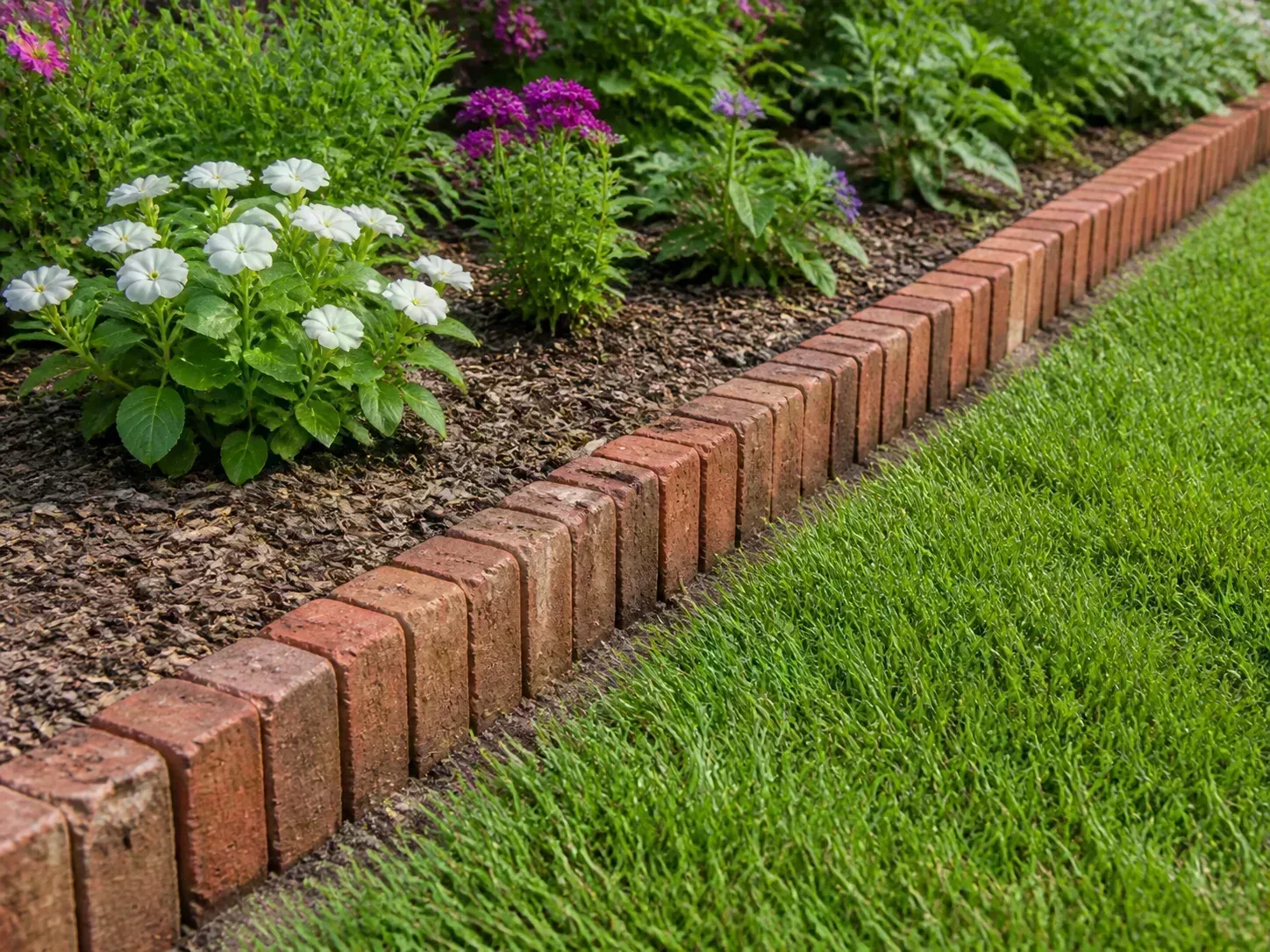
Best for: lawn-to-mulch transitions you mow weekly, properties where a second pass with a string trimmer wastes time.
EcoBorder’s recycled-rubber modules form an L-shaped lip: vertical face to hold mulch, horizontal flange on the lawn side that supports a mower wheel. Pieces connect with a metal pin; install is usually under an hour for a modest front bed.
Why it works: the maintenance win is real—mower wheels ride the flange so grass does not feather over the mulch line. Brown and gray tones disappear against soil. Flexibility handles gentle curves without heat-gun theatrics.
Skip it when: you dislike rubber’s matte texture up close, you need tall rock containment, or instructions confuse you—lay pieces dry, pin, then stake once the geometry is right.
Typical specs: recycled rubber; ~3.1 in. height; 24 ft. six-pack common; pin + stake.
Beuta Faux Stones — best for flower beds
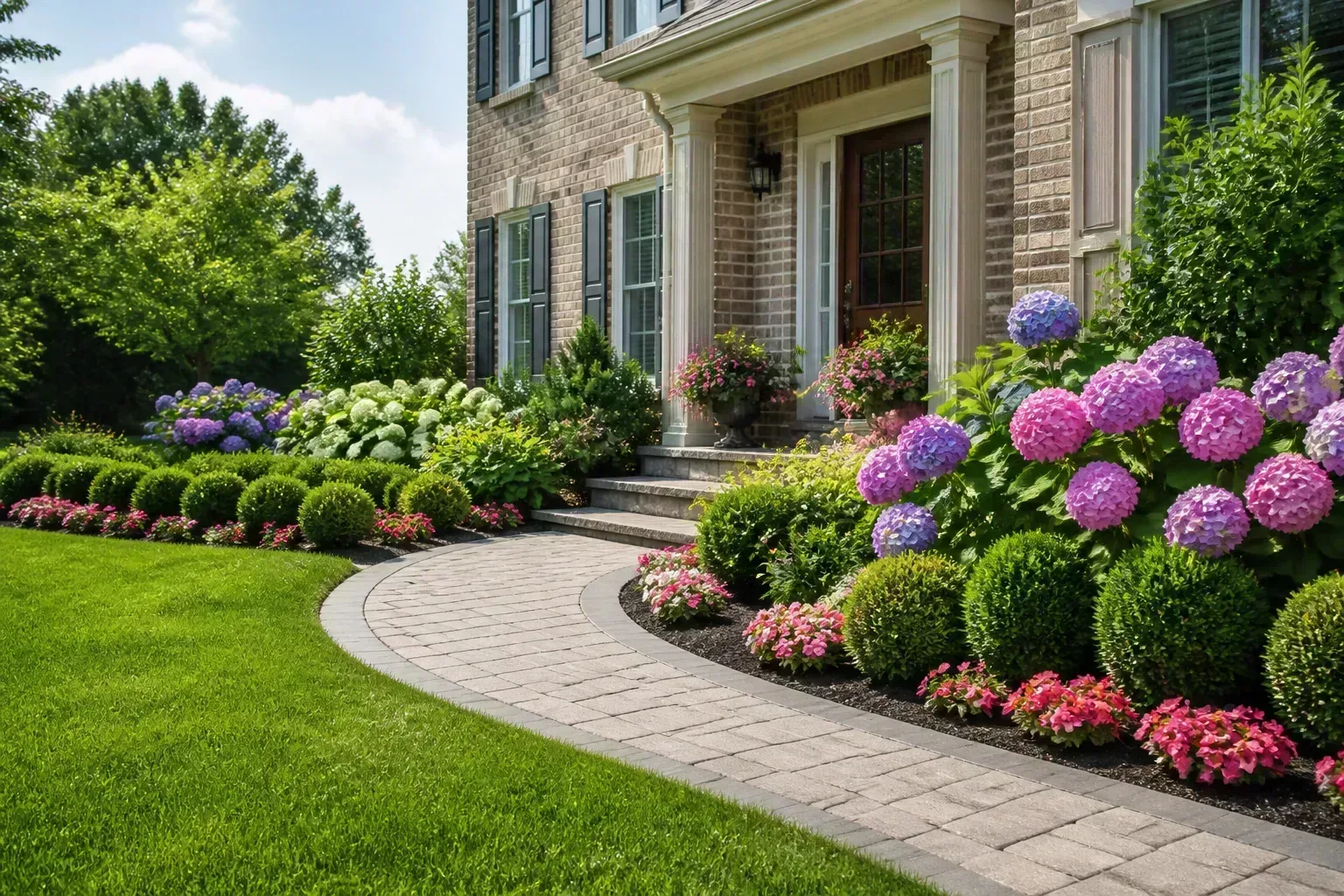
Best for: long foundation beds, driveway planting strips, anywhere you want a 6-inch-plus stone look without pallet deliveries.
Beuta Faux Stones ship as linked modules with realistic surface detail. At ~6.5 inches tall, they contain thicker mulch layers and read as masonry from the curb—lighter than real limestone, but still wind-stable when staked correctly.
Why it works: tight joints block weeds between units better than irregular natural stone unless you mortar joints. Pairs well with real stone elsewhere; mixed borders can blend if colors are close.
Skip it when: stake ports frustrate you on the first section—practice on a hidden corner—or when end caps matter aesthetically (often sold separately). For shallow tree rings, use the lower Beuta brick kit instead.
Typical specs: plastic faux stone; ~6.5 in. height; ~40 ft. per kit; metal spikes.
How to install landscape edging step by step
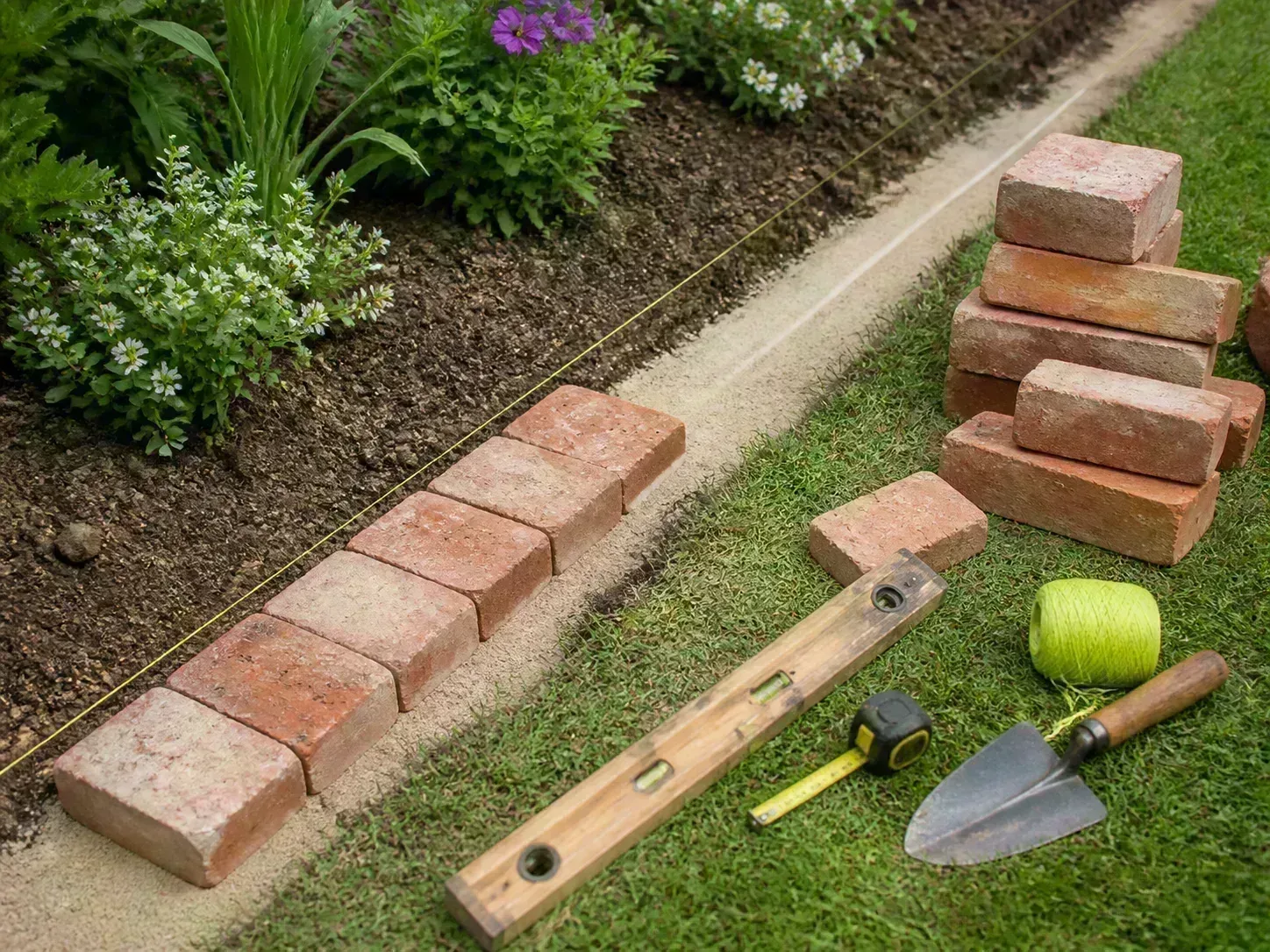
Good edging starts with layout, not stakes. The RHS recommends marking curves with a hose or rope and straight runs with a string line at ground level, then viewing the shape from multiple angles—including from a window if possible—before you cut or stake.
1. Mark the line. Use spray paint, mason line, or a garden hose. Gentle curves are easier to mow and maintain than tight scallops every 3 feet.
2. Choose depth and height. Plastic no-dig strips often sit with half the profile below grade; steel may leave only 0.5–1 inch visible above mulch. Set height so mulch does not spill and the edge does not become a trip lip on walkways.
3. Open a trench only if the product requires it. Coil products like Amazon Basics need a shallow trench; hammer-in steel displaces soil with its teeth. Remove turf and weeds from the trench floor so nothing regrows under the strip.
4. Lay from a fixed point. Start at a corner, step, or driveway meeting so drift does not accumulate over a 30-foot run. Overlap or connect pieces per the manufacturer’s joint style before staking.
5. Stake on the bed side. Drive stakes slightly angled toward the bed so frost heave lifts against compression. In sandy soil, add stakes on curves every 2–3 feet instead of the maximum spacing on the package.
6. Backfill and compact. Pull soil or mulch tight to the edging to lock it in—Crystal Landscape Supplies notes that loose backfill is the main reason edges look amateur and shift within a season. Water lightly to settle, then top-dress mulch.
7. Test with your mower and trimmer. Make one maintenance pass before you consider the job done. Adjust height or add stakes where the trimmer line catches or the mower deck scalps the lawn flange.
If weed migration is your primary worry, edging works best alongside mulch discipline and—where appropriate—landscape fabric under paths or low-disturbance shrubs, not as a substitute for pulling established quackgrass roots.
Common landscape edging mistakes
Buying height for looks, not volume. A tall decorative fence kit still fails if mulch is piled above the cap after refresh season. Re-mulch to the edge, do not bury it.
Expecting no-dig plastic to stop rhizomes. Running grasses travel under shallow barriers. Steel set deeper, or a maintained spade-cut edge plus selective herbicide on the lawn side, solves what plastic cannot.
Sparse stakes on curves. Straight runs forgive 4-foot stake spacing; circles around trees do not. Double stakes on the inside of a curve where lateral pressure concentrates.
Installing in baked summer clay. Dry soil fractures instead of gripping stakes. Water the line a day ahead or wait after rain when soil is moist but not muddy—installers consistently report easier stake seating in damp loam.
Ignoring the mower path. Vertical plastic that sticks up on the lawn side becomes a trimmer target. Either use rubber L-profile edging or set plastic flush so the lawn mower deck passes cleanly.
Forgetting expansion. Freeze-thaw climates heave shallow edges. Spring inspection and a few replacement stakes beat ripping out an entire run.
Conclusion
The best landscape edging is the one that matches what you are separating, how you maintain the lawn, and how deep your mulch or gravel actually sits. EasyFlex No-Dig is the strongest all-around plastic kit for typical ornamental beds; Edge Right steel is the long-game choice for crisp, equipment-heavy yards; Vigoro EcoBorder wins the weekly mowing routine; and Beuta’s two profiles cover fast brick rings versus tall faux-stone curbs.
Measure your bed, pick height before brand, install with tight backfill, and re-walk the line after the first mow. Edging is a small purchase that pays off in years of cleaner borders—if you treat it as infrastructure, not decoration.