Tradescantia Zebrina Watering: Schedule, Checks & Mistakes
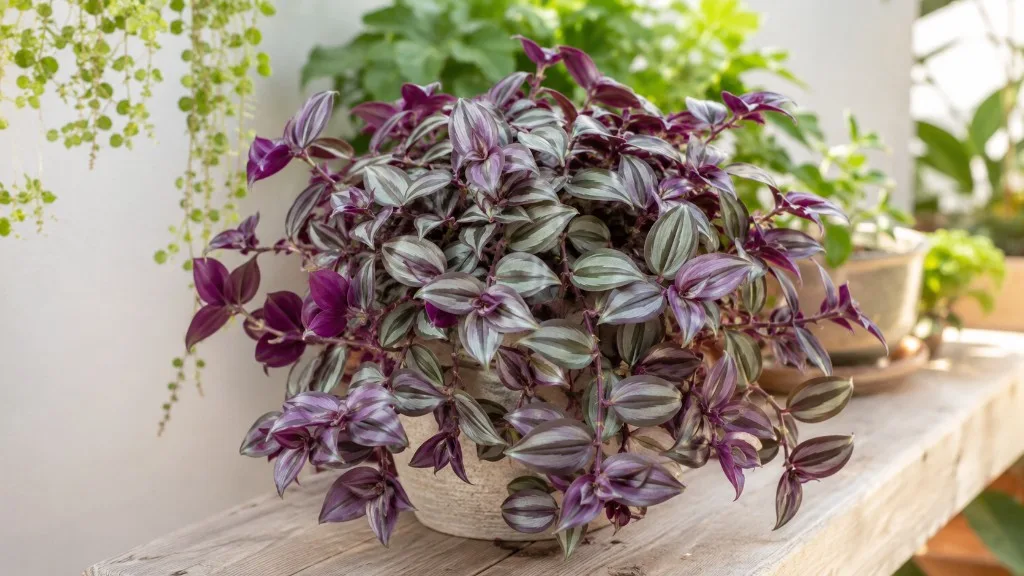
Tradescantia Zebrina Watering: Schedule, Checks & Mistakes
Tradescantia Zebrina Watering: Schedule, Checks & Mistakes
Tradescantia zebrina watering looks simple on paper and complicated in practice because the same plant wilts when it is too dry and also when its roots are rotting in wet soil. That paradox is why calendar schedules fail so often on this fast-growing trailing vine. The inch plant - also sold as silver inch plant or wandering dude - wants consistently moist, well-drained mix during active growth, yet it still needs the top inch of soil to dry before the next drink. Miss that balance in either direction and you get limp stems, faded striping, bare crowns, or mushy roots that smell sour when you finally unpot.
The practical rule most growers should memorize is this: water when the top inch of soil feels dry, then soak until water runs from the drainage holes and empty the saucer. During spring and summer, that usually means the root zone stays lightly moist between drinks - not bone dry for days, and never soggy for days either. In fall and winter, stretch the dry-down window because the plant uses less water as growth slows. When Tradescantia zebrina wilts, check soil moisture at the root zone before you reach for the watering can; dry mix and a light pot mean thirst, while wet mix and a heavy pot mean trouble.
This guide covers the top-inch-dry check, what “moist growing season” actually means in a pot, how to water cleanly, how to read wilt signals, how root rot from overwatering develops, and the seasonal adjustments that keep a trailing basket looking full instead of tired.
Why Water Checks Beat a Weekly Schedule
A fixed weekly watering day is a reminder to look at the plant, not permission to pour. Tradescantia zebrina is a Commelinaceae vine from the tropical understory of Mexico, Central America, and the Caribbean. In its native range it receives regular moisture but grows in airy, fast-draining leaf litter - not in stagnant mud. Indoors, the same species sits in a finite pot where light, temperature, humidity, pot material, and root mass all change how fast that pot dries.
Missouri Botanical Garden describes T. zebrina as preferring consistently moist but well-drained soil during the growing season, with reduced watering from fall to late winter (Missouri Botanical Garden - Tradescantia zebrina). That single sentence captures the whole challenge: moist, not wet; active season, not every month the same. A zebrina in a bright window with warm air may need water every five to seven days in July. The same cultivar in a cool room with short winter days may need ten to twenty-one days between drinks. Both can be correct if the top inch is dry at watering time and the deeper mix is not staying waterlogged.
Calendar watering fails for three predictable reasons. First, pot size and soil structure change retention - a fresh repot into fluffy mix dries slowly until roots explore it. Second, light drives transpiration - more photons mean more water pulled through leaves. Third, seasonal metabolism shifts demand even when the plant still looks green in December. Checking the pot beats guessing the day.
The Top-Inch-Dry Rule Explained
The most reliable trigger for Tradescantia zebrina watering is simple: allow the top inch of soil to dry before watering again. Insert a finger, a bamboo skewer, or a wooden chopstick about 2.5 cm (one inch) into the mix. If it feels cool and clings slightly, wait. If it feels dry and crumbly, water thoroughly.
That inch is a surface checkpoint, not the whole story. You are confirming the upper layer has aerated enough that another soak will not stack on stagnant moisture. The root zone below should still feel lightly moist during active growth - not desert dry all the way through, and not wet enough to squeeze water from the mix. Think of it as a breathing rhythm: dry surface, moist core, full drain, repeat.
How often does that translate in real homes? During spring and summer, many indoor zebrinas need water roughly every five to ten days, depending on pot size, light, and humidity. A small terracotta pot in Tradescantia Zebrina light guide can hit the short end; a large plastic hanging basket in moderate light often sits at the long end. In autumn and winter, stretch toward every ten to twenty-one days, sometimes allowing the top two inches to dry before watering when growth is clearly slow. The interval is an outcome of the dry check, not a substitute for it.
| Season | Typical indoor interval | Dry check target | Root-zone goal |
|---|---|---|---|
| Spring–summer (active growth) | Every 5–10 days | Top 1 inch dry | Lightly moist below |
| Autumn (slowing) | Every 10–14 days | Top 1–1.5 inches dry | Approaching dry, not parched |
| Winter (low growth) | Every 14–21 days | Top 1.5–2 inches dry | Brief moist window after watering |
The table is a framework, not a law. Your room will differ. Always confirm with finger, skewer, or pot weight before you water.
Consistently Moist During the Growing Season
“Moist” is where growers stumble, because it sounds like “keep watering often.” For Tradescantia zebrina, moist during the growing season means the root zone rarely dries completely between waterings, while the surface still gets a dry-down cycle so oxygen reaches upper roots. Missouri Botanical Garden’s “consistently moist but well-drained” phrase is horticultural shorthand for exactly that balance (Missouri Botanical Garden - Tradescantia zebrina).
Zebrina is not a succulent despite its tolerance for short dry spells. It is a fast-growing herbaceous vine that pushes new nodes weekly in good light. That growth rate consumes water steadily. Let the entire pot go dust-dry repeatedly and you get wilting, crispy leaf margins, slowed striping, and thin stems that stretch. Keep the whole mass soggy and you get yellowing, soft stems, and root rot. The workable middle is moist core, dry top inch, free drainage.
What “Moist” Means Without Waterlogging
Moist mix should feel like a wrung-out sponge in the middle of the pot: damp, cohesive, and cool, not dripping when you squeeze a handful taken from the side drainage hole (if you check there during Tradescantia Zebrina repotting guide practice). Waterlogged mix feels heavy, smells flat or sour, and may grow green algae on the surface. If water sits on top of the soil for minutes after you pour, drainage or compaction - not frequency - is the problem.
Well-draining houseplant mix amended with perlite or bark helps maintain that moist-but-aerated state. Heavy peat-heavy bags that compact after a few months turn “moist” into “soggy” even when you follow the top-inch rule faithfully. Pair the watering rhythm with mix that drains in seconds after a soak, not hours.
Spring and Summer Watering Rhythm
From mid-spring through early fall, zebrina is usually in active vegetative growth: new nodes, fresh purple-silver striping, and roots extending. This is the window for the moist growing-season approach. Water thoroughly when the top inch dries, let excess drain fully, and expect the pot to lighten slightly before the next cycle without becoming so light that leaves wilt hard.
Bright light accelerates the cycle. A south- or west-facing window with sheer curtain, or a grow-light shelf, can pull a small pot to the dry side in four to five days. Moderate east light may stretch to seven to ten. Heat and dry indoor air from radiators or AC also shorten intervals. If you travel, do not assume a neighbor’s “once a week” fits your brighter setup - leave written instructions tied to the dry check, not the calendar.
How to Tell If Tradescantia Zebrina Needs Water
Before every watering, run a 30-second inspection: surface moisture, pot heft, and leaf turgor together. Any one signal alone can mislead - wilt happens in both drought and rot - but combined they are reliable.
Ready to water when:
- The top inch feels dry to finger or skewer
- The pot feels noticeably lighter than right after a soak
- Leaves are firm but slightly less turgid, without widespread yellowing
- New growth is still appearing at stem tips in season
Wait when:
- The top inch is still cool and clings to the skewer
- The pot feels heavy for its size
- You watered within the last 48 hours unless the plant is in extreme heat and tiny pot
- Leaves are yellowing or soft while soil is wet - that is not a thirst call
Finger, Skewer, and Pot-Weight Tests
The finger test is the default tool. Press into the mix to the first knuckle. Dry means dry. If you dislike messy fingers, a dry bamboo skewer works the same way: push down an inch, pull out, and feel the stick. Damp stick, wait. Dry stick, water.
Pot weight is the skill that separates good trailing-plant growers from guessers. Lift the pot right after a thorough watering and notice the heft. Lift again every few days. When it feels substantially lighter - often within a few days in summer - confirm with the finger test and water. Hanging baskets are especially worth hefting from the bottom hook plate, because the top of a basket can look dry while the core stays wet.
Optional moisture meters can help beginners but lie in chunky mix unless you calibrate against finger checks. Treat meters as training wheels, not authority.
How to Water Tradescantia Zebrina Cleanly
Good Tradescantia zebrina watering technique matters as much as timing. Sloppy splashing keeps crowns wet, saucers full, and fungus gnats breeding in stale surface film.
Use this routine:
- Confirm the top inch is dry with finger or skewer.
- Use room-temperature water - cold tap shock can slow uptake briefly on warm summer days.
- Water slowly and evenly across the soil surface until water runs freely from drainage holes. For hanging baskets, water until drips are steady from the bottom.
- Stop when runoff appears, not when the surface floods for minutes.
- Empty the saucer or cachepot within 30 minutes. Never let the pot sit in standing water overnight.
- Avoid drenching the crown repeatedly; zebrina roots at nodes on stems, but a constantly wet crown invites stem rot in dense baskets.
Morning watering is a common habit because the plant has the day to process moisture and any accidental leaf splashes dry quickly, but drainage and dry-down matter more than clock time. If you water in the evening, still empty the saucer - stagnant overnight water is worse than timing aesthetics.
Signs Your Plant Is Too Dry
Underwatering on zebrina shows up quickly because thin stems have limited water storage compared with true succulents. The plant wilts when dry - often dramatically - with leaves losing turgor and hanging limp along the trail. Touch the mix before you panic: if the top inch is dry, the pot is light, and stems feel slightly soft but not mushy, thirst is the likely diagnosis.
Other dry-stress signals include crispy Brown Tips on Tradescantia Zebrina on older leaves, closed or curled leaves on some specimens, slowed new node production, and mix that has shrunk away from the pot walls, allowing water to run down the sides without rewetting roots. Repeated drought cycles weaken fine roots and make the plant drop lower leaves, which is how hanging baskets go bare at the crown even when long tips still trail.
Recovery from a single dry episode is usually fast. Water thoroughly once, drain fully, and expect firmness to return within hours to a day. Do not compensate with twice-daily sips - that keeps the surface wet while failing to rehydrate a desiccated core. One full soak, then return to the top-inch-dry rhythm.
Wilting When the Mix Goes Dry
Wilting when dry is the plant’s honest drought signal. Cells lose turgor pressure when roots cannot supply water fast enough. On zebrina, the whole trailing mass can look collapsed, which frightens new owners into overcorrecting toward soggy soil - the opposite fix.
Use wilt as a diagnostic prompt, not an automatic green light to pour. Confirm dry mix. If dry, water deeply once. If wet, wilt means root dysfunction, not thirst. That distinction saves more plants than any single watering interval.
Signs You Are Overwatering
Overwatering is the more dangerous mistake on Tradescantia zebrina because root rot from overwatering can destroy the root system before upper stems look obviously wrong. Early signs include yellow leaves, especially lower ones; soft, mushy stem bases; slow or stunted new growth despite wet soil; musty or sour smell from the pot; mold or algae on the soil surface; and fungus gnats hovering constantly.
The confusing case is wilting while soil is still moist. Growers see limp leaves and assume dryness, add more water, and accelerate rot. Mechanically, waterlogged mix displaces oxygen from pore spaces. Roots suffocate, stop taking up water and nutrients, and foliage wilts - exactly like drought - even though the pot is wet (Wisconsin Horticulture Extension - Root rots of houseplants). Water-mold pathogens such as Pythium and Phytophthora can colonize stressed roots in saturated conditions, turning healthy white roots brown and mushy.
If several overwatering signs appear together - yellowing, soft stems, wet mix, sour smell - pause watering and inspect roots rather than “giving it a drink to perk up.”
Root Rot from Overwatering
Root rot is the end stage of chronic overwatering, poor drainage, or both. Healthy zebrina roots are white to pale tan and firm. Rotted roots are brown, black, slimy, or hollow, and may smell like decay when rinsed. By the time foliage yellows widely, damage is often substantial, but early intervention still saves many plants because zebrina roots readily from nodes if you trim and repot promptly.
Rot develops when soil stays saturated long enough that oxygen drops in the root zone. Without oxygen, roots cannot respire; uptake collapses; leaves wilt and yellow. Adding fertilizer or more water to “fix” nutrient deficiency makes things worse because the problem is root function, not missing nitrogen on the label.
Unpotting, Trimming, and Repotting
When you suspect root rot from overwatering, confirm by unpotting:
- Slide the plant out and rinse roots gently with lukewarm water to see color and texture.
- Trim all brown, mushy, or hollow roots with clean scissors or pruners until only firm, pale tissue remains.
- Remove badly softened stems at the base if they are mushy - healthy cuttings above firm tissue can still propagate.
- Let trimmed roots air-dry 20–30 minutes on a paper towel so cuts callus slightly.
- Repot into fresh, well-draining mix - standard potting soil with 25–30% perlite is a reliable rescue blend. Use a pot with drainage holes only slightly larger than the remaining root ball.
- Water once lightly to settle mix, then withhold the next watering for five to seven days unless the plant is in very bright heat and the mix dries fast.
- Resume the top-inch-dry rule only after new growth or firm leaves return.
Advanced rot with almost no healthy root mass may be beyond saving as a whole plant, but stem cuttings with nodes rooted in water or fresh mix often rescue the genetics. Zebrina is forgiving that way if you act before stems turn fully mushy.
Seasonal Watering Adjustments
Season change matters even indoors because day length and room temperature shift plant metabolism. Zebrina often keeps leaves through winter, which tricks owners into summer-frequency watering in December - a common path to rot when roots are cold, slow, and sitting in unused water.
Missouri Botanical Garden recommends reduced watering from fall to late winter (Missouri Botanical Garden - Tradescantia zebrina). RHS guidance for Tradescantia zebrina follows the same seasonal taper: water moderately during active growth and sparingly in winter. Match water to growth speed, not nostalgia for summer lushness.
Fall and Winter Dry-Down
From late fall through winter, expect slower dry-down cycles. Allow the top 1.5 to 2 inches to dry in many homes before watering. Intervals of two to three weeks are normal in cool, dim conditions. Leaves may look slightly less turgid without being in crisis - do not chase perfect summer gloss in January.
Hold off on increasing water unless new growth is clearly active under grow lights. If you heat aggressively and run bright supplemental lights, your “winter” may still behave like spring; let the pot tell you. Never combine cold drafty windowsills with wet soil - cold roots in soggy mix fail faster than warm ones.
Resume the tighter moist growing-season rhythm when days lengthen and you see steady new nodes forming, usually mid-spring.
Pot Size, Soil, and Light Affect Dry Speed
The same Tradescantia zebrina watering rule produces different intervals depending on container and environment. A recently repotted plant in oversized fresh mix dries slowly because roots have not filled the volume - the classic setup for well-intentioned overwatering. A root-bound small pot dries in days and may need more frequent checks in summer, though repotting into sensible size beats endless emergency soaking.
Terracotta breathes and wicks moisture, shortening cycles versus glazed ceramic or plastic. Cachepots without drainage are decorative only if you lift the inner pot to water and drain; otherwise they are rot machines. Drainage holes are non-negotiable for long-term health.
Light is the other accelerator. Zebrina color stays vivid in bright indirect light with some gentle morning sun; those same conditions increase transpiration. A plant moved from a dim corner to a bright shelf will need water sooner - sometimes within days - even though it looks healthier. Adjust checks after every placement change rather than keeping the old calendar.
Soil that compacts or stays wet for days after one soak needs refresh at repotting, not more careful calendar math. If water runs straight down the gap between soil and pot wall, the root ball is not rewetting; submerge the pot briefly in a basin of water until bubbles stop, drain, then fix the mix structure at next repot.
Watering Hanging Baskets and Trailing Vines
Trailing Tradescantia zebrina in hanging baskets adds a wrinkle: water runs downward, so the top dries first while the bottom stays wetter. Owners see dry surface crust and water again, soaking the lower core repeatedly - crown and upper-node rot follow.
Heft the whole basket from below. If the top inch is dry but the basket still feels heavy, wait unless leaves are wilting from true drought. When you do water, soak until drips run steadily, then ensure the basket drains completely. Spinning the hanger to expose all sides to light also prevents one-sided dry bias.
Long bare stems at the crown are often a light and watering combo problem, not just thirst. Still, never let the crown stay constantly wet while tips look fine. Trim and propagate tips back into the pot after you stabilize moisture - zebrina is meant to be refreshed, not preserved as one endless vine.
Pet note: The ASPCA lists Tradescantia species as toxic to cats and dogs, causing dermatitis and gastrointestinal upset if chewed (ASPCA - Inch Plant). Keep hanging baskets out of reach and wipe spilled runoff when pets investigate.
Common Watering Mistakes
The failures that show up most often on zebrina are predictable:
- Watering on a fixed weekday without checking the top inch
- Treating wilt as always meaning dry when roots may be rotting in wet mix
- Letting pots sit in saucers full of runoff overnight
- Using pots without drainage or leaving plants in decorative outer pots that trap water
- Watering with sips instead of thorough soaks, creating wet surface and dry core
- Keeping soil soggy all winter because leaves still look green
- Misting leaves instead of watering soil - mist does not replace root-zone moisture and can encourage leaf spotting
- Repotting into huge containers “so I don’t have to water as often,” which keeps excess mix wet around sparse roots
- Ignoring compacted mix that never dries evenly
- Overcorrecting one dry episode with days of soggy soil
Most of these mistakes converge on the same outcome: roots without oxygen. Fix the system - drainage, dry check, seasonal taper - and zebrina usually rebounds faster from underwatering than from advanced rot.
Conclusion
Tradescantia zebrina watering succeeds when you treat moisture as a root-zone rhythm, not a calendar habit. Water when the top inch of soil is dry, soak until water drains freely, and empty the saucer every time. During the growing season, keep the deeper mix lightly moist between drinks - Missouri Botanical Garden’s “consistently moist but well-drained” standard - without letting the whole pot stay soggy. When the plant wilts, read the pot first: dry and light means water deeply once; wet and heavy means stop and inspect for root rot from overwatering.
In fall and winter, slow down, allow a deeper dry-down, and let reduced growth guide you. Match checks to pot material, soil structure, and light, especially in hanging baskets where the bottom stays wet longest. Zebrina forgives a missed drink better than it forgives a week of stagnant soil - and because it roots easily from cuttings, catching rot early still leaves you a path to a fresh, full pot.
Get the top inch dry, the core moist in season, and the drainage clean, and the striped trailing stems stay firm, colorful, and worth hanging where you can actually see them.
When to use this page vs other Tradescantia Zebrina guides
- Tradescantia Zebrina overview - Start here for whole-plant context before deep-diving this topic.
- Tradescantia Zebrina problems hub - Jump to symptom-specific fix guides when this care topic does not resolve the issue.
Related Tradescantia Zebrina guides
- Tradescantia Zebrina overview
- Tradescantia Zebrina light
- Tradescantia Zebrina soil
- Tradescantia Zebrina propagation
- Tradescantia Zebrina fertilizer
- Tradescantia Zebrina repotting
- Tradescantia Zebrina problems
Related tool
Try the Plant Watering Calculator with tradescantia-zebrina pre-selected to estimate needs for your setup.