How to Repot Tradescantia Zebrina: Timing, Pot Size, Steps
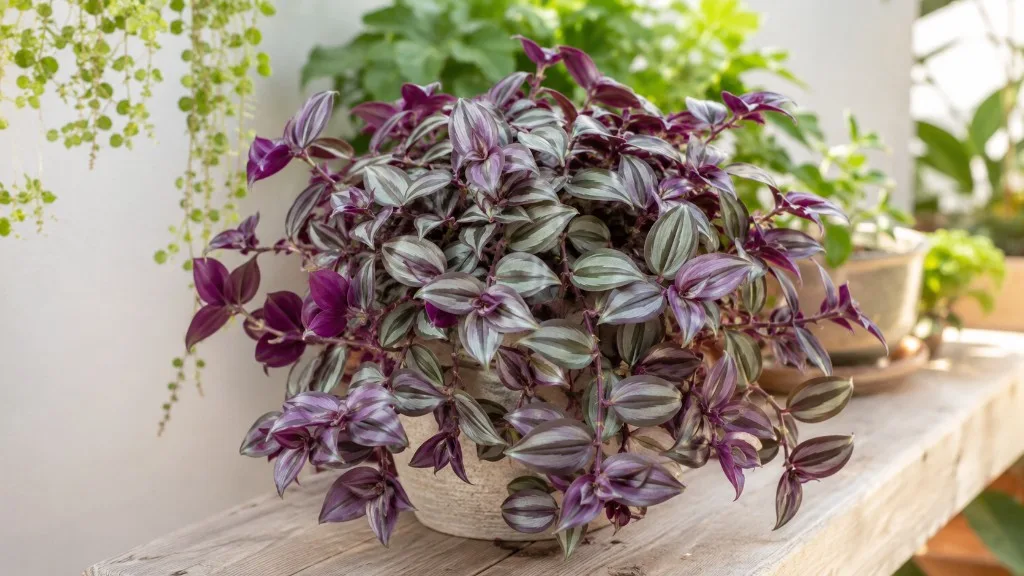
How to Repot Tradescantia Zebrina: Timing, Pot Size, Steps
How to Repot Tradescantia Zebrina: Timing, Pot Size, Steps
Why Tradescantia Zebrina Needs More Frequent Repotting Than Most Houseplants
Tradescantia zebrina - the inch plant, wandering dude, or zebra plant - is one of the fastest-moving trailing houseplants you can grow indoors. Where a pothos or snake plant might sit comfortably in the same pot for two or three years, a well-lit Tradescantia zebrina can outgrow its container in a single growing season. NC State Extension notes that zebrina has a rapid growth rate and tolerates a wide range of conditions, but vigorous specimens still need fresh mix and modestly larger pots on a one- to two-year cycle, and fast growers under strong light often benefit from annual repotting in spring.
That pace is not a flaw in your care. It reflects how the plant lives in nature. Native to Mexico and parts of Central and South America, Tradescantia zebrina creeps along the ground, rooting at nodes wherever stems touch soil. Indoors it keeps the same habit: stems lengthen, side shoots form, and roots colonize the upper layers of the mix long before the plant looks “too big” from above. A pot that was perfect last March can feel tight by September if the plant spent the summer in Tradescantia Zebrina light guide with regular water.
Repotting on that rhythm does three jobs at once. It gives roots room to spread without drowning in an oversized container. It replaces compacted, salt-heavy mix with airy, well-draining substrate. And it is your best chance to rebuild a full crown when the base has gone bare - a common issue on long-trailing baskets. Treat Tradescantia zebrina repotting as routine maintenance for a fast grower, not an emergency-only rescue, and the plant stays dense, striped, and easy to propagate.
If symptoms persist, see the Brown Tips on Tradescantia Zebrina guide.
Signs Your Tradescantia Zebrina Is Ready for a New Pot
Root crowding alone is not always the trigger. Tradescantia zebrina tolerates a snug pot better than many ferns or calatheas. Plan a repot when two or more of the following show up together, or when any single sign is severe enough to affect daily care.
Roots visible at the drainage hole or circling the surface are the classic signal. Lift the pot and peek underneath; white or tan roots pushing through holes mean the plant has used the volume you gave it. Water runs straight through without soaking in, or the opposite - water sits on top because the mix has broken down into a dense slab. Both patterns mean the root zone no longer holds moisture the way a healthy inch plant needs.
The pot dries out much faster than it used to, sometimes within a day or two in summer, because roots have replaced soil volume. New growth slows even though light and watering have not changed - pale new leaves, longer gaps between nodes, or thin stems at the tips can follow. The plant is top-heavy or unstable in its container, which often happens when trailing weight exceeds what a small nursery pot can anchor.
A separate category worth naming: crown thinning. The longest vines look fine, but the soil surface shows more bare stem than leaf. That is not always classic root binding; sometimes the mix is simply exhausted and the plant has outgrown its display shape. Repotting - especially into a wide pot or hanging basket where you can tuck fresh cuttings - fixes that problem better than fertilizer alone.
The Best Time to Repot: Spring and Early Summer
Spring is the ideal window for Tradescantia zebrina repotting. As days lengthen and temperatures rise, the plant enters active growth and repairs root disturbance quickly. Early summer remains a solid backup if you missed March or April, because the plant still has months of warm, bright conditions ahead before indoor heating and short days slow it down in fall.
Timing matters because repotting always causes mild stress. Roots tear slightly when you tease them, and fresh mix holds moisture differently than old substrate. In spring, new white root tips appear within days under good light, and stem cuttings tucked into the rim root almost as easily as they do in water. In winter, the same procedure can leave the plant paused for weeks with damp mix that refuses to dry - a setup that invites crown rot at the base of trailing stems.
If you must repot outside the ideal window, treat it as a rescue, not a schedule. Root rot, a pot shattered in a fall, or severe root binding that is choking growth justify a winter move. Keep the plant warm (above 65°F / 18°C), avoid fertilizing, water lightly, and accept slower recovery. For routine upgrades, wait until you see the first flush of new spring growth - that is the plant telling you it is ready to work with you.
Choosing the Right Pot Size - One Size Up Only
The safest rule for Tradescantia zebrina repotting is one pot size up - roughly 1 to 2 inches (2.5 to 5 cm) wider in diameter than the current container, not the next dramatic jump on the shelf. Missouri Botanical Garden recommends repotting only when the plant outgrows its container, using a pot just slightly larger to avoid excess wet mix around the root ball. A plant in a 4-inch nursery pot moves to a 5- or 6-inch pot. A plant in an 8-inch hanging basket might step up to a 10-inch basket. The goal is a modest increase in volume, not a mansion.
Oversized pots cause more problems for inch plants than undersized ones. Trailing tradescantias do not fill deep, wet voids quickly. Excess mix stays saturated around a small root ball, oxygen drops, and root rot follows before you see new top growth. One size up keeps the wet-to-dry cycle familiar: water thoroughly, let the top inch dry, repeat. That rhythm is how Tradescantia Zebrina overview prefers to live.
Depth matters too. Tradescantia zebrina roots tend to spread horizontally rather than dive deep. A shallow, wide pot matches the species better than a tall, narrow cylinder meant for a tree. When in doubt, choose the wider option at the same step-up diameter rather than a deeper one. Always use a container with a drainage hole; cachepots are fine for display only if you empty runoff and never let the inner pot sit in standing water.
Pot Shape: Standard Container vs Hanging Basket
Tradescantia zebrina is built to spill. NC State Extension lists zebrina among plants suited to hanging baskets and containers because the striped purple-and-silver foliage reads best from below, and long stems do not tangle on floor space. A standard tabletop pot works for young plants or short mantel displays, but most growers eventually move to a basket or elevated shelf once stems pass 12 to 18 inches.
Hanging baskets offer practical advantages beyond looks. Air circulates around the pot from more sides, which helps mix dry evenly. The wide rim gives you room to pin or tuck stem cuttings into fresh soil - the fastest way to fix a bald crown without buying a second plant. Wide plastic or glazed ceramic baskets hold moisture a little longer than unglazed terracotta, which can wick water away quickly in hot, dry rooms. Choose based on your watering habits: if you tend to underwater, a slightly less porous basket helps; if you tend to overwater, terracotta’s faster drying can be a safety net.
Either format follows the same one-size-up rule. Moving from a 6-inch pot to an 8-inch hanging basket is reasonable; jumping to a 12-inch statement basket is not, even if the vines are long. Length above the soil does not determine pot volume - root mass does.
Soil Mix and Drainage for Repotting Day
Fresh well-draining indoor potting mix is the baseline for repotting day. Standard peat- or coco-based houseplant mix works if you amend it for porosity: one part mix to one part perlite, or a handful of orchid bark or coarse sand per quart of mix. The finished texture should crumble in your hand, not form a tight ball.
Tradescantia zebrina prefers moist but never soggy conditions. The mix should hold enough water that you are not watering twice daily, yet drain freely enough that the crown never sits in wet soil for days. Avoid garden soil, dense outdoor topsoil, or “moisture control” blends that stay wet long after the surface looks dry. If your old mix smelled sour or grew white mold on top, discard all of it rather than blending old and new - that is usually a sign of depleted structure or low oxygen, not a problem a little fresh peat will fix.
pH is rarely something you need to micromanage for inch plants. They tolerate slightly acidic to neutral conditions, consistent with most bagged indoor mixes. Focus on structure and drainage first; they solve more repot failures than any pH adjustment.
Tools and Materials Checklist
Gather everything before you unpot, because trailing stems tangle the moment you set the plant down. You will need the new pot or hanging basket (one size up, with drainage), fresh amended mix, a hand trowel, clean scissors or snips, a watering can, and newspaper or a tray for debris. Optional but useful: gloves if sap irritates your skin, a chopstick or pencil to settle mix around roots, and small stakes or clips if you are anchoring cuttings at the rim.
Sterilize cutting tools with rubbing alcohol if you recently trimmed diseased material. Have a clear workspace at bench height; floor repotting trailing plants leads to snapped stems. If you are refreshing a hanging basket, a hook or bracket at working height saves your shoulders and keeps the plant stable while both hands stay free.
Step-by-Step Tradescantia Zebrina Repotting Guide
The sequence below assumes a routine spring upgrade, not a rot rescue. Move slowly, keep stems organized, and stop if you find mushy roots that require a different protocol.
Prepping the Plant and Workspace
Water the day before, not the hour before. Moist mix clings to roots and reduces tearing; soggy mix falls apart and makes a mess. Trim any obviously dead or crispy stems so they do not snag during handling. If the plant hangs, shorten the longest bare trailers by a few inches - you can root those cuttings in the new pot. Lay out the new container with a shallow layer of fresh mix at the bottom, enough to lift the root ball to 1/2 to 1 inch below the rim once seated.
Removing the Root Ball Safely
Turn the pot on its side and support the crown with one hand. Squeeze flexible nursery pots or run a knife around the inside rim of rigid pots. Slide the root ball out in one piece rather than yanking individual stems. Trailing Tradescantia zebrina breaks easily at brittle winter stems; spring wood is more forgiving, another reason to repot in the active season.
If the plant is severely root bound, you may see a solid mat of white roots. That is normal for a fast grower. Do not force a knife through the center unless you are deliberately dividing a large clump into two plants.
Inspecting and Trimming Roots
Brush away the outer 1/2 inch of old mix so you can see root color. Healthy roots are white or tan and firm. Trim black, mushy, or foul-smelling roots back to solid tissue with clean scissors. Lightly tease circling roots at the bottom and sides - finger pressure or a gentle chopstick is enough. You do not need to bare-root the entire plant; stripping every fine root hair slows recovery without benefit.
If the root ball is solid but healthy, score the outer mat with shallow vertical cuts 1/2 inch deep in three or four places. That encourages new roots to grow outward into fresh mix instead of continuing the spiral.
Setting the Plant in Its New Container
Center the root ball - or place it slightly off-center in a hanging basket if that improves the cascade direction. Hold the plant at the correct depth: the crown and basal nodes should sit at the soil surface, not buried under an inch of mix. Buried nodes can rot; exposed nodes can root when you want a fuller base.
Fill around the sides with fresh mix in small additions, tapping the pot gently or using a chopstick to remove air pockets. Do not pack mix tightly; firm enough to support the plant is enough. Leave 1/2 inch of headspace below the rim for watering. Stem cuttings you prepared earlier can tuck into that top layer now, with at least one node below the surface.
Water lightly once to settle the mix, then stop. The first thorough soak comes after a day or two if the top inch is dry - not immediately on repeat.
Hanging Basket Repotting: A Practical Walkthrough
Repotting into a hanging basket follows the same root logic with a few display-specific steps. Start with an empty basket whose diameter is 1 to 2 inches larger than the old pot. Line the bottom with mix if the basket is deep; many inch plants need only 4 to 6 inches of soil depth even when the basket itself is taller. Excess depth without roots is wasted wet volume.
After seating the main root ball, rotate the basket and assess how vines fall. Off-center placement is acceptable when it improves the visual drape toward the light-facing side. Pin or tuck three to five fresh cuttings around the rim, each with at least one node buried. Water lightly and keep the basket in bright indirect light - not full sun immediately after repotting - for 7 to 10 days.
Hang the basket only after you are confident the mix is not dripping through onto furniture. A stable hook rated for the wet weight matters; a fully watered 10-inch basket can exceed what a lightweight adhesive hook tolerates. Check the ceiling hardware once, not after a crash.
Propagation-Style Refresh Instead of a Full Repot
Not every spring session requires a larger pot. Sometimes the mix is tired but root volume still fits. In that case, a propagation-style refresh rebuilds the plant without jumping pot size.
Remove the plant, shake off 30 to 50 percent of old mix, trim only dead roots, and return it to the same container with fresh substrate. Take 4- to 6-inch stem cuttings from healthy tips, strip lower leaves, and insert them around the parent crown. Within two to three weeks in spring, those cuttings root and push new striped growth, giving you a fuller pot without the rot risk of oversizing.
This approach suits Tradescantia zebrina better than most houseplants because stem cuttings root readily in soil, water, or humid air. If your problem is aesthetic - long bare vines with a empty top - refresh-plus-cuttings often beats a bigger pot alone.
Watering and Light After Repotting
Expect mild transplant shock: slight wilting, a pause in new growth, or a few lower leaves yellowing over 7 to 14 days. That is normal if roots were disturbed lightly and the new pot is correctly sized. Keep the plant in bright indirect light, out of hot direct sun that stresses unestablished roots. Water when the top inch of mix is dry, slightly less volume per session than in midsummer peak growth, until you see new tips forming.
If the plant collapses completely, smells sour at the base, or yellows progressively after three weeks, suspect overwatering in too large a pot or hidden rot - not ordinary shock. Pull back on water, confirm drainage, and inspect the crown.
Humidity does not need to be tropical for inch plants; ordinary room levels suffice. Avoid misting heavily onto crowded crowns right after repotting; wet stem bases in stagnant air invite fungus.
When to Fertilize Again
Hold fertilizer for at least four weeks after repotting, longer if the plant still looks paused. Fresh mix often contains a starter nutrient charge, and damaged root tips absorb salts poorly. Resume feeding when you see active new growth - usually at half strength of the label rate for balanced houseplant fertilizer, every four to six weeks through spring and summer.
If you refreshed mix without increasing pot size, you can fertilize slightly sooner, but only after the first new leaves harden off. Never fertilize dry mix; water plain first, then feed on the next watering cycle if needed.
Common Repotting Mistakes
Jumping two pot sizes is the most common error. More soil holds more water; slow root colonization means chronic wet feet. Bare-rooting completely strips fine absorptive roots and extends shock by weeks - tease, do not demolish. Burying the crown to stabilize a wobbly plant creates rot at the base; use a temporary stake instead.
Repotting into a pot without drainage because the basket is pretty guarantees failure for a water-sensitive trailing plant. Reusing old compacted mix to “save money” reintroduces the salt and structure problems you were trying to fix. Fertilizing immediately burns tender roots. Repotting in winter on a calendar when the plant was healthy enough to wait adds risk with no upside.
One subtle mistake: repotting only because vines are long. Length is not root volume. Trim and propagate instead if the pot still drains well and the crown is full.
Seasonal Repotting Calendar
Use this as a decision guide, not a rigid schedule. Your room’s light and the plant’s growth rate matter more than the month on the calendar.
| Season | Repotting approach |
|---|---|
| Spring (March–May) | Best window for full repot, one size up, basket upgrades, and refresh-with-cuttings |
| Early summer | Acceptable for urgent upgrades; maintain consistent water and avoid heat stress |
| Fall | Prefer top-dress or refresh only; skip upsizing unless roots are clearly bound |
| Winter | Avoid routine repot; rescue only for rot, breakage, or severe binding |
Fast growers under grow lights may push this calendar forward; plants in dim, cool rooms may go two years between upsizing. Let root and mix condition override the clock.
Conclusion
Tradescantia zebrina repotting works best when you match the plant’s speed: plan on every one to two years, leaning toward annual spring upgrades for vigorous, well-lit specimens. Move one pot size up, choose a wide or hanging container if you want the cascade to shine, and refresh mix before it turns into a brick. Repot in spring or early summer, inspect roots with a light touch, tuck cuttings when the crown needs density, and hold off on fertilizer until new growth returns.
Done on that rhythm, repotting is not a crisis - it is how you keep a fast trailing inch plant striped, full at the base, and easy to share as cuttings. Watch the roots and the mix, not just the vine length, and the decision mostly makes itself.
When to use this page vs other Tradescantia Zebrina guides
- Tradescantia Zebrina overview - Start here for whole-plant context before deep-diving this topic.
- Tradescantia Zebrina problems hub - Jump to symptom-specific fix guides when this care topic does not resolve the issue.