How to Propagate Pilea Moon Valley: Best Method & Aftercare
How to Propagate Pilea Moon Valley: Best Method & Aftercare
How to Propagate Pilea Moon Valley: Best Method & Aftercare
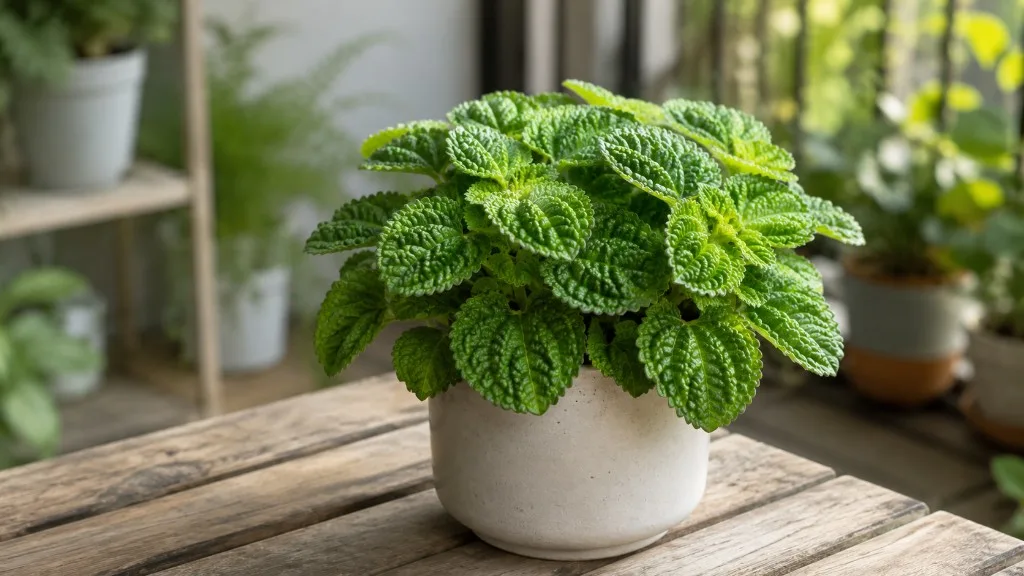
Pilea Moon Valley (Pilea mollis, sometimes sold as Pilea involucrata ‘Moon Valley’) is a compact foliage plant grown for deeply quilted, textured leaves-not the round coin leaves of Pilea peperomioides. Propagation is straightforward because Missouri Botanical Garden notes Pilea mollis is easily propagated from stem cuttings and also divides readily when multiple shoots form at the base.
The main propagation mistake is starting from weak, pest-stressed, or overwatered parent material-Moon Valley’s textured surface shows mite and moisture damage clearly, and tired cuttings rot before they root. Propagation succeeds when you match method to the plant’s upright mounding habit, maintain steady humidity without wet crowns, and wait for active spring growth.
This guide covers best methods, timing, water vs soil rooting, division, aftercare, and failure signs.
Best Propagation Methods for Pilea Moon Valley
Stem cuttings (recommended)
The default method for most home growers:
- Take 3–4 inch cuttings from healthy stems
- Include at least two nodes-roots and shoots emerge from nodes
- Remove lower leaves that would sit below water or bury in mix
- Keep top quilted leaves for photosynthesis
Stem tips root faster than woody lower segments. Avoid flowering shoots if present-redirect energy to vegetative growth.
Offset division
When a mature plant develops multiple crowns at the soil line:
- Unpot and gently tease apart rooted offsets
- Use a sterilized knife if rhizomes are thickly connected
- Each division needs roots plus several leaves
- Pot separately in small containers
Division gives instant small plants but is only possible when the parent has naturally branched.
Best Timing for Propagation
Propagate during active growth-typically spring through early summer indoors, or whenever your Moon Valley pushes consistent new quilted leaves.
Good timing signals:
- Firm upright stems
- New leaves opening with full texture
- Stable watering rhythm (not recovering from rot)
Avoid propagating when:
- Parent is recovering from overwatering, pests, or recent repot shock
- Winter slowdown with minimal new growth (unless you supplement heat and light)
- Immediately after shipping-acclimate two weeks first
Timing matters more than calendar date. A cutting taken in October under grow lights can root if conditions are warm and bright; the same cutting in a cold dim room may rot.
How to Take Cuttings
- Water the parent the day before so stems are turgid-not soggy wet.
- Sterilize scissors with alcohol or flame.
- Cut just below a node at a 45-degree angle.
- Remove lowest leaf pair that would submerge or bury.
- Optional: Dip cut end in rooting hormone-helpful but not required for Pilea mollis.
- Start within an hour-do not let cuttings wilt on the counter.
Choose stems with clean quilted texture-avoid speckled mite damage or crisp edges.
Water Propagation Setup
Water propagation lets you monitor root progress-ideal for beginners.
- Use a clear glass or jar with room-temperature water.
- Submerge one node minimum; two is better.
- Place in bright indirect light-Pilea species generally prefer bright filtered indoor light and consistent moisture during rooting. The RHS Pilea growing guide recommends stem cuttings as the standard propagation approach for many pilea houseplants.
- Change water every 3–5 days to prevent anaerobic rot.
- Transplant when roots are 1–2 inches long-delaying leads to fragile water-adapted roots that struggle in soil.
Humidity note: Moon Valley leaves lose texture if air is extremely dry during rooting. A loose clear bag over the glass (not touching leaves) raises humidity-vent daily.
Soil Propagation Setup
Soil rooting skips the transplant shock of water-to-soil but requires airflow control.
- Use small pots (2–3 inch) with drainage holes.
- Mix standard potting soil + 15–20% perlite-same as mature Moon Valley prefers.
- Insert cutting so one node sits below the surface.
- Water lightly to settle mix; do not saturate into mud.
- Cover with a clear humidity dome or bag for the first week; vent daily.
- Keep bright indirect light and 21–24°C (70–75°F) when possible.
Soil should stay lightly moist, not wet. Quilted leaves crisp if mix dries completely; stems rot if mix stays soggy.
Rooting Timeline and Success Signs
| Phase | Timing | What to expect |
|---|---|---|
| Callus / early roots | Days 7–14 | Small white bumps at nodes (water method visible) |
| Functional roots | Weeks 2–4 | 1–2 inch roots; resistance when gently tugged (soil) |
| New growth | Weeks 3–6 | Tiny quilted leaf opening at tip or node |
| Established plant | Weeks 6–8 | Multiple new leaves; firm stem |
Failure signs: Black mushy cut end, sour smell, leaf drop without root formation, shriveling while medium is wet (rot) or bone dry (dehydration).
Aftercare for New Pilea Moon Valley Plants
New plants need steadier conditions than mature specimens:
- Pot up when roots fill the starter container-usually one size up only.
- Hold fertilizer until the plant pushes a second set of new leaves-typically four to six weeks after rooting.
- Water when top 2–3 cm dries-Moon Valley sulks if mix dries hard but rots if constantly wet.
- Maintain humidity 50–60% if leaf edges crisp in dry AC-group with other plants or use a pebble tray.
- Bright indirect light-see the light guide.
- Do not repot repeatedly-stability matters more than upsizing early.
Judge success by new quilted leaves with full texture-not by constant digging to inspect roots.
Division Aftercare
After separating offsets:
- Pot each division in small containers with fresh airy mix
- Water once to settle; then follow dry-down rhythm
- Bag humidity for the first week if leaves wilt
- Keep out of direct sun until new growth appears
Divisions often recover faster than leafless cuttings because they retain roots.
Common Propagation Mistakes
- Starting from pest-damaged or overwatered parent stock
- Burying cuttings too deep-crowns and nodes need airflow
- Leaving water roots too long before soil transplant
- Soggy propagation mix-Moon Valley stems rot quickly
- Dim cold rooting station-slow rooting invites decay
- Fertilizing before roots work-burns tender new tissue
- Confusing Moon Valley with Pilea peperomioides water-propagation advice-the species differ
When Not to Propagate
Skip propagation if the parent shows:
- Active spider mites on quilted leaf texture
- Soft stems or sour soil from overwatering
- Recent heavy wilt from drought-rehydrate parent first
- Only one stretched stem on an unhealthy plant-fix leggy growth and care before taking cuttings
Propagation is a reward for healthy plants, not a rescue for dying ones.
Equipment Checklist
- Sharp sterilized scissors or knife
- Clear glass (water method) or 2–3 inch pots with drainage (soil method)
- Perlite-enhanced potting mix
- Optional rooting hormone
- Clear humidity cover with daily venting
- Bright indirect light location
Linking Propagation to Ongoing Care
New Moon Valley plants succeed when propagation conditions match long-term care:
- Watering - even moisture without crown wetness
- Soil - well-draining with perlite
- Light - bright indirect for firm quilted leaves
- Humidity - moderate; avoid dry AC blasts
Conclusion
Pilea Moon Valley is one of the easier textured pileas to propagate-stem cuttings in water or airy soil during active growth give reliable results when you start from clean healthy material. Keep humidity steady, avoid wet crowns, and transplant before water roots become fragile. Success looks like new quilted leaves with the same deep texture as the parent-not merely roots in a glass.
For full species context, see the Pilea Moon Valley overview.
When to use this page vs other Pilea Moon Valley guides
- Pilea Moon Valley overview - Start here for whole-plant context before deep-diving this topic.
- Pilea Moon Valley problems hub - Jump to symptom-specific fix guides when this care topic does not resolve the issue.