Watering Philodendron Selloum: Schedule, Soil Checks &
Watering Philodendron Selloum: Schedule, Soil Checks & Mistakes
Watering Philodendron Selloum: Schedule, Soil Checks & Mistakes
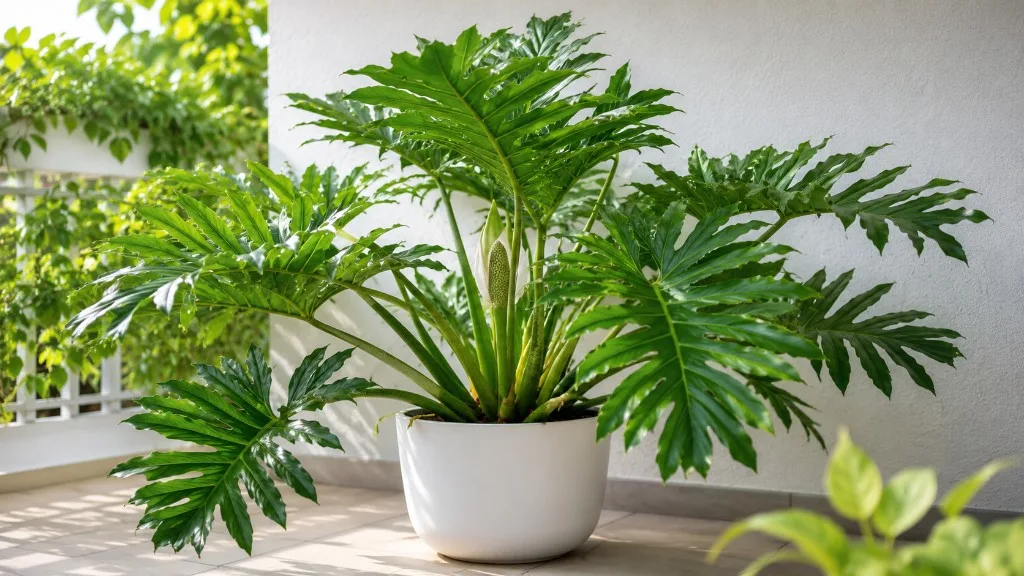
Philodendron selloum watering is one of those topics where the common name sounds familiar but the plant in your living room behaves like furniture with a rainforest appetite. Thaumatophyllum bipinnatifidum - still sold as Philodendron selloum, tree philodendron, or split-leaf philodendron - is a self-heading shrub with massive lobed leaves on long petioles, not a trailing heartleaf you can hoist to the sink every Tuesday. NC State Extension lists mature indoor dimensions around 4 to 10 feet tall and 6 to 10 feet wide, which means transpiration from huge leaf mass can pull water quickly in warm bright conditions - yet the same specimen in an oversized fresh repot may stay wet at the root core for weeks. Missouri Botanical Garden describes the species as needing consistent and regular moisture while NC State warns it is intolerant of drought and prone to root rot in overly damp soil. The practical reconciliation: moist root zone, aerated mix, dry surface between drinks - checked in the actual pot, not on a calendar.
This guide covers how often to check (not blindly water), the 5 cm moisture test on large containers, soak-and-drain technique for floor specimens, overwatering and underwatering signs on huge lobed leaves, seasonal adjustment, cachepot drainage, and the mistakes that turn a statement plant into a yellowing salvage job. For full species context see the Philodendron Selloum overview; for mix and drainage see soil and light guides that directly change how fast your pot dries.
Visual confirmation cues (labeled photos pending - use these text patterns until media is added): on a wide floor pot, a dry rim with damp center skewer shows pale, dusty mix at the edge while the wooden probe emerges dark and soil-clingy near the trunk; yellow lower whorl overwatering pairs heavy pot weight, soft spongy petioles, and sour-smelling mix; crisp drought edges on limp lobes sit on a light pot with soil pulled away from walls.
Why Selloum Watering Is Not a Calendar Habit
Tree philodendron is an aroid that evolved in tropical South American understory with periodic rain and open, oxygenated soil - not sealed ceramic cachepots on carpet. Indoors, the main watering mistake is following a weekly habit without checking pot weight, root-zone moisture, and current light. Illinois Extension is blunt: many houseplants suffer from too much or too little water when people adhere to a schedule instead of testing the soil. Selloum amplifies that error because a 14-inch floor pot can weigh more than you can comfortably lift, surface mix dries faster than the center, and a decorative outer pot hides standing water until roots fail.
Outdoor landscape selloum in frost-free zones (USDA 9–11 per NC State) often receives rain plus deep ground drainage - a different physics problem than a sealed indoor cachepot where runoff has nowhere to go. This guide focuses on container and floor-specimen culture indoors; in-ground plants follow rainfall and soil percolation, not turkey-baster saucer emptying.
Self-Heading Shrub Biology Changes the Math
Unlike climbing philodendrons, Thaumatophyllum bipinnatifidum grows upward from a central crown as a large, non-climbing, semi-woody shrub. Mature leaves reach up to 3 feet long on smooth petioles - enormous transpiring surface area that uses water quickly when the plant sits in bright warmth. Yet the thick stem stores less moisture than the leaf display suggests, and NC State notes the species does not tolerate drought: repeated dry spells damage fine roots on this moisture-loving aroid. Crown leaf mass versus root-ball ratio is the non-obvious variable generic philodendron watering pages skip. A nursery selloum in a tight root-bound pot dries differently than the same plant upsized into a volume of fresh mix where roots have not yet explored the outer inches - expect slow dry-down after repotting until roots fill the new space, as detailed on the repotting guide.
On mature specimens with aerial roots descending the trunk, the base of the stem and any moss-wrapped aerials can hold moisture longer than the rim of a wide pot - probe near the crown and along the trunk, not only at the pot edge, before assuming drought. That is why selloum’s drought intolerance makes wet-soil limp more dangerous than on succulent-tolerant philodendrons: the huge leaves look thirsty while roots are drowning.
How Often to Water Thaumatophyllum bipinnatifidum Indoors
There is no honest universal schedule for how often to water philodendron selloum. Frequency follows how fast your specific container dries - light, temperature, humidity, pot volume, soil texture, and growth phase all matter. Clemson HGIC notes that large plants in small pots need water more often than small plants in large pots, but selloum often inverts expectations: a huge plant in a huge pot holds moisture longer at the core while leaves still transpire heavily at the rim. Use the seasonal ranges below as check reminders, not watering permission - confirm dryness every time.
Summer Active-Growth Checks
During warm months with active new leaf unfurling, many indoor selloums need a thorough drink roughly every 7 to 10 days - but only after the top 5 cm (about 2 inches) of mix feels dry at depth. That dry-surface-then-soak pattern matches Missouri Botanical Garden’s consistent moisture guidance without keeping soil permanently saturated. If the pot still feels heavy and the 5 cm probe reads cool or clingy, skip watering even on day ten. A selloum in strong bright to medium indirect light dries faster than the same plant shoved into a dim corner; NC State links low light combined with over-watering to smaller leaves with fewer lobes - a warning that weak light plus excess water is a double penalty. Active unfurling of new dissected leaves can spike water demand for a week or two; still check depth before soaking - do not auto-water because you see a new cataphyll.
Winter Slowdown Intervals
Growth slows as days shorten and rooms cool. The same volume of mix holds water longer while transpiration drops. Many indoor selloums stretch to 14 to 21 days between drinks in winter, sometimes longer in a cool dim room - but the finger test still overrides the calendar. Pushing summer frequency into a dim December room is a common path to yellow leaves and soft petioles. Resume shorter check intervals only when new growth is clearly active and the pot dries at the old rate.
The Best Moisture Checks Before You Water
Surface color lies on large pots. Chunky aroid mix can look pale and dry on top while the center near the root ball stays damp - especially in peat-heavy blends or after a recent deep soak in an oversized container. On very wide containers, probe to roughly one-third of pot diameter depth at the center (e.g., 5 cm minimum on a 12-inch pot, deeper toward the trunk on 16-inch floor specimens). Use at least one physical test every time, consistently, so you learn how your specific setup behaves.
Finger and Skewer at 5 cm Depth
Illinois Extension recommends testing soil with your finger to a depth of two inches - the same practical standard as the 5 cm rule used across this selloum cluster. Push your finger to the second knuckle; water only when dry at that depth, not merely dry on the surface. A dry wooden skewer or bamboo chopstick pushed toward the pot bottom and pulled out should emerge clean when the plant is ready; darkening or soil clinging means wait. On very wide floor pots, probe mid-root zone near the trunk base, not only at the pot edge where mix dries fastest.
Pot Weight on Floor Specimens
Pot weight is the method experienced growers trust on specimens too heavy to move casually. Lift the container right after a thorough watering - or rock it slightly if full lift is unsafe - then compare daily until it feels noticeably lighter. Clemson HGIC lists weight loss as dryness develops as a reliable gauge alongside touch. If you cannot lift the pot, pair skewer depth at the center with a moisture meter probe near the root ball - meters vary in accuracy per Clemson, so calibrate against finger results in your mix rather than trusting a single reading blindly at the rim.
How to Water a Large Floor Specimen
When dryness checks pass, water thoroughly and evenly across the soil surface until excess runs from drainage holes. Partial top watering - a cup every few days - wets the upper layer while leaving the center irregularly moist, encouraging shallow roots and hidden rot. One deep soak per dry cycle wets the entire root ball once, then lets oxygen return as water exits - the rhythm container culture must replicate. RHS guidance for philodendrons applies here: let the compost dry out slightly between waterings and never leave plants standing in water.
Soak Until Drain, Then Empty Saucer
Clemson HGIC instructs growers to water until it runs out the bottom, then empty the saucer so the pot does not sit in drained water. UConn Extension adds that saucers and cachepots should be emptied within about an hour of watering because excess water displaces oxygen and kills roots. Use room-temperature water; Clemson recommends 62 to 72 °F and warns against softened water that adds sodium and chloride to the mix. NC State notes selloum does not tolerate salt buildup and recommends flushing soil or using distilled water where tap is hard - relevant when you soak large pots repeatedly and brown tips appear on multiple leaves; see brown tips if that pattern spreads.
Cachepot Workflow When You Cannot Lift the Pot
Never let a selloum stand in drained water. If the nursery pot sits inside a decorative cachepot, remove it when possible, water at the sink or tub, let drain 15 to 30 minutes, empty both saucer and cachepot, then replace. If the specimen is too heavy to move, water in place only when the inner pot has drainage holes, then remove standing water from the saucer or cachepot with a turkey baster or towel within 30 to 60 minutes - the same workaround extension educators recommend for immovable houseplants. Pouring water directly into a sealed decorative pot without drainage recreates the anaerobic conditions Missouri Botanical Garden describes in overwatering guidance: roots cannot absorb oxygen, decline, and the plant wilts even though mix is wet. A sealed decorative pot with no inner drainage requires mandatory repot into a draining setup - no baster workaround fixes long-term anaerobic soil.
Signs You Are Overwatering
Selloum overwatering shows up in leaves, petioles, and soil together. Catch early signs before the root ball turns sour.
Watch for yellowing leaves - often lower foliage first, distinct from single old-leaf senescence - on a plant whose mix stays dark and cool many days after watering. Soft, mushy petioles near the crown suggest tissue failure from chronic moisture, not mere thirst. Sour or musty smell from the pot confirms anaerobic conditions per Missouri Botanical Garden’s overwatering symptoms. Fungus gnats at the soil surface breed in perpetually moist organic matter. Drooping huge lobes on wet soil is the trap: roots are failing, not dry - adding water accelerates root rot.
Selloum-Specific Yellowing and Petiole Softness
On mature selloum, overwatering yellowing often spreads from lower whorls upward while newer crown leaves still look green briefly - the plant sheds older tissue while roots decline. Petioles that feel spongy or bend without spring differ from the limp drought droop of underwatering: wet-soil limpness pairs with heavy pot weight and cool mix at depth. Missouri Botanical Garden lists root rot in overly moist soils as a primary problem. If several signs cluster, pause watering, inspect the root zone, and read overwatering on Philodendron Selloum before feeding or repotting on panic.
Signs You Waited Too Long
Underwatering is less common on selloum than rot but still damaging because the species is drought intolerant. Widespread petiole collapse on a very light pot, crisping leaf edges on huge lobes, and soil pulling away from pot walls point to desiccation. A single dry episode is usually recoverable: one thorough soak until water runs from holes, full drain, then return to the dry-down cycle - many specimens perk within 24 to 48 hours after one missed cycle, though repeated drought damages fine roots and slows recovery on mature plants with partial root loss. Do not compensate with daily small sips - that keeps the top wet and center stressed, the same pattern that invites rot.
If leaves are limp and soil is wet, you are not underwatered. Diagnose overwatering or root failure instead; see drooping leaves for the wet-vs-dry decision tree.
Seasonal Watering Changes
Selloum metabolism follows light and temperature, not a watering app. Spring restart may shorten dry-down as new dissected leaves unfurl; fall into winter lengthens it even before you notice heating. Track two full wet-dry cycles each season change. Note check dates, pot weight or skewer results, and whether new leaves are forming. Within a month you will know your room’s rhythm better than any generic blog schedule. Pair watering adjustments with light changes - a selloum moved for holiday decor uses less water and needs fewer drinks, not the same Tuesday soak.
| Season / condition | Typical check interval | What changes dry-down speed |
|---|---|---|
| Warm, bright active growth | 7–10 days (check only) | High transpiration from large leaves |
| Cool, dim winter | 14–21 days or longer | Slower uptake, wetter core |
| Fresh upsize repot | Extend interval 1–3 weeks | Large fresh mix volume, sparse roots |
| Heat + AC airflow | May shorten or lengthen | Soil surface dries fast; root core may lag |
Pot Size, Repotting, and Dry-Down Speed
A larger pot changes watering immediately. Fresh mix without roots exploring the outer volume stays wet longest at the center - the classic post-repot overwatering trap on large aroids. After upsizing, center skewer can stay damp 18+ days while the rim looks pale and dry; extend intervals until roots explore the new volume. Wait until roots fill visible space at drainage holes before assuming your old summer interval still applies. Conversely, a root-bound selloum in a tight pot may need checks every few days in summer despite large leaf mass because little soil volume holds moisture.
Oversized decorative pots - planting directly into a cachepot three sizes too large - keep the root zone anaerobic while only the top inch looks dry. The fix is proper drainage and a pot matched to root mass, not more frequent shallow sips. Good watering sits on chunky aroid mix that dries at a usable speed; dense peat bricks in 16-inch containers are how floor selloums develop mysterious yellowing while owners swear they “only water once a week.”
Watering Mistakes That Cause Root Rot
Most failures repeat predictable patterns on self-heading aroids:
- Calendar watering without a soil check - top mistake on heavy floor specimens
- Leaving runoff in saucers or cachepots - recreates standing water extension services warn against
- Small daily sips instead of full soaks - wets the top, starves deep roots, hides wet centers; especially fatal on wide floor pots where roots never explore the full volume
- Watering because huge leaves drooped without checking moisture - adds water to rot or ignores real drought
- Maintaining summer frequency through winter in dim cool rooms
- Watering immediately after upsizing into an oversized pot before roots explore new mix
- Assuming “moisture-loving” means permanently damp soil - confuses consistent moisture with stale anaerobic mix
- Fertilizing into sour soil or active rot - salts stress failing roots; see selloum fertilizer only after watering and roots stabilize
- Ignoring salt buildup from repeated soakings with hard tap - flush occasionally per NC State guidance
- Stacking water, repot, and placement changes after a scare - fix watering first
If several overlap - cachepot, dim placement, weekly calendar, fresh oversized repot - rot is predictable. Fix drainage and checking before fertilizer, pruning, or another repot.
Fast Decision Check: Limp Leaves and Wet or Dry Soil
When a large selloum looks tired, run this before touching the watering can:
- Pot weight / skewer at center - heavy and cool with clinging skewer means wet; light with dry skewer means drought.
- Limp leaves + wet soil - stop watering same day; if sour smell, soft petioles, or gnats cluster, unpot within 24–48 hours to inspect roots per the root rot guide - wet-soil wilt will not fix itself with another drink.
- Limp leaves + dry light pot - one full soak, drain fully, resume dry-down checks.
- Yellow lower leaves only, firm petioles, stable moisture - may be normal senescence; watch trend before reacting.
- Sour smell or gnats - emergency dry-down; do not fertilize into rot.
| Symptom | Likely cause | First action | Urgency |
|---|---|---|---|
| Yellow lower leaves, heavy wet pot | Overwatering | Stop water; probe 5 cm; empty cachepot | Routine skip next soak |
| Soft petioles, sour soil, gnats | Advanced overwatering / rot | Stop water; inspect roots within 24–48 h | Same-day stop; unpot if worsening |
| Limp huge lobes, dry light pot | Underwatering | Full soak, drain, resume checks | Water today |
| Limp lobes, wet soil | Root failure | Do not add water; inspect roots | Same-day stop watering |
| Crisp edges, healthy dry cycle | Salt or low humidity | Flush if salts; see brown tips guide | Adjust over days |
| Slow dry-down after repot | Oversized fresh mix | Extend interval; verify with skewer | Wait; do not force schedule |
How We Wrote and Verified This Guide
This guide was written by sai-ananth and reviewed by the LeafyPixels Review Board (reviewed June 2026). Methodology: Recommendations were checked against NC State Extension Philodendron bipinnatifidum profile, Missouri Botanical Garden Plant Finder and overwatering guidance, Clemson HGIC indoor watering factsheet, Illinois Extension houseplant watering, UConn Extension watering practices, and RHS philodendron growing guidance - then mapped to practical indoor constraints for large self-heading selloum specimens, cachepots, and floor placement. Factual claims are validated via claims-validator-v1; see the validatedClaims block at file end.
Limitations: Individual homes vary; numeric intervals are starting checks, not guarantees. Chronic root rot on mature specimens with aerial roots may need hands-on nursery or extension consultation. Outdoor in-ground selloum follows rainfall and soil drainage, not the cachepot workflows in this guide.
Revision note (2026-06-15): Score-79 lift - rendered FAQs, escalation conclusion replacing recap, linked author bio, root-rot urgency in fast-decision step 2, fertilizer cross-link, outdoor vs indoor distinction, aerial-root moisture note, visual confirmation text cues, and expanded wet-vs-dry urgency table. Original symptom photos pending.
Related Philodendron Selloum Care
- Philodendron Selloum overview - full care hub
- Selloum light needs - how light drives dry-down speed
- Selloum soil - chunky mix and drainage
- Selloum fertilizer - feeding only after roots stabilize
- Selloum repotting - post-repot moisture changes
- Root rot on Philodendron Selloum - salvage workflow
- Underwatering on Philodendron Selloum - drought recovery on large leaves
- Overwatering on Philodendron Selloum - chronic moisture diagnostics
FAQs
How dry should the top 5 cm be before I water my selloum?
Water only when the top 5 cm (about 2 inches) feels dry to your finger or emerges clean and dry on a skewer probe - not when the surface merely looks pale. On very large floor pots, also check mid-root zone near the trunk because edge mix can dry faster than the center. Slightly dry at depth is the green light for a full soak; cool, clingy, or dark skewer wood means wait.
My huge selloum pot stays wet for two weeks - what should I do?
Stop calendar watering immediately and diagnose why the core holds moisture: oversized fresh repot, dense peat-heavy mix, weak light, or a cachepot trapping runoff are the usual causes. Improve light per the selloum light guide, confirm drainage holes are open, empty any saucer water after every drink, and consider amending or repotting into chunkier aroid mix if the center never dries. Probe the middle of the pot, not only the rim, before the next soak.
Can I use a moisture meter on Thaumatophyllum bipinnatifidum?
Yes, as a supplement near the root ball on pots too heavy to lift - but calibrate against finger and skewer tests in your specific mix. Meters misread in very chunky bark-heavy blends and can lag behind actual root-zone conditions. Treat a “dry” meter reading at the pot edge as insufficient if the center skewer still shows moisture on a wide floor container.
How do I water a selloum I cannot lift to check weight?
Use a center skewer or moisture meter at root depth, plus the 5 cm finger test where you can reach. Water in place only if the inner pot has drainage, soak until a little water exits the holes, then remove standing water from the saucer or cachepot with a turkey baster within 30 to 60 minutes. If the plant is sealed in a non-draining decorative pot, repot into a setup with real drainage - you cannot water a large aroid correctly without it.
Is selloum watering the same as monstera?
No. Both are large-leaf aroids that prefer bright indirect light and consistent moisture, but Monstera deliciosa is a climbing hemiepiphyte with different root architecture and often smaller indoor containers, while Thaumatophyllum bipinnatifidum is a self-heading floor shrub with a central crown and wide pots where rim-edge drying deceives. Monstera tolerates slightly longer dry windows in comparable mix; selloum is more drought-intolerant per NC State and more prone to hidden wet-core rot on oversized floor containers. Use species-specific checks, not one schedule for both.
When to Escalate
Stop watering same day when huge lobes are limp and center skewer or pot weight says wet - adding water accelerates root failure. If soft petioles, sour soil, or fungus gnats cluster with that pattern, unpot within 24–48 hours and follow the root rot protocol before fertilizing or repotting into the same dense mix.
Extend winter intervals - do not maintain summer check frequency - when growth stalls in a cool dim room and the pot stays heavy past 14 days; route persistent yellowing to overwatering diagnostics rather than stacking changes.
Mandatory repot when the plant sits in a sealed decorative pot without drainage or a cachepot that cannot be emptied after every soak; in-place baster workarounds are temporary only.
Route to underwatering when a light pot, dry skewer, and crisp leaf edges persist after one full soak failed to perk the plant within 48 hours - repeated drought may have damaged fine roots beyond a single drink fix.
When in doubt after a rot scare: stabilize watering and light for two full dry-down cycles (often 3–4 weeks in winter) before fertilizer or another repot - stacking interventions is how mature selloums lose the next whorl of leaves.
When to use this page vs other Philodendron Selloum guides
- Philodendron Selloum overview - Start here for whole-plant context before deep-diving this topic.
- Philodendron Selloum problems hub - Jump to symptom-specific fix guides when this care topic does not resolve the issue.
- Root Rot on Philodendron Selloum - Escalate here when watering adjustments are not enough.