Philodendron Selloum Repotting: When, How, and Mistakes
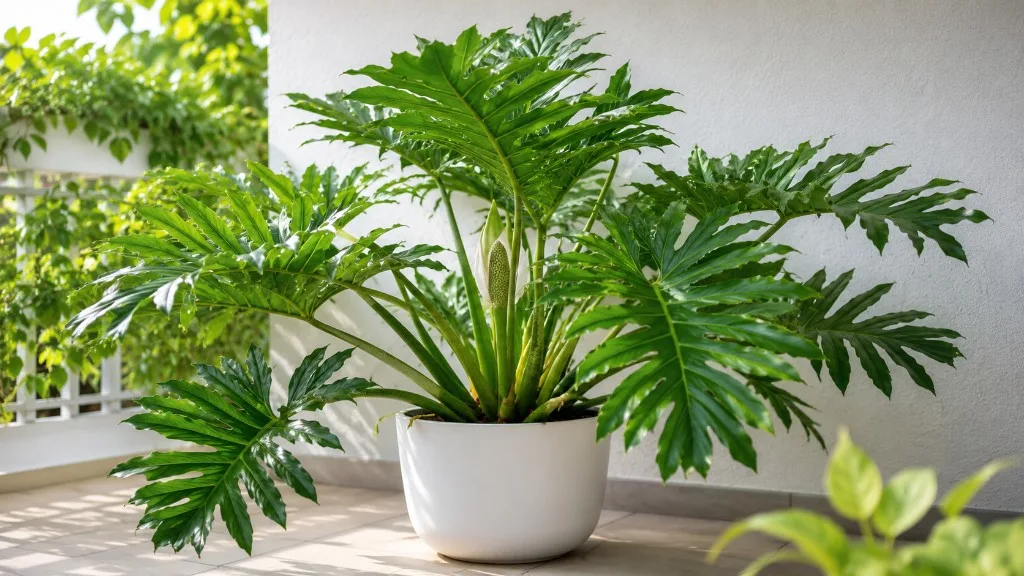
Philodendron Selloum Repotting: When, How, and Mistakes to Avoid
Philodendron Selloum Repotting: When, How, and Mistakes to Avoid
Philodendron Selloum repotting is a floor-scale job, not a windowsill tweak. The plant on your rug is Thaumatophyllum bipinnatifidum - still sold as split-leaf or tree philodendron - a large, non-climbing, semi-woody shrub that may reach 4 to 10 feet tall and 6 to 10 feet wide indoors. That self-heading architecture means a shallow-but-wide root mass, long petioles, and a crown that can weigh more than the pot. Repotting restores drainage, replaces compacted mix, and gives roots room - but only if you match wide stable pots, one size up, and minimal root disturbance to how Philodendron Selloum overview actually grows.
This guide covers when selloum needs repotting, a decision table for routine vs top-dress vs emergency moves, pot geometry for top-heavy specimens, the chunky aroid mix from the soil guide, an eight-step numbered workflow with heavy-plant handling notes, division at repot, mistake recovery, and realistic shock timelines. Cross-check light, watering, and propagation if problems persist after the move.
Reviewed by LeafyPixels Review Board · Author: sai-ananth · Methodology: Recommendations checked against Missouri Botanical Garden PlantFinder, NC State Extension Philodendron bipinnatifidum, Illinois and Minnesota Extension houseplant repot guidance, Iowa State philodendron culture, RHS philodendron growing guide, ASPCA toxicity listing, and LeafyPixels selloum cluster data.
Quick Answer: When to Repot, Pot Size, and What to Expect
Plan a full repot every 1–2 years for actively growing indoor selloum, or sooner when two or more root-bound signals appear together: roots at drainage holes, water channeling straight through, growth stalling despite good light and feeding, or sour compacted mix. Spring through early summer is the safest window. Choose a pot 2–5 cm (1–2 inches) wider in diameter - wide and stable, not tall and narrow - with drainage holes. Use the chunky aroid mix from the soil guide (about 40% potting mix, 25% perlite, 25% orchid bark, 10% worm castings). Water once thoroughly after repotting, skip fertilizer for at least one month, and expect mild wilt for 1–2 weeks with root re-establishment in roughly 4–6 weeks under warm, bright indoor conditions - a home-climate heuristic, not a fixed species rule.
| Situation | Action | Timing |
|---|---|---|
| Routine upgrade - roots circling, mix still structurally OK | Full repot, one size up, all fresh mix | Spring / early summer |
| Mature plant at max housable size, roots healthy | Top-dress top third only | Spring |
| Severe root-binding with repeated wilt | Full repot; tease circling roots; consider help moving | Next active growth window |
| Mushy roots, sour smell, active decline | Emergency repot + trim rot; may be mid-winter | Immediately - see root rot |
| Slightly tight but stable | Inspect only; defer | Fall / winter |
Why Split-Leaf Philodendron Repotting Is Different From Vining Philodendrons
Heartleaf and Brasil philodendrons fill small pots with runners and recover from repot shock quickly. Selloum grows upward from a central crown - Missouri Botanical Garden describes a rosette-like leaf configuration on long petioles from a thick stem, not a moss-pole climber. NC State notes mature plants develop aerial roots along the trunk outdoors; indoors, those roots may appear as the lower stem thickens. The root ball tends to be wide and heavy relative to depth, and the foliage span can exceed the pot footprint by several feet. Repotting rules copied from six-inch vining pots - tall narrow containers, aggressive bare-rooting, or oversized “room to grow” jumps - fail here.
Self-Heading Shrub Habit at Floor Scale
Indoor selloum behaves like a shrub specimen, not a trailing basket plant. NC State lists dimensions of 4–10 feet tall and 6–10 feet wide for container culture, with leaves that can exceed three feet long on mature plants. That leaf mass transpires heavily in warm bright rooms, pulling water from the upper mix faster than the pot center dries - the same uneven moisture pattern that makes soil structure critical. When you repot, you are resetting an oxygen system for a plant that may weigh 50–100+ pounds in a 14–18 inch container. Stability matters as much as drainage: a top-heavy selloum in a tall narrow cachepot will wobble long before roots explore the unused depth.
Wide Root Mass, Aerial Roots, and Physical Weight
Self-heading selloum builds a fibrous, spreading root mat rather than a deep taproot. Circling roots at the pot bottom often appear while the surface still looks roomy - especially if water channels down the sides of compacted peat. During repot, tuck healthy aerial roots into the mix or guide them toward the new soil surface; trim only dried, hollow, or clearly dead tissue. Do not strip the entire root ball: fine root hairs absorb water, and bare-rooting a floor-scale selloum can set recovery back weeks. Enlist a second person to tilt and slide the pot off; never yank by petioles. Wear gloves - sap contains calcium oxalate crystals that irritate skin and mouths.
When to Repot Philodendron Selloum
Calendar reminders help you inspect, not automatically repot. A healthy selloum in a appropriately sized pot with good watering rhythm may sit comfortably 18 months to two years between full upgrades; young fast-growing specimens may need attention yearly. Mature plants that have reached your space limit can stay in the same pot longer if you top-dress and root-prune lightly - see below.
Calendar Timing: Spring and Early Summer
Spring through early summer aligns with active growth when roots colonize fresh mix fastest. Illinois Extension notes houseplants recover from repot stress best when hydrated before the move and given adequate light afterward - the same window when days lengthen and new leaves emerge on selloum. University of Minnesota Extension recommends spring repotting when roots circle tightly or emerge from holes. Early summer remains acceptable in warm homes; fall suits top-dressing only unless emergency rot demands action.
Winter deferral: Skip routine winter repotting if the plant is merely slightly tight. Short days and cool rooms slow uptake; disturbed roots sit in wet mix longer. Repot in winter only when delay would clearly harm the plant - active rot, severe binding with repeated collapse, or a broken pot. Mid-bloom repot deferral is largely irrelevant indoors; Missouri Botanical Garden notes flowers rarely appear on indoor plants.
Root-Bound and Mix-Exhaustion Signs
Repot when two or more of these show during active growth:
- Roots visible at drainage holes or circling the surface when you lift the plant partway out
- Water runs through immediately without the mix absorbing - hydrophobic, spent root mat
- Growth stalls - no new lobed leaves for many weeks despite adequate light and feeding
- Pot dries in hours then the plant wilts between waterings - dense roots, little functional mix
- Mix smells sour or stays wet at the bottom while the surface looks merely damp
- Salt crust on the soil surface that flushing no longer fixes - NC State warns selloum does not tolerate salt buildup
- Yellowing lower leaves with wet soil may mean overwatering or binding - inspect roots before repotting for color alone
Iowa State Extension notes philodendrons tolerate being slightly pot-bound because mix dries faster; selloum can stay slightly tight longer than a Brasil, but compacted peat still breaks down and channels water around a hydrophobic root mat.
Choosing the Right Pot: Wide Base, One Size Up, Drainage
The critical decision is inner diameter and base width, not decorative height. RHS philodendron guidance recommends repotting in spring into a container one size larger with loose, free-draining compost. University of Minnesota Extension warns that too much extra soil holds too much water - the most common selloum repot failure on floor-scale plants.
Measure current inner diameter and add 2–5 cm (1–2 inches). Examples: 30 cm (12 in) → 33–35 cm; 35 cm (14 in) → 38–40 cm; 40 cm (16 in) → 43–45 cm. Jumping from 35 cm to 50 cm “for future growth” leaves a wet outer ring the root ball cannot use for months, inviting root rot in fresh mix.
Drainage holes are mandatory. Multiple holes beat one center hole on wide pots. Cachepots without holes work only if the plant stays in a draining nursery pot you remove to water.
Wide vs Tall Pot Geometry for Top-Heavy Selloum
For self-heading selloum, wide and low beats tall and narrow. A 40 cm wide, 35 cm tall pot gives a lower center of gravity than a 35 cm wide, 45 cm tall designer cylinder - even when soil volume is similar. The root mass spreads horizontally; unused depth at the bottom stays saturated while you water the dry-looking top. After repot, the plant should stand without rocking when you lightly push the crown; if it wobbles, choose a heavier/wider base or add a discreet stabilizing ring - not a deeper pot.
Pot Materials and Stability for Large Specimens
Material affects dry-down after repot: glazed ceramic and plastic retain moisture longer (helpful in dry, bright rooms); terracotta dries faster (helpful if you tend to overwater); heavy concrete or thick ceramic adds stability for tall specimens. Match material to your watering habits - extra soil volume already slows dry-down until roots fill in. For a selloum approaching 6 feet, plan pot weight plus plant weight before placing on weak flooring or plant caddies.
Soil Mix at Repot (Link to Full Recipe)
Missouri Botanical Garden lists moist, fertile, well-drained soil high in organic matter for this species. NC State specifies high organic matter with good drainage and warns against overly moist soils that cause rot. At repot, replace all spent mix at a full upgrade - reusing degraded peat reintroduces compaction and salt.
Use the chunky aroid blend from the Philodendron Selloum soil guide:
- 40% quality indoor potting mix
- 25% perlite
- 25% orchid bark or pine bark fines
- 10% worm castings
That aligns with RHS guidance for philodendrons: loose, free-draining compost, slightly acidic. Avoid straight bagged peat in pots wider than 25 cm, garden soil, and unamended cactus mix. Do not add a gravel layer at the bottom - it does not improve drainage and reduces usable root volume. Pre-moisten mix lightly so bark does not float on first watering.
Step-by-Step: How to Repot Philodendron Selloum
Follow these eight steps in order. The worked example: a 35 cm (14 in) floor selloum that wilts hours after watering, shows roots at drainage holes, and has not been repotted in two years - repotted in early April.
-
Confirm timing. Repot during spring active growth if possible. Avoid repotting the same week you moved the plant to a new window or corrected severe overwatering - stabilize one variable first.
-
Prepare the new pot and mix. Add enough fresh mix to the bottom so the crown sits at the same depth as before - burying the self-heading stem causes rot. Target roughly one-third pot depth of mix before placing the plant, as RHS suggests when repotting philodendrons.
-
Water the day before so the root ball holds together. Gather gloves, tarp, clean scissors, chopstick, and a narrow-spout watering can.
-
Unpot with help. Tip the pot on its side; one person supports the crown while another slides the container off. If stuck, squeeze plastic pots or run a knife around the rim - never pull by leaves.
-
Inspect and trim roots. Healthy roots are white or light tan and firm. Trim only black, mushy, or sour-smelling tissue. Tease circling roots at the bottom and sides - do not bare-root unless treating active rot. Tuck viable aerial roots into the new mix.
-
Place in the new pot. For the 35 cm example, move to 38–40 cm - not 45 cm. Center the plant; backfill in layers, using a chopstick to remove air pockets without compressing the blend.
-
Fill to the correct depth. Mix should sit 1–2 cm below the rim for clean watering. The plant should feel stable without wobbling.
-
Water once thoroughly. Soak until water runs freely from drainage holes; empty the saucer. Do not fertilize. Return to bright filtered indirect light - not direct sun, which can scorch large leaves per Missouri Botanical Garden sun scorch warnings.
In the worked example, the plant showed mild wilt for six days, then held steady. At week five, a new leaf began unfurling with normal lobing - confirmation that root and mix conditions matched selloum’s needs.
Prep, Unpotting, and Handling Heavy Root Balls
For specimens you cannot lift alone, enlist help or slide the pot onto a tarp and drag to your workspace. Watering the day before reduces breakage when teasing circling roots. Illinois Extension recommends breaking up pot-bound or circling roots so you no longer have a dense exterior mat - but on selloum, remove chunks from the bottom third, not the entire old soil envelope. If the root ball diameter is 60 cm and foliage span 120 cm, that proportion is normal for a mature self-heading plant; do not assume bigger pot equals bigger leaves immediately.
Root Inspection, Placement, and First Watering
Place the plant at the same height it occupied before - Illinois Extension emphasizes same height as the original container. Firm mix around the edges for good root contact without packing heavily. First watering settles particles; do not water again until the upper 5 cm dries - often 7–14 days depending on season and pot material. Pair with the watering guide dry-down checks rather than a calendar.
Top-Dress vs Full Repot vs Emergency Root-Rot Repot
Top-dress when the plant is at maximum housable size but the top third of mix is compacted: scrape spent substrate in spring and replace with fresh chunky aroid mix without burying the crown deeper. Skip fertilizer for six weeks. If roots are mushy or the plant is actively declining, unpot and inspect instead of only top-dressing.
Full repot when circling roots, spent structure throughout the pot, or salt buildup affect the whole root zone - standard 1–2 year rhythm for growing specimens.
Emergency rot repot may be required any season when sour smell, black roots, and collapse appear - trim rot, repot into the smallest acceptable clean pot with fresh airy mix, and follow root rot recovery. Winter emergency repot is stressful but preferable to leaving rot in saturated old mix.
Division at repot: Selloum often produces basal offsets with their own roots. You can separate them during repot with a serrated knife - see the propagation guide for offset criteria. Division is optional, not required for routine upgrades.
Common Repotting Mistakes on Selloum
Oversized pot. Unused soil volume stays saturated at the bottom while the top looks dry - classic path to rot. Stick to one size up.
Bare-rooting or over-teasing. Stripping fine root hairs causes prolonged wilt on a large leaf mass. Tease only circling exterior roots unless performing rot rescue.
Tall narrow pot for stability. Depth without width increases wobble and wet-bottom syndrome.
Repotting for yellow leaves alone without inspecting roots or fixing watering and light first.
Immediate fertilizer. Fresh roots are vulnerable; wait at least one month. Iowa State suggests light fertilizing only while actively growing - not right after disturbance.
Heavy watering the first week. One thorough soak at repot, then wait for upper mix to dry. Constant dampness suffocates recovering roots.
Repotting during stacked stress - new purchase quarantine, pest treatment, or simultaneous light relocation. The overview guide recommends learning the pot’s dry-down before repotting on day one.
No drainage holes or reused sour mix. Both recreate the conditions repotting was meant to fix.
Ignoring sour smell after repot as “shock.” Sour odor with soft stems means rot rescue, not patience - unpot immediately.
Recovery Timeline and What Normal Transplant Shock Looks Like
Rule-of-thumb timelines for indoor selloum in warm, bright conditions - adjust for cool rooms or low light:
- Days 1–7: Mild wilt, slight droop on outer leaves, or paused new leaves - normal transplant adjustment. Keep out of direct sun.
- Weeks 1–2: Shock symptoms usually ease if pot size, width, and moisture are correct.
- Weeks 2–4: First new lobed leaf may emerge; judge size and color against pre-repot foliage.
- Weeks 4–6: Root re-establishment in fresh mix under favorable conditions; watering rhythm stabilizes toward your pre-repot check schedule, modified for larger volume.
Illinois Extension notes houseplants may wilt and die back a bit after repotting but often perk up with adequate water and light - give large selloum more time than small vining philodendrons because leaf mass demands more water while roots rebuild. Damaged leaves do not heal; judge success on new foliage. If wilt persists beyond three weeks with sour soil, unpot and inspect - do not assume slow shock.
Pet and Handler Safety During Repotting
Philodendron selloum contains insoluble calcium oxalate crystals that irritate mouths and GI tracts if chewed, causing oral pain, drooling, vomiting, and swallowing difficulty. NC State lists the species as poisonous with sap that can irritate sensitive skin. Wear gloves while handling cut tissue, keep pets and children out of the workspace, and dispose of trimmings in a closed bin. Keep the finished plant out of reach. If a pet ingests plant material, contact your veterinarian or ASPCA Animal Poison Control at (888) 426-4435 promptly - do not wait for symptoms to worsen.
Conclusion
Repot Philodendron Selloum when self-heading roots outgrow their mix - not on a calendar alone and not because one leaf yellowed. Spring, one pot size up in a wide stable container, fresh chunky aroid blend from the soil guide, minimal root disturbance, and a month without fertilizer give floor-scale split-leaf philodendron the best chance to unfurl new lobed leaves within a few weeks. Match post-repot watering to the new pot volume, enlist help for heavy specimens, and treat root rot before cosmetic upgrades. That focused routine respects how Thaumatophyllum bipinnatifidum actually grows - wide, heavy, and upright - without copying vining philodendron repot rules that ignore stability and pot geometry.
When to use this page vs other Philodendron Selloum guides
- Philodendron Selloum overview - Start here for whole-plant context before deep-diving this topic.
- Philodendron Selloum problems hub - Jump to symptom-specific fix guides when this care topic does not resolve the issue.
- Root Rot on Philodendron Selloum - Escalate here when repotting adjustments are not enough.