Best Soil for Philodendron Selloum: Mix, Drainage &
Best Soil for Philodendron Selloum: Mix, Drainage & Repotting
Best Soil for Philodendron Selloum: Mix, Drainage & Repotting
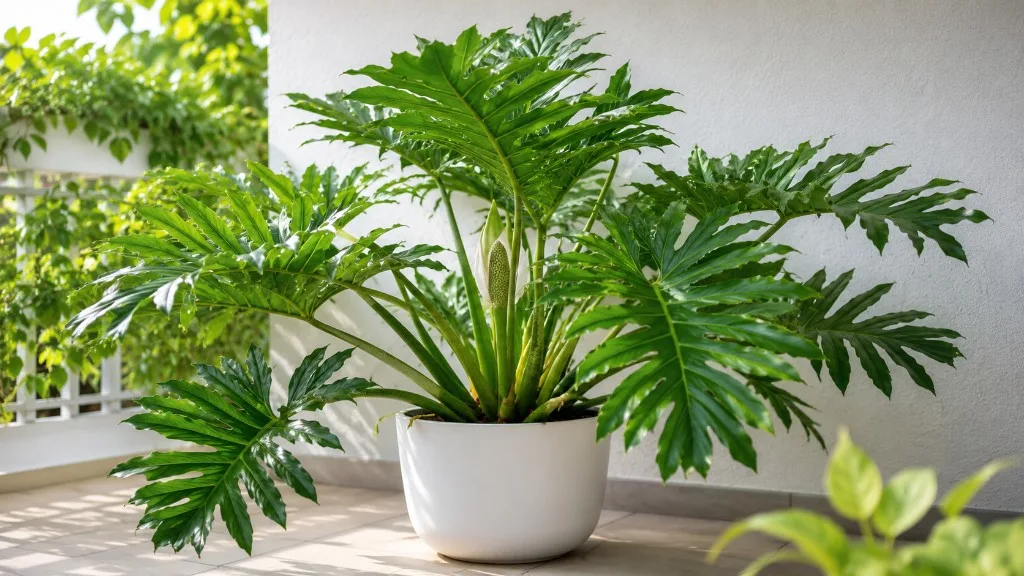
Philodendron Selloum soil is not a bag label you can swap between houseplants. The plant on your floor is Thaumatophyllum bipinnatifidum - a self-heading shrub with a crown that may eventually span 4 to 10 feet tall and 6 to 10 feet wide indoors, not a trailing philodendron in a six-inch pot. That scale changes every soil decision: how fast the center of a 14-inch root ball dries, how peat compacts under a hundred-pound specimen, and why the top of the mix can look dusty while the middle stays anaerobic.
The practical starting recipe most growers should use is a chunky aroid mix: potting mix plus about 25% perlite, 25% orchid bark, and 10% worm castings by volume, in a sturdy pot with multiple drainage holes only one size wider than the current root ball. Missouri Botanical Garden describes the species as wanting moist, fertile, well-drained soil high in organic matter - moist at the root zone, not soggy at the core. NC State Extension adds that tree philodendron does not tolerate salt buildup and warns about root rot in overly moist soils. Your mix must hold water the roots can use while keeping oxygen in the spaces between particles after every watering.
This guide covers why selloum soil is a root-oxygen system, a step-by-step mix assembly with volume math, the large-pot lie (surface dry, center wet), pot materials for floor specimens, pH and salt flushing, when to refresh versus full repot, mistakes that cause rot, and quick diagnostic checks. For the full species picture, start with the Philodendron Selloum overview. For watering rhythm tied to how fast your mix dries, see the watering guide. For repot timing and transplant workflow, see the repotting guide.
Why Selloum Soil Is a Root-Oxygen System, Not Just a Recipe
Soil for a floor-scale selloum is infrastructure: it decides how long roots breathe between drinks, how salts accumulate before they burn leaf margins, and whether a single missed dry-down becomes yellow leaves or root rot. Vining philodendrons in small pots fail differently - they dry fast and recover from repot shock quickly. A self-heading shrub builds a thick stem, massive petioles, and a root mass that explores soil slowly in a container you may not want to move twice a year. Structure matters more than brand.
Self-Heading Shrub Root Mass at Floor Scale
Thaumatophyllum bipinnatifidum grows upward from a central crown rather than climbing a moss pole. Missouri Botanical Garden classifies it as a large, non-climbing, semi-woody shrub with huge glossy leaves on long petioles. NC State notes that mature plants can develop aerial roots that absorb water and nutrients, especially as the lower stem thickens. Indoors, that means the root system is wide and deep relative to most houseplants - and a 12- to 18-inch pot holds a lot of mix that can stay wet at the center while the surface looks ready for water.
Large leaf mass also transpires heavily in warm bright rooms, which pulls water from the upper mix faster than the lower half dries. Beginners read “dry surface” as “time to water” and add another soak while the core is still saturated - the classic path to rot on tree philodendrons that “only get watered once a week.” Soil must drain predictably through the entire column, not just the top two inches.
Self-heading selloum tolerates less frequent repot than trailing philodendrons because the crown stabilizes and growth slows at ceiling height - but it punishes compaction more severely at scale. A six-inch pothos in dense mix might limp for a month; a 14-inch selloum in the same peat brick can lose half its canopy before you notice the center has gone sour.
What NC State and Missouri Botanical Garden Say About Substrate
Authoritative profiles agree on the direction, not a branded bag: organic-rich, well-drained, consistently moist but never waterlogged. NC State lists high organic matter texture with good drainage and available planting space of 6 to 24 feet outdoors - a hint that Philodendron Selloum overview expects room for roots to spread in aerated substrate. Missouri Botanical Garden’s indoor container guidance pairs medium water with part shade culture, which indoors translates to bright filtered light and a mix that holds moisture without collapsing into peat brick.
What those sources do not give you is a tablespoon recipe for a 16-inch floor pot. The ratios below are editorial starting points aligned with MOBG’s moist-but-drained description and NC State’s rot warning, refined for large indoor containers where compaction is the silent killer.
The Chunky Aroid Mix: Ingredients, Ratios, and Assembly
The best soil for Philodendron Selloum balances water retention near fine roots with coarse particles that keep channels open at depth. Straight peat-heavy bagged mix in a large pot is the most common mistake: it works for a few months, then compresses into a brick that channels water down the pot sides without rewetting the root ball center.
Core Recipe and What Each Ingredient Does
Starting recipe (by volume):
- 40% quality indoor potting mix - base organic matter and starter nutrients
- 25% perlite - permanent air pockets; resists compaction
- 25% orchid bark or pine bark fines - chunky structure; slows peat collapse
- 10% worm castings - gentle organic matter without turning the pot into pure peat
Why each piece matters on selloum scale: Perlite and bark prevent the center of a large root ball from becoming an anaerobic plug. Potting mix alone supplies humus; castings add biology without the density of straight compost. If your home runs humid or you tend to overwater, bump perlite to 30% and reduce potting mix to 35%. If the plant dries in two days under grow lights, reduce perlite slightly - but never return to unamended peat in a pot wider than 10 inches.
Missouri Botanical Garden’s moist, fertile, well-drained soil high in organic matter description is the north star: fertile means organic content, well-drained means bark and perlite, moist means the root zone never desiccates completely between waterings.
Step-by-Step Mix Assembly for a 12-Inch Pot
- Measure by volume, not weight. Use a gallon bucket or nursery pot as a scoop. For a typical 12-inch (3-gallon) repot, you need roughly 8 to 10 gallons of finished mix - about two full wheelbarrow scoops or eight 1-gallon buckets.
- Combine dry ingredients in a large tub or tarp: potting mix, perlite, and bark first. Mix until perlite and bark are distributed evenly - no white streaks or brown clumps.
- Add worm castings last and fold gently. Castings clump if overworked wet.
- Moisten lightly until a squeezed handful holds shape but does not drip. Bone-dry bark can float and repel on first watering; slightly damp mix seats better around roots.
- Run a drainage test on a cup of finished mix in a holed pot before repotting the plant: water until runoff; water should exit within 30 to 60 seconds and the sample should not pool on top for more than a few seconds.
Volume Math When You Go One Pot Size Up
When moving one pot size up - typically 2 inches wider in diameter - the new volume is roughly 40 to 60% larger than the old pot, not double. University of Minnesota Extension advises choosing a pot just one size larger because too much extra soil can hold too much water and cause root problems. Practical rule: prepare 1.4× the old pot’s mix volume plus 10% extra for settling around a thick selloum root ball. If the old 10-inch pot used about 5 gallons of mix, a 12-inch replacement needs roughly 7 to 8 gallons finished blend. Do not fill an oversized decorative cachepot with extra mix “for later growth” - unused wet soil around a small root system is a rot trap detailed in the mistakes section below.
Drainage Speed and the Large-Pot Lie
Drainage speed is how fast water moves through the entire soil column and exits the holes - not how fast the saucer fills. On selloum, the failure mode is surface dry, center wet: the top inch looks pale and dusty, your finger feels dry at the first knuckle, but a chopstick pulled from mid-depth is dark and cool. You water again. The center stays anaerobic. Leaves yellow while you swear the schedule is conservative.
Surface Dry vs Center Wet in Heavy Containers
Peat-based mixes hydrophobe when they dry unevenly: water runs down the gap between soil and pot wall, the center stays old and wet, and the top never rewets evenly. In a floor-scale container, that pattern can persist for weeks without obvious surface mud. Use a finger to the second knuckle, a bamboo chopstick left ten minutes at mid-pot depth, or a moisture meter near the root ball - not only at the rim. Lift the pot if you can; a freshly watered container is noticeably heavier than one ready for a soak.
NC State’s root rot in overly moist soils warning applies exactly here: roots die from lack of oxygen before leaves show the full story. If center moisture stays high while you chase a dry surface, amend structure (more bark and perlite), reduce pot volume, or improve light so the plant uses water faster - see the light guide for the brightness link. Changing water alone does not fix compacted core mix.
After a full watering, excess water should leave the pot within minutes and never sit in a saucer or cachepot more than 30 minutes. Illinois Extension stresses that good drainage is essential and warns that excessively large soil volume leads to root rot when the plant cannot use available water.
Pot Choice for a Floor-Scale Self-Heading Aroid
Pot geometry changes dry-down as much as mix recipe. Selloum becomes top-heavy as leaves lengthen; a narrow tall pot tips easily. A wide shallow pot dries fast at the edges and slow in the center. Match pot depth to root habit - slightly deeper than wide for a tree-like root mass - and prioritize stability over aesthetics.
Size rule: go one pot size up at repot, about 2 inches wider in diameter than the current container. UMN Extension winter houseplant guidance recommends no more than a 2–3 inch increase in diameter and notes that plants in too big a container are susceptible to root rot. If the plant already fills your ceiling height, refresh mix instead of upsizing - covered in the refresh section.
Plastic, Terracotta, Fiberglass, and Cachepot Traps
Floor-scale selloum dry-down varies sharply by pot material. Use this comparison when choosing or troubleshooting a container in the 12–16 inch range:
| Pot material | Typical dry-down (bright room, chunky mix) | Best for | Main risk on selloum |
|---|---|---|---|
| Sturdy plastic | 10–14 days between full soaks | Heavy specimens on dollies; dry heated air | Slow edge drying; overwaterers keep center wet |
| Terracotta | 7–10 days between full soaks | Chronic overwaterers; humid rooms | Top-heavy plant may tip; more frequent watering in summer |
| Fiberglass / resin | 10–14 days; similar to plastic | Large display pots with holed inserts | Decorative shells without inner drainage holes |
| Glazed ceramic (no holes) | N/A - not for long-term grow | Display only | Standing water at base; rot while surface looks fine |
| Cachepot + inner nursery pot | Depends on inner pot | Aesthetic floor placement | Water trapped in outer shell after watering |
Sturdy plastic or fiberglass with multiple drainage holes is the practical default for heavy specimens you may need to slide on a dolly. Terracotta breathes and dries faster - useful if you chronically keep mix too wet, but you will water more often in bright summer light. Glazed ceramic without holes is display-only; grow in a holed inner pot.
Cachepots are fine if the inner container lifts out for watering and you empty standing water after every soak. Water sitting in a decorative outer shell is the same as a pot without holes - roots stew at the bottom while the top looks fine. For watering technique that pairs with your pot choice, always empty saucers within 30 minutes.
pH, Salt Buildup, and When to Flush
Most amended indoor aroid mixes land in a slightly acidic to neutral range near pH 6.0 to 7.0 without adjustment - adequate for selloum in container culture. Missouri Botanical Garden lists soil pH preference as acidic to neutral for this species. pH becomes a troubleshooting variable only after you have ruled out watering rhythm, compaction, and light.
Salt and fluoride damage show up as brown leaf tips and margins on otherwise healthy tissue, sometimes with white crust on the mix surface. NC State notes tree philodendron does not tolerate salt buildup and recommends flushing soil regularly, allowing outdoor rain rinse, or using distilled water where tap is hard. Indoor flush procedure:
- Water slowly with plain room-temperature water until runoff flows freely from the holes.
- Continue until roughly 2× the pot volume has passed through - for a 12-inch pot, that may be 3 to 4 gallons total.
- Let the pot drain completely; do not fertilize for two weeks after a heavy flush.
- If crust returns within a month, switch toward filtered or rainwater for several cycles and review fertilizer strength on the fertilizer guide.
On floor specimens, plan a quarterly light flush in hard-water homes and a full 2× volume flush when white crust appears - more often if you fertilize heavily in bright light.
When to Refresh, Top-Dress, or Full Repot
Refresh soil when mix compacts, smells earthy-sour, dries in odd patterns (instant channeling or perpetual damp center), or no longer supports healthy new growth - lobes shallowing in good light can mean many things, but sour smell plus wet center is soil failure. Full repot every 1 to 2 years during active growth is typical for younger selloums; mature floor specimens may go longer if drainage tests still pass.
Full repot signals: roots circling the surface or exiting holes, water running straight through without soaking in, top-heavy plant tipping easily, or mix decomposed into fine mud. Top-dress or partial refresh signals: plant at maximum housable size, stable growth, but mix surface crusted or drainage slowed.
Use this escalation table before you grab a shovel:
| Situation | Mix smell | Mid-depth moisture | Root condition | Action | Urgency |
|---|---|---|---|---|---|
| Surface crust, slow drain, firm growth | Earthy, not sour | Damp but not swampy | Unknown - no wilt | Top-third refresh in early spring | This month |
| Channeling, wilting, yellow lower leaves | Musty | Wet at mid-depth | Not yet inspected | Full repot into fresh chunky mix, one size up max | Within 1–2 weeks |
| Sour smell, soft petioles, spreading yellow | Sour / stagnant | Wet at mid-depth | Likely mushy | Emergency unpot, trim rot, repot dry | Within 48 hours |
| Max ceiling height, stable plant, earthy mix | Neutral | Normal dry-down | Healthy when last checked | Top-third refresh only - no upsize | Early spring window |
See the repotting guide for step-by-step transplant workflow, crown-depth rules, and post-repot watering caution.
Top-Third Refresh When the Plant Hits Maximum Size
When you cannot upsize without blocking a doorway, replace the top third of mix in early spring instead of moving to a larger diameter. Water the day before, scrape away the upper 8 to 12 cm of old substrate without damaging thick aerial roots near the surface, and replace with fresh chunky aroid blend. Water lightly once, then return to normal dry-down checks. This is an advanced technique - accept slower growth for a season and skip heavy fertilizer for six weeks. If the plant is already stressed from rot or pests, fix that first; refreshing mix on a failing root system spreads trouble.
Editorial observation (March 2026): A top-third refresh on a ceiling-height 14-inch plastic specimen - without upsizing - restored a passing one-minute drainage test within six weeks and lengthened usable dry cycles from perpetual damp-at-depth to 10–14 days between soaks. Growth paused briefly, then resumed with larger new lobes in May bright light. Your timeline will differ by season and pot material, but the direction matches what chunkier structure should do for a self-heading aroid at scale.
Soil Mistakes That Cause Root Rot on Large Philodendrons
Gravel or stones at the bottom do not improve drainage. They raise the saturated zone into the root column where fine roots concentrate. University of Minnesota Extension advises against putting stones or pottery shards in the bottom of houseplant pots because they take up root space without improving drainage. Illinois Extension agrees: a gravel layer can do the opposite of facilitating drainage. Drainage comes from chunky mix throughout and a functional hole, not a rock layer.
Burying the crown or stem deeper than it grew before traps moisture against tissue that expects air exposure. Repot at the same depth as the old soil line. Straight peat-heavy bag mix in 12-inch-plus pots compacts within a season into a water-holding core. Oversized pots after repot surround modest roots with unused wet mix - the plant wilts in soggy soil and you add more water.
Do not treat fungus gnats or mold on soil as only pest problems; chronic surface moisture from dense mix is often the root cause.
Peat-Brick, Oversized-Pot, and Gravel-Layer Failures
Peat brick happens when old mix compresses, bark decomposes, and watering channels down the sides. Symptom cluster: water runs out in seconds, plant wilts anyway, center smells musty. Fix: unpot, remove old mud, trim mushy roots, repot into fresh chunky blend in an appropriately sized holed container.
Nursery 16-inch upsell failure is the most common selloum soil disaster we see in buyer reports: a modest root ball arrives in a dramatic floor pot filled with straight peat-heavy retail mix because the nursery wanted a “finished look.” Roots occupy the center 8 inches while outer mix stays wet for weeks. The plant yellows within months; the buyer assumes underwatering and makes it worse. Fix: step down to a pot matched to root mass, or divide at repot if multiple crowns exist - see propagation. Inspect mix and pot size before you leave the shop.
Moisture-control potting soil with water-absorbing crystals extends wetness exactly where selloum struggles. If you must use it, cut with 40% bark and perlite and monitor center moisture with a chopstick.
Soil Problem Symptom Matrix
Use this table when leaves look wrong but you are not sure whether to repot, amend, or fix watering first. Always confirm mid-pot moisture before acting - surface appearance alone misleads on large containers.
| What you see | What the soil is probably doing | First fix |
|---|---|---|
| Widespread yellowing, soft lower petioles, sour smell | Center wet and anaerobic; peat compacted | Unpot, trim mushy roots, repot into fresh chunky mix; improve light |
| Brown tips on many leaves, white crust on surface | Salt or fluoride buildup in old mix | Flush with plain water; reduce fertilizer; consider filtered water |
| Water runs through in seconds; plant wilts anyway | Channeling around compacted root ball | Refresh mix or full repot; break up outer root mat gently |
| Surface dry daily; chopstick dark at mid-depth | Large-pot lie - core not drying | Amend with more bark and perlite; check pot oversize; verify holes |
| Fungus gnats, mold on top layer | Chronic surface moisture from dense mix | Let top dry longer; amend structure; see pest guides after soil fix |
| New leaves small in bright room | Usually light or water, not soil alone | Rule out compaction first; then see light guide |
If two or more rot signs appear together - sour smell, yellowing spread, wet mid-depth - treat it as a soil emergency before adjusting fertilizer or pruning heavily.
Post-Repot Soil and Watering Rhythm
Fresh chunky mix changes dry-down immediately after repot. Old decomposed peat held water differently than new bark and perlite, so your calendar from the previous year may over- or under-shoot for the first two to three weeks. After repotting into fresh blend, water lightly once, then wait until the top 5 cm dries before the first full soak - often 7 to 14 days depending on season, pot material, and how much root mass was disturbed. Terracotta dries faster than plastic; winter slows everything.
Do not fertilize for at least four to six weeks after a full repot on a large selloum unless the plant is clearly pushing new leaves in bright light and the mix is evenly moist but not soggy. Salts on damaged root hairs burn fine tips exactly when the plant is least able to replace them. Pair soil refresh with the repotting guide workflow and the watering guide finger-test rhythm rather than stacking fertilizer, pruning, and a window move in the same week.
Quick Diagnostic Checks Before You Change Anything Else
Before repotting, fertilizing, or moving to a new window, run three checks. Soil problems masquerade as light or pest issues on large plants; confirm the root zone first.
One-Minute Drainage Test
After a full watering, watch the pot bottom. Water should run freely within 30 to 60 seconds and the surface should not pool for more than a few seconds. If water sits on top or drains only down the sides, structure needs correction - more perlite and bark, or full mix refresh - not more light alone. Compare behavior before and after amending a small sample batch before repotting an entire floor specimen.
Root-Zone Smell Test and When to Unpot
Fresh mix smells earthy. Sour, swampy, or stagnant odor means roots may be losing oxygen even before yellowing spreads. If smell pairs with soft lower petioles or wet mix at mid-depth, unpot within 48 hours, trim black mushy roots with clean pruners, and repot into dry fresh mix. Wait a cautious week before the first full soak. Severe rot on a large old plant may not be salvageable; prevention via airy mix is cheaper than emergency surgery.
Buyer inspection note: choose selloum with firm new growth, clean leaf undersides, and soil that does not smell sour or feel compacted in the nursery pot. Be cautious if you see widespread yellowing, sticky residue, collapsed crowns, or wet mix in a dim shop corner - especially when the decorative pot dwarfs the visible crown.
Editorial observation (November 2025): Switching a 14-inch plastic floor specimen from unamended peat-heavy bag mix to the 40/25/25/10 chunky blend at full repot lengthened typical center dry-down from “always damp at mid-depth” to usable 10–14 day cycles after each soak - without changing calendar watering. Chopstick checks at mid-depth finally matched finger tests at the rim. Your timeline will differ by season and pot material.
Pot weight check: Lift the container after a full watering and again when you think it is ready for the next soak. A floor selloum you cannot lift alone still changes weight on one side when you tilt it carefully - learn that rhythm instead of obeying a generic “once a week” rule from a small-plant blog.
Soil FAQs
Why does my selloum stay wet in the middle even when the top is dry? Large peat-heavy pots dry unevenly: the surface and edges lose moisture while the core stays compacted and anaerobic. Water may channel down the sides without rewetting the center, so your finger feels dry at the top while a chopstick at mid-depth stays dark and cool. Fix structure with more perlite and orchid bark, confirm drainage holes are open, check moisture at mid-pot depth before watering, and avoid oversized pots that hold unused wet mix around the root ball.
Can I use regular potting soil for a large tree philodendron? You can use bagged potting soil only as part of an amended blend - not straight from the bag in a 12-inch-plus container. Amend with at least 25% perlite and 25% orchid bark by volume, and add about 10% worm castings for gentle organic matter. Straight peat-heavy mix compacts into a brick that holds water at the center and is one of the most common causes of root rot on floor-scale selloum. Plan a full refresh into chunky aroid culture when you can.
What pH should Thaumatophyllum bipinnatifidum soil be? Aim for slightly acidic to neutral, roughly pH 6.0 to 7.0, which most quality indoor potting mixes with perlite and bark achieve without adjustment. Missouri Botanical Garden lists acidic to neutral preference for this species. pH is rarely the first problem - compaction, overwatering, and salt buildup cause more indoor damage. Flush the pot if you see brown tips with white surface crust before trying to adjust pH chemically.
When should I refresh soil without upsizing the pot? Refresh when the plant is at maximum housable size but mix compacts, drains slowly, smells earthy-sour, or channels water down the sides. In early spring, remove the top third of old substrate and replace with fresh chunky aroid mix without burying the crown deeper. Water lightly once, then resume normal dry-down checks. Skip heavy fertilizer for six weeks. If roots are mushy or the plant is actively declining, unpot and inspect instead of only top-dressing.
How does fresh soil change watering for the first few weeks after repot? Fresh chunky mix dries faster than decomposed old peat, so your previous calendar may suddenly under- or over-water the plant. After repot, check moisture at mid-depth every few days instead of assuming the old schedule still applies. Water lightly once after repotting, then wait until the upper layer dries before the first full soak - often 7 to 14 days depending on season and pot material. Pair soil changes with the repotting and watering guides rather than increasing fertilizer at the same time.
Conclusion
Philodendron Selloum soil succeeds when you treat a floor-scale Thaumatophyllum bipinnatifidum like the shrub it is: chunky aroid mix, multiple drainage holes, one pot size up at repot, and honest moisture checks at mid-root depth - not only at the surface.
Escalation summary: If a top-third refresh in early spring restores a passing drainage test and chopstick checks match your finger tests within four to six weeks, your structure fix worked - resume light feeding per the fertilizer guide only after stable dry-down returns. If mix smells sour, mid-depth stays wet, and lower petioles soften within days, skip top-dressing and unpot immediately - top-dressing on a failing root system spreads rot through fresh mix. If yellowing spreads but smell stays earthy and drainage is fast, fix water rhythm and light before repotting again; a second unnecessary repot on a large selloum costs a full growing season. When the nursery sold you a 16-inch peat brick around a small root ball, downsize or refresh the same week you bring it home - waiting until yellow leaves appear means roots were anaerobic for months. Get structure right and a tree philodendron becomes a long-lived architectural plant instead of a mysterious yellowing liability in a pot that lies about dryness.
When to use this page vs other Philodendron Selloum guides
- Philodendron Selloum overview - Start here for whole-plant context before deep-diving this topic.
- Philodendron Selloum problems hub - Jump to symptom-specific fix guides when this care topic does not resolve the issue.
- Root Rot on Philodendron Selloum - Escalate here when soil adjustments are not enough.