Best Soil for Philodendron Micans: Mix & Drainage
Best Soil for Philodendron Micans: Mix & Drainage
Best Soil for Philodendron Micans: Mix & Drainage
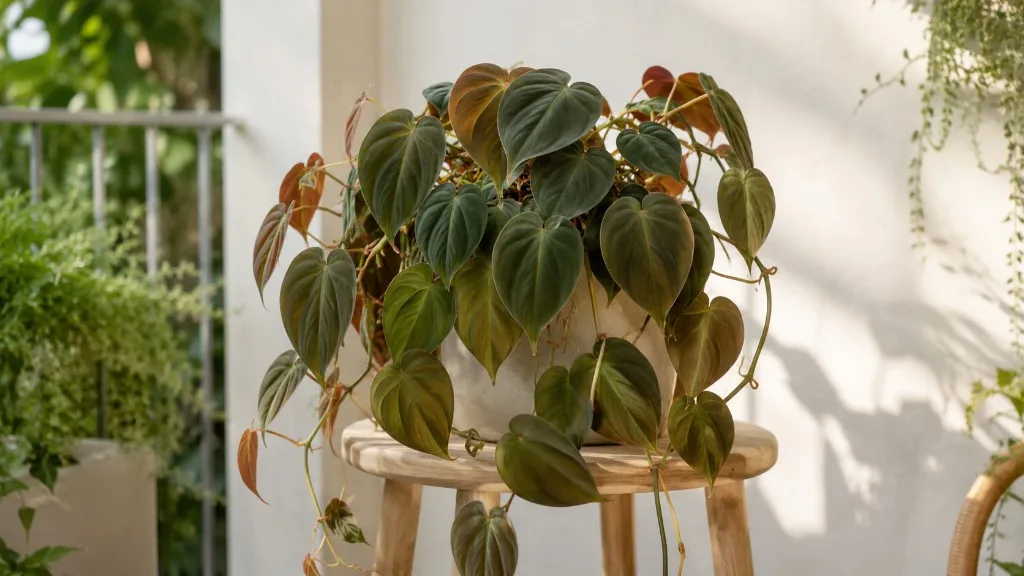
Philodendron Micans soil is the part of care beginners underestimate and experienced growers respect. Philodendron hederaceum ‘Micans’ - the velvet-leaf heartleaf philodendron - is a trailing Araceae aroid from Mexico through Tropical America that evolved on forest floors and tree trunks, not in dense, waterlogged garden beds. Indoors, that biology means roots need moist but oxygenated mix with predictable drainage - the same tension NC State Extension summarizes as good drainage with moist (not saturated) conditions for heartleaf philodendron.
The main soil mistake on Micans is not choosing the wrong brand bag. It is compressing the root zone with heavy peat that never dries evenly, then blaming overwatering when velvet leaves yellow and stems soften. Soil is the system that decides how much air, moisture, and recovery time roots get after every watering on the Micans watering guide. Get the mix right and this fast-growing trailer forgives a missed drink. Get it wrong and even careful watering schedules fail.
This guide covers the basic perlite-amended recipe, when to add orchid bark for chunkier aroid structure, how to test drainage before problems show, hanging-basket vs. shelf-pot differences, pH and salt flush basics, when to refresh tired mix, and how repotting ties into the dedicated Micans repotting guide.
Quick Answer: The Core Mix for Velvet Trailing Micans
For most indoor Philodendron Micans in a 15–20 cm (6–8 inch) pot with a drainage hole, start with roughly 75–80% quality peat- or coco-based indoor potting mix plus 20–25% perlite by volume. Pre-moisten, blend thoroughly, and confirm water exits the drainage hole within a minute of a full soak. That ratio matches LeafyPixels plant data and aligns with extension guidance to grow philodendrons in all-purpose potting soil while keeping the root zone open enough to dry between drinks.
Optional upgrade for fast trailers and hanging baskets: add 10–15% medium orchid bark to the same base, reducing perlite slightly if the mix already feels very loose. Target a texture where a squeezed handful holds shape briefly, then crumbles - not a wet brick, not dusty rubble.
pH target (general houseplant heuristic): slightly acidic around 5.5–6.5, consistent with RHS philodendron guidance of pH 5–6 for loose, free-draining compost. Most peat-based indoor mixes land here without adjustment; test only if leaves show chronic nutrient stress despite correct watering and light.
Why Micans Needs Airy, Well-Draining Mix (Not Heavy Peat)
Philodendron Micans is not a moisture-loving bog plant dressed in velvet. Clemson Extension describes the velvet form (Philodendron scandens f. micans) as a heartleaf philodendron with bronze-toned textured leaves - and groups philodendrons among species where root rot usually results from a soil mix that does not drain quickly or from overly frequent watering. The soil job is to hold enough water for steady uptake while leaving continuous air channels so roots breathe between irrigations.
Heavy, unamended peat compacts under repeated watering, especially in plastic pots and hanging baskets where the mix bears its own weight plus a lengthening vine. Compacted peat sheds water down the pot sides while staying wet at the core - a pattern that produces sour-smelling anaerobic zones long before leaves show full root rot symptoms. Perlite and optional bark resist that collapse by keeping particle size mixed and pore space open, which is why extension container guides recommend perlite-amended soilless mixes for plants sensitive to wet feet.
Micans also grows faster than many beginners expect once light and humidity are reasonable on the light guide. More vine length means more leaf surface and more roots filling the pot within 12–18 months. A mix that drained well in year one can behave like a sponge in year two simply because roots and decomposed fines reduced air space - not because you changed your watering habit.
Hemi-Epiphytic Roots and Fast-Filling Trailing Vines
Heartleaf philodendron climbs and trails using clinging roots in native habitat. NC State lists clinging as the climbing method and notes good drainage with moist soil - the classic hemi-epiphytic compromise: roots encounter both airflow and periodic moisture on bark, not standing water in clay.
Indoors, Micans produces running stems with nodes that root readily when they touch damp mix - useful for propagation, but also a signal that the root mass spreads horizontally faster than a upright self-heading philodendron fills depth. A 20 cm hanging basket can hold a surprisingly dense root mat by the second growing season. Plan mix refresh on drainage performance, not calendar pride: when water sits on the surface or the pot stays heavy ten days after a modest drink, the structure is failing even if the plant still looks green.
Velvet foliage adds a cosmetic stake. Wet mix that splashes during watering leaves persistent water spots on iridescent leaves. That is not a soil chemistry problem, but it is a practical reason to use open mix that absorbs irrigation quickly and to water carefully - especially on crowded shelves where leaves hang over the pot rim.
The Basic DIY Mix: Potting Soil + Perlite
The reliable baseline for Philodendron Micans is amended all-purpose indoor potting mix, not raw garden soil, pure peat, or straight cactus blend.
Batch example for one 20 cm pot repot:
- 4 parts peat- or coco-based indoor potting mix (no added synthetic fertilizer if you prefer to control feeding on the fertilizer guide)
- 1 part perlite (≈20% by volume)
Mix in a tub until perlite is evenly distributed. Fill the pot, settle the root ball, water once to collapse air gaps, and re-top if the mix subsides. Iowa State Extension recommends growing philodendrons in all-purpose potting soil in containers large enough to support the plant without toppling - the perlite amendment is how you keep that all-purpose base from staying too wet indoors.
Perlite vs. pumice: both increase drainage. Perlite is lighter - good for hanging baskets. Pumice is heavier and stays put during repeated watering. Either works; avoid breathing perlite dust when dry - NC State’s container handbook notes perlite improves drainage in soilless mixes and recommends a dust mask or wetting it down during handling.
What “Standard Potting Mix” Means Indoors
“Standard potting mix” here means a commercial soilless blend formulated for indoor containers - typically peat or coco coir plus perlite, vermiculite, or bark fines, sometimes with lime for pH buffering. It is not topsoil from the yard and not orchid bark alone. NC State’s extension gardener handbook explains that most soilless potting mixes combine perlite, pine bark, sand, sphagnum peat moss, and vermiculite to stay free of field-soil pests and provide predictable structure.
For Micans, choose a bag labeled for indoor houseplants or general container use. If the opened bag feels dense and sticky, add extra perlite beyond the 20% baseline before potting.
Optional Upgrade: Chunky Aroid Mix with Orchid Bark
When Micans outgrows its first repot or lives in a hanging basket that dries unevenly, upgrade structure with medium-grade orchid bark - not a swap for perlite, but a partner.
Chunky tier (by volume):
- 50–55% indoor potting mix
- 20–25% perlite
- 15–20% medium orchid bark
- Optional: 5% horticultural charcoal in humid rooms where mix stays cool and damp
Bark creates large pore channels that resist compaction and mimic decomposing forest debris on tree trunks. It breaks down over 12–24 months; that is normal. When bark softens into fines, drainage slows - your cue to refresh at the next repot rather than adding fertilizer to compensate.
Do not jump straight to maximum bark in dim, cool rooms. More air space means faster dry-down; pair chunkier mix with brighter indirect light or accept more frequent watering checks. Micans tolerates moderate home humidity, but velvet leaves look best when the root zone stays evenly moist - not cycling between dust and mud.
Orchid bark instead of perlite? No. Bark holds some moisture and adds structure; perlite chiefly aerates and speeds water movement. For Micans, keep both in the chunky tier unless you are deliberately building a very fast-draining basket in a bright, warm room.
DIY Recipe Table: Basic vs. Chunky for Micans
| Component | Basic shelf-pot mix | Chunky hanging-basket mix | Job |
|---|---|---|---|
| Indoor potting mix | 75–80% | 50–55% | Moisture and nutrient buffer |
| Perlite | 20–25% | 20–25% | Aeration, faster dry-down |
| Medium orchid bark | - | 15–20% | Chunky air pockets, anti-compaction |
| Horticultural charcoal (optional) | - | up to 5% | Mild odor and salt buffering |
Worked scenario - 15 cm (6 inch) hanging basket vs. 15 cm shelf pot: use the chunky recipe in the basket because mix dries from all sides and vines shade the rim, slowing surface evaporation. Use the basic recipe on an open shelf in moderate light where evaporation is steadier. After repotting either, run the drainage test below before returning the plant to its normal watering rhythm.
Commercial Mix Options and What to Amend
Pre-made aroid or houseplant mixes from reputable brands are acceptable starting points if you amend rather than use straight from the bag. Many retail aroid blends already contain bark and perlite; squeeze-test the bag: if it forms a tight wet ball, add 10–20% extra perlite before potting Micans.
Cactus or succulent mix alone is usually too lean for Micans long-term - excellent drainage, insufficient moisture retention for velvet heartleaf philodendron that Clemson notes prefers soil evenly moist, but not soggy. If you only have cactus mix on hand, blend it 50/50 with indoor potting mix and add a handful of perlite, then monitor dry-down for two weeks.
Orchid mix alone dries too fast for most living rooms unless you water almost daily. Treat it as a structural ingredient, not the whole recipe.
Avoid bagged mixes with water-retention crystals unless you tend to underwater; they extend wet phases at the root zone and complicate diagnosis when leaves yellow.
Drainage Speed: How to Test Your Mix
Drainage is a performance metric, not a label on the bag. Test after every repot and whenever yellow leaves appear despite conservative watering.
Full-soak test: water until runoff leaves the drainage hole, then time how long the surface stays glossy. On fresh Micans mix in a proportional pot, excess water should exit within 30–90 seconds and the top should not hold a visible puddle beyond a few minutes. If water pools for ten minutes, add perlite or bark before the next repot - do not rely on waiting longer between drinks alone.
Finger depth check: three days after watering in normal room conditions, the top 3–5 cm should be approaching dryness while the lower root zone remains lightly moist - matching the dry-down philosophy on the watering guide. If the top is wet and heavy while the plant wilts, suspect compaction or root damage, not thirst.
One-Minute Drainage Check and Root-Zone Smell Test
Drainage check: after irrigation, lift the pot (or peek at the saucer) within one minute. Runoff should appear promptly. If you use a cachepot, verify the inner pot never sits in accumulated water - Illinois Extension warns that water must drain freely so roots have adequate air; double-pot setups need the outer reservoir emptied every time.
Smell test: healthy mix smells earthy. Sour, swampy, or rotten-egg odor at the drainage hole means anaerobic breakdown - roots may already be stressed even if leaves still look acceptable. Pull the plant for inspection if smell pairs with fungus gnats, persistent wet weight, or soft lower stems.
Compaction check: yearly, probe the mix with a bamboo skewer. If it meets sudden resistance or emerges with smeared mud instead of crumbly particles, peat has collapsed. Top-dressing alone will not fix a compacted core; plan a full refresh per the repotting guide.
Pot Choice and Mix Volume for Trailing Micans
Soil and pot work as one system. A perfect mix in an oversized plastic pot still stays wet too long.
Choose a container only slightly larger than the root ball - about 2–5 cm wider in diameter at repot. Iowa State notes philodendrons do well when slightly pot-bound because soil dries more quickly between waterings. Oversizing “so I won’t repot again soon” is how healthy Micans develops chronic wet feet.
Drainage holes are non-negotiable for long-term indoor culture. A hole at the bottom is critical because it allows water to drain freely and air to reach roots. Decorative pots without holes are cachepots only; plant in a liner that drains, then empty the outer shell.
Depth vs. width: trailing Micans often fits wide shallow baskets better than tall narrow cylinders because roots spread laterally along the soil surface. Match depth to the existing root ball plus one growth season - not to vine length hanging over the rim.
Plastic vs. terracotta: terracotta pulls moisture through walls and dries faster - useful in dim rooms with basic mix; plastic holds moisture longer - pair with chunkier bark mix or stricter dry-down checks.
pH, Minerals, and When to Flush the Mix
Philodendrons grow best in slightly acidic compost. RHS advises a loose, free-draining mix that is slightly acidic (pH 5–6) for philodendrons - the 5.5–6.5 range used across LeafyPixels Micans care is a practical indoor midpoint, not a laboratory requirement. Most peat-based mixes arrive in range; coco-based mixes may trend slightly higher but remain acceptable.
When to test: chronic pale new growth, brown leaf tips with crusty white mineral rings on the pot rim, or fertilizer use every month for a year without repotting. Use a simple soil slurry test or meter if you already own one; do not obsess over pH on a healthy plant.
Salt flush protocol: once or twice a year in hard-water homes, water slowly with room-temperature water until 2–3 pot volumes exit the drainage hole, letting the pot drain fully afterward. This reduces fertilizer and mineral buildup that can burn leaf tips. If crust returns within weeks and drainage has slowed, refresh mix at repot instead of flushing repeatedly.
Hard tap water gradually shifts pH upward over time; using filtered or rainwater for occasional deep soaks helps maintain acidity in line with RHS recommendations to use rainwater or filtered water when possible for philodendrons in hard-water areas.
When to Refresh or Replace Soil
Refresh Philodendron Micans mix when structure fails, not on a rigid annual clock alone. Common triggers:
- Water runs straight down the sides while the core stays dry (hydrophobic or compacted peat)
- Pot stays heavy more than 10–14 days after a normal watering in moderate light
- Sour smell at drainage holes
- Visible salt crust and tip burn despite conservative feeding
- Roots circling densely and peeking from drainage holes
- Mix has broken down into uniform mud with no visible perlite or bark
Top-dress vs. full repot: scraping and replacing the top 3–5 cm in spring can buy time on a healthy plant, but it does not fix a compacted root ball. Full repot with teased roots and fresh mix is required when two or more failure signs stack.
Micans in active growth often benefits from refresh every 12–24 months in fast conditions; a cool, dim plant may go longer if drainage tests still pass. Link timing details to the repotting guide.
Repotting Into Fresh Mix (Summary + Link)
Repotting is where soil theory meets roots. The short version for Micans:
- Water lightly the day before so the root ball holds together.
- Choose one pot size up with drainage; pre-moisten new mix.
- Gently tease circling roots and remove loose old mud - cut only mushy tissue.
- Plant at the same depth; do not bury nodes deeper than they grew before.
- Water once to settle, drain fully, keep out of harsh direct sun for a week, hold fertilizer for 3–4 weeks.
Full step-by-step timing, transplant shock signs, and winter exceptions live on the Philodendron Micans repotting guide. Soil and repot are partners: fresh mix in an oversized pot still fails; good pot size with exhausted mix still fails.
Pet safety during repot: Philodendron Micans contains calcium oxalate crystals toxic to pets and humans. Wear gloves if sap irritates your skin, wash hands after handling roots and mix, and keep discarded soil and trimmings away from dogs and cats. See the Micans overview for full toxicity notes.
Hanging Baskets vs. Shelf Pots: Soil Considerations
Hanging baskets dry faster from exposed sides and bottom - but trailing Micans often shades its own rim, slowing top-layer evaporation. That paradox produces baskets that feel dry on the edges while the center stays wet.
Basket strategy: use the chunky recipe, choose plastic or lined moss baskets with reliable drainage holes, and weigh the pot after watering to learn your dry weight. Expect to refresh mix sooner than a shelf pot because bark breaks down faster in thin-walled baskets.
Shelf strategy: basic perlite-amended mix usually suffices; rotate the pot quarterly so nodes do not root into adjacent surfaces. Elevate trailing stems so velvet leaves are not crushed against wet mix on the shelf.
In both setups, pair soil choices with appropriate light from the light guide. Dim rooms plus chunky fast-drying mix creates chronic drought stress on velvet leaves; bright rooms plus dense peat create rot.
Common Philodendron Micans Soil Mistakes
Using garden soil or pure peat. Field soil compacts and harbors pests; pure peat holds water without stable pore structure. NC State container guidance favors soilless substrates with perlite and bark components instead.
Gravel or pot shards in the bottom. Penn State Extension debunks this clearly: a layer of coarse material at the bottom hinders rather than helps drainage by creating a texture interface that keeps the upper mix saturated longer. Use the same well-aerated mix from top to bottom; mesh over the hole is enough to stop soil escape.
Oversized pots with heavy mix. Extra volume stays wet; roots grow into rot before the vine fills the space.
Repotting into dry mix without teasing a compacted root ball. Old mud in the center continues to suffocate roots surrounded by fresh perlite.
Ignoring cachepot water. Outer decorative pots are not drainage - empty them after every watering.
Chasing leaf spots with fertilizer when mix is sour. No nutrient formula fixes anaerobic soil; refresh and reduce watering until drainage recovers.
Troubleshooting: Wet Mix, Sour Smell, or Slow Drainage
Use this decision path before changing light, fertilizer, and soil all at once:
Water sits on the surface after watering: likely hydrophobic peat from drought cycles or compaction. Bottom-water once to re-wet, then plan repot with fresh pre-moistened mix. Short-term surfactant sprays are a bridge, not a cure.
Mix drains fast but plant wilts: roots may be damaged from prior wet spells - inspect for brown mushy tissue and see root rot guidance. Fast drainage with a small root mass also means the pot dries before roots drink; verify you are not underwatering a damaged plant.
Sour smell, leaves still green: early anaerobic phase. Stop watering, check drainage holes, pull plant if smell persists 48 hours. Trim rotten roots, repot into fresh airy mix, wait a week before cautious re-watering.
Fungus gnats hovering: surface stays wet too long - pair mix amendment with dry-down checks on the overwatering page.
Velvet dull with wet spots on leaves: reduce splash during watering; improve mix absorption so water sinks instead of pooling on foliage.
When in doubt, run the drainage test and smell test before assuming the problem is pests or nutrient deficiency.
Conclusion
Philodendron Micans soil succeeds when you treat mix, pot, and drainage as one system: 75–80% indoor potting mix plus 20–25% perlite for most shelf pots, with 10–20% orchid bark added when fast trailers or hanging baskets need extra structure. Confirm performance with a full-soak drainage test and root-zone smell check, not by repeating the recipe from memory. Refresh tired mix when water channels down the sides, odors turn sour, or roots outgrow the structure - typically every 12–24 months for vigorous plants.
Pair this soil foundation with check-based watering on the watering guide, appropriate brightness on the light guide, and full repot steps on the repotting guide. When velvet leaves yellow on wet mix, fix the root environment first. Aerated, moist-but-not-soggy soil is what lets Micans keep the iridescent trailing display that made you choose this cultivar in the first place.
When to use this page vs other Philodendron Micans guides
- Philodendron Micans overview - Start here for whole-plant context before deep-diving this topic.
- Philodendron Micans problems hub - Jump to symptom-specific fix guides when this care topic does not resolve the issue.
- Root Rot on Philodendron Micans - Escalate here when soil adjustments are not enough.