Slugs and Snails on Philodendron Brasil: Causes, Checks &
Quick answer
Slugs and snails chew irregular holes in Philodendron Brasil's glossy heart leaves overnight and leave shiny slime trails on foliage and pot rims. First step: inspect the plant after dark with a flashlight and hand-pick any feeders on leaves, stems, and under the pot.
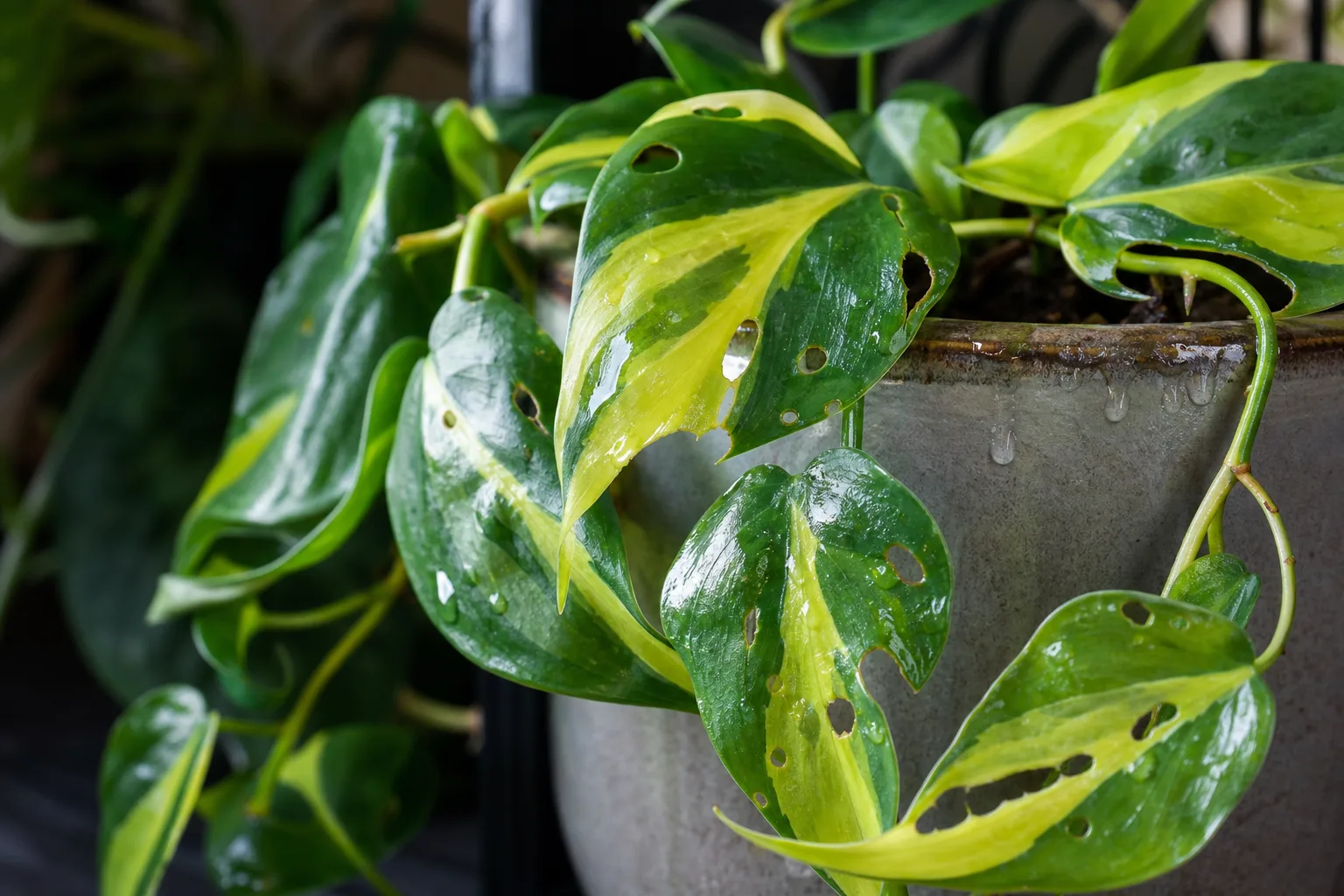
Slugs and Snails on Philodendron Brasil: Causes, Checks & Fixes
This guide covers slugs and snails on Philodendron Brasil. See also the general Slugs and Snails guide, watering, and light pages for this plant.
Slugs and Snails on Philodendron Brasil: Causes, Checks & Fixes
Quick answer
Slugs and snails are soft-bodied mollusks-not insects-that chew large, irregular holes in Philodendron Brasil (Philodendron hederaceum ‘Brasil’) leaves overnight, then hide in cool damp spots by day. On a trailing indoor vine, damage usually appears on lower heart leaves and new growth where glossy lime-streaked tissue is easiest to rasp. First step: go out after dark with a flashlight and hand-pick any slugs or snails on the plant, pot rim, and soil surface. Drop captured pests into soapy water. Slime trails on leaves or shelves confirm you are dealing with mollusks, not mites or caterpillars.
What slug damage looks like on Philodendron Brasil
Slug and snail feeding is mechanical and nocturnal. Typical signs on Brasil include:
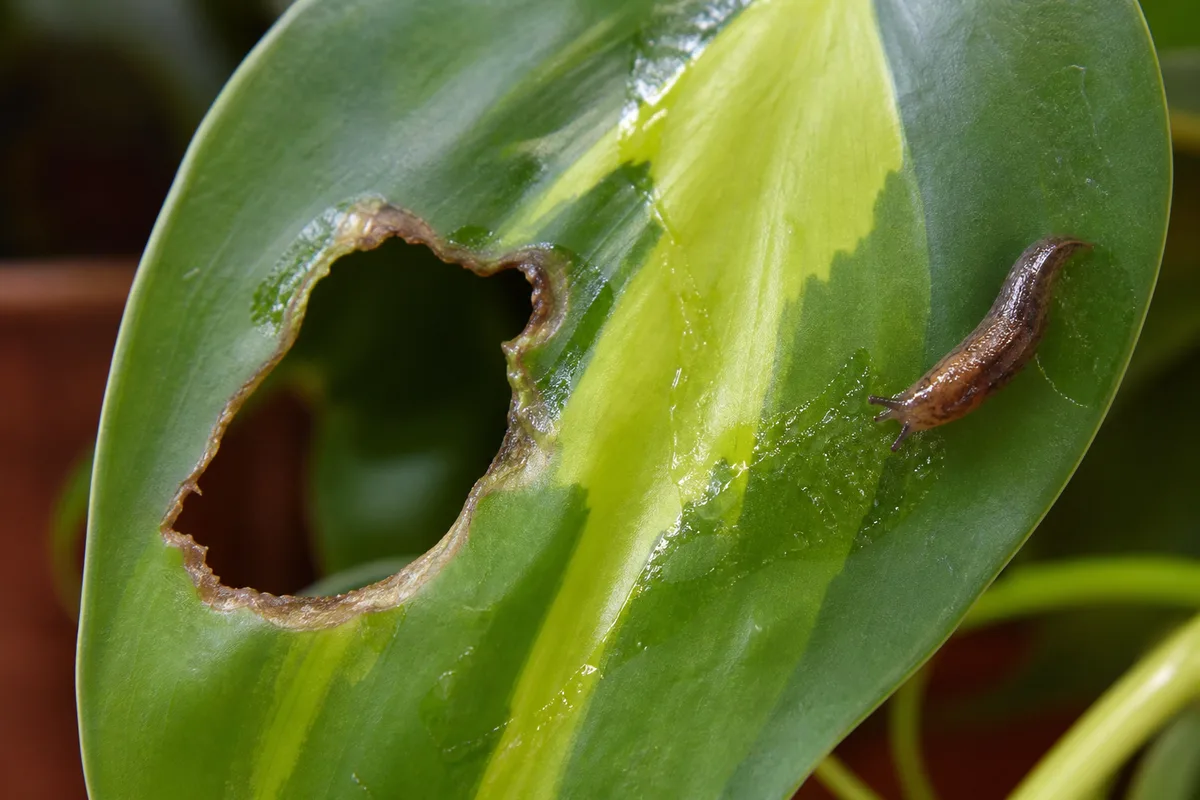
Slugs and Snails symptoms on Philodendron Brasil - compare with healthy tissue on the same plant.
- Large, ragged holes with smooth or torn edges in heart-shaped leaves-often on the lowest trailing stems first.
- Chewed tips on soft new growth where lime variegation has not yet hardened.
- Shiny, dried slime trails on leaf surfaces, pot rims, saucers, shelves, or walls-not sticky honeydew from aphids or scale.
- Damage concentrated along one side of a hanging basket where vines touch a damp surface.
- A single chewed leaf after bringing a pot indoors from a patio-classic hitchhiker pattern.
Brasil’s leaves stay plump and glossy while slugs feed; the plant rarely wilts from a few holes the way it would from root rot on Philodendron Brasil. Do not confuse normal lime-green variegation with damage-look for missing tissue and mucus evidence.
Snails carry a visible coiled shell; slugs do not. Both leave the same slime signature and chew the same way on philodendron foliage.
Why Philodendron Brasil gets slugs and snails
Slugs are uncommon on strictly indoor houseplants, but Brasil setups invite them when moisture and access line up.
Outdoor summer placement. Slugs and snails occasionally infest indoor plants that spent time outside on a porch, balcony, or patio. A Brasil moved indoors in fall often carries one or two hitchhikers-or eggs in damp mix-without obvious signs until holes appear on lower leaves.
Nursery outdoor stock. Clearance or garden-center plants kept in outdoor bays can pick up slugs in pot rims and soil. Skipping quarantine lets a single slug reach your established collection.
Trailing vines as bridges. Brasil is a fast vining heartleaf philodendron. Stems that drape to a shelf, floor, or windowsill give slugs a path from damp hiding spots straight to tender leaves. Hanging baskets with full saucers or wet cache pots create slug habitat at the base while vines hang into feeding range.
Moist soil surface and debris. Slugs need moisture to survive. A constantly damp top layer-watering before the top 3–5 cm dries, saucers holding runoff, or fallen heart leaves decaying on the mix-keeps the surface attractive. Brasil forgives brief dry spells better than chronic sogginess, but wet debris still shelters mollusks.
Cool, humid entry points. Open doors on rainy evenings, damp basements, and ground-floor rooms let slugs wander in from outside. They are most active at night and on cloudy, humid days, then tuck under pots and boards by day.
The pest is usually a one-time introduction, not a chronic Brasil weakness. Fix the access route and hiding spots, not the cultivar.
How to confirm the cause
Slime trails separate slugs from most lookalikes. Work through these checks:
- Trail follow - Trace shiny dried mucus from a chewed leaf to the pot base, saucer, or nearby shelf. Slugs return to favorite routes night after night unless disturbed.
- Night inspection - Two hours after sunset, check leaf undersides, node joints, and pot rims with a flashlight. Handpicking is most effective when slugs are actively feeding.
- Lift the pot - Slide the container and look under the drainage holes, cache pot, and any flat object touching the saucer.
- Soil surface scan - Look for gel-like egg clusters or slime in damp top layer after heavy watering-especially if the plant recently came indoors.
- Rule out insects - Aphids and scale leave honeydew and live colonies on stems; spider mites leave stippling and webbing; caterpillars leave frass pellets without mucus trails.
If you find slime but no slug tonight, set a trap (damp board or shallow beer dish at pot level) and recheck the next morning.
First fix for Philodendron Brasil
Hand-pick after dark before anything else.
Removing active feeders tonight stops new holes immediately. Extension guidance for indoor plants recommends hand removal as the easiest and best control for slugs and snails on houseplants-especially when populations are small.
After picking:
- Drop slugs and snails into a container of hot soapy water for disposal.
- Wipe visible slime trails off leaves and pot rims so you can tell if new activity appears tomorrow.
- Check under the pot and nearby damp objects the same night.
Do not spray insecticidal soap, neem, or horticultural oil as your opening move. Those products target insects, not mollusks. Do not sprinkle salt on soil or leaves-it kills slugs fast but damages plant roots and potting mix.
If hand-picking for three nights still leaves fresh holes, add secondary controls below-not instead of the nightly check.
Step-by-step recovery
Mild damage (one or two holes, one slug found)
- Hand-pick nightly for one week even after you stop seeing feeders-eggs may hatch.
- Remove fallen Brasil leaves from the soil surface.
- Let the top 3–5 cm of mix dry before the next watering.
- Elevate trailing stems so they do not rest on damp floors or shelves.
Repeat feeding (new holes every few nights)
- Continue hand-picking after dark.
- Apply iron phosphate bait scattered near the pot base and along slug travel routes-not on foliage. Iron phosphate stops feeding quickly and is safer around pets than metaldehyde baits, though Brasil is toxic to cats and dogs if chewed-keep bait where pets cannot reach it and wash hands after handling damaged leaves.
- Wrap copper tape around the hanger hook, pot rim, or shelf edge where slugs climb. Copper strips repel slugs when barriers are wide enough and slugs inside the zone are removed first.
- Set a shallow beer or yeast-water trap with the rim level at the soil surface beside the pot. Empty and refresh every couple of days.
After outdoor summer (multiple plants, escalating damage)
- Isolate affected Brasil pots from other houseplants for two weeks.
- Hand-pick, bait, and trap on every infested pot in the room the same week.
- Inspect cache pots and saucers-slugs often hide underneath while vines look clean from above.
- If holes continue after two weeks of integrated control, repot into fresh mix in a clean container, rinsing soil off roots, and discard the old surface layer where eggs may sit. Only do this after you have a dry-down watering plan for Brasil.
Keep the plant in bright to medium indirect light during recovery so you can judge normal water use. Do not fertilize stressed vines until new growth opens clean for two weeks.
Recovery timeline
Chewed heart leaves do not heal. Judge success by whether new lime-streaked leaves open without fresh holes for one to two weeks after nightly feeding stops. Handpicking large pests such as slugs remains the primary indoor control when populations stay small.
Signs you are winning:
- No new slime trails on leaves or shelves
- Hand-picking yields zero slugs for several nights in a row
- New nodes produce normal variegated foliage
- Top 3–5 cm of mix dries on Brasil’s expected 7–10 day summer rhythm
Signs the problem is worsening:
- Holes climb higher on trailing stems each week
- Slime appears on multiple pots in the same room
- New growth is stripped before leaves unfurl
- Hand-picking fails and traps stay empty while damage continues-look for egg clusters in damp soil or a second pest
Established Brasil vines recover cosmetic damage quickly once feeding stops. A single spring hitchhiker rarely kills a mature plant with firm stems and active nodes.
Lookalike symptoms
Caterpillars and loopers chew holes too, but leave dark frass on leaves below damage and no slime trails.
Thrips cause silvery scrape marks and distorted new growth-not large ragged holes with mucus on mature heart leaves.
Mechanical tears from moving a heavy hanger or pet contact can rip Brasil leaves without slime. Check whether damage aligns with traffic paths.
Aphids and scale produce honeydew and live insects on soft stem tips; slugs chew mature foliage overnight and hide by day.
Fungus gnats indicate wet topsoil but do not chew leaves. Wet mix can attract both gnats and slug-friendly surface moisture-fix drainage and dry-down either way.
Mistakes to avoid
- Spraying insecticides first while slugs keep feeding each night. Mollusks need physical removal, barriers, or molluscicide baits-not aphid sprays.
- Ignoring the pot underside. Slugs often shelter under containers while Brasil vines look like the only target.
- Leaving trailing stems on damp floors. Re-hang or coil vines above slug travel height after treatment.
- Using metaldehyde baits in pet households. Brasil is already toxic to pets; choose iron phosphate and place bait where animals cannot reach it.
- Salting slugs on the soil surface. Salt injures roots and ruins mix for future growth.
- Stopping after one quiet night. Eggs hatch on a staggered schedule; maintain checks for at least two weeks.
- overwatering on Philodendron Brasil to “help recovery.” Wet surface soil extends slug-friendly habitat and raises root-rot risk on philodendrons.
Philodendron Brasil care cross-check
Slug problems often overlap with moisture habits that stress Brasil roots. Confirm:
| Checkpoint | Healthy target for Brasil |
|---|---|
| Water timing | Top 3–5 cm dry before each drink |
| Season adjustment | 7–10 days in active growth; 10–14 days in winter |
| Mix | Standard potting mix plus 20–25% perlite |
| Vine placement | Trailing stems off damp floors and full saucers |
| Debris | Fallen heart leaves removed from soil surface |
| Quarantine | New or outdoor-returned pots isolated 2–3 weeks |
Brasil is a forgiving vining philodendron that rebounds from brief leaf damage when roots sit in appropriately drying mix and new nodes keep producing leaves.
How to prevent slugs and snails next time
- Quarantine new Brasil plants with a sticky trap at soil level for two to three weeks before placing near other vines.
- Inspect patio pots before bringing them indoors for winter-check rims, saucers, and the soil surface at night.
- Elevate hangers so trailing stems do not touch shelves, carpets, or damp window sills.
- Water when dry, not on calendar autopilot-let the top 3–5 cm dry so the surface is less attractive overnight.
- Empty saucers within 30 minutes of watering.
- Clear hiding spots under pots, decorative cache pots, and stacked plant saucers in the same room.
- Use copper tape on hanger hooks for pots that sit near doors or ground-level entry points.
Prevention on indoor Brasil is mostly about blocking introduction and removing damp bridges-not treating slugs as an inevitable houseplant pest.
When to worry
Cosmetic holes on a few lower leaves after one confirmed hitchhiker are annoying, not fatal. Escalate when:
- New growth is consumed nightly despite hand-picking and bait
- Slime trails spread to multiple plants in one room
- A recently repotted outdoor Brasil shows egg clusters in constantly wet topsoil
- Yellow leaves and sour smell appear alongside holes-inspect roots for wet-soil damage, not just slugs
Slugs alone on a firm green vine with drying mix are a nuisance. Escalating holes plus wet soil plus yellowing means moisture is already stressing roots-fix watering even while you control mollusks.
Conclusion
Slugs and snails on Philodendron Brasil are almost always introduced-through outdoor summer placement, nursery stock, or damp entry points-not a sign the cultivar is inherently prone to mollusks. Confirm slime trails, hand-pick after dark, remove hiding spots under pots, and add iron phosphate bait or copper barriers if feeding continues. Keep trailing stems off damp surfaces and let the top 3–5 cm of mix dry between waterings. Brasil recovers well from chewed leaves when new lime-streaked growth opens clean; judge success by stopped slime trails and hole-free new nodes, not by whether old heart leaves look perfect again.
When to use this page vs other Philodendron Brasil guides
- Philodendron Brasil watering guide - Use for routine moisture checks before assuming slugs and snails is the main issue.
- Philodendron Brasil problems hub - Browse all 46 common issues on this species.