Small Flowers on Phalaenopsis Orchid: Causes, Checks & Fixes
Quick answer
Small flowers on Phalaenopsis Orchid are usually normal for mini and multiflora cultivars-not a disease. If blooms suddenly shrink compared with this plant's last cycle, check light during spike development and root health in bark before the next spike forms.
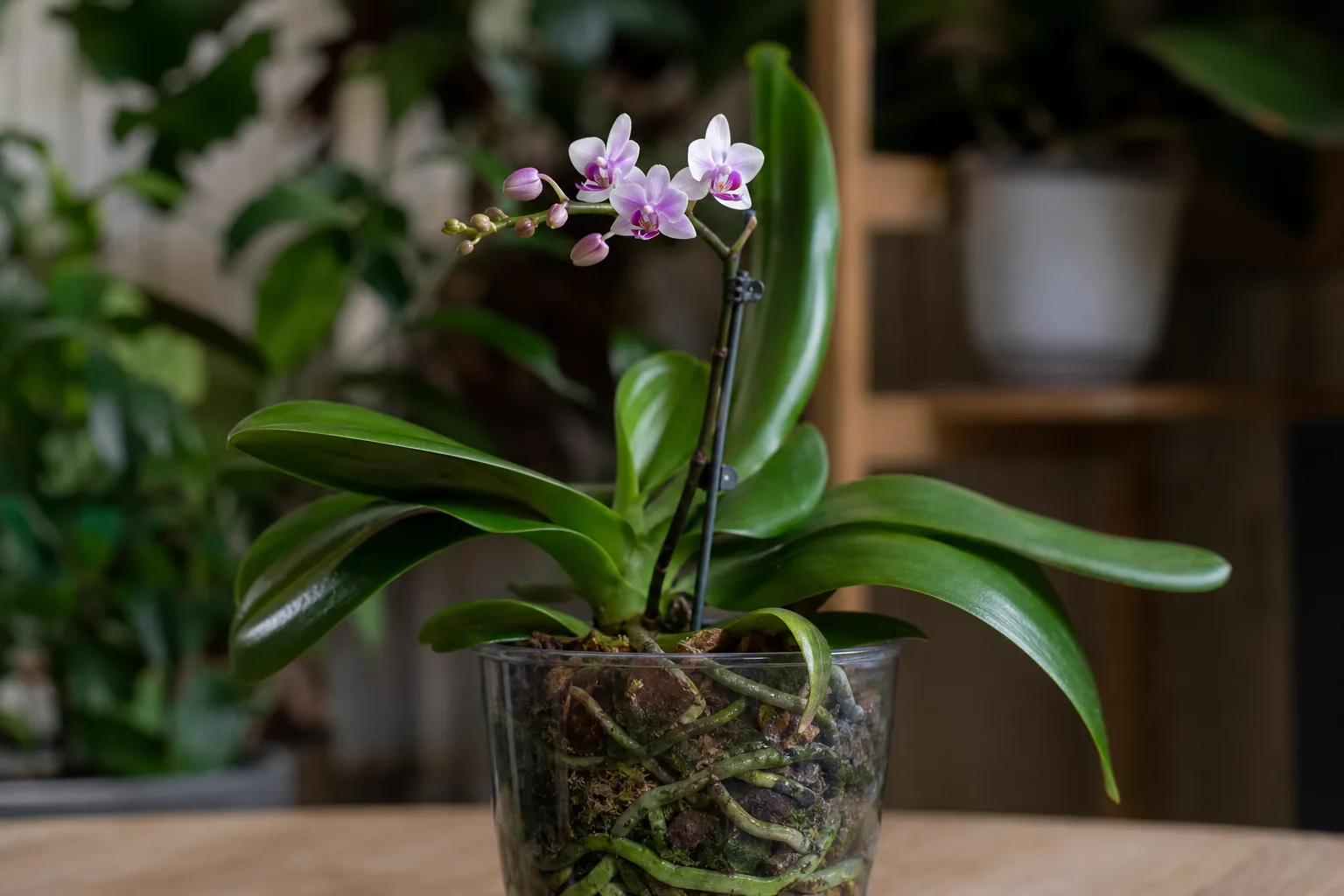
Small Flowers on Phalaenopsis Orchid: Causes, Checks & Fixes
This guide covers small flowers on Phalaenopsis Orchid. See also the general Small Flowers guide, watering, and light pages for this plant.
Small Flowers on Phalaenopsis Orchid: Causes, Checks & Fixes
Quick answer
Flower size on a moth orchid is partly genetic and partly cultural. Mini and multiflora Phalaenopsis hybrids are bred for compact plants with many smaller blooms-that is the intended look, not a failure. Standard large-flowered hybrids can also produce modest blooms when the spike developed in dim light or while roots were stressed in soggy bark.
First step: compare this spike to your plant’s last bloom cycle and to photos of your cultivar. If size has always matched a mini label, no fix is needed. If flowers are suddenly smaller than before, improve Phalaenopsis Orchid light guide and root health before the next spike starts-not while current buds are open.
What small flowers look like on Phalaenopsis Orchid
Healthy Phalaenopsis spikes carry flat, rounded moth-like blooms along a vertical stem. On mini cultivars, individual flowers may span only an inch or two across with shorter petals and a proportionally small lip-often paired with a shorter plant and more flowers per spike. Standard hybrids typically show broader petals three to four inches or more across when culture is strong.
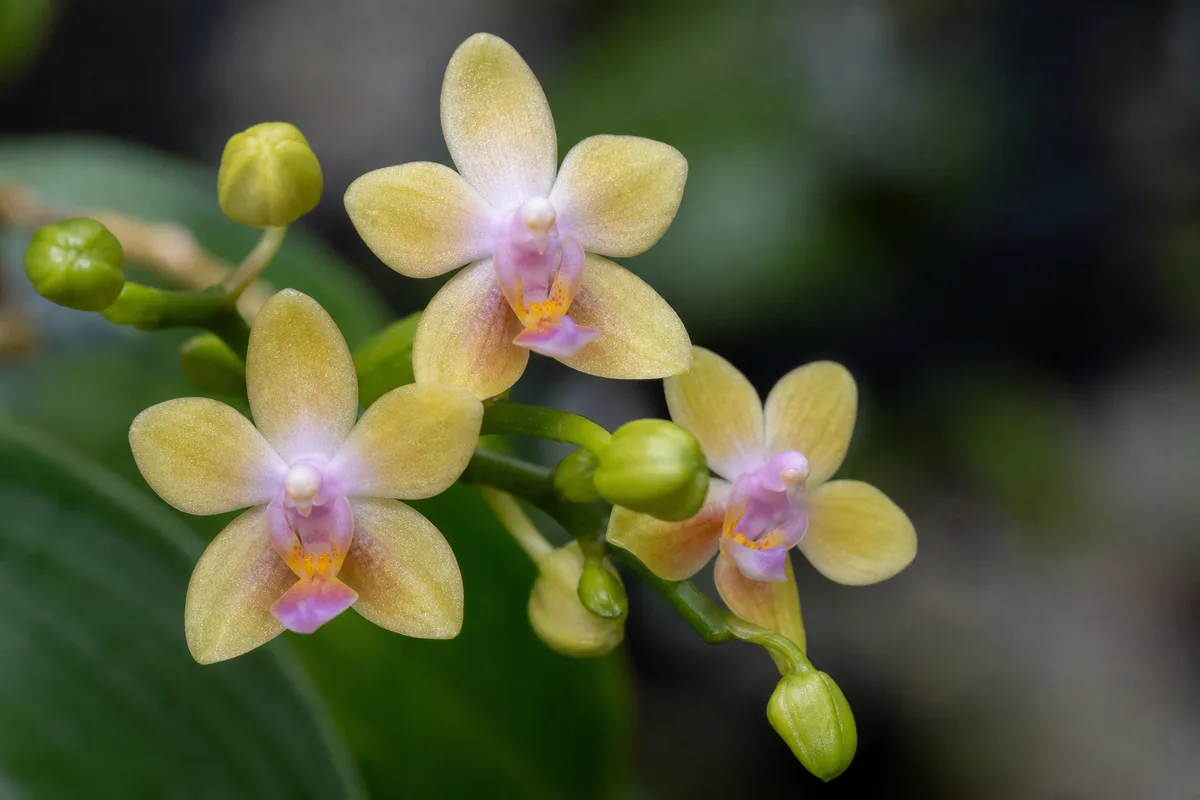
Small Flowers symptoms on Phalaenopsis Orchid - compare with healthy tissue on the same plant.
Culture-stressed small flowers look different from genetic minis. You may see fewer buds per spike, thin flower stems, pale or undersized petals on an otherwise large-flowered hybrid, or a mix of normal and stunted blooms after Phalaenopsis Orchid repotting guide or a move mid-spike. Leaves may stay dark green and stiff rather than light olive-green when light was too low during spike development.
Small flowers are not the same as no flowers, bud drop, or faded blooms. Bud blast removes buds before they open. No flowers means no spike at all. Faded flowers are open blooms losing color with age or ethylene exposure. Small flowers opened-they are just smaller than you expected.
Why Phalaenopsis Orchid produces small flowers
Genetics and cultivar type
Commercial Phalaenopsis breeding targets two broad display styles: large-flowered grandiflora types with fewer, bigger blooms, and multiflora or mini lines with more flowers at smaller size. Parent species such as Phalaenopsis equestris contribute naturally small flowers. If you bought a “mini moth orchid” or a gift-shop compact hybrid, small blooms are the feature-not a symptom to cure.
Insufficient light during spike development
Phalaenopsis are low-light orchids compared with cattleyas, but they still need enough indirect light to bloom well. Dark green, stiff foliage signals too little light. Spikes that initiate in dim corners often carry fewer buds and smaller flowers because the plant had less energy during the weeks the spike was forming. Light during vegetative growth and spike elongation strongly influences flowering quality on the next display.
Weak roots and failing bark
Moth orchids store little water except in their leaves. Roots in broken-down bark or standard potting soil stay wet, rot, and deliver less energy to developing buds. A plant may still open flowers on a stressed spike, but blooms can be smaller and stems thinner than when roots were firm and silver-grey between waterings.
Immaturity and recent stress
Seedlings and young plants often produce their first spikes with modest flowers. Recent repotting, relocation, drought, or bud blast on the same cycle can also leave a partial spike with fewer and smaller open blooms. The plant is redirecting energy to leaves and roots rather than maximizing flower size.
Overfertilizing with nitrogen
Heavy nitrogen feeding during growth pushes foliage at the expense of flowers. That pattern more often causes weak blooming overall, but combined with other stress it can contribute to a disappointing, undersized spike.
How to confirm the cause
Work through these checks in order:
- Cultivar identity - Find the plant label, nursery tag, or original listing. Search the cultivar name plus “Phalaenopsis” for reference photos. Mini and multiflora types should match small blooms every cycle.
- Compare to past blooms on the same plant - If this is the first spike, modest size may be normal youth. If last year’s flowers were clearly larger on the same hybrid, culture changed-most often light or roots.
- Leaf color at spike time - Olive or light green leaves suggest adequate light; very dark green leaves suggest the spike formed in too dim a spot.
- Spike history - Did repotting, a room move, or bud blast occur while the spike was developing? Timing links stress to smaller remaining blooms.
- Root check - Slide the plant from the pot if bark smells sour or stays wet for weeks. Firm white, green, or silver-grey roots in porous bark support stronger flowering; black mushy roots explain weak blooms.
- Spike architecture - Many evenly sized small flowers on a compact plant fit a mini cultivar. A few puny blooms on a spike that otherwise looks thin and underfed fits culture stress.
If the cultivar is a known mini and roots and leaves look healthy, accept the display and focus on longevity and rebloom-not forcing giant petals.
First fix for Phalaenopsis Orchid
Move the plant to bright indirect light at an east window before the next spike initiates-after you have confirmed the issue is not simply a mini cultivar.
Do not relocate repeatedly while the current spike is still carrying open flowers; a sudden light change can twist the stem. If this spike is already open and you have a standard hybrid that bloomed smaller than last year, note the problem and implement brighter placement after bloom ends and a new leaf starts. If roots are mushy in wet bark, repot into fresh orchid bark once flowering finishes-not as a day-one stack with fertilizer and pruning.
For confirmed mini cultivars, skip chasing larger flowers. Instead, stake the spike gently and enjoy the natural form.
Step-by-step recovery for the next spike
Once the current flowers fade:
- Finish the bloom cycle - Cut a brown, dried spike at the base, or trim above the second node if the stem is still green and you want a possible side branch. Avoid heavy feeding on open blooms.
- Repot if bark has broken down - Wash roots, remove dead tissue, and use fresh commercial Phalaenopsis bark-not standard potting mix. Pot for root mass, not an oversized container.
- Hold bright indirect light through the next leaf - An east window or shaded south exposure with sheer curtain protection supports the vegetative phase that precedes rebloom.
- Provide cool nights when appropriate - Several weeks of night temperatures around 55–65°F in autumn can help initiate the next spike on many hybrids.
- Water on the silver-grey root cycle - Flood bark in the morning, drain fully, and wait until roots look silver-grey again. Never let the plant stand in water.
- Fertilize lightly during active growth only - Use diluted balanced orchid fertilizer every two to four weeks while new leaves expand; skip feeding on a stressed or newly repotted plant until it stabilizes.
Judge success on the next spike, not the current one. Open petals do not enlarge after they unfurl.
Recovery timeline
| Phase | What to expect |
|---|---|
| Current open spike | Flower size is fixed; focus on display care and stable conditions |
| 1–3 months after bloom | New leaf growth; improved light and roots build energy for the next cycle |
| Cool-night period (if used) | Spike initiation possible within weeks after leaf maturity |
| Next spike development | First place to see larger bud count or fuller petals if culture improved |
| Mini cultivars | Size stays small permanently; healthier culture improves count and longevity, not petal diameter |
Improvement shows as firmer leaves, healthy root tips, a thicker spike, and buds that match your hybrid’s normal reference photos-not overnight changes on open flowers.
Lookalike symptoms
Mini cultivar vs stressed standard hybrid: Minis stay small every year with otherwise healthy leaves and roots. A large-flowered hybrid that suddenly blooms small after years of bigger displays points to environment or roots.
Small flowers vs no flowers: No spike for twelve to eighteen months after bloom usually means insufficient light or missing cool-night trigger-not small petals.
Small flowers vs bud drop: Bud blast removes buds before opening, often after drafts or ethylene from ripening fruit. Small flowers mean buds opened but look undersized.
Small flowers vs slow growth: Stalled leaves between bloom cycles often share the same root or light problem, but slow growth alone does not prove flower size will shrink until a spike forms.
Mistakes to avoid
Do not compare a mini moth orchid to grocery-store large white hybrids and assume something is wrong. Do not over-fertilize hoping for giant blooms-salt buildup damages roots. Do not use ice cubes or cold water; cold shock harms roots. Do not repot mid-spike unless bark is clearly failing. Do not move the plant every few days hunting for magic light while buds are developing-the twisting spike and bud stress make displays worse. Do not cut a still-green spike in frustration; it may branch and rebloom.
Phalaenopsis Orchid care cross-check
Small flowers often share root causes with other moth orchid problems. If you also see yellow leaves, check for too much direct sun or chronic overwatering on Phalaenopsis Orchid. If buds dropped before opening, separate bud blast from size issues and remove ripening fruit from the room. If the plant has not rebloomed at all, light and cool nights matter more than petal diameter. Fix the underlying culture once rather than stacking repot, fertilizer, and relocation on the same week.
How to prevent small flowers next time
For standard hybrids, keep bright indirect light through vegetative growth and spike elongation-east windows work well in most homes. Repot into fresh bark every one to two years before mix decomposition traps moisture. Maintain stable temperatures without HVAC drafts on developing spikes. Keep ripening fruit out of the same room during bud formation. Water thoroughly on a root-color schedule and fertilize lightly only when the plant is actively growing.
For mini cultivars, aim for a long-lasting, well-staked display rather than larger petals. Good culture still matters: weak minis lose buds and fade faster even if size stays compact.
When to worry
Small flowers alone rarely threaten the plant. Escalate care when small blooms appear with crown rot, widespread yellowing, limp leaves and wet bark, or every bud aborting on the same spike. Those patterns need root-zone or environmental rescue before worrying about flower size on the next cycle. A healthy mini in good light with firm roots needs no rescue-just realistic expectations.
Conclusion
Small Phalaenopsis flowers are often exactly what the hybrid was bred to produce. When a standard plant blooms smaller than its own past performance, the fix is forward-looking: stronger indirect light and healthy bark before the next spike-not rescue treatments on open petals. Identify the cultivar, compare cycles, correct culture once, and judge results on the next bloom.
When to use this page vs other Phalaenopsis Orchid guides
- Phalaenopsis Orchid watering guide - Use for routine moisture checks before assuming small flowers is the main issue.
- Phalaenopsis Orchid problems hub - Browse all 20 common issues on this species.