Mosaic Virus on Maidenhair Fern: Causes, Checks & Fixes
Quick answer
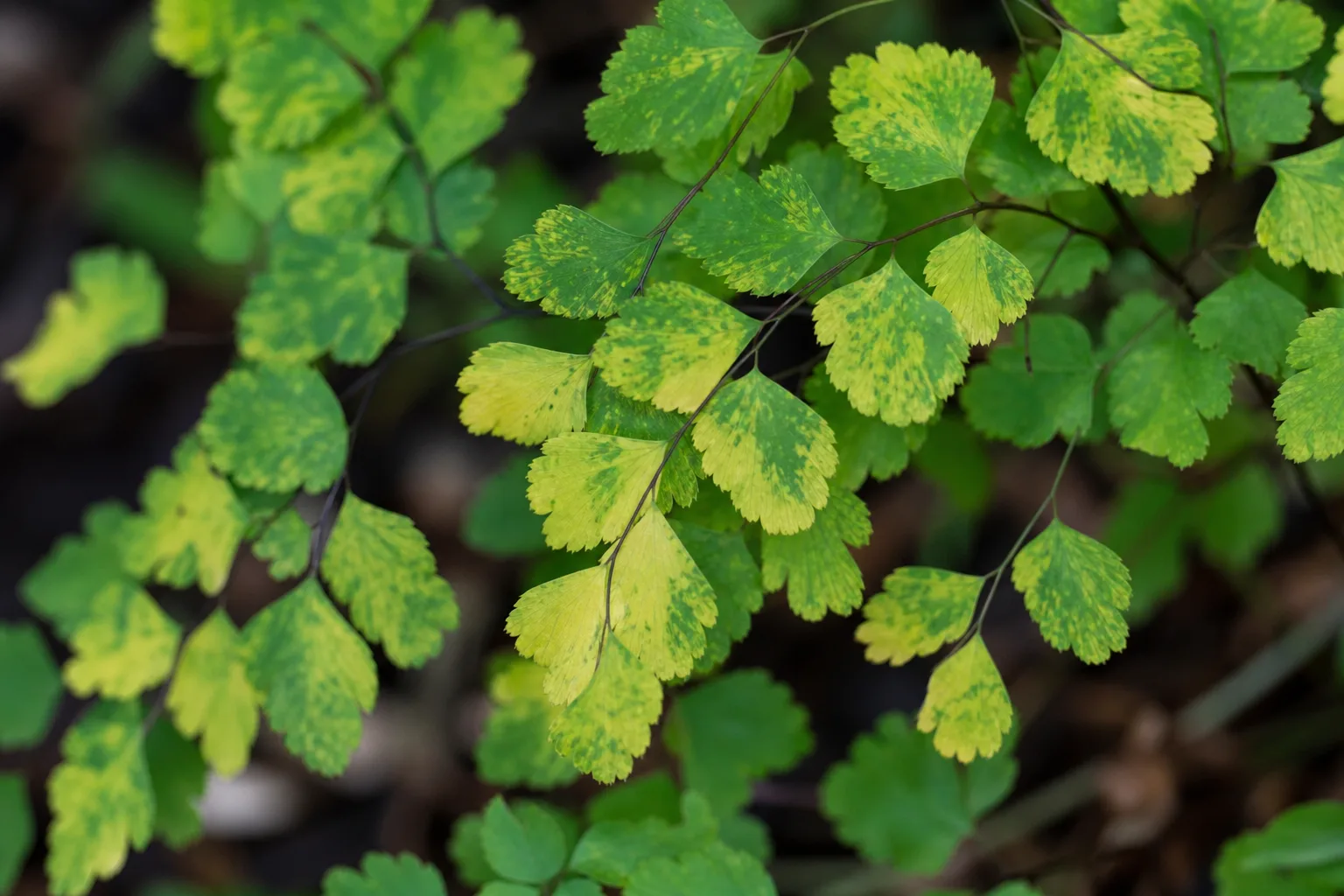
True mosaic virus on Maidenhair Fern is uncommon but documented-CMV has been linked to leaf malformation on Adiantum species. Irregular yellow-green mottling on new fronds that persists without a care change warrants isolation. There is no cure; confirmed infections should be discarded to protect your collection.
Mosaic Virus on Maidenhair Fern: Causes, Checks & Fixes
This guide covers mosaic virus on Maidenhair Fern. See also the general Mosaic Virus guide, watering, and light pages for this plant.
Mosaic Virus on Maidenhair Fern: Causes, Checks & Fixes
Quick answer
Mosaic-pattern leaves on Maidenhair Fern (Adiantum raddianum) mean irregular yellow-green mottling, twisted pinnae, or stunted new fronds-not the even tip browning this fern shows from dry air or fluoride. Cucumber mosaic virus (CMV) has been associated with leaf malformation and stunting in Adiantum pedatum, a close relative of the Delta maidenhair sold as a houseplant. Tobacco mosaic virus (TMV) and related viruses cause mosaic, malformation, and stunting on hundreds of ornamental hosts-ferns are not typical TMV targets, but shared greenhouse benches and dirty scissors still create risk.
Unlike powdery mildew or root rot on Maidenhair Fern, there is no cure for a confirmed plant virus. Infected plants remain infected for life, and virus diseases cannot be diagnosed from symptoms alone because mottling also mimics nutrient stress, heat, and herbicide drift.
First step: isolate the fern and stop using shared tools on it until you confirm whether the pattern is viral or a Maidenhair-specific care problem. If new croziers keep emerging mottled and distorted for two weeks with stable humidity and filtered water, treat as infected and discard the plant before touching healthy ferns.
What mosaic virus looks like on Maidenhair Fern
Maidenhair Fern carries small, fan-shaped pinnae on wiry black stems. On this delicate foliage, viral symptoms show up differently than on broad-leaf houseplants:
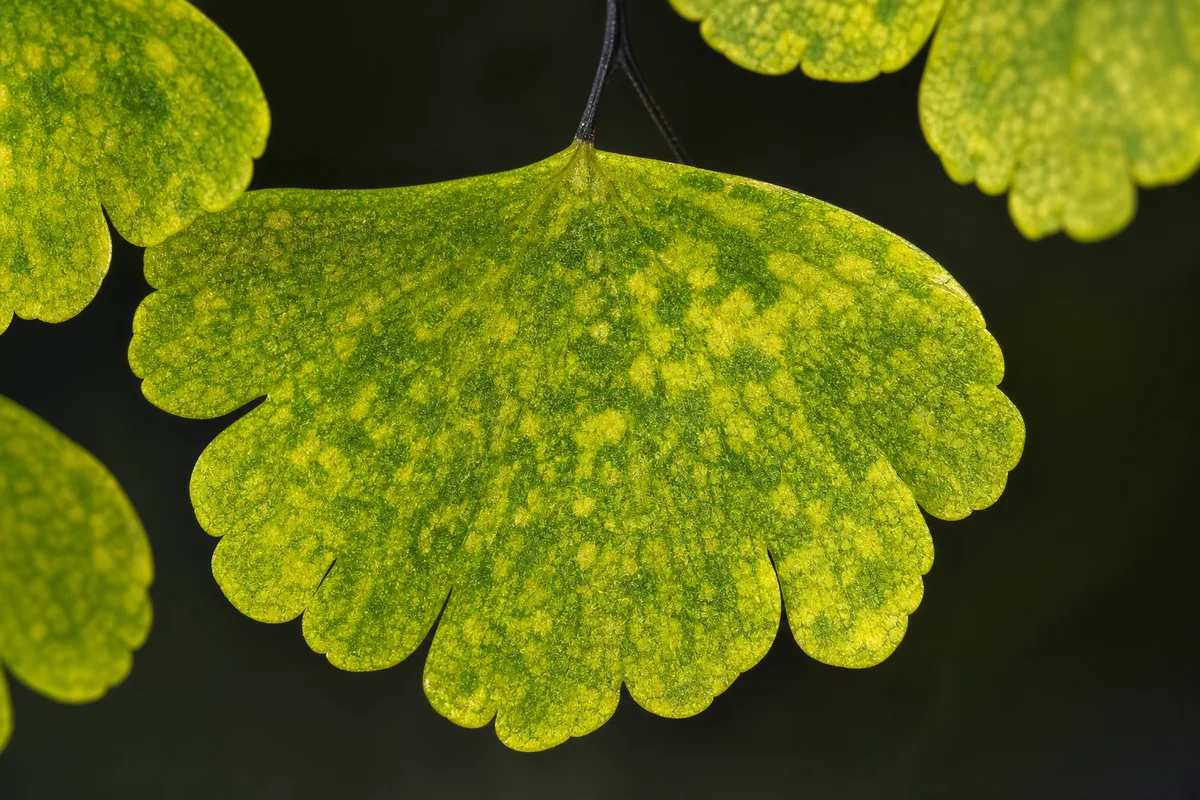
Mosaic Virus symptoms on Maidenhair Fern - compare with healthy tissue on the same plant.
- Patchy mottling - irregular islands of lighter yellow-green against darker green on individual pinnae, not a neat vein pattern
- Distorted new fronds - emerging croziers that unfurl narrow, crinkled, or unevenly sized compared with older fronds on the same rhizome
- Stunted pinnae - leaflets smaller than normal along a frond while the stem length looks normal
- Slow or uneven flush - new growth that stalls while the rhizome still feels firm
Because each pinna is tiny, mottling can look subtle until you compare several fronds side by side in Maidenhair Fern light guide. A mosaic pattern of light and dark green is a classic TMV symptom, though severity shifts with temperature and how fast the fern is growing.
Maidenhair Fern does not flower, so you will not see the petal color break that flags virus on petunias. Here, new frond architecture is the main clue.
Why Maidenhair Fern gets mosaic virus
True viral infection on indoor maidenhairs is uncommon compared with humidity and water problems, but several pathways fit how Maidenhair Fern overview is grown:
Mechanical spread (TMV and others). TMV moves on hands, clothing, tools, and contaminated surfaces through sap released when leaf hairs and outer cells are damaged. Maidenhair Fern invites frequent handling-deadheading brown pinnae, division at Maidenhair Fern repotting guide, and repositioning delicate fronds-so one infected plant on a shared shelf can contaminate scissors used on every fern in the tray.
Aphid transmission (CMV). Cucumber mosaic virus is spread by aphids that pick up virus from one host and transfer it during brief feeding. Maidenhair Ferns in humid bathrooms and terrariums can harbor aphids on tender new croziers; CMV has an exceptionally wide host range and has been reported causing malformation on maidenhair fern (Adiantum pedatum) in arboretum collections.
Infected propagation stock. Cuttings from virus-infected plants are often infected even when symptoms are mild. Division is the standard way to propagate Maidenhair Fern; dividing an asymptomatic but infected parent passes virus to every section.
Stress does not cause mosaic, but it exposes it. Low humidity, fluoride, and soggy roots weaken fronds and make misdiagnosis more likely-they do not create true mosaic patterning on their own.
How to confirm the cause
Work through these checks in order before you bag a fern as viral waste:
- Water source - Missouri Botanical Garden notes maidenhair fronds scorch easily and roots must never dry out. Fluoride and chlorine in tap water cause tip browning and edge burn, usually symmetric on pinnae, not random mosaic islands.
- Humidity context - Below 50% humidity, Maidenhair Fern yellows and collapses fronds quickly. That yellowing is often whole-frond or tip-first, not patchy green/yellow mottling on otherwise turgid pinnae.
- Which tissue is affected - Virus distortion hits newest croziers and young pinnae hardest. Older fronds alone turning uniform yellow more often point to overwatering on Maidenhair Fern or light stress.
- Pests present - Check undersides for aphids, scale, or mealybugs. MBG lists scale and mealybugs as common Maidenhair Fern problems. Pests do not prove virus, but aphids explain possible CMV entry.
- Tool and contact history - Did you trim multiple ferns with one pair of scissors? Handle plants after smoking? Buy a new maidenhair with one slightly twisted frond in a mixed flat?
- Time course - Care-related mottling often shifts within days of fixing water or humidity. Viral-style mottling on new growth persists for two or more weeks despite stable care.
- Neighbors - Mottling on tomatoes, peppers, petunias, or other virus hosts in the same room increases suspicion, though ferns are less frequent TMV targets than solanaceous crops.
Many viruses cause similar symptoms, but confirmation requires diagnosis from a plant pathology lab. Home gardeners rarely need ELISA testing: if a Maidenhair Fern shows persistent patchy mottling plus distorted new fronds after ruling out fluoride and humidity, act as if it is infected.
First fix for Maidenhair Fern
Isolate the plant immediately and stop sharing scissors, misting bottles, or gloves between it and healthy ferns.
Move the suspect Maidenhair Fern to a separate room or closed terrarium. Wash hands with soap before touching other plants. Set aside any tools that contacted the fern until you can disinfect them. TMV can survive in dried sap on surfaces and infect growing plants later.
During isolation, run the confirmation checks above for 14 days with stable humidity (60–80%), filtered or rainwater, and medium indirect light-the normal Maidenhair baseline. Photograph new croziers weekly.
If new fronds keep emerging mottled or twisted, remove and discard the entire plant-rhizome, pot, and mix included. There is no chemical cure for virus-infected plants. Do not compost infected material indoors. Bag it for landfill disposal.
If mottling fades and new pinnae emerge clean with corrected water and humidity, you likely faced fluoride or atmospheric stress, not mosaic virus.
Step-by-step recovery and collection protection
- Isolate the suspect fern away from other maidenhairs and broad-leaf collections.
- Switch to filtered or rainwater; keep humidity at 60–80% with a humidifier rather than heavy leaf misting.
- Inspect new croziers every three to four days; compare pinnae size and color to pre-symptom photos.
- Control aphids on the isolated plant and neighbors with labeled treatments if insects are present-insecticides alone do not reverse CMV, but they limit further spread.
- If viral symptoms persist on new growth, discard the plant and disinfect tools (10+ minutes in a labeled disinfectant, then rinse).
- Monitor quarantined neighbors for three weeks before returning them to shared shelves.
- Replace discarded ferns only from clean stock after sterilizing the old bench or tray.
Recovery timeline
Misidentified mosaic from fluoride or low humidity often improves within one to two weeks once water quality and humidity stabilize-new croziers should emerge evenly green and full-sized.
Confirmed mosaic virus offers no tissue recovery. Infected pinnae and fronds never heal. The timeline that matters is protecting clean plants: discard within days of confident diagnosis rather than waiting months for a flush that stays mottled.
A mildly affected Maidenhair Fern might linger for weeks, but virus spreads throughout the plant from the point of infection-keeping it risks mechanical transmission every time you trim a brown tip.
Lookalike symptoms to rule out
| Pattern | Likely cause | Key difference from mosaic virus |
|---|---|---|
| Brown or crisp leaflet tips only | Fluoride/chlorine, low humidity | Tips affected; pinnae midsections stay evenly green |
| Uniform yellow fronds, wet soil | Overwatering, root stress | No patchy mosaic; may smell sour at roots |
| Pale dots with webbing | Spider mites | Paper tap test shows moving specks |
| Sticky residue, curled tips | Aphids | Visible insects; mottling may be absent |
| Whole frond collapse after dry spell | underwatering on Maidenhair Fern | Rapid wilt; not gradual patchy mottling |
What not to do
Do not assume every discolored Maidenhair leaflet is viral and discard a rare specimen on day one. Do not apply fungicides hoping to cure mosaic-viruses are not fungi. Do not increase misting on mottled fronds; wet foliage plus poor airflow favors fungal leaf spots, a separate problem. Do not divide a suspect fern to “save a clean piece”-virus is systemic and cuttings from infected stock carry infection. Do not handle tobacco products before trimming ferns if TMV is a concern in your collection.
How to prevent mosaic virus next time
Buy Maidenhair Fern with firm new croziers, clean leaflet undersides, and no twisted fronds in the flat. Quarantine new plants two to three weeks away from established ferns. Sterilize scissors between plants during routine grooming-Maidenhair Fern needs frequent tip trimming, which multiplies sap contact.
Keep aphids in check on humid fern shelves. Wash hands before and after working with the collection. Avoid placing maidenhairs beside virus-prone edibles like tomatoes and peppers if bench space is shared. Use filtered water to keep fluoride injury from sending you down a false viral diagnosis.
Maidenhair Fern care cross-check
High humidity and gentle handling protect this fern from its usual enemies-dry air, fluoride, and root drought. Those same habits reduce unnecessary frond damage that would spread sap-borne viruses if they ever appear. A humidifier and quarantine discipline cost less than replacing an entire fern collection after one missed diagnosis.
When to worry
Escalate when new croziers repeatedly emerge mottled, distortion spreads across multiple fronds on the same rhizome, or similar mottling appears on neighboring plants after shared trimming. Mild tip browning with firm rhizomes and clean new growth after a water change is not an emergency.
Conclusion
Mosaic virus on Maidenhair Fern is rare but real-CMV has been documented on Adiantum species, and TMV-style mottling can theoretically reach any handled houseplant. Patchy yellow-green pinnae plus twisted new fronds that persist despite good humidity and filtered water warrant isolation and likely disposal. Most alarming “mosaic” on this fern is still fluoride, humidity, or pest stress. Confirm with time, new growth, and honest lookalike checks before you act-and when virus is the best explanation, protect the collection by removing the plant, not by waiting for recovery.
When to use this page vs other Maidenhair Fern guides
- Maidenhair Fern watering guide - Use for routine moisture checks before assuming mosaic virus is the main issue.
- Maidenhair Fern problems hub - Browse all 55 common issues on this species.