Seeds Not Germinating on Jade Plant: Causes, Checks & Fixes
Quick answer
Jade plant seeds are tiny, dust-like, and slow-most failures trace to old seed, burying too deep, cold trays, soggy mix, or winter sowing during dormancy. First step: surface-sow fresh seed on warm, lightly moist fast-draining mix without covering, and keep the tray at 20–26°C (68–79°F) in bright indirect light.
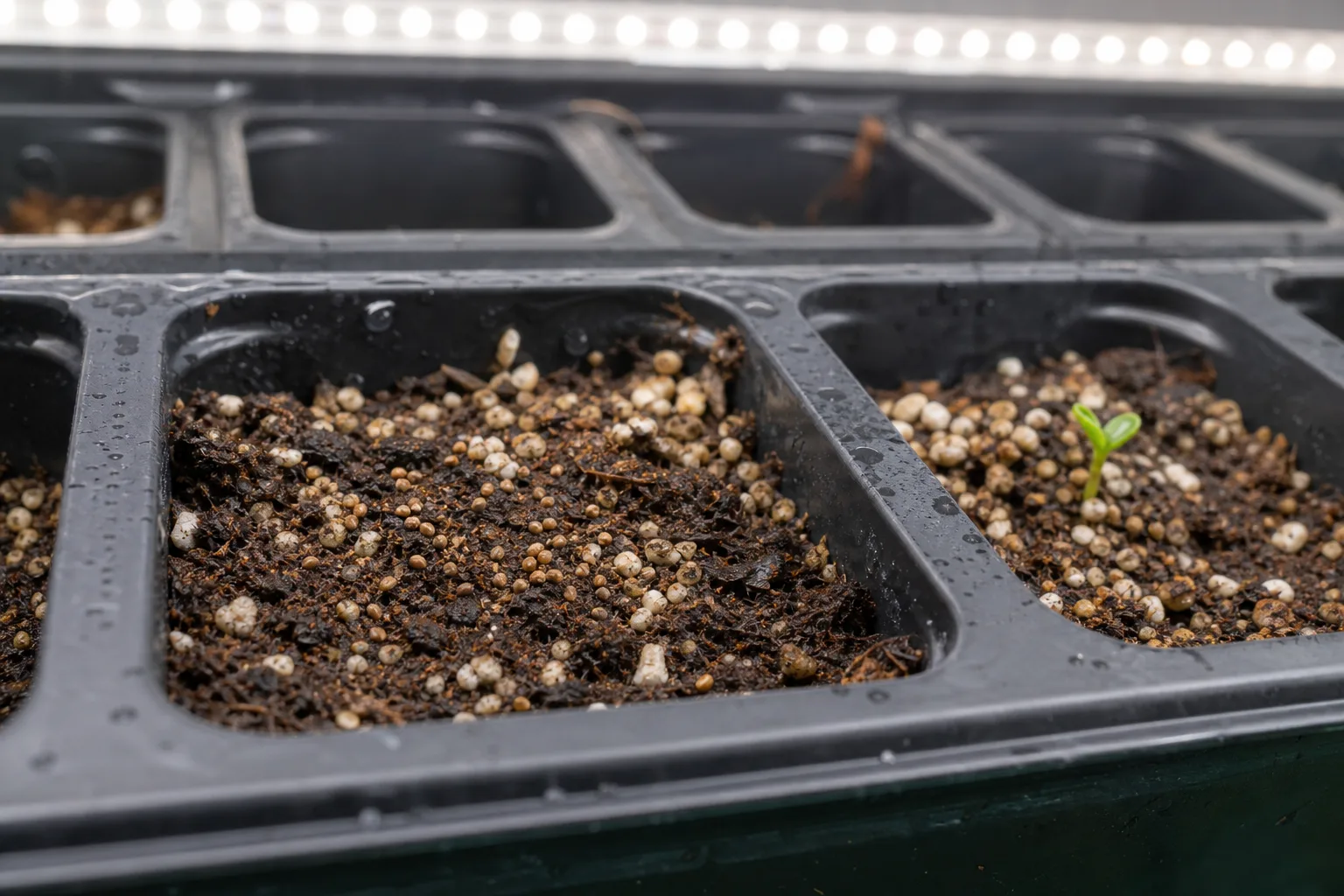
Seeds Not Germinating on Jade Plant: Causes, Checks & Fixes
This guide covers seeds not germinating on Jade Plant. See also the general Seeds Not Germinating guide, watering, and light pages for this plant.
Seeds Not Germinating on Jade Plant: Causes, Checks & Fixes
Quick answer
Jade plant (Crassula ovata) seed is extremely small, dust-like, and slow to sprout compared with common vegetable flats. Failed trays usually trace to old or immature seed, burying too deep, cold soil, sowing during winter dormancy, or mix that alternates between soggy and bone dry-not a mysterious bad batch.
First step: surface-sow fresh viable seed on warm, lightly moist fast-draining mix-press dust-like seeds onto the surface and leave them uncovered, because they need light to germinate-and keep the tray at 20–26°C (68–79°F) in bright indirect light. Hold off on fertilizer, heavy misting, or transplanting until you see sprouts.
Most home jade collections are built from stem or leaf cuttings, not seed. Seed is a rewarding experiment, but cuttings are the practical default when trays stay bare.
Seed vs. cuttings: what home growers usually start
Jade is especially easy to propagate from stem or leaf cuttings and can also be grown from seeds sown in spring or summer-but seed is rarely the first choice indoors. Cuttings produce a recognizable plant in weeks; seedling growth is very slow the first year even when germination succeeds.
That matters for search intent: if you need a jade plant this season, empty seed trays are a signal to pivot to propagation by cuttings rather than buying more seed packets. If you are deliberately growing from seed-for genetic variety, breeding, or curiosity-this guide addresses why trays fail and how to resow correctly.
What failed germination looks like on Jade Plant
Mature jade plants produce small white or pink star-shaped flowers under cool, dry, short-day conditions, and pollinated flowers can form seed capsules. The seed itself is tiny and dust-like-think specks on a fingertip, not chunky bean seed. When germination succeeds, you see hair-thin stems and miniature paired leaves within one to three weeks under warm active conditions.
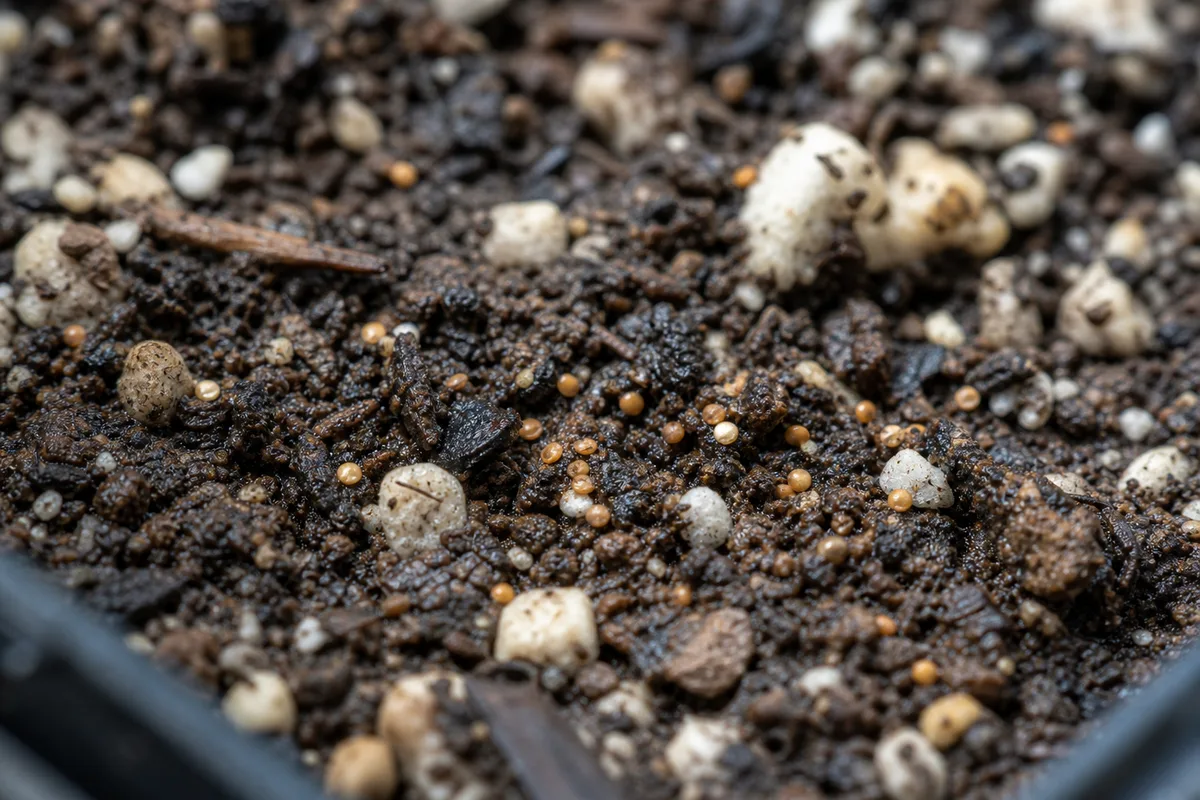
Seeds Not Germinating symptoms on Jade Plant - compare with healthy tissue on the same plant.
Failed germination shows the opposite pattern:
- Bare cells after the expected window - no green hooks, no split seed coats on the surface, no wiry stems after three to four weeks at correct warmth
- Pre-emergence rot underground - digging reveals swollen seed turned soft, brown, or fuzzy while the tray surface looks empty
- Patchy sprouting - one or two cells germinate while neighbors stay blank, often from uneven moisture or mixed seed age
- Mold or algae on the mix surface - white or green film in domed trays that never dried between waterings
- Seeds that never imbibed - firm, unchanged seed in completely dry mix, especially at tray edges
This differs from leggy seedlings that did sprout but stretched toward weak light-that is a post-germination culture problem covered on seedlings falling over, not failed germination. It also differs from yellow seedlings after emergence, which points to light or moisture stress once roots exist-see yellow seedlings.
Why Jade Plant seeds fail to germinate
Crassula ovata evolved as a succulent native to dry rocky hillsides in South Africa that propagates most reliably from detached stems and leaves in warm active growth. Seed starting ignores that rhythm at your peril.
Old or poorly stored seed is the silent killer. Jade seed is minute and loses viability fast in warm humid storage. Fewer seeds from a packet germinate over time, and saved seed from immature capsules may never have been viable.
Sowing too deep blocks light at the surface where these seeds expect to sit. Some seeds require light to germinate and should receive only a thin porous cover of fine vermiculite-or no cover at all for dust-like succulent seed. Burying jade seed like a bean is a common reason nothing appears.
Cold trays and winter timing stall or stop germination entirely. Cooler soil temperatures can lead to seedling death due to disease and slow imbibition. Jade enters relative dormancy in winter with restricted watering on mature plants; sowing in autumn or winter without strong supplemental warmth often produces empty flats even when spring cuttings root easily on the same windowsill.
overwatering on Jade Plant on slow-draining mix causes pre-emergence rot. Jade needs very well-drained soil mix to prevent root rot on established plants-the same principle applies to seed trays. Heavy garden soil or water-retentive peat blocks that stay soggy for days invite rot before shoots emerge.
Underwatering and uneven moisture leave tiny seeds unable to imbibe water consistently. Misting once then forgetting the tray lets the surface crust while the bottom stays wet-or edge cells dry out while center cells rot.
Windowsill-only culture combines cold night soil with hot dry days. A windowsill is not a good location for starting seeds-temperature swings and weak light stress germination before you ever see a sprout.
Immature harvested seed from capsules picked too early may look intact but lack viable embryos. Wait until capsules are dry and mature before collecting seed.
Diagnostic table: causes, checks, and first fixes
| Likely cause | What you see | Quick check | First fix |
|---|---|---|---|
| Old or dead seed | Bare cells after 4+ weeks at warm moist surface | Dig test: firm, unchanged seed | Resow with verified fresh seed; run paper-towel viability test first |
| Buried too deep | No emergence; seed found below surface | Seeds not visible on mix top | Surface-sow on fresh sterile mix; do not cover |
| Cold tray / winter sowing | No sprouting; firm dry seed in cool mix | Tray below 18°C at night | Move to 20–26°C; resow in spring or summer |
| Soggy mix / pre-emergence rot | Sour smell, mold, soft brown seed underground | Mix stays wet for days | Discard tray; resow with sterile fast-draining mix; bottom-water lightly |
| Bone-dry surface | Firm unchanged seed; cracked crust on mix | Surface dry between rare misting | Bottom-water for even light moisture; vent dome daily |
| Patchy moisture | Some cells sprout, neighbors blank | Edge cells drier than center | Use uniform bottom-watering; avoid mist-only culture |
How to confirm the cause
Work through these checks in order before you dump the tray or buy more seed:
-
Elapsed time vs. conditions - At 20–26°C (68–79°F) with fresh seed on moist fast-draining mix, expect sprouts within one to three weeks, with stragglers up to four weeks on older seed. Beyond four weeks with no emergence, call it failure.
-
Dig test - Gently uncover one seed. Firm, dry, unchanged seed in cool mix = needs warmth. Soft brown or fuzzy seed in wet mix = rot. Intact seed in warm moist mix after four weeks = likely dead or old seed.
-
Sowing depth - Seeds should sit on the surface, pressed into contact with the mix-not buried to the bottom of the cell.
-
Moisture pattern - Surface mold or algae means too wet with poor airflow. Cracked dry crust with no sprouting below means seeds never imbibed consistently. Bottom-water and let the surface dry slightly between drinks.
-
Temperature - Confirm tray location stays above 18°C (65°F) at night. Air temperatures should be kept above 60°F for seed starting; jade prefers warmer active-season temps around 20–26°C.
-
Seed source and age - Note whether seed came from your own capsules or a packet, how long it was stored, and whether capsules were mature when harvested.
-
Season timing - Sowing during winter dormancy without heat and strong light explains empty flats even when tuber or cutting propagation works fine on the same windowsill.
If depth is correct, moisture is even, temperature is warm, seed is fresh, and nothing emerges after four weeks, run a germination test on moist paper towel before investing in another full tray.
First fix for Jade Plant
Surface-sow fresh viable seed on warm, lightly moist fast-draining mix-press dust-like seeds onto the surface and leave them uncovered-and keep the tray at 20–26°C (68–79°F) in bright indirect light.
Use sterile seed-starting mix blended with perlite or a cactus-style blend-not garden soil. Pre-moisten mix, firm lightly, scatter seeds sparingly (they are minute), press into contact with the mix, and do not bury. A clear humidity dome helps retain surface moisture during germination; vent daily to prevent mold.
Bottom-water the tray so the surface stays lightly moist without flooding cells. Never let mix stay soggy for days-overwatering causes root and stem rot on this succulent, and seed trays rot quickly in stagnant wet peat.
Do not bury seeds, do not place the tray in direct scorching sun on day one, and do not sow in winter unless you can supply consistent warmth and bright supplemental light through the full germination window.
Resow protocol by confirmed cause
Once you have diagnosed the likely limiter, follow this sequence:
-
Discard rotted sowings - If the dig test shows fuzzy or collapsed seed, empty affected cells, sterilize trays, and start with fresh sterile mix rather than reusing sour media.
-
Run a viability check - Place ten seeds on moist paper towel in a warm sealed bag for one to two weeks. If none sprout, the seed batch-not your technique-is the problem.
-
Resow on fast-draining sterile mix - Blend seed-starting mix with perlite or coarse sand for drainage matching jade’s succulent soil needs.
-
Surface-sow without cover - Press seeds into the surface; light must reach them for germination.
-
Maintain warmth - Keep trays at 20–26°C. A heat mat under the tray helps if the room drops at night; do not plug mats into the same timer as lights if that cycles heat off overnight.
-
Bottom-water consistently - Add water to the tray and pour off excess after 20–30 minutes. Mist only if the surface dries between bottom-waterings.
-
Remove domes after sprouting - Once hair-thin stems appear, vent or remove plastic and move seedlings under grow lights within 2–4 inches of tops for 12–16 hours daily.
-
Hold fertilizer until seedlings have multiple leaf pairs and roots are established-salts on fresh mix stress fragile sprouts.
If two resows with verified fresh seed fail despite corrected warmth, moisture, and depth, switch to stem or leaf cuttings-methods most jade growers rely on because seed is slow and finicky.
Recovery timeline
Pre-emergence failure has no above-ground recovery-judge the next sowing, not the old tray.
Fresh Crassula ovata seed on corrected warm moist mix typically shows first sprouts within one to three weeks during spring or summer active growth, with stragglers up to three to four weeks on older seed.
Once seedlings emerge, developing roots lag behind visible tops. Expect meaningful root mass four to eight weeks after germination-not within the first fortnight. First-year seedling growth stays slow compared with a rooted stem cutting started the same week.
Worsening signs during a retry: mold spreading despite venting, mix staying sour-smelling, or seeds swelling then collapsing without shoots-those mean moisture or sterility still needs correction before waiting longer.
Lookalike symptoms
Leggy seedlings after sprouting - Thin stretched stems mean insufficient light post-germination, not failed germination. Fix lights after emergence; see seedlings falling over.
Yellow seedlings after emergence - Pale or yellow cotyledons point to culture stress once roots exist, not pre-emergence failure. See yellow seedlings.
Slow but eventual sprouting - Older seed or slightly cool trays may need the full four-week window; do not panic at day ten if warmth and moisture are correct.
Cutting propagation failure - Empty seed trays while cuttings also stall usually means winter dormancy or a cold room-not bad seed alone.
Fungus gnats in wet mix - Flying adults indicate overwatering; larvae can damage tender roots on emerged seedlings but rarely explain completely bare cells with intact underground seed.
What not to do
Do not bury jade seed like large vegetable seed-surface sow and leave uncovered.
Do not use heavy garden soil or dense peat that stays wet for days; fast drainage is non-negotiable for this succulent.
Do not sow in autumn or winter without heat and strong supplemental light during active-growth months.
Do not keep humidity domes sealed for weeks without venting-mold on the surface often precedes seed rot.
Do not start on a windowsill alone in late fall or winter and expect reliable germination.
Do not mist constantly instead of bottom-watering; flooding the surface without drainage invites rot.
Do not judge a failed tray by pot weight or leaf firmness-those diagnostics apply to mature potted jade, not seed cells.
Do not assume slow seed equals bad technique-most collections are built from cuttings; seed is a bonus path, not the default.
How to prevent failed germination next time
- Harvest mature dry capsules before seed scatters; store seed cool and dry in an airtight container if keeping beyond one season.
- Sow in spring or early summer during active growth, not winter dormancy.
- Use sterile fast-draining mix with perlite or sand; never garden soil indoors.
- Surface-sow without cover-never bury deep.
- Keep trays at 20–26°C (68–79°F) with bright indirect light, not direct scorching sun on day one.
- Bottom-water to maintain light even moisture; vent domes daily.
- Test old seed on paper towel before filling a full tray.
- Consider stem or leaf cuttings as your primary propagation path-seed is rewarding but optional for most growers.
When to switch to cuttings instead
Failed germination is a correctable culture or seed-viability problem, not a disease-but jade seed is slow enough that repeated empty trays waste months.
Escalate if two resows with verified fresh seed fail at correct depth, warmth, and moisture-likely the seed source, not your tray.
Restart immediately if mold covers the surface, mix smells sour, or dig tests show widespread rot-pathogens in reused media will not self-correct.
Consider abandoning seed for stem or leaf cuttings if you need plants this season-the propagation guide covers callusing, gritty mix, and timelines that most successful jade collections are built on.
Wear gloves when handling seedlings and sowing trays if pets may contact surfaces-jade is toxic to cats and dogs.
Conclusion
Jade plant seeds fail quietly: old or immature seed, burying too deep, cold winter sowings, and soggy or inconsistently dry mix are the usual culprits-not mystery. Confirm seed age and harvest quality, surface-sow on warm fast-draining mix without cover, bottom-water for even moisture, and allow one to four weeks in active-season warmth before calling it a loss. If fresh seed still will not break, a paper-towel viability test tells you whether to resow or pivot to stem and leaf cuttings-the path most growers use to build those thick-trunked jade specimens Jade Plant overview is meant to become.
When to use this page vs other Jade Plant guides
- Jade Plant watering guide - Use for routine moisture checks before assuming seeds not germinating is the main issue.
- Jade Plant problems hub - Browse all 49 common issues on this species.