How to Propagate Echeveria: Leaves, Pups, and Stems
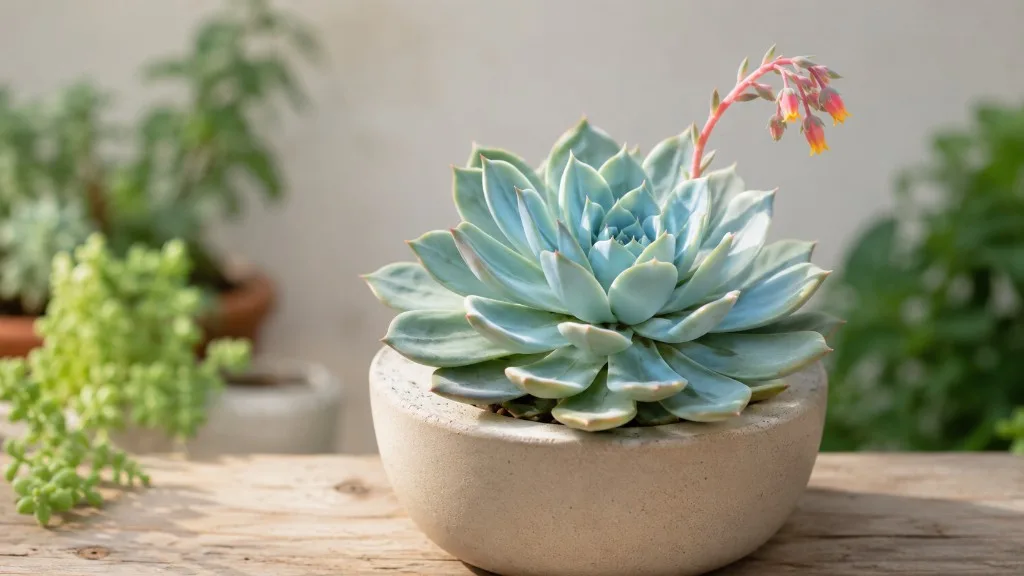
How to Propagate Echeveria: Leaves, Pups, and Stems
How to Propagate Echeveria: Leaves, Pups, and Stems
Echeveria propagation turns one rosette into many, and the process is genuinely approachable once you respect one non-negotiable rule: fresh cuts must callous before they touch soil or water. Whether you twist off a leaf, split a pup, or behead a leggy stem, the biology is the same-open succulent tissue absorbs moisture fast, and unsealed wounds rot before roots form. This guide covers all three reliable methods-leaf cuttings, offsets (pups), and stem cuttings-with the callousing workflow, rooting setup, and aftercare that keep new plants alive through the fragile first weeks.
Why Echeveria Propagation Rewards Patient Growers
Echeveria belong to the Crassulaceae family, a group of succulents native to semi-arid highlands in Mexico and Central America. Their thick leaves store water precisely because rainfall is irregular in those habitats, and that same storage strategy shapes how they propagate. A detached leaf can sit on a dry tray for days, drawing on internal reserves while it waits for roots. A separated pup already has miniature leaves and often its own root initials. A beheaded rosette can reroot from a bare stem segment if the cut end seals properly. None of these pieces wants constant moisture on an open wound.
What makes echeveria propagation especially satisfying is the volume you can produce from a single healthy plant. One mature Echeveria elegans might throw half a dozen pups in a season while also yielding twenty leaf cuttings from a single leaf-pulling session. Collectors use propagation to fill arrangements, trade with other growers, and rescue plants that have stretched toward a window. The methods are low-equipment-you need clean scissors, a tray, and gritty mix-but the patience requirement is real. Roots and tiny rosettes appear on a succulent timeline, not a houseplant timeline, and checking progress every day usually causes more harm than waiting quietly does.
What Makes Echeveria Root Successfully
Every propagation attempt succeeds or fails at the tissue level. Meristematic cells at the base of a cleanly removed leaf contain the growth potential for a new rosette; snap the leaf mid-blade and you may get nothing except a dried fragment. Offsets carry their own apical meristem-the growing tip of a miniature rosette-plus often a few adventitious roots already searching for soil. Stem cuttings work because buried stem nodes can push new roots once the cut end callouses and the segment receives bright light without sitting wet.
Callousing is the formation of dry scar tissue over a cut surface. During callusing, the plant seals its wound against fungal entry and slows moisture loss through the open end. Iowa State University Extension’s succulent propagation guidance emphasizes that letting cut ends dry for several days before planting dramatically reduces rot risk compared with placing fresh cuts directly into damp media. For echeveria, three to seven days on a dry tray in indirect light is typical; thicker stems or humid rooms may need longer. The callus should look matte and firm, not glossy or soft.
Light and warmth matter as much as dryness during rooting. Echeveria root fastest between roughly 65°F and 80°F (18°C and 27°C) during active growth. Echeveria light guide supports photosynthesis in leaves and stem segments without scorching tissue that lacks an established root system. Air circulation prevents stagnant humidity around cut surfaces-a saucer of leaves on a windowsill with occasional airflow outperforms a sealed plastic box that traps moisture against unhealed wounds.
Compare the Three Propagation Methods
Choosing the right method depends on what your plant offers and how quickly you need results. All three require callousing before soil contact; none of them benefits from skipping that step to “speed things up” with immediate water or wet mix.
Leaf Cuttings for Maximum Output
Leaf propagation is the highest-volume method. A single parent can donate many leaves without changing its appearance much, and each intact leaf is a potential clone. Success hinges on removing the entire leaf including the attachment point where it joined the stem-that basal section holds the meristem tissue needed to produce a new plantlet. Leaves root and sprout on a timeline of roughly four to six weeks under good conditions, though some species take months. Leaf cuttings are ideal when you have no pups yet, want many identical plants for a dish garden, or are experimenting with a species you have never propagated before.
Offsets for the Fastest Genetic Copy
Offsets, also called pups, are miniature rosettes that emerge from the base of the mother plant or along a short lateral stem - clump-forming rosette species readily produce offsets once well rooted. They are genetically identical clones and often the fastest route to a saleable-sized plant because they already look like tiny echeveria. Separate pups when they reach roughly one-third the size of the parent rosette or when they have several layers of their own leaves. Rooting typically takes two to four weeks after callusing and planting. If your plant is producing pups freely-as E. elegans and many hybrids do-offsets should be your first choice before you strip leaves.
Stem Cuttings When Rosettes Go Leggy
Stem cuttings enter the picture when an echeveria has etiolated: stretched toward insufficient light, leaving a bare stem with a rosette at the top. Beheading-cutting off the rosette and rerooting it-is the standard rescue. The remaining stem often produces new offsets from dormant buds below the cut, giving you two propagation streams from one intervention. Stem segments two to three inches long, with lower leaves removed and the cut end calloused, root in perlite-heavy mix within a few weeks. This method is less about multiplying for its own sake and more about restoring compact form while salvaging genetic material you already own.
Best Timing for Echeveria Propagation
Propagate during active growth, which for most indoor echeveria means late spring through early summer when days are lengthening and temperatures are warm. Root formation slows sharply in cold, dim winter conditions even if your heating keeps the room comfortable; cuttings taken in November may sit unchanged until February. Fall can work in mild climates or heated greenhouses, but spring remains the most forgiving window for beginners.
Avoid propagating immediately after shipping, Echeveria repotting guide, pest treatment, or any period when the parent showed stress signals-wrinkled leaves from underwatering on Echeveria, soft lower leaves from overwatering on Echeveria, or visible mealybug clusters. A stressed parent yields weak cuttings that callous slowly and rot easily. Let the mother plant stabilize for two to three weeks of consistent care before you remove material. If you must rescue a rotting plant, take only firm, unaffected tissue and accept that success rates drop when the source material is already compromised.
Gather Your Tools and Rooting Medium
Sharp, clean tools prevent crushed tissue that callouses poorly and invites infection. Wipe bypass pruners or scissors with 70% isopropyl alcohol before each cut, especially when moving between plants. A ceramic or plastic tray holds leaves during callusing; label it if you are running multiple species at once. Small pots or shallow trays with drainage holes suit offsets and stem cuttings once calloused.
Rooting medium should drain fast while holding enough moisture at the surface for root tips to find. A standard mix for leaf and offset work is cactus and succulent potting soil blended with extra perlite or pumice at roughly fifty-fifty. Stem cuttings root well in 100% perlite or perlite mixed with coarse sand because the chunkier medium supports the cutting upright without staying soggy around the buried stem. Leaf cuttings also succeed on fine seed-starting mix or finely shredded coconut coir laid in a shallow saucer-the key is surface contact without burying the leaf. Terracotta pots and saucers wick excess moisture and reduce rot risk compared with nonporous containers that stay wet at the base.
Propagate Echeveria from Leaf Cuttings Step by Step
Leaf propagation feels almost too simple until you learn how many leaves fail from one avoidable error at removal or callusing. Work slowly, check each leaf base before you set it on the tray, and resist watering until you see roots or a visible rosette bump.
Twist Off the Leaf With the Base Intact
Select plump, healthy leaves from the lower or middle portion of the rosette-avoid the oldest, thinnest bottom leaves and any that show blemishes or pest damage. Grasp the leaf near its base and twist gently downward until it separates cleanly from the stem. The motion should feel like unscrewing a cap, not snapping a cracker. You want the full leaf blade plus the slightly lighter, triangular attachment point that was seated against the stem. Hold it up to the light: if the base looks torn or incomplete, discard it and try another leaf.
Some growers prefer a side-to-side wiggle rather than a twist; either works if the meristem-bearing base comes away whole. Do not use a knife to slice leaves off the rosette unless you are experienced-the cut often misses the meristem zone. Broken leaves knocked off by accident can work if the base is intact, but leaves that fractured mid-blade will not produce new plants regardless of how long you wait.
Callous Before Any Soil or Water Contact
Lay removed leaves cut-side up on a dry tray in bright indirect light away from direct afternoon sun, which can desiccate thin leaves before they callous. Allow three to seven days for a firm, dry scar to form at the base; humid environments or thick-leaved cultivars may need up to ten days. The leaf may look unchanged during callusing-that is normal. It is drawing on stored water and sealing its wound, not trying to grow yet.
Only after callusing should you place the leaf on rooting medium. Set the calloused end on the soil surface or barely nestled so the base touches mix without being buried-covering the meristem zone with soil encourages rot. Leaves can lie flat or sit at a slight angle; roots and the new rosette emerge from the calloused end over the following weeks. Do not water until you see pink or white root threads or a tiny rosette forming at the base, typically after two to four weeks. Until then, the leaf supplies its own moisture from internal reserves, and extra water on an unrooted leaf is the most common cause of basal rot.
Separate and Root Echeveria Offsets
Inspect the base of your echeveria for pups that have developed their own leaf layers. When a pup reaches about one-third the diameter of the parent rosette, it has enough stored energy to survive separation. Brush away top dressing and locate where the pup attaches-sometimes to the main stem, sometimes to a short stolon.
Sterilize your pruners and cut as close to the connection as possible while keeping the pup intact. If roots are visible, try to preserve them; if not, the pup will root from its base after callusing. Let separated pups sit on a dry tray for two to five days until the cut surface is dry and firm, even if they had roots before separation-the wound from detaching still needs sealing. Plant in fast-draining succulent mix with the base just below soil level and the rosette above. Wait five to seven days before the first light watering, then shift to a soak-and-dry rhythm only after the pot feels light and the plant resists a gentle tug.
Offsets from vigorous species like E. elegans and E. agavoides often show new root growth within two weeks in warm, bright conditions. Keep newly potted pups in the same bright indirect light they will grow in permanently; moving them into deep shade after rooting invites etiolation all over again.
Take and Root Echeveria Stem Cuttings
When a rosette sits atop a bare, stretched stem, beheading restores a compact plant and creates propagation material simultaneously. Cut the rosette off with one to two inches of stem attached below the lowest leaves using sterilized pruners. Remove any lower leaves on that stem segment so two inches of bare stem can be inserted into rooting medium later. Set the rosette cut-side down on a dry tray to callous for five to ten days; stem cuts are thicker than leaf bases and need longer sealing time.
Leave the decapitated stem stub in its original pot if the root system is healthy. After callusing, plant the rosette in perlite-heavy mix with the bare stem buried and only the rosette exposed above soil. Water lightly only after a week, then increase slightly once roots anchor. The leftover stem often produces multiple new offsets from nodes below the cut within weeks-do not discard it prematurely.
For stem segments without a rosette-perhaps from a plant broken in transit-cut two-to-three-inch sections with at least one node, remove lower leaves, callous all cut ends, and lay segments horizontally on soil or insert vertically with one node below the surface. Each viable node can push a new rosette, though this takes longer than beheading a intact top rosette. Stem propagation is slower than offset division but faster and more reliable than leaf work for species with thick stems and reluctant leaf sprouting.
Why Uncalloused Water Propagation Leads to Rot
Social media makes water propagation look effortless: a leaf suspended above a glass, roots dangling within days. For echeveria, that shortcut fails often enough that extension horticulturists caution against it as a default. Iowa State University Extension notes that most succulents do not root well in a glass of water, and echeveria fit that pattern-especially when fresh cuts go straight into water without callousing first.
The problem is twofold. Uncalloused tissue absorbs water immediately through the open wound, swelling cells and inviting bacterial and fungal rot before any root primordia form. Even after callousing, prolonged water rooting produces fragile, water-adapted roots that shock when transferred to soil, and the basal meristem zone on leaves stays submerged in an oxygen-poor environment that Crassulaceae roots did not evolve to tolerate. If you experiment with water after a full callus has formed, keep only the very tip of the calloused base touching water and move the plant to gritty soil the moment roots reach half an inch-but dry callousing followed by soil-surface propagation remains the higher-success path for most growers.
Never place a freshly twisted leaf directly into water. That guarantees the worst outcome: rapid basal rot with no rosette formation. The same rule applies to pups and stem cuts-callous first, then choose your rooting medium. Soil and perlite mimic the dry-then-wet rhythm these plants experience after leaf fall in native habitats far better than a permanent bath.
Build the Right Rooting Environment
Place propagation trays and pots in bright indirect light-an east-facing window or a few feet back from a south-facing sill works well. Direct midday sun on unrooted leaves causes sunburn that shows as brown patches and stops growth. Temperature consistency matters more than perfection; a range of 65°F to 80°F supports cell division at root tips. Avoid cold windowsills below 55°F (13°C), where metabolic activity nearly stops.
Airflow prevents fungal issues without requiring a fan pointed at cuttings. A normal room with occasional air movement suffices. For leaf trays, a shallow saucer of calloused leaves on dry mix needs no humidity dome-sealed containers trap moisture against leaves and reverse the callusing benefit you already earned. Stem cuttings in perlite appreciate a pot with a drainage hole even during rooting; standing water at the pot base is never acceptable.
Light duration supports the process: echeveria are not heavy feeders during propagation, but leaves still photosynthesize weakly once settled on soil, and that energy fuels rosette initiation. If natural light is insufficient in winter, a grow light six to twelve inches above the tray for twelve to fourteen hours daily can prevent the stall that dim conditions cause. Do not blast unrooted material with high-intensity light designed for flowering plants; moderate output is enough.
Water, Wait, and Read the Success Signs
Watering discipline separates successful propagators from those who lose trays to rot. Before roots exist, no water is the correct amount for leaf cuttings sitting on dry soil-the leaf provides its own moisture. Once you see roots or a rosette nub, mist the soil surface lightly or give a small edge watering that does not soak the leaf base. Offsets and stem cuttings get their first drink five to seven days after planting into calloused soil, then only when the mix is dry several inches down or the pot feels noticeably lighter.
Success signs arrive gradually. On leaves, look for pink or white root threads from the calloused end, followed by a miniature rosette that may initially resemble a cluster of tiny leaves rather than a perfect copy of the parent. Offsets show resistance when you tug gently-roots anchoring into mix-and new center leaves that feel firm rather than soft. Stem cuttings develop roots from buried nodes within two to four weeks; the rosette should not wrinkle severely if light is adequate.
| Method | Typical callusing time | Time to visible roots | Time to independent plant |
|---|---|---|---|
| Leaf cuttings | 3–7 days | 2–4 weeks | 6–12 weeks |
| Offsets | 2–5 days | 1–3 weeks | 4–8 weeks |
| Stem cuttings | 5–10 days | 2–4 weeks | 6–10 weeks |
These ranges assume warm, bright conditions during active growth; winter attempts may double the timeline. Fertilizer is unnecessary until the new plant has roots and is potted in its own container-feeding unrooted tissue can burn delicate cells and encourages soft, rot-prone growth.
Common Echeveria Propagation Mistakes
The most frequent error is skipping or shortening callusing because the cutting “looks dry enough” after one day. Fresh cuts glisten microscopically even when they feel dry to the touch; give them the full waiting period. A close second is burying leaf bases in soil or watering leaf trays before roots appear-both recreate the wet-wound conditions that cause basal mush.
Removing partial leaves-the top half broken off, the base left on the stem- wastes weeks waiting for growth that cannot happen without meristem tissue. Always verify the attachment point came with the leaf. Propagating from sick plants spreads the underlying problem; mealybugs on a parent infest every pup and leaf you detach. Treat pests and stabilize watering before you multiply.
Using dense potting soil without amendment holds water around stem bases and suffocates developing roots. Standard houseplant mix alone is too moisture-retentive for echeveria propagation; add perlite, pumice, or coarse grit until water drains in seconds. Checking and repositioning cuttings daily disturbs root initials forming at the soil contact point; set the tray somewhere you can observe without handling.
Jumping to water propagation on uncalloused leaves because a social post showed success on a different succulent genus ignores Crassulaceae biology. Kalanchoe and some sedum tolerate water rooting more readily; echeveria generally do not. Respect the callous-first rule regardless of medium.
Troubleshooting Slow, Soft, or Failed Cuttings
Soft, translucent leaf base almost always means rot. Discard the leaf, sterilize the tray, and replace soggy mix before trying again with a longer callusing period and less water. Leaf shriveling completely without any rosette or root sign suggests the leaf dried out before it could transition to rooting-often from hot direct sun during callusing or an already dehydrated parent leaf. Choose plumper leaves and callous in bright indirect light, not on a blazing sill.
Leaf roots but never grows a rosette indicates the meristem was damaged or absent at removal; the leaf may sit indefinitely as a rooted fragment. Start fresh with a cleaner twist-off. Pup or stem cutting collapses after planting usually traces to planting before callusing finished or watering too soon; unpot, let the cut dry another few days if tissue is still firm, and replant into drier mix.
Everything stalls for weeks in winter is often environmental, not fatal-maintain warmth and adequate light, reduce expectations, and avoid compensating with extra water. Tiny rosette forms then stops may mean insufficient light; increase brightness gradually. Parent stem after beheading produces no offsets can happen if the remaining stub was unhealthy; give it bright light and normal soak-and-dry care for several weeks before assuming failure.
Species matter for troubleshooting timelines. E. elegans and E. agavoides leaf-propagate quickly; E. gibbiflora, E. peacockii, and some ruffled hybrids may take months from leaf or fail unpredictably-offsets or stem methods work better when available. Documenting which species you propagate helps you calibrate patience instead of discarding viable cuttings too early.
Conclusion
Echeveria propagation succeeds when you match method to plant condition-leaf cuttings for volume, offsets for speed, stem cuttings for leggy rescue-and when every piece callouses fully before soil or water contact. Twist leaves off with the meristem-bearing base intact, separate pups at one-third parent size, behead stretched rosettes with enough stem to anchor, and root everything in fast-draining mix under bright indirect light with restrained watering until roots prove themselves. Skip uncalloused water propagation; it contradicts how these Crassulaceae succulents heal and root in nature. With warm-season timing, clean tools, and the patience to let calluses form and rosettes emerge on their own schedule, a single echeveria can become a tray of clones worth keeping, trading, or arranging-and each new rosette carries the same compact geometry that made the parent worth propagating in the first place.
When to use this page vs other Echeveria guides
- Echeveria overview - Start here for whole-plant context before deep-diving this topic.
- Echeveria problems hub - Jump to symptom-specific fix guides when this care topic does not resolve the issue.
Related Echeveria guides
- Echeveria overview
- Echeveria watering
- Echeveria light
- Echeveria soil
- Echeveria fertilizer
- Echeveria repotting
- Echeveria problems
Related tool
Try the Propagation Success Calculator with echeveria pre-selected to estimate needs for your setup.