How to Propagate Chrysanthemum: Cuttings & Division
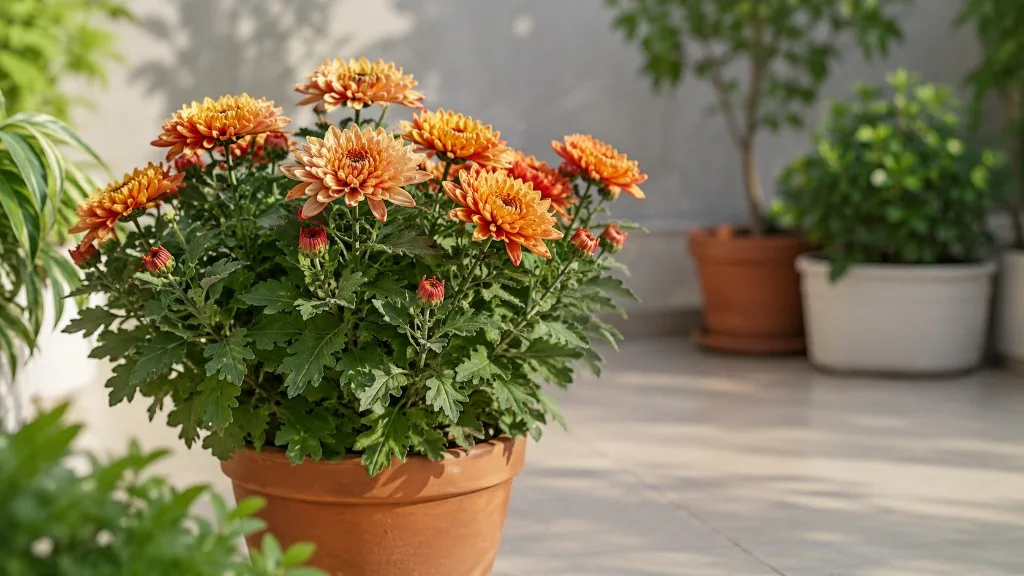
How to Propagate Chrysanthemum: Cuttings & Division
How to Propagate Chrysanthemum: Cuttings & Division
How Hardy Chrysanthemums Spread Underground
Chrysanthemums - especially the garden types grouped under Chrysanthemum morifolium and sold as hardy mums - are built to multiply. In the ground, they send out shallow stolons and underground runners that produce new shoots at the perimeter of the original crown. Over two or three seasons a single plant can become a dense ring of vigorous outer shoots surrounding a woody, less productive center. That natural habit is why chrysanthemum propagation almost always comes down to two practical routes: stem cuttings taken from fresh growth, and division of an established clump.
Cuttings give you genetically identical copies of a cultivar you love - the same flower form, color, and bloom time as the parent. Division does the same while also solving a maintenance problem: crowded mums flower less, rot more easily at the crown, and invite powdery mildew when air cannot move through the center. Penn State Extension recommends dividing every three to five years; many experienced growers split clumps every two to three years to keep plants vigorous. Neither method is exotic. Both rely on the plant’s willingness to root from soft tissue and restart from basal buds, which is why mums remain one of the most forgiving perennials for home propagation.
Understanding that spread pattern changes how you work. When you divide, you are not breaking apart random chunks of root - you are harvesting the fresh outer ring and discarding the exhausted middle. When you take cuttings, you are capturing the same kind of pliable spring or early-summer growth those outer shoots produce naturally. The sections below walk through both methods with the timing, tools, and aftercare that separate a tray of rooted cuttings from a pile of mushy stems.
Stem Cuttings vs Division: Which Method Fits Your Goal
The easiest way to propagate chrysanthemums for most home gardeners is division, because each section already has roots attached and skips the vulnerable rooting phase entirely. Dig, split, replant, water in - done. Divisions typically flower the same season if divided in early spring, and Penn State Extension notes that young divisions grow much faster than crowded old clumps. Division also rejuvenates the parent patch, which is why it doubles as essential garden maintenance rather than a separate project.
Stem cuttings win when you need many plants from one stock plant, when you want to propagate a potted mum without disturbing its root ball, or when you are building a collection of exhibition or specialty cultivars where every clone must match. A single well-grown mother plant can yield dozens of cuttings from spring pinching alone. NC State Extension lists stem cutting as a recommended propagation strategy alongside division. Cuttings take longer - usually three to five weeks to root under good conditions, plus several more weeks of establishment - but they scale in a way division cannot.
| Factor | Stem cuttings | Division |
|---|---|---|
| Best for | Mass production, potted stock, cultivar preservation | Rejuvenating old clumps, fastest path to flowering plant |
| Ideal timing | Late spring to early summer | Early spring when shoots are 1–3 inches |
| Time to established plant | 6–10 weeks from cut to garden-ready | 2–4 weeks; often blooms same fall |
| True to parent | Yes - clonal | Yes - clonal |
| Equipment needed | Trays, dome, sterile medium, hormone (optional) | Spade or knife, compost-amended bed |
| Parent plant impact | Minimal if you pinch lightly | Requires lifting entire clump |
If you are staring at a tired, hollow-centered clump that barely bloomed last year, divide it. If you are pinching back lush spring growth and hate throwing the trimmings away, root them as cuttings. Many growers do both in the same season - division to refresh the bed, cuttings to fill gaps or share with neighbors.
Best Timing for Chrysanthemum Propagation
Timing matters more than the calendar date on your phone. Chrysanthemums root and recover fastest when day lengths are lengthening, temperatures sit in a comfortable range, and the plant is pushing soft, non-woody growth - not when it is stressed by heat, drought, or heavy bloom.
For division, the window opens in early spring as new basal shoots emerge and reach 1 to 3 inches tall but before stems elongate. Penn State Extension and NC State Extension both anchor to this stage because roots are waking up, shoots are flexible, and the plant has the full growing season ahead to rebuild. In USDA zones where mums are fully hardy, that often means March through April. In warmer subtropical climates where mums grow through a cool dry season, aim for the start of active growth after the harshest heat passes - often late monsoon or early winter depending on local rhythm - as long as the plant has at least six weeks of comfortable growing weather before extreme heat or cold.
For stem cuttings, take material from late spring through early summer - roughly May through July in temperate climates - when stems are 8 to 10 inches long and still green inside. Avoid cuttings taken from woody lower stems, from plants in full bud, or from growth that has already started senescing in late summer. A practical secondary window opens when you pinch back plants in mid to late June to force bushiness; those removed tips root readily if they are non-flowering and hydrated. Do not attempt cuttings during peak bloom or in fall from forced gift mums unless you accept a high failure rate.
One critical caveat: store-bought fall mums planted in autumn often fail to overwinter because they spent their energy on flowers instead of roots. You can try taking cuttings from a healthy purchased plant in spring after it breaks dormancy, but propagating a mum still in full bloom at the garden center in October is usually a losing bet. Let it finish its display, overwinter if your zone allows, and propagate from fresh spring growth instead.
Tools and Supplies You’ll Need
Clean, sharp tools prevent crushed stems and disease transfer. Gather these before you start so cuttings do not wilt while you search the shed.
For both methods: bypass pruners or a sharp knife disinfected with rubbing alcohol; a bucket of water or damp towel to hold cuttings briefly; labels if you are running multiple cultivars; well-draining planting beds or pots with drainage holes.
For stem cuttings: shallow trays or small pots; a sterile, moisture-retentive but airy rooting medium such as perlite, vermiculite, fine sand, or a mix of peat and perlite; a pencil or dibber to make insertion holes; rooting hormone powder containing IBA (optional but improves speed and root mass according to horticultural research on Chrysanthemum morifolium cuttings); a clear humidity dome, propagation lid, or inverted plastic bag supported on stakes; a spray bottle for misting.
For division: a garden fork or spade; a sharp knife or hori-hori for splitting tight crowns; compost or well-rotted manure to amend the replanting area; mulch for afterward if your climate dries quickly.
Do not dip cuttings directly into the hormone jar - pour a small amount into a separate dish and discard the excess to avoid contaminating the whole container. Do not reuse rooting medium from a previous failed batch without sterilizing it; old fungal spores survive dry storage and cause damping off in the next round.
Propagating Chrysanthemums from Stem Cuttings
Stem cuttings are the standard commercial route for chrysanthemums worldwide, and they work equally well on a back porch. The process is straightforward: remove a section of soft stem with nodes, strip the lower leaves, insert it in moist sterile medium, maintain humidity until roots form, then transplant. Where growers go wrong is using woody stems, letting cuttings wilt before insertion, or drowning them in soggy mix.
Selecting Healthy Softwood or Basal Material
Choose stems from a healthy, pest-free parent plant that has been watered normally - not one recovering from wilt, mildew, or aphid infestation. The best chrysanthemum cuttings are 4 to 6 inches long and include three to six leaf nodes. They should snap cleanly when bent rather than fold like wet paper. Softwood tip cuttings from the upper stem root well. Basal cuttings - shoots emerging directly from the crown at soil level - are even more vigorous because they sit closer to the plant’s energy reserves; the Royal Horticultural Society describes these basal softwood shoots as prime cutting material when thinning crowded basal growth.
Pass over stems that are flowering, budding heavily, or showing brown lesions. If the only available growth has flower buds, pinch the buds off before rooting; the cutting cannot simultaneously fuel bloom initiation and root formation. Early-morning harvest is ideal because tissue is fully hydrated and heat stress has not yet pulled moisture from the leaves.
Preparing Cuttings for Rooting
Make a clean cut just below a leaf node at a slight angle using sharp bypass pruners. Angled cuts expose slightly more cambium for rooting but the difference is minor - cleanliness matters more than geometry. Remove the lower half to two-thirds of leaves, including any that would sit below the medium surface. Large remaining leaves can be trimmed by half to reduce transpiration without removing them entirely. Some growers also pinch out the soft growing tip to redirect energy downward; this is optional on small cuttings but helps on taller pinch-back material.
Work quickly. If you cannot insert cuttings within a few minutes, stand them in a jar of clean water in shade or wrap stems in a damp paper towel. Never let prepared cuttings sit in direct sun on a hot tray - they will collapse before roots ever form.
Rooting Medium, Hormone, and Insertion Depth
Fill trays or pots with pre-moistened sterile medium. Water until evenly damp, then let excess drain - the mix should feel like a wrung-out sponge, not mud. Research on chrysanthemum cuttings consistently shows best rooting in light, aerated media such as vermiculite, coco peat, or perlite blends rather than heavy garden soil.
Rooting hormone is optional but worthwhile. Penn State Extension recommends dipping about 3/4 inch of the cut end into powder before insertion. Studies on Chrysanthemum morifolium report improved root number and length with IBA treatments in the 100 to 600 ppm range, though cultivar response varies. Use a light dusting - excess hormone can inhibit rooting. Tap the stem gently to knock off surplus powder.
Poke a hole with a dibber so the hormone is not scraped off when you insert the stem. Set cuttings about 1 inch deep, firm the medium around the base, and space them so leaves are not touching. Label the tray with cultivar name and date.
Water Propagation vs Soil Rooting
Water propagation works for chrysanthemums - stems will produce visible roots in a clear jar over two to four weeks - but soil rooting generally produces tougher root systems that transplant with less shock. If you use water, change it every few days, keep only the stem base submerged, and transplant to mix promptly once roots reach 1 to 2 inches. Long-term water rooting produces fragile white roots adapted to anaerobic conditions; moving those directly into dry garden soil often causes collapse. For highest success rate, skip water and go straight to medium with a humidity dome.
Humidity, Light, and Temperature During Rooting
Cover the tray with a clear dome or supported plastic bag to hold humidity near 80 to 90 percent while leaves remain turgid. Vent daily for a minute or two to exchange stale air and prevent mold. Place the setup in Chrysanthemum light guide - a north-facing bench, east window, or shaded cold frame - not direct midday sun, which cooks cuttings under plastic.
Target 65 to 75°F (18 to 24°C) for fastest rooting. Bottom heat from a propagation mat set around 70°F can shave several days off the timeline in cool basements. Keep the medium consistently moist but never waterlogged; mist the surface if it lightens in color, and water from below when possible to avoid dislodging hormone from stems.
Most chrysanthemum cuttings root in three to five weeks during active spring growth. The Royal Horticultural Society notes that basal softwood cuttings taken in spring typically root in about three weeks under bright light at 10°C (50°F) or above. Test readiness with a gentle tug on the leaves - resistance means roots have anchored. If the cutting lifts out, replant it and wait another week. Premature transplanting is a common reason newly rooted mums fail.
Transplanting and Hardening Off Rooted Cuttings
When roots fill the plug or resist a gentle pull, move cuttings into individual 3- to 4-inch pots of well-draining potting mix enriched with compost, or plant directly into prepared garden beds if soil temperature is above 55°F (13°C) and frost is past. Bury the stem to the same depth it rooted at - do not expose fresh white roots to drying air.
Harden off dome-grown cuttings over five to seven days by gradually increasing ventilation and exposing them to longer periods of direct morning sun. Sudden placement in full afternoon sun burns tender leaves even on a plant that roots easily. Water in thoroughly after transplanting, then let the top inch of mix dry slightly before the next soak to encourage roots to explore outward.
Propagating Chrysanthemums by Division
Division is less glamorous than rooting trays of cuttings, but it is the fastest route from one tired clump to three or four vigorous flowering plants. It requires no propagation equipment beyond a sharp spade and a willingness to get soil under your nails.
When a Clump Is Ready to Split
Divide when you see the classic symptoms of overcrowding: the center of the clump is woody, bare, or dead, outer shoots are crowded and leaning outward, flowering was sparse last season despite adequate sun and feed, or the plant has occupied the same spot for more than two to three years. Penn State Extension’s three-to-five-year guideline is a ceiling, not a floor - fast-spreading cultivars in rich soil may need splitting sooner.
The physical signal is new basal shoots 1 to 3 inches tall in early spring. That height means roots are active but the plant has not yet committed heavy energy to elongating stems. Wait too long and divided sections wilt badly; divide too early when shoots are mere nubs and you cannot see which sections are viable.
Digging Up and Separating the Crown
Water the clump lightly the day before if soil is dry - digging is easier when soil coheres but is not mud. Insert a fork or spade around the perimeter, then lift the entire clump with as much root mass intact as possible. Shake off excess soil so you can see the structure: multiple small plantlets with white fibrous roots radiating from a central woody core.
Keep the vigorous outer sections. Each division should include several healthy shoots and a portion of the root system - Penn State Extension recommends replanting divisions in loose, well-drained, rich fertile soil and discarding half-dead woody parts. Use a sharp knife or spade to cut through the crown cleanly rather than tearing, which rips roots and invites rot. Discard the woody center where growth is sparse and stems are brown and brittle.
If the mother plant’s center still shows decent shoots, you can divide it into large segments, but most gardeners find the periphery outperforms the middle every time. Do not create divisions so small that each has only a single shoot and a few roots - they survive, but recovery is slow and bloom may skip a season.
Replanting Divisions at the Correct Depth
Prepare the new site with loose, well-drained, fertile soil amended with compost. Chrysanthemums prefer full sun - six or more hours of direct light daily for best flowering - and a soil pH near 6.0 to 8.0 with good drainage. Space divisions 18 to 24 inches apart to allow spread and airflow; crowding invites mildew and aphids.
Set each division at the same depth it grew before, with the crown at or just above soil level - never bury the base deeply, which suffocates emerging shoots. Water in thoroughly to settle soil around roots. Mulch lightly if spring weather is dry, but keep mulch away from direct contact with the crown until active growth hardens off.
Divisions planted in early spring typically push strong vegetative growth within weeks and flower in fall, assuming you follow a sensible pinching schedule. That same-season bloom is division’s biggest advantage over cuttings started in late June, which may need another year to reach full display size depending on cultivar and climate.
First-Month Aftercare for New Plants
Whether you rooted cuttings or replanted divisions, the first 30 days share the same priorities: stable moisture, moderate light, no premature fertilizer, and patience.
Watering: Keep soil evenly moist but not saturated. New divisions wilt in hot afternoon sun - provide temporary shade cloth for the first week if a heat wave hits right after planting. Rooted cuttings in pots should dry slightly between waterings; constant sogginess reactivates rot fungi that propagation domes kept at bay.
Light: Full sun is the long-term goal, but newly transplanted material benefits from morning sun and afternoon protection for the first seven to ten days. Gradually increase exposure as new growth appears.
Fertilizer: Hold feed until plants show active new leaves - usually two to three weeks post-transplant. Then apply a balanced fertilizer at half strength or a light top-dressing of compost. Heavy nitrogen on unrooted or shocked plants produces weak leggy stems without the root mass to support them.
Pests and disease: Watch for aphids on tender new tips and powdery mildew when nights are cool and humidity is high. Remove affected leaves early, improve spacing, and avoid overhead watering late in the day. Do not propagate from visibly diseased stock.
Do not repot or disturb cuttings to “check roots” unless you suspect rot. Firm new leaves and visible upright growth tell you more than pulling a plant out every three days.
Pinching Back for Fuller Fall Blooms
Propagation gets you new plants; pinching shapes them into mound-form bloom machines. Chrysanthemums flower on terminal buds whose timing is influenced by day length - pinch at the wrong stage and you either delay bloom into frost territory or remove buds you waited all season for.
Start pinching when propagated plants reach 6 inches tall, removing about 3/4 inch from each branch tip. Repeat when they reach 12 inches, and continue through midsummer until roughly 100 days before your expected bloom period for that cultivar. Clemson HGIC recommends regular pinching from spring through early July or August depending on region - the classic June pinch-back that generates cutting material also forces lateral branches that carry more flowers in September and October.
Plants started from late cuttings may not need as aggressive a pinch schedule - let them establish roots before you strip much top growth. Divisions divided in early spring should receive the full pinching protocol the same as mature stock. If you are unsure of your cultivar’s bloom window, stop pinching by early July in most temperate zones and observe the following year.
Common Propagation Mistakes to Avoid
Most failed chrysanthemum propagation attempts trace to a short list of errors you can sidestep once you know what they look like.
Using woody or flowering stems for cuttings produces slow or zero rooting because cambium activity drops as tissue lignifies and reproductive hormones divert energy. Always choose soft green growth without open flowers.
overwatering on Chrysanthemum during rooting is the number-one killer of cuttings. Soggy medium excludes oxygen from developing roots and invites stem rot at the buried node. Aim for moist, not wet.
Skipping ventilation under humidity domes creates a mold incubator. Open covers daily.
Planting divisions too deep buries the crown and causes shoot rot. Match the original soil line.
Replanting the dead center of an old clump because it feels wasteful gives you a weak plant that will disappoint you all season. Compost it without guilt.
Propagating exhausted gift mums in fall sets you up for disappointment when the plant never developed the root system needed to survive winter. Buy for display; propagate from established garden stock in spring.
Neglecting labels when rooting multiple colors leads to mystery plants. A popsicle stick now saves arguments later.
Transplanting rooted cuttings into heavy clay without amendment causes waterlogging. Chrysanthemums want fertile, well-drained soil - not bog conditions.
If cuttings collapse with blackened bases or divisions turn mushy at the crown, discard affected material promptly rather than nursing rot that spreads to neighbors. Propagation material is renewable; saving a diseased stem is not.
Conclusion
Chrysanthemum propagation through stem cuttings and division gives you two reliable paths to more plants without buying new pots every season. Division is the simplest starting point when you have an established clump: split in early spring when shoots are 1 to 3 inches, keep the vigorous outer ring, discard the woody center, and replant at the same depth in full sun with compost-enriched soil. Stem cuttings scale better when you want dozens of identical plants from pinch-back trimmings - take 4-to-6-inch softwood sections in late spring or early summer, root them in sterile moist medium under humidity at 65 to 75°F, and transplant after three to five weeks when a gentle tug meets resistance.
Both methods succeed when you match timing to active growth, keep moisture controlled without waterlogging, delay fertilizer until new leaves appear, and follow a sensible pinching schedule toward fall bloom. Avoid woody stems, flowering tips, and fall-planted gift mums as propagation stock. Give new plants a month of steady care before expecting them to perform like veterans. Do that, and a single chrysanthemum on your bench or in your border can become the source of a garden full of autumn color for years to come.
When to use this page vs other Chrysanthemum guides
- Chrysanthemum overview - Start here for whole-plant context before deep-diving this topic.
- Chrysanthemum problems hub - Jump to symptom-specific fix guides when this care topic does not resolve the issue.
Related Chrysanthemum guides
- Chrysanthemum overview
- Chrysanthemum watering
- Chrysanthemum light
- Chrysanthemum soil
- Chrysanthemum fertilizer
- Chrysanthemum repotting
- Chrysanthemum problems
Related tool
Try the Propagation Success Calculator with chrysanthemum pre-selected to estimate needs for your setup.