Best Soil for Cebu Blue Pothos: Mix Recipe & Tips
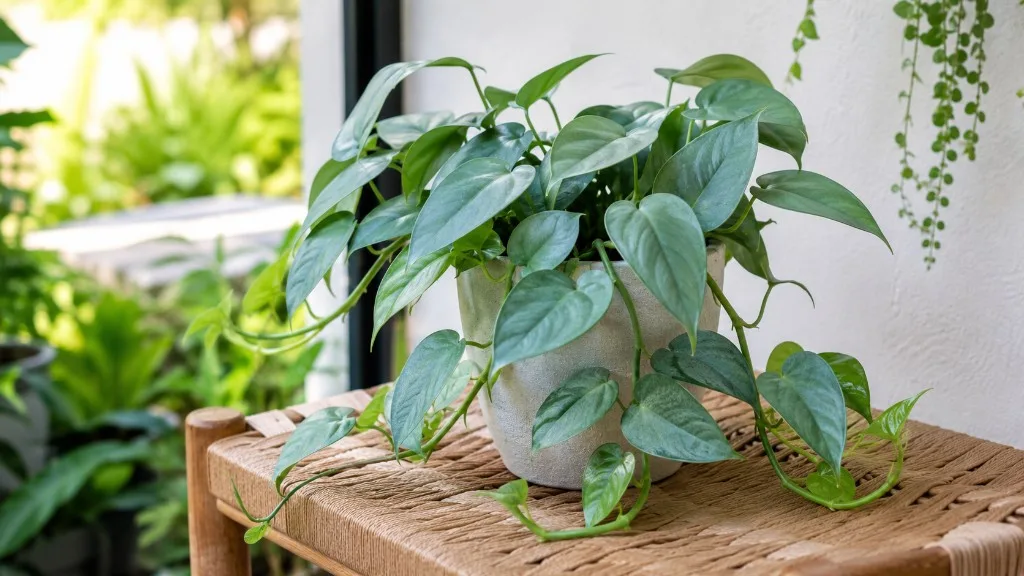
Best Soil for Cebu Blue Pothos: Mix Recipe & Tips
Best Soil for Cebu Blue Pothos: Mix Recipe & Tips
Cebu Blue Pothos (Epipremnum pinnatum ‘Cebu Blue’) looks tough. It grows fast, tolerates a missed watering, and keeps its silver-blue sheen in less-than-perfect rooms. That forgiving reputation hides a non-negotiable rule: the roots still behave like an epiphyte climbing through tropical forest debris, not like a plant anchored in heavy garden soil. Give it dense, water-retentive peat straight from the bag and you will eventually see yellow leaves, soft stems, and a sour smell from the pot-even if your Cebu Blue Pothos watering guide looks reasonable on paper.
The fix is a chunky, well-draining aroid mix that drains within a minute or two, holds enough moisture between drinks, and stays open to oxygen for a year or more. This guide gives you the exact Cebu Blue Pothos soil mix recipe, the ingredient logic behind it, home-by-home adjustments, pre-made bags worth buying, pot and drainage setup, the mistakes that cause root rot on Cebu Blue Pothos, and a Cebu Blue Pothos repotting guide workflow you can follow without guessing.
Why Cebu Blue Pothos Needs a Different Soil Than “Regular” Potting Mix
Cebu Blue Pothos is sold beside Golden Pothos and treated like a bulletproof beginner plant. Botanically, it is a different species-Epipremnum pinnatum, an epiphytic climbing aroid native to tropical and subtropical Asia to the Pacific-and in the wild it climbs tree trunks with roots exposed to air, rain, and quick-draining organic debris. NC State Extension describes Epipremnum pinnatum as preferring moist, well-drained, organically rich conditions with good drainage.
Most bagged “tropical” or “indoor” mixes are tuned for moisture retention because retailers assume beginners underwater. Fine peat particles pack down within weeks, air pockets collapse, and the root zone stays wet long after the surface looks dry. Cebu Blue is more forgiving than an Alocasia or a Calathea, but root rot from soggy substrate is still the fastest way to lose a mature vine. Soil is not a background detail here; it is the system that decides how much air, moisture, and recovery time the roots get after every watering.
What Epiphyte Roots Actually Want
Epiphyte roots are adapted to grab onto bark and absorb moisture from brief rain events, not to sit in a wet sponge. They need oxygen between waterings as much as they need water itself. When fine soil compacts, those oxygen pockets disappear, root tips stop functioning, and pathogens such as Pythium find an easy entry point. Clemson HGIC points to substrate that stays wet long enough to displace oxygen as the primary trigger for houseplant root rot-not a single overwatering on Cebu Blue Pothos event, but a mix that never dries properly in the middle.
For Cebu Blue Pothos indoors, the practical translation is simple: your mix should look chunky and light in the bag, drain freely when you water, and dry on a predictable rhythm that matches your room. If the pot stays wet for a week after a normal watering in a bright room, the soil system is wrong even if the plant has not yellowed yet.
The Mistake That Causes Root Rot Fastest
The most common failure is using unamended peat-heavy potting mix in a pot without adequate drainage, then watering on a calendar because “pothos likes moisture.” Cebu Blue does like consistent moisture-but only in a mix that releases excess water immediately. Dense mix plus a drainage hole that is too small, or a cachepot that holds runoff, creates a perched water zone at the bottom where roots suffocate first.
You often will not see obvious mushy roots until the problem is advanced. Early signals include leaves yellowing from the base upward, new growth staying small, water sitting on the surface after watering, and a stagnant or sour smell when you lift the plant slightly. By the time stems feel soft, recovery is uncertain. Building the right mix from the start-or amending what you have before repotting-is cheaper than trying to rescue a rotting root ball.
The Three Jobs Your Soil Mix Must Handle
Every ingredient in a Cebu Blue Pothos potting mix exists to perform one of three jobs. When growers say “well-draining aroid mix,” they mean a substrate that balances all three at once. Understanding the jobs makes every recipe tweak logical instead of random.
Drainage After Every Watering
Drainage is how fast excess water exits the pot after a thorough soak. Cebu Blue Pothos should drain freely within one to two minutes when you water until runoff appears. The RHS recommends adding coarse bark or grit to houseplant compost when drainage is insufficient-and for epiphytic aroids, insufficient drainage is the default state of unamended bagged mix.
Drainage is built by chunky particles: orchid bark, perlite, pumice, and coarse charcoal. They create channels gravity can use. A drainage hole in the pot is necessary but not sufficient. If the mix itself holds water like a sponge, the hole only slowly leaks while the center stays saturated.
Aeration Between Waterings
Aeration is the air that remains in the root zone after water drains. Even after a deep watering, spaces between bark and perlite should still hold air. This is what keeps roots metabolising between drinks and what prevents anaerobic bacteria from taking over.
Fine peat and coco coir alone collapse over time. Aeration is why bark and perlite are not optional extras-they are structural. A quick texture test: squeeze a handful of your finished mix. It should spring back open. If it stays compressed in a ball, add more perlite and bark before potting an expensive mature Cebu Blue.
Moisture Retention Without Sogginess
Retention is the moisture held in the fine organic fraction after bulk water drains. Cebu Blue roots should not go bone-dry for days on end-the leaf tips crisp and growth stalls-but the mix should never stay wet in the middle. A modest organic base (potting mix, coco coir, or a small fraction of peat) provides micro-level moisture without saturating the whole pot.
Roughly one quarter to one third of the total mix by volume should be moisture-retentive organic matter. The rest should be structural drainage material. That ratio is why the classic 1-1-1 aroid blend works so well for Cebu Blue Pothos overview: equal parts base, perlite, and bark hit the sweet spot for most indoor rooms.
Core Ingredients and What Each One Does
Generic “best soil” lists name ingredients without explaining trade-offs. Here is what each common component does for Epipremnum pinnatum specifically, and when to adjust amounts.
Orchid Bark and Chunky Structure
Orchid bark-usually fir bark graded for orchid use-is the structural backbone of a chunky mix. It creates large air pockets, mimics the tree-surface debris Cebu Blue climbs over in habitat, and breaks down slowly over 12 to 24 months indoors. Pine bark fines work too and are often cheaper, but they decompose faster and produce a finer texture sooner.
Use medium-grade orchid bark, not decorative mulch, which may be dyed or treated. Bark also contributes mild acidity as it breaks down, helping keep pH in the 6.0–6.5 band this plant prefers - NC State Extension lists acidic soil pH below 6.0 as a cultural preference for Epipremnum pinnatum. If you only change one thing about your current setup, adding bark is the highest-impact single amendment.
Perlite, Pumice, and Permanent Drainage
Perlite is heat-expanded volcanic glass: lightweight, porous, and excellent at keeping fine air pockets distributed through the mix. Pumice is heavier, does not float to the top as easily during watering, and lasts longer in the pot. Both serve the same function-permanent drainage and aeration that does not decompose.
A common error is assuming bark alone provides enough drainage. It does not. Perlite fills the spaces between bark pieces and prevents the organic fraction from packing down. Target at least 25–33% perlite or pumice by volume in the final mix. If you tend to overwater or live in a humid climate, push toward 40%.
Potting Mix Base and Organic Matter
The potting mix base supplies nutrients, microbial life, and fine moisture retention. Choose a quality peat- or coco-based indoor mix without moisture-control crystals or heavy wetting agents. Avoid garden soil entirely-it compacts, carries pests, and drains poorly in containers.
Worm castings (roughly 5–10% of total volume) add slow-release organic nutrition and beneficial microbes without burning roots. If you skip castings, plan to fertilise during active growth; bark and perlite are inert and feed nothing on their own. A balanced liquid fertiliser at half strength every two to four weeks in spring and summer is enough for most indoor Cebu Blues.
Coco Coir, Charcoal, and Optional Upgrades
Coco coir can replace part of the peat-based base. It rewets more easily after drying, compacts less aggressively, and is a sustainable alternative where available. Pre-moisten coir before mixing; dry coir sheds water down the pot sides for the first few waterings.
Horticultural charcoal (chunky grade, not aquarium powder) is optional but useful. It buffers impurities, reduces sour smells as organic matter breaks down, and extends mix life. One part charcoal per ten parts total mix is plenty. Sphagnum moss on the surface of a moss pole-not mixed heavily into the bulk substrate-helps climbing stems root aerially without changing the drainage character of the pot mix below.
The DIY Cebu Blue Pothos Soil Mix Recipe
The most reliable Cebu Blue Pothos soil mix for typical indoor conditions is a 1-1-1 blend: equal parts quality potting mix, perlite, and medium orchid bark, with optional small fractions of worm castings and horticultural charcoal. This recipe drains fast, holds moisture for roughly 5 to 10 days between waterings in a bright room, and stays structurally open for 12 to 24 months before significant breakdown.
| Ingredient | Ratio by volume | Role |
|---|---|---|
| Quality indoor potting mix | 1 part | Nutrients and fine moisture retention |
| Perlite or horticultural pumice | 1 part | Drainage and aeration |
| Medium orchid bark | 1 part | Chunky structure and air pockets |
| Worm castings (optional) | ½ part per 3 parts base | Slow-release organic nutrition |
| Horticultural charcoal (optional) | 1 part per 10 parts total | Odour control and mix longevity |
Method. Measure each ingredient using the same scoop-a yogurt cup, solo cup, or small bucket-and combine in a large tub. Mix with your hands until colour and texture look even. Wear a dust mask if perlite is dry; wetting perlite slightly before mixing reduces dust.
Potting. Fill the new pot one-third full, set the plant at the same depth it was growing before (never bury nodes deeper than they were), and backfill loosely. Do not press the mix down hard. Water once thoroughly until runoff exits the drainage holes, then top up if the level settles. The finished surface should feel springy, not cemented.
Minimum amendment shortcut. If you already own a bag of standard potting mix and cannot source bark today, blend 70% potting mix with 30% perlite as a temporary fix. It is not ideal, but it is dramatically better than straight peat mix. Add bark as soon as you can; the perlite-only amendment dries faster and still compacts sooner than a true aroid blend.
Drainage speed test. After potting, water until runoff. Water should exit the bottom within one to two minutes. If it pools on the surface or the pot weight barely changes, your mix is too fine-add perlite and bark before assuming the plant needs less water.
Tuning the Mix for Your Home Environment
A recipe is a starting point. The same mix behaves differently in a dry, bright apartment versus a humid, low-light flat. Tune the 1-1-1 base for the room you actually grow in.
Dry, hot, or heavily air-conditioned homes. Reduce perlite slightly and add a bit more potting mix or pre-moistened coco coir-roughly 2 parts base, 1 part perlite, 1 part bark. The mix holds moisture longer so you are not fighting constant crisping leaf tips. Still use a drainage hole and empty the saucer; retention adjustments are not an excuse for standing water.
Humid, dim, or overwatering-prone setups. Increase bark and perlite to 1 part base, 1½ parts perlite, 1½ parts bark, and add a touch of charcoal. The mix dries faster and forgives fewer watering mistakes. Cebu Blue tolerates lower light better than many aroids, but low light plus wet soil is the classic rot combination.
Climbing on a moss pole. Keep the pot mix chunky as above. Wrap the pole in sphagnum moss or a coco-fiber pole sleeve for aerial roots; do not pack the main pot with moss alone-it holds too much water without bark and perlite structure. Larger leaves on a supported vine often mean more frequent watering, not a denser mix.
Very fast growers in small pots. A root-bound Cebu Blue in a 1-1-1 mix may dry in three to four days in summer. That is a signal to repot, not to switch to heavier soil. Freshen the mix when you upsize; do not compensate with moisture-retentive peat.
Pre-Made Aroid Mixes Worth Buying
DIY mixing is not for everyone. Pre-made aroid soil mix bags save time and give consistent particle size. The trade-off is cost per litre and less ability to tune for your climate.
What good looks like in a bag. Visible bark pieces, plenty of perlite or pumice, an earthy smell-not sour or mouldy-and a label that says aroid, chunky, or epiphyte-not “all-purpose” or “moisture control.”
| Option | Best for | Notes |
|---|---|---|
| Bonsai Jack Aroid Mix | Overwaterers, humid homes | Very gritty, fast-draining; pair with attentive watering |
| Oh Happy Plants / The Plant Runner aroid blends | Beginners wanting tested recipes | Chunky, balanced; less dusty than DIY |
| FoxFarm Ocean Forest, amended | Growers who already own a bag | Mix 2 parts Ocean Forest with 1 part bark and 1 part perlite |
| Espoma Organic Potting Mix, amended | Widely available base | Mix 2 parts Espoma with 1 part perlite and 1 part bark |
Buying pre-made is the right call if you repot one plant a year and do not want partial bags of bark and perlite sitting in the closet. Mixing your own is the right call if you repot several aroids annually and want to tune ratios for your home.
Pot Choice, Drainage Holes, and Container Setup
Soil does its job only inside a container that cooperates. Cebu Blue Pothos needs a drainage hole-full stop. Without one, even perfect mix eventually saturates. Choose pots with at least one hole 8–12 mm across; two holes are better for wide shallow pots.
Pot size. Go up only 2–5 cm (1–2 inches) in diameter when repotting. Oversized pots hold excess wet mix around roots that are not yet using the volume, which delays drying and invites rot. Cebu Blue grows fast, but jumping from a 10 cm pot to a 20 cm pot “so it can grow” is one of the most common post-repot failures. The RHS philodendron guide gives the same rule for climbing aroids: choose a pot only a few centimetres larger than the rootball - a much bigger pot keeps compost wet longer and risks root rot.
Material. Terra cotta breathes through the walls and dries the mix slightly faster-helpful in humid rooms, demanding in dry ones. Plastic retains moisture longer and is lighter for hanging baskets. Glazed ceramic looks good but dries slowly unless the mix is extra chunky. Match material to your watering habits, not aesthetics alone.
Cachepots and saucers. Never let the pot sit in standing runoff for more than 15–20 minutes. Lift it, dump the saucer, and put it back. A decorative outer pot without drainage is fine only if the nursery pot inside has holes and you never pour water into the outer shell.
pH target. Aim for 6.0–6.5, slightly acidic. Quality peat- and coco-based mixes land close enough that hobbyists rarely need lime or sulphur adjustments. If leaf tips burn despite good watering, flush the pot with plain water monthly in hard-water areas to reduce salt buildup rather than chasing pH with additives first.
Common Soil Mistakes With Cebu Blue Pothos
Most Cebu Blue Pothos problems blamed on watering are actually substrate or container mistakes. Here is what to avoid and how to fix it.
Using standard potting soil without amendment. Fine mix compacts, stays wet in the center, and suffocates roots within weeks. Fix: unpot, trim any mushy roots, and repot into the 1-1-1 blend or a heavily amended mix (minimum 30% perlite, 20% bark).
Adding a gravel or LECA layer at the bottom. This raises the perched water table and keeps the bottom of the root zone wetter, not drier. Chunky mix throughout the entire pot is the only structural fix. If you want to grow in LECA, switch to a semi-hydro setup designed for it-not a gravel layer under peat.
Compacting mix while potting. Pressing soil firmly around roots removes air pockets. Backfill loosely, tap the pot once on the bench, water to settle, and stop. The surface should feel firm but springy.
Repotting into an oversized container. Excess wet volume causes chronic sogginess. Size up one step at a time even when roots look crowded; Cebu Blue tolerates slight root binding better than a swimming pool of unused mix.
Blocking or ignoring the drainage hole. A single small hole clogged by roots or mesh can behave like no hole. Clear holes before repotting; avoid tight-fitting saucers that seal the bottom.
Using cactus or succulent mix alone. These blends drain extremely fast and often lack organic nutrition. Cebu Blue wants more moisture retention than a desert plant but more air than dense peat. Pure cactus mix dries too quickly and stresses vines in bright rooms. Amend succulent mix with potting mix and bark if that is all you have-roughly equal parts-or use the 1-1-1 recipe instead.
Repotting on day one from the shop. New plants need acclimation. Repot only if the mix is clearly failing (sour smell, waterlogged) or pests are visible. Otherwise wait two to four weeks, learn how the pot dries in your home, then refresh mix on your schedule.
When and How to Repot Into Fresh Mix
Even the best Cebu Blue Pothos soil mix breaks down. Bark decomposes, perlite floats upward, and organic matter compacts. Plan to refresh substrate every 12 to 24 months, or sooner if you see failure signals.
When to repot. Roots circling the surface or escaping drainage holes, water running straight through without absorbing, mix that dries in two days or stays wet for ten, sour smell, or stalled growth despite good light and feeding all point to repotting time. Spring and early summer-active growth season-are ideal. Avoid winter repotting unless rot is active and you must save the plant.
Step-by-step. Water lightly the day before to soften roots. Slide the plant out, tease apart circling roots gently, and shake off old mix. Trim black, mushy, or hollow roots with clean scissors; healthy roots are white or tan and firm. Choose a pot 2–5 cm wider, add fresh 1-1-1 mix to the bottom, set the plant at the same depth, backfill, and water thoroughly. Keep the plant in Cebu Blue Pothos light guide, avoid direct sun for a week, and hold fertilizer for four to six weeks while roots re-establish.
Refreshing without upsizing. If the plant is too large to move comfortably, scrape off the top 2–3 cm of old mix each year and replace with fresh aroid blend. Top-dressing buys time but does not fix a completely collapsed root zone; full repotting is still necessary when drainage fails in the middle of the pot.
After repotting signals. Mild wilting or a brief pause in growth for one to two weeks is normal. Sustained yellowing, soft stems, or foul soil smell after three weeks suggests oversize pot, overwatering, or rot that was not fully trimmed-inspect roots again rather than stacking fertilizer and extra water.
Conclusion
The best soil for Cebu Blue Pothos is a chunky, well-draining aroid mix built from equal parts quality potting mix, perlite, and orchid bark, targeting pH 6.0–6.5 and draining within a minute of a thorough watering. That substrate mimics the epiphytic conditions Epipremnum pinnatum evolved for: moisture available when roots need it, oxygen available between drinks, and no long-lived saturated zone in the center of the pot.
Whether you mix your own or buy a tested pre-made blend, the decision test is the same-squeeze the mix, water the pot, and watch how fast it dries in your room. Tune bark and perlite up in humid or low-light homes; tune the organic base slightly up in dry ones; always use a drainage hole and a pot only one size larger at repotting. Cebu Blue Pothos rewards good soil with faster growth, larger leaves on a moss pole, and far fewer mysterious yellow leaves. Get the mix right once, refresh it every year or two, and the watering routine finally makes sense.
When to use this page vs other Cebu Blue Pothos guides
- Cebu Blue Pothos overview - Start here for whole-plant context before deep-diving this topic.
- Cebu Blue Pothos problems hub - Jump to symptom-specific fix guides when this care topic does not resolve the issue.
- Root Rot on Cebu Blue Pothos - Escalate here when soil adjustments are not enough.
- Mold on Soil on Cebu Blue Pothos - Escalate here when soil adjustments are not enough.
Related Cebu Blue Pothos guides
- Cebu Blue Pothos overview
- Cebu Blue Pothos watering
- Cebu Blue Pothos light
- Cebu Blue Pothos propagation
- Cebu Blue Pothos fertilizer
- Cebu Blue Pothos repotting
- Root Rot on Cebu Blue Pothos
- Mold on Soil on Cebu Blue Pothos
- Cebu Blue Pothos problems
Related tool
Try the Soil Mix Calculator with cebu-blue-pothos pre-selected to estimate needs for your setup.