Aphids on Boston Fern: Causes, Checks & Fixes
Quick answer
Aphids on Boston Fern usually mean the black fern aphid on young frond undersides. First step: isolate the plant and rinse every leaflet underside with lukewarm water before spraying anything.
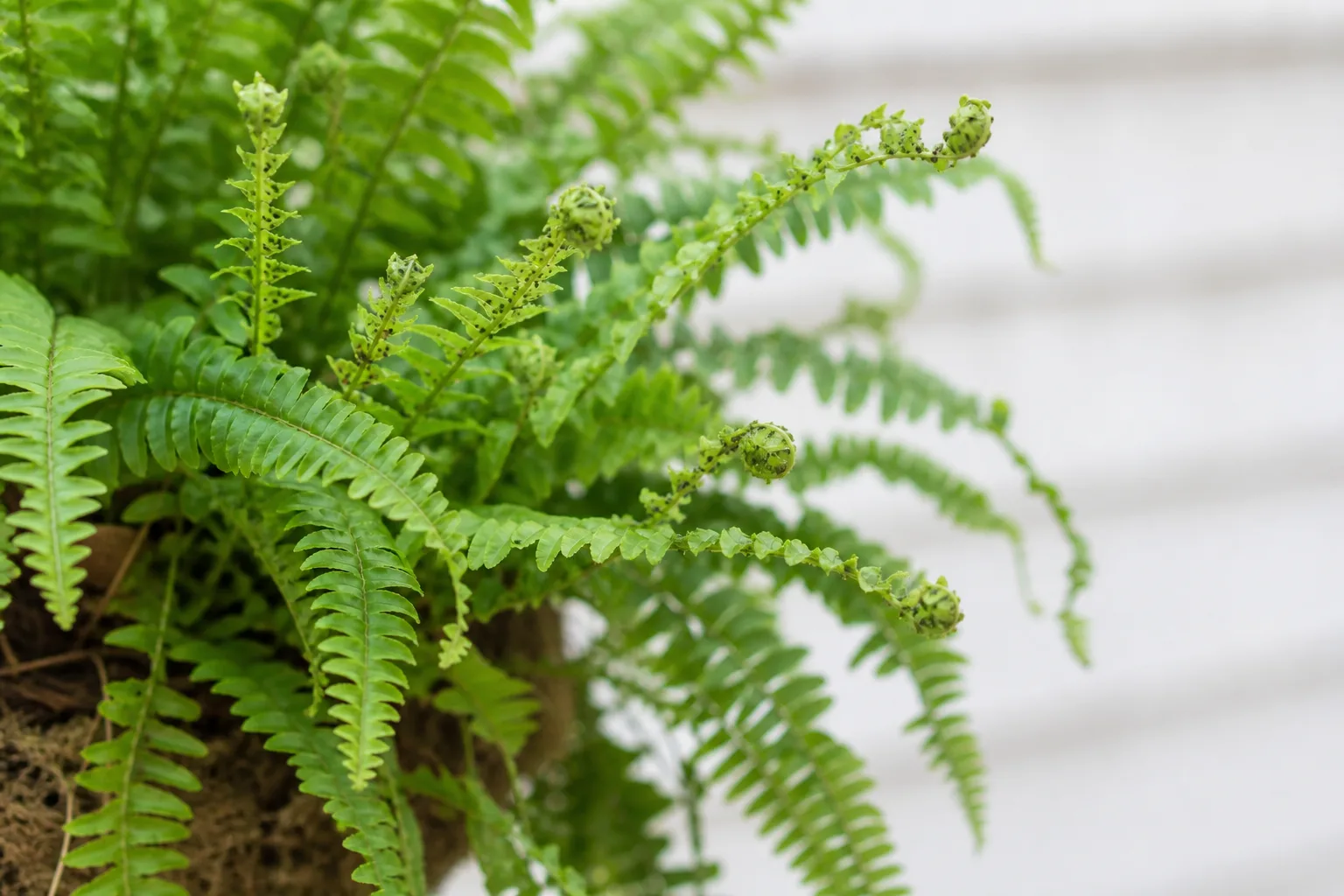
Aphids on Boston Fern: Causes, Checks & Fixes
This guide covers aphids on Boston Fern. See also the general Aphids guide, watering, and light pages for this plant.
Aphids on Boston Fern: Causes, Checks & Fixes
Quick answer
Aphids on Boston Fern (Nephrolepis exaltata) are almost always the black fern aphid, Idiopterus nephrelepidis, feeding on the undersides of fronds-especially soft new growth. They suck sap, leave shiny honeydew, and can curl or yellow young leaflets, but on a healthy fern they seldom cause severe injury if caught early.
First step: isolate the plant and rinse every frond underside with lukewarm water. Use a sink spray or a gentle shower, tipping the pot so water runs through and out the drainage holes. You need to knock live insects off the thousands of tiny leaflets before reaching for sprays. Once the foliage is clean and the plant is separated from neighbors, confirm insects are still present; then move to a tested soap treatment if washing alone is not enough.
What aphids look like on Boston Fern
On Boston Fern, aphids are easy to miss because they hide under arching fronds and tuck into unfurling croziers. The species most tied to Boston Fern overview is dark brown to black, small, and pear-shaped-quite different from the bright green aphids common on herbs.
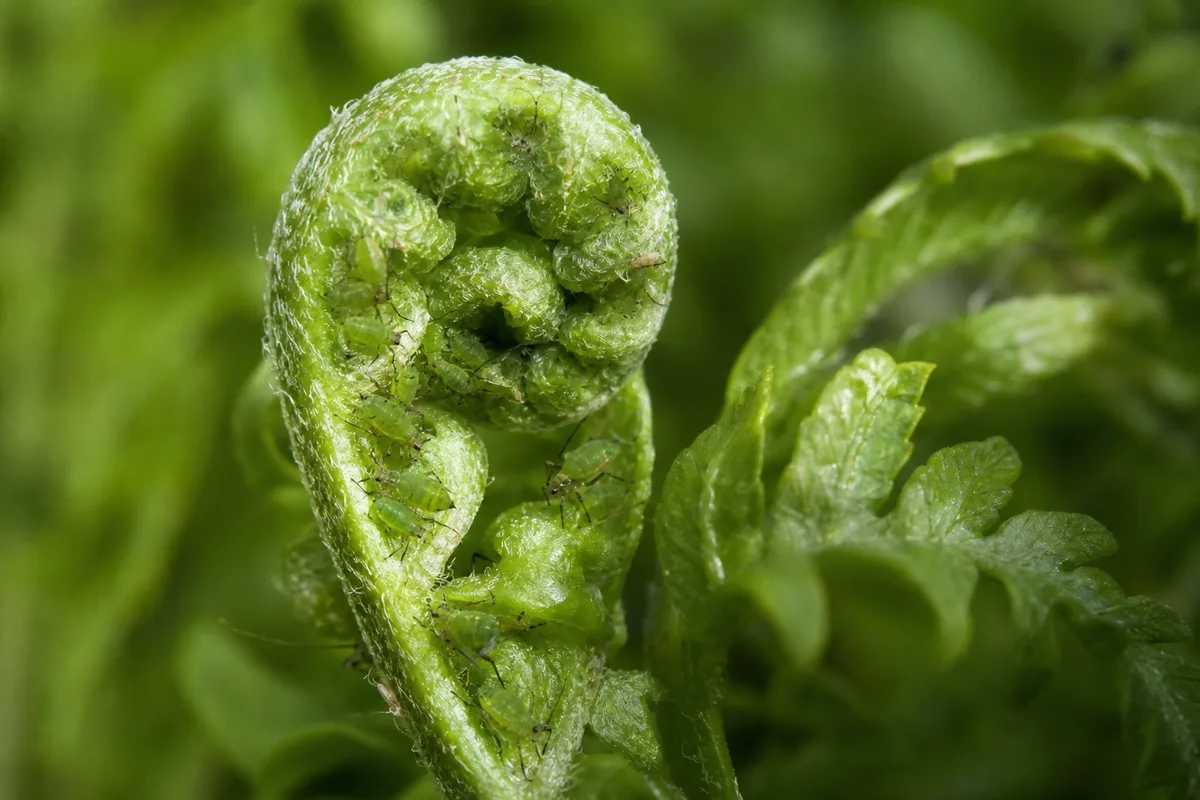
Aphids symptoms on Boston Fern - compare with healthy tissue on the same plant.
Typical signs include:
- Clusters of tiny insects along leaflet midribs on the underside of fronds
- Heavy feeding on newest fronds and croziers still opening
- Shiny, sticky honeydew on leaflets, hanging basket chains, or nearby surfaces
- Yellowing, curling, or stunted young leaflets when colonies build up
- Whitish cast skins left behind after molting, sometimes mistaken for dust
- Ants on the pot or plant, farming aphids for honeydew
Boston Fern does not flower indoors, so check tender frond tips and stem bases-not flower buds. Damage often starts on one frond while the rest of the plant still looks full, which is why a quick glance from across the room is not enough.
Why Boston Fern gets aphids
Aphids are common indoor pests because homes lack the predators that control them outdoors. They arrive on new plants, cuttings, or open windows, then settle on the soft tissue Boston Fern produces constantly when humidity and light are adequate.
Several factors make this fern a regular host:
- Species match: The black fern aphid is documented specifically on Boston fern frond undersides, not as a random one-off pest.
- Dense, tender growth: A well-grown Boston fern pushes new fronds often. Aphids prefer that soft tissue and reproduce quickly on it.
- Sheltered feeding sites: Hundreds of small leaflets create endless crevices where sprays and rinses miss insects.
- Skipped quarantine: Nursery ferns can look clean on top while undersides already carry colonies.
- Soft, nitrogen-rich growth: Over-fertilized houseplants push weak, succulent shoots that aphids colonize faster.
- Indoor stability: Warm rooms without rain, wind, or lady beetles let populations double within days.
Boston Fern’s normal need for steady moisture and 50–70% humidity does not prevent aphids the way dry air favors spider mites. Do not assume raising humidity alone will clear an infestation-you still need physical removal or contact treatment.
How to confirm the cause
Work through these checks before treating:
- Inspect undersides first - Lift fronds and look along the rachis and youngest leaflets with a hand lens. Aphids move slowly when disturbed; they are not fixed bumps.
- Check for honeydew - Sticky shine on leaflets or the pot rim supports sap-feeding insects. Dry crusty spots without shine are more often mineral deposits or old residue.
- Note color and shape - Soft, pear-shaped bodies with visible legs point to aphids. Hard brown shields suggest scale. White cottony clumps suggest mealybugs.
- Tap test - Hold a white paper under a frond and tap the rachis. Falling dark specks that crawl confirm aphids.
- Scan neighbors - Aphids spread to nearby houseplants. Check anything touching the fern or sharing a windowsill.
- Rule out cultural damage - Brown only at leaflet tips in dry air is usually humidity stress, not insects. Fine stippling with webbing points to spider mites instead.
Confirmed diagnosis requires live insects plus feeding signs on the plant. Honeydew alone can linger after aphids are gone, so look for fresh colonies before repeating harsh treatments.
First fix for Boston Fern
Isolate the fern and rinse all frond undersides with lukewarm water.
Move the pot away from other plants. Spray or shower the foliage thoroughly, angling fronds so water reaches leaflet undersides. Let excess water drain fully-Boston Fern wants moist soil, not a waterlogged root zone sitting in a full saucer after a heavy rinse.
This single step removes a large share of adults and nymphs without chemical risk to delicate foliage. Wait until fronds are dry to the touch, then reinspect. If you still see moving aphids, proceed to soap treatment-not the other way around.
Do not start with systemic insecticides, alcohol wipes on entire fronds, or Boston Fern repotting guide on day one. Those add stress without solving a foliage-feeding pest if you have not cleared the obvious colonies first.
Step-by-step recovery
After isolation and the first rinse, continue in this order:
- Remove heavily infested fronds - Cut fronds that are mostly coated with insects or thick honeydew. Sterilize scissors between cuts. Bag and discard prunings; do not compost them indoors.
- Test insecticidal soap on one frond - Boston fern is delicate. Test spray any delicate ferns on a small section, wait 48 hours, and check for browning or wilting before treating the whole plant.
- Apply soap to undersides - Use a product labeled for houseplants. Coat insects directly; soap works on contact and has no residual effect once dry. Hit croziers and rachis joints where clusters hide.
- Repeat on a schedule - Plan three treatments five to seven days apart to catch newly hatched nymphs. One pass rarely finishes the job.
- Wash honeydew off - Wipe sticky leaflet surfaces with a damp cloth between sprays so sooty mold and ants have less to feed on.
- Small-pot dip option - If the fern is in a small container, you can dip them in the mixture per label directions, then rinse and drain. Only do this if the pot size makes full spray coverage impractical.
- Hold fertilizer - Skip feed until new fronds emerge clean for two weeks. Feeding during active infestation produces more soft tissue for aphids.
- Recheck the collection - Inspect neighboring plants for the next two weeks. Aphids on one Boston fern often mean a second hidden host nearby.
If soap test-burns foliage, stop chemical sprays and rely on repeated lukewarm rinses plus manual swabbing of visible clusters with a cotton swab dipped in rubbing alcohol on sturdy rachis sections only.
Recovery timeline
First week: After isolation and a thorough rinse, live aphid counts should drop sharply. Honeydew may still feel sticky until you wipe it away.
Weeks two to three: With soap repeats at five- to seven-day intervals, new colonies should fail to rebuild. You are aiming for no moving insects on two inspections a week apart.
Weeks four to six: New croziers should unfurl without clusters attached. Older yellowed leaflets will not fully recover-trim them for appearance once the plant is clearly pest-free.
Longer term: A large Boston fern may take several weeks to refill gaps after heavy frond loss, but established plants usually outgrow moderate aphid damage once feeding stops.
Worsening signs: Spreading honeydew despite treatment, ants increasing on the plant, fronds collapsing from crown rot after sitting wet in a sealed bag, or aphids appearing on multiple plants mean escalation-consider discarding a severely compromised small fern rather than risking the whole collection.
Lookalike symptoms
- Scale insects - Hard, immobile bumps on frond undersides; no legs visible. Honeydew possible, but insects do not move when touched.
- Mealybugs on Boston Fern - White cottony masses in crown or leaf bases, not scattered dark specks along leaflet veins.
- Spider mites on Boston Fern - Fine stippling and webbing in dry, warm conditions; insects are microscopic dots, not visible pear-shaped clusters.
- Honeydew residue alone - Sticky shine left after successful treatment; wipe clean and monitor for new insects rather than respraying automatically.
- Tip necrosis from dry air - Brown only at leaflet margins without insects or stickiness on new growth.
- Dust or water spots - Dry gray film without movement or clustering along veins.
What not to do
Do not use malathion indoors or on Boston fern-it is specifically contraindicated for this species in fern pest guides. Do not apply homemade dish soap mixes; they burn foliage more often than labeled insecticidal soap. Avoid full-strength neem or oil sprays on the whole plant without a spot test; oils can mark delicate fronds and are harder to rinse from dense foliage.
Do not seal a wet fern in plastic after spraying unless you follow label ventilation guidance-trapped moisture against crowded fronds invites fungal problems. Do not return the plant to its display spot until you have seen no live aphids for at least two weeks. Do not overwater to compensate for lost fronds; stick to Boston Fern’s normal rhythm of moist but aerated soil.
Boston Fern care cross-check
Aphid treatment works better when the fern’s baseline care is stable:
- Light: Bright to medium indirect light keeps growth steady without scorching fronds after rinsing.
- Water: Keep soil consistently moist but not waterlogged; empty saucers after watering and after shower treatments.
- Humidity: Target 50–70% RH. Good humidity supports recovery but does not replace pest removal.
- Airflow: Gentle air after rinsing helps fronds dry; avoid cold drafts that cause tip browning.
- Soil: Peat- or coco-based, well-draining mix. A sour-smelling pot suggests root stress-fix that separately, not with more pesticide.
A fern already weakened by drought, dark corners, or soggy soil will drop more fronds during treatment even if aphids are controlled.
How to prevent aphids next time
- Quarantine new ferns for two weeks before hanging them near other plants.
- Scout leaflet undersides during weekly watering, especially on new croziers.
- Rinse dust off fronds periodically so pests are easier to see.
- Feed lightly during active growth only; avoid nitrogen pushes that create soft, aphid-friendly shoots.
- Inspect gifts and divisions the same way you would a nursery purchase.
- Isolate at first sign of honeydew or ants on the pot-both often precede visible colonies.
Because the black fern aphid is tied to this species, any Boston fern in your home deserves the same underside checks you would give a new arrival.
When to worry
Treat as urgent if:
- Winged aphids appear and you grow many houseplants in one room
- Ants are actively tending colonies on the fern
- Sooty mold is coating fronds and blocking light
- Multiple plants show honeydew at the same time
- The fern is small or recently divided and loses most of its fronds within days
You can usually wait for a scheduled soap repeat if the infestation is limited to one or two fronds on an otherwise full plant and you have already isolated and rinsed the plant. Do not wait if neighbors are infested or ants are present-aphids spread quickly indoors.
Conclusion
Aphids on Boston Fern are a manageable, species-specific pest when you catch them on frond undersides early. Isolate first, rinse thoroughly, confirm live insects, then use a tested insecticidal soap on a repeat schedule. Judge success by clean new croziers, not by old yellowed leaflets. Steady humidity, proper drainage, and weekly underside checks keep this common fern pest from becoming a collection-wide problem.
When to use this page vs other Boston Fern guides
- Boston Fern watering guide - Use for routine moisture checks before assuming aphids is the main issue.
- Boston Fern problems hub - Browse all 16 common issues on this species.
- Mealybugs on Boston Fern - Different entry point when symptoms overlap with aphids.
- Spider Mites on Boston Fern - Different entry point when symptoms overlap with aphids.
- Yellow Leaves on Boston Fern - Different entry point when symptoms overlap with aphids.