Song of India Repotting Guide: When, How, and Mistakes
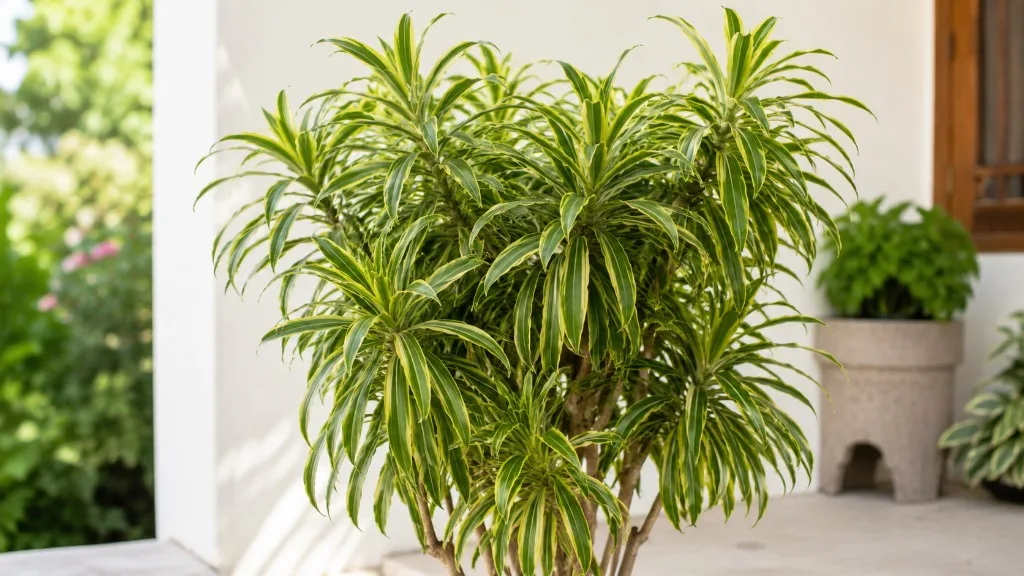
Song of India Repotting Guide: When, How, and Mistakes to Avoid
Song of India Repotting Guide: When, How, and Mistakes to Avoid
Song of India looks like one of those plants that should be easy to repot. It is sold everywhere, it tolerates indoor light, and it rarely throws a dramatic tantrum the way a fiddle-leaf fig might. That calm surface is exactly why so many owners repot it at the wrong time, in the wrong season, with a pot that is two sizes too large and soil that stays wet for a week. Dracaena reflexa - the botanical name behind the common label Song of India - is a slow-growing tropical shrub with a cane-like stem and variegated leaves that need steady moisture without ever sitting in soggy mix. Repotting is less about giving it “more room to grow fast” and more about refreshing a degrading root zone, correcting circling roots, and resetting the balance between drainage and water retention before root rot on Song of India sets in.
This guide covers every decision that matters: when Song of India actually needs a new pot, how to choose container size and material, the soil mix that keeps variegated Dracaena roots breathing, a full step-by-step procedure, and the post-repot routine that determines whether the plant pushes new striped leaves within a month or drops them for two. Guidance here aligns with NC State Extension and Clemson HGIC dracaena care references.
Why Song of India Needs Periodic Repotting
Song of India is not a fast colonizer. Indoors it typically grows at a moderate pace - roughly a few inches of stem per year under good light - and it can live happily in the same container longer than many tropical foliage plants. That slow habit makes it easy to forget that the soil underneath the variegated leaves is breaking down whether or not the plant looks urgent about it. Peat and organic matter decompose, perlite floats upward, and the pore spaces that once let water drain in minutes begin to close. The mix holds moisture longer, which is risky for any Dracaena species because the genus is notoriously sensitive to overwatering and root rot.
Repotting also gives you the only clear view of the root system most owners ever get. Circling roots at the bottom of a nursery pot restrict water uptake and nutrient exchange. Salt buildup from tap water - especially problematic because Dracaenas are fluoride-sensitive - accumulates in old mix and can burn leaf margins over time. A fresh pot with new substrate resets that chemistry and restores airflow around the roots.
What Repotting Does for a Dracaena reflexa Root System
Three things happen during a well-timed repot, and all three support long-term health.
First, degraded soil is replaced. Even a good indoor mix loses structure after two or three years of watering, root pressure, and microbial breakdown. Fresh mix restores the air-to-water ratio the cane roots need. NC State Extension recommends moist, well-drained potting mix with perlite or sand added, and notes that peat degradation is one reason to repot on a regular schedule rather than waiting for visible distress.
Second, the root ball is inspected and corrected. Healthy Dracaena roots are firm, white to tan, and spread evenly through the mix. Mushy, dark, or foul-smelling roots are trimmed before replanting. Circling roots at the pot bottom are teased apart so they grow outward instead of continuing to spiral.
Third, the plant is re-anchored at the correct depth. Song of India grows from a woody cane; burying the stem deeper than it was previously growing invites stem rot. The repot is the moment to confirm the base of the lowest leaves sits at the same soil line as before - not lower.
Root Bound vs. Slow Growth: How to Tell the Difference
These two conditions get confused because both can produce a plant that looks “stuck.” A root-bound Song of India has filled its container with roots. Water runs straight through, the pot feels light soon after watering, and roots may emerge from drainage holes. A slow-growing but healthy plant simply has modest new leaf production because light, humidity, or seasonal conditions limit growth - not because the roots are cramped.
The practical test is to slide the plant partly out of its pot. If you see a dense mat of roots with little visible soil, you are root bound. If roots are sparse and soil fills most of the volume, the plant may not need a larger pot at all - a top-dress with fresh mix in the same container might be enough. Song of India tolerates being slightly root bound better than being placed in an oversized pot with wet, unused soil around its roots.
When to Repot Song of India: Clear Signs Your Plant Is Ready
Because Song of India does not always signal distress loudly, it helps to scan for concrete signs every spring before the active growth window opens. You do not need all of these at once; two or more together usually justify a repot.
- Roots circling the bottom or growing out of drainage holes.
- Water runs through immediately without soaking in, or the opposite - water sits on the surface because the mix is compacted.
- Growth has stalled for a full active season despite adequate light and regular feeding.
- The plant dries out within one to two days of a thorough watering because roots have displaced soil volume.
- Salt crust on the soil surface or brown leaf tips that persist after switching to fluoride-free water.
- The pot is distorting - plastic bulging, or the plant becoming top-heavy and unstable.
- Sour or stagnant smell from the root zone, suggesting anaerobic conditions or early rot.
If you are repotting because of suspected root rot - soft stems, black mushy roots, persistent wilting in damp soil - treat that as an emergency regardless of season. Trim damaged tissue, repot into fresh dry mix, and adjust watering immediately.
Visible Roots, Water Runoff, and Stalled New Growth
Two signs deserve a closer look because they are easy to misread. A single white root tip exploring a drainage hole is normal. A thick root that has been growing through the hole long enough to harden and curl is a different story - that plant has been searching for space for months. Likewise, a brief pause in new leaves after a cold winter is seasonal, not a repot trigger. Stalled growth during warm, bright months when the plant previously produced regular leaf pairs at the stem tip points to a root-zone limit.
Lift the pot after watering. A healthy Song of India in appropriately sized soil feels moderately heavy. A root-bound plant in degraded mix often feels oddly light because there is less soil left to hold water.
Seasonal Timing: Why Spring and Early Summer Work Best
Song of India’s active growth window runs from spring through early summer in most indoor environments. That is when the plant has the metabolic capacity to repair torn root hairs, produce new roots, and push variegated foliage. Clemson HGIC and NC State Extension both describe spring and summer as the active growth period when repotting recovery is fastest.
Repotting in late fall or winter adds stress because lower light and cooler room temperatures slow recovery. The soil stays wet longer relative to root uptake, which increases rot risk. If you must repot in winter - severe root bound conditions, confirmed rot, a cracked pot - keep the plant warm (65–75°F), in Song of India light guide, and water more conservatively than you would in spring. Avoid fertilizing until new growth appears.
Best Season and Frequency for Repotting Song of India
The most reliable interval for a healthy indoor Song of India is every two to three years. This species is a slow grower; annual repotting is unnecessary for most homes and can actually set the plant back by repeatedly disturbing a root system that prefers stability.
Repot sooner - roughly every eighteen to twenty-four months - if the plant is in a small nursery pot, growing under strong supplemental light, or showing multiple root-bound signs at once. Delay a scheduled repot if the plant is already stressed from recent relocation, pest treatment, or heavy leaf loss; stabilize it first unless the roots are the clear problem.
The seasonal sweet spot in the Northern Hemisphere is March through June, when day length increases and room temperatures stay in the 65–80°F range Song of India prefers. Early summer remains acceptable. Mid-summer repotting in very hot, dry homes can work if you maintain humidity and avoid placing the plant in direct sun during recovery. Fall repotting is a second-choice option; use top-dressing instead if the plant is not urgently root bound.
Choosing the Right Pot: Size, Material, and Drainage
Every authoritative source on Dracaena repotting agrees on one non-negotiable rule: the pot must have a drainage hole. A decorative cachepot without drainage is fine only if the grow pot inside can be lifted out after watering. Song of India sitting in pooled water at the bottom of a sealed container is on a direct path to root rot.
Beyond drainage, the two decisions that matter most are size and material.
Pot Size: The One-Size-Up Rule Explained
Move up one pot size only - roughly 1 to 2 inches (2.5 to 5 cm) wider in diameter than the current container. A six-inch pot becomes an eight-inch pot, not a ten-inch one. The goal is modest new root room plus fresh soil, not a large volume of wet mix the existing root system cannot use.
Oversized pots are the single most common repotting mistake with Song of India. Excess soil holds moisture around sparse roots. The center of the root ball dries while the outer ring stays damp - an uneven moisture profile that encourages fungal problems. If your plant is only slightly root bound, you can refresh soil in the same pot after trimming circling roots rather than stepping up at all.
Depth matters less than width for Dracaena cane plants, but avoid extremely shallow bowls that tip easily as the stem grows taller.
Terracotta, Ceramic, or Plastic: What Dracaenas Prefer
Unglazed terracotta is often the best default for Song of India. The porous walls wick moisture outward and allow oxygen to diffuse into the mix, which helps prevent the prolonged dampness Dracaenas dislike. Clemson HGIC notes that overwatering and poor drainage are the main causes of root rot on dracaenas - breathable pots help reduce that risk.
Plastic nursery pots are lighter, cheaper, and less prone to cracking - practical for large specimens or plants you move seasonally. They dry more slowly, so compensate with a chunkier soil mix and a slightly longer interval between waterings.
Glazed ceramic sits in the middle: attractive and stable, but less breathable than terracotta. It works well if your watering habits are conservative and the mix is well amended with perlite or bark.
The Best Soil Mix for Song of India Repotting
Soil is the variable that determines whether repotting solves problems or creates new ones. Song of India wants moist but well-drained conditions - not the bone-dry regime of a succulent, and not the water-retentive profile of a peace lily. The mix should release excess water within minutes of a thorough soak while holding enough moisture near the roots that the plant does not desiccate between waterings.
Why Heavy Garden Soil and Compacted Mix Fail Indoors
Outdoor garden soil is too dense for container culture. It compacts under repeated watering, reducing oxygen at the roots and turning the pot into a brick. Standard peat-heavy indoor potting soil used straight from the bag can also hold too much moisture for Dracaena reflexa, especially in plastic pots or low-light rooms. Old mix that has broken down behaves the same way - fine particles fill air gaps, and drainage slows even if the label on the original bag promised “well-draining.”
Song of India is also sensitive to fluoride commonly added to municipal tap water. Degraded soil with accumulated salts amplifies leaf-tip burn and marginal yellowing. Refreshing the mix at repot time is one of the most effective ways to reduce salt stress, though switching to distilled, rainwater, or filtered water remains important for long-term foliage quality.
A practical DIY mix for repotting:
- 60% quality indoor potting mix (peat- or coco-based)
- 20% perlite or pumice for aeration
- 20% orchid bark or coarse coconut husk chips for structure and drainage
For a plant in terracotta under bright indirect light, that ratio works well. For plastic pots or dimmer rooms, increase perlite or bark to 30% total. NC State Extension lists Dracaena reflexa as requiring good drainage in its cultural conditions - the amendment principle matters more than a branded bag name.
Pre-made tropical or indoor houseplant mixes are acceptable if you stir in extra perlite and bark. Avoid cactus-only mixes unless you amend them with organic matter; Song of India needs more moisture retention than a pure succulent blend provides.
How to Repot Song of India: Step-by-Step
The procedure is straightforward once you have the right pot, mix, and timing. The most important habits are watering the day before (not the hour before), handling the cane gently, and resisting the urge to jump two pot sizes.
Preparing the Plant, Tools, and Workspace
One day before repotting, water thoroughly so the root ball holds together during unpotting. Dry, crumbly soil falls away and tears fine root hairs; slightly moist soil slides out as a cohesive mass. This is the opposite of succulent repotting logic, and it catches Dracaena owners off guard if they assume all houseplants want dry roots.
Gather your materials: the new pot with drainage, fresh mix, a hand trowel, clean scissors or pruning shears, a chopstick or pencil for settling soil, and a saucer or tray. Wash reused pots with hot soapy water to remove salt residue and pathogens. Cover the work surface - old mix gets messy, and Song of India leaves can snap if you lean on them.
Choose a location with space to lay the plant on its side. If the plant is tall and leggy, consider tying the cane loosely to a stake before unpotting so it does not whip around during handling.
Unpotting, Root Inspection, and Placing the Plant
Turn the pot on its side and slide the plant out while supporting the base of the cane. If it resists, squeeze flexible plastic pots or run a knife around the inside edge. Do not yank the stem - Dracaena canes bruise, and damaged tissue can rot.
Once out, inspect the root ball. Healthy roots are firm and pale. Trim black, mushy, or odor-producing sections with clean scissors. Tease apart circling roots at the bottom and sides with your fingers - you do not need to bare-root the plant or remove every particle of old soil. Keeping some original mix around the root ball reduces transplant shock.
Add an inch or two of fresh mix to the bottom of the new pot. Set the plant so the base of the lowest leaves sits at the same depth as before. Fill around the sides with mix, using a chopstick to settle soil into gaps without compacting it heavily. Leave a half-inch gap below the pot rim for watering. Firm the surface lightly with your fingertips.
Water lightly until a small amount runs from the drainage hole, then empty the saucer. This first watering settles the mix; it is not a full soak. Heavy flooding right after repotting in a large fresh volume of soil is unnecessary and risky.
Post-Repotting Care: Watering, Light, and Fertilizer
The two weeks after repotting determine whether Song of India settles quickly or sheds lower leaves in protest. The plant needs stability - consistent warmth, indirect light, and restrained watering - while new root hairs form.
Keep the plant in bright, indirect light for the first seven to fourteen days. Avoid direct sun through a south window, which accelerates transpiration from leaves whose roots cannot yet replace water efficiently. Normal room temperatures of 65–75°F (18–24°C) are ideal. Keep the plant away from cold drafts near windows and from hot air blasting from heating vents.
Water when the top 2 to 3 inches (5–7 cm) of fresh mix feel dry to the touch - typically lighter and less frequent than your old routine because new mix retains moisture differently. Use room-temperature water and prefer distilled or filtered water if tap water causes leaf-tip burn on your plant. Never let the pot sit in a full saucer.
Hold fertilizer for four to six weeks. Fresh mix contains enough nutrients for initial recovery, and feeding stressed roots risks salt burn on tender new tissue. When new growth appears at the stem tip - a fresh pair of variegated leaves - resume a diluted balanced liquid fertilizer at half strength during the active season, as Clemson HGIC recommends for dracaenas fed with liquid foliage plant fertilizer once a month in spring and summer.
Mild wilting or a brief pause in new leaves for one to two weeks is normal transplant shock. Lower leaves may yellow and drop; the plant is reallocating resources to root repair. Do not compensate by overwatering - that turns shock into rot.
Common Song of India Repotting Mistakes
Most post-repot problems trace back to a short list of avoidable errors.
- Jumping two pot sizes. Excess wet soil around underdeveloped roots is the fastest route to rot.
- Using garden soil or unamended heavy mix. Compaction and poor drainage follow within weeks.
- Bare-rooting aggressively. Stripping all old soil tears fine root hairs and extends recovery by months.
- Burying the cane deeper. Stem tissue below the old soil line rots easily.
- Repotting in deep winter without cause. Slow recovery in cold, dim conditions amplifies stress.
- Watering on a heavy schedule immediately after repotting. Fresh mix plus damaged roots plus frequent soak equals trouble.
- Fertilizing right away. Salt burn on recovering roots stalls growth and browns leaf margins.
- Placing in direct sun during recovery. Scorched variegation on a root-stressed plant compounds the setback.
- Ignoring fluoride sensitivity. Repotting into clean mix helps, but continued hard tap water will still burn tips.
Keep Song of India out of reach of pets and children during repotting cleanup. ASPCA lists Dracaena species as toxic to cats and dogs, causing vomiting, depression, anorexia, and dilated pupils if ingested.
Troubleshooting Transplant Shock and Recovery
Some shock is expected. A slight dulling of leaf color, minor droop, or temporary stop in new growth usually clears within one to two weeks if watering and light are conservative. Full root re-establishment typically takes four to six weeks. New variegated leaves at the stem tip are the clearest sign of success - older damaged leaves will not revert to full color, but fresh growth in the right size and stripe pattern means the plant is back on track.
If wilting persists beyond two weeks and the mix feels constantly wet, unpot and inspect for rot. Trim mushy roots, repot into fresh dry mix, and reduce watering frequency. If the mix is dry and leaves continue to droop, the plant may be underwatering on Song of India during recovery - give a thorough soak and resume checking moisture at the top two inches.
Sudden widespread yellowing with soggy soil is often overwatering or rot, not a call for more repotting. Fix the moisture problem first. Brown dry patches on leaves after repotting usually indicate sun scorch or fluoride burn rather than transplant issues - adjust light and water quality.
If the plant loses most lower leaves but the cane remains firm, stay patient. Song of India can look sparse while roots rebuild and then push new foliage from the top or from dormant nodes if you maintain stable care.
Conclusion
Song of India repotting rewards patience and precision more than aggressive intervention. Repot every two to three years in spring or early summer when roots circle the pot, water runs through too fast, or growth stalls despite good light - not on a rigid calendar and not into a dramatically larger container. Choose a pot one size up with a drainage hole, favor unglazed terracotta when your watering hand runs heavy, and use a chunky indoor mix amended with perlite and orchid bark. Water the day before you unpot, tease circling roots without bare-rooting the cane, keep the stem at the same depth, and give the plant bright indirect light with restrained watering and no fertilizer for the first month.
Done on those terms, repotting stops feeling like a gamble and starts reading as routine maintenance - the kind that keeps the chartreuse stripes bright, the cane stable, and the root zone healthy enough that you will not need to disturb the plant again for another few years.
When to use this page vs other Song of India guides
- Song of India overview - Start here for whole-plant context before deep-diving this topic.
- Song of India problems hub - Jump to symptom-specific fix guides when this care topic does not resolve the issue.
- Root Rot on Song of India - Escalate here when repotting adjustments are not enough.