Song of India Propagation: Stem Cuttings Guide
Song of India Propagation: Stem Cuttings Guide
Song of India Propagation: Stem Cuttings Guide
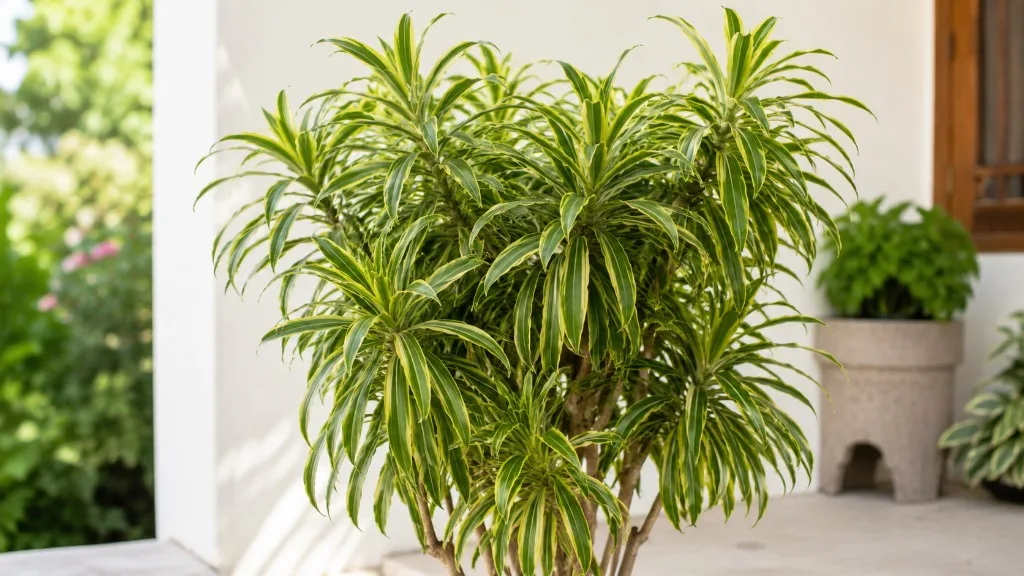
Song of India propagation from stem cuttings is one of the most practical ways to turn a single Dracaena reflexa into two or more plants - or to rescue a leggy specimen without throwing away the top growth you still like. Song of India, sometimes sold simply as variegated dracaena, grows as an upright cane with whorls of narrow green leaves edged in creamy yellow. That architecture matters: unlike plants that demand division or leaf pulls, Song of India overview restarts readily from severed stem sections that include at least one node - the slightly swollen ring on the cane where leaves attach and roots can emerge.
The home workflow is direct. Choose healthy active growth, cut a 4–6 inch (10–15 cm) section just below a node, strip lower leaves so nothing sits underwater or buried in wet mix, then root in clean water or a moist peat-perlite blend under Song of India light guide. Most cuttings root within four to eight weeks depending on warmth, light, and method. What separates a rooted new plant from a jar of mush is almost always node placement, water quality, and moisture discipline - not propagation expertise. This guide covers every decision: when to cut, how to read nodes on a cane stem, water versus soil trade-offs, fluoride-free setup, potting up, parent plant recovery, and what to do when a cutting stalls or rots.
Why Stem Cuttings Work for Dracaena reflexa
Song of India belongs to Asparagaceae, the same broad family as asparagus and many indoor dracaenas, and it behaves like a woody-stemmed tropical shrub rather than a soft herb. In its native range across Madagascar, Mozambique, and islands of the western Indian Ocean, it grows as an understory plant in warm, humid conditions with filtered light and freely draining soil. Cane segments that contact moist organic matter can regenerate adventitious roots from nodes along the stem - the same biology commercial growers exploit when producing dracaena cuttings at scale. Home propagation simply scales that down to a glass jar or a 4-inch nursery pot.
Stem cuttings outperform seed starting for Song of India because cultivated plants rarely flower indoors, and even when they do, seed progeny may not match the variegation pattern of the parent. Cuttings clone the parent genetically, preserving the yellow-margined leaf pattern people buy the plant for in the first place. Compared with air layering - a valid method for very tall canes, covered below - plain stem cuttings need fewer materials and less waiting, which makes them the default for most readers who want one or two new pots from a pruning session.
One practical note for households with pets: Song of India is toxic to cats and dogs if chewed, causing drooling, vomiting, and loss of appetite due to saponins in the leaves, according to the ASPCA. Propagation does not change that chemistry. Keep cuttings, propagation jars, and new pots out of reach, and mention toxicity when gifting plants to friends with curious animals.
Nodes, Whorls, and What Actually Roots
A node on Song of India is the slightly raised ring on the cane where a whorl of leaves emerges. Roots initiate from nodal tissue and the cambium just above or below it - not from leaf blades alone. A cutting with leaves but no node may stay green for weeks and never become an independent plant. A cutting with one or two nodes and a small whorl of leaves at the top has everything required: photosynthetic surface, stored carbohydrates in the cane, and meristematic tissue capable of producing roots and eventually a new growing tip.
Whorls are the spiral clusters of leaves circling the stem at each node. When preparing a cutting, you typically keep one or two whorls at the top and remove lower whorls to expose bare cane for submersion or burial. Two nodes submerged or buried is better insurance than one, especially on mid-stem sections taken from a leggy plant. The pale bumps you may see at the submerged end after two weeks - knobby callus-like swellings - are root initials forming; thin white roots usually follow within another two to four weeks in warm conditions.
Song of India is also sensitive to fluoride and chlorine in tap water, which accumulates in leaf tips and causes brown margins over time. That sensitivity does not stop propagation, but it does mean your rooting water should be filtered, distilled, or rainwater rather than straight from a fluoridated municipal tap. The NC State Extension Gardener Plant Toolbox specifically recommends room-temperature filtered water for Dracaena reflexa care, and the same caution applies doubly to cuttings with open wounds sitting in water for weeks.
Stem Cuttings vs. Air Layering on Tall Plants
Stem tip and mid-stem cuttings suit most propagation goals: making a new plant, shortening a specimen slightly, or harvesting material after routine pruning. If your Song of India has grown into a tall bare cane with a leafy crown four or five feet above the pot - a common indoor trajectory when lower leaves drop with age - a simple top cutting removes the pretty part and leaves an awkward stump. Air layering is the alternative when you want roots to form on the stem while the leafy section still receives water from the parent root system.
Air layering involves wounding a cane section, wrapping moist sphagnum moss around the wound, and sealing it with plastic until roots fill the moss - typically six to ten weeks. You then cut below the rooted zone and pot the top as an already-established plant. Success rates on older woodier canes are often higher than bare cuttings from the same tissue. For readers with a moderately sized plant who simply want one more pot on the windowsill, stem cuttings remain faster and simpler. Reserve air layering for the “one tall stick in a corner” scenario where losing the crown to a failed cutting would hurt.
When to Propagate Song of India
Timing for Song of India propagation is less about lunar calendars and more about metabolic activity. Dracaenas root fastest when the parent is pushing visible new whorls, ambient temperatures sit in the comfortable indoor range, and daylight supports steady photosynthesis. Taking cuttings during a stress event - immediately after shipping, mid-root-rot recovery, during an active spider mite infestation, or right after a harsh repot - stacks failure risk even when your technique is correct.
That said, Song of India is not as strictly seasonal as outdoor temperate plants. Indoor growers with stable warmth and supplemental light can root cuttings in winter, but expect slower progress and a higher rot risk if humidity is high and airflow is poor. Match your watering and patience to the slower season when you propagate off-peak.
Best Timing in Spring and Summer
Spring through early summer is the best window for Song of India propagation in most homes. Rising temperatures in the 18–27°C (65–80°F) range speed cell division at the cut surface, and lengthening days fuel the cutting without the harsh direct sun that can scorch detached leaves. If your parent plant shows fresh lighter-green growth at the stem tip in March, April, or May, that active flush is your clearest signal to proceed.
Clemson HGIC recommends propagating dracaenas by tip or stem cuttings in spring or late summer. NC State Extension lists stem cutting as the recommended propagation strategy for Dracaena reflexa. Late autumn and winter cuttings often sit unchanged for six weeks before you detect resistance - not impossible, but patience-testing. If you propagate in cooler months, use the smallest appropriate container, maximize bright indirect light, and reduce watering frequency so idle mix does not stay saturated for weeks.
Outdoor growers in frost-free climates (USDA zones 11 and 12, where Dracaena reflexa can live outside year-round) should still align with warm-season growth flushes. Bring propagation setups under cover if nights drop below about 10°C (50°F); cold cane tissue roots slowly and may collapse before anchoring.
When to Wait Instead of Cutting
A healthy parent is the silent prerequisite every propagation tutorial underplays. Before you cut, confirm the donor shows firm cane tissue, evenly colored leaves without widespread yellowing, and no sticky honeydew suggesting scale or mealybugs. Check the pot: if the mix drains within a few days after watering and new whorls appear at the tip, you are working with strong material. Weak, soft stems from chronic overwatering on Song of India or root loss can still be attempted, but they rot more often than they root because internal reserves are already depleted.
Also wait if the plant arrived in the mail within the last two weeks. Shipping stress is real on dracaenas; leaves drop, roots pause, and cuttings taken too soon compete with a parent still rehydrating. Wait if you recently moved the plant to a dramatically different light level or repotted it - give three to four weeks of stability first. And do not propagate as a first response to every problem: if pests, sour soil, or severe dehydration are active, stabilize the parent or take material only from clearly unaffected upper growth.
How to Take Song of India Stem Cuttings
Taking the cutting is the shortest step and the one most people rush. Slow down here: sterile tools, correct node placement, and right-sized sections determine everything downstream. You are harvesting living cane tissue, not trimming dead foliage - treat it like minor surgery on a plant you want to keep attractive.
Gather sharp pruning shears or scissors, 70% isopropyl alcohol or a flame for sterilization, a clean work surface, and labels if you are running water and soil batches side by side. Work where you can wipe down sap residue; dracaena sap is not as irritating as euphorbia latex, but cleanliness still reduces bacterial load at the open wound.
Selecting Healthy 4–6 Inch Sections
Choose stems that are at least 10–15 cm (4–6 inches) long with at least one node in the section you plan to root, and ideally two for insurance. The easiest material is often a terminal tip cutting - the top few inches of the plant with a fresh whorl of leaves and one or more nodes below it. Tip cuttings become attractive small plants quickly because they already include a growing point. Mid-stem cuttings from leggy bare cane also work; they may sit rootless longer before pushing a new lead shoot from an upper node, but they root reliably when nodes are submerged or buried.
Run your fingers along the cane: it should feel firm and slightly woody, not mushy or shriveled. Avoid sections with brown soft spots, mechanical crush damage from tight sleeves, or widespread leaf spotting that might indicate fungal or bacterial issues. The best material comes from the upper third of a healthy plant where tissue is mature enough to store carbohydrates but not so basal that it is slow and woody. If you are pruning primarily to control height, take the top 10–15 cm and consider whether the remaining cane is attractive or needs further reduction.
When propagating to share with others, mention pet toxicity upfront. Song of India is not a casual gift for households with cats that chew greenery, regardless of how easy the propagation was.
Clean Cuts Just Below a Node
Make one decisive cut just below a node - typically 3–5 mm (⅛–¼ inch) beneath the swollen ring. That placement concentrates vascular tissue where roots initiate. Sawing or crushing the cane with dull scissors slows healing and invites rot. One clean snip; angle slightly if you like so water sheds off a flat cut face in humidity tents, though this is a minor detail on round canes.
Strip the lowest whorl of leaves completely, and remove any additional lower foliage until you have 5–7 cm (2–3 inches) of bare cane for water submersion or soil burial. Leaves that sit underwater decay within days, clouding the jar with bacteria and slime that attack the stem base. Leaves buried in wet mix rot similarly. Upper whorls should remain above the waterline or soil surface so the cutting can photosynthesize while roots form.
Sterilize blades between cuts if you are taking multiple sections from one parent or if you previously trimmed diseased tissue. Label each cutting with date and method if you are comparing water versus soil batches. If milky or clear sap beads at the cut, blot gently and proceed - dracaenas bleed minimally compared with figs, and the wound closes quickly in warm air.
Rooting Song of India Cuttings in Water
Water propagation is the most popular Song of India propagation method because progress is visible: you watch pale root initials swell, then white roots extend, without guessing what happens underground. It works well when you follow three rules - nodes submerged, leaves above water, fluoride-free water changed weekly. Skip any of those and jars turn cloudy fast.
Use a clear glass or jar tall enough that the cutting rests against the rim without bending the leafy whorl. Add room-temperature filtered, distilled, or rainwater to cover the bare 5–7 cm (2–3 inches) of cane and at least one node, preferably two. The variegated leaves must stay entirely above the waterline. Place the jar in bright indirect light - an east window or several feet back from south glass is typical. Direct midday sun on a rootless cutting accelerates leaf desiccation.
Fluoride-Free Water Setup and Weekly Changes
Change the water every five to seven days, rinsing the jar to remove biofilm. Stale water loses oxygen and accumulates bacteria; cloudy water or a sour smell means you waited too long. Each change, inspect the submerged end: healthy tissue stays firm and pale green or cream; mushy brown tissue is rot and requires trimming back to solid cane with a sterile blade before restarting.
Within about two weeks in warm bright conditions, you may notice pale knobby bumps at the submerged nodes - root initials. Thin white or cream roots typically follow, reaching several centimeters over the next two to four weeks. Total water rooting often completes in four to six weeks, though cool dim rooms can stretch that toward eight. Healthy roots stay white; brown or slimy roots signal contamination - trim, rinse, fresh water, and warmer brighter placement.
Because Song of India is fluoride-sensitive, avoid rooting in untreated tap water if your municipality fluoridates. Fluoride accumulates in tissue over time; on a cutting with an open wound soaking for weeks, it can stress the plant before roots even form. Bottled distilled water is inexpensive insurance for propagation jars. Letting tap water sit overnight removes chlorine but not fluoride - a common misconception worth correcting before your cutting sits in the wrong water for a month.
Rooting Song of India Cuttings in Soil
Soil propagation skips the water-to-soil transition shock and often produces tougher roots adapted to mix from the start. The trade-off is invisible progress and a slightly longer typical timeline - six to eight weeks before a confident tug test. Many experienced growers who want long-term houseplants default to soil, using water propagation mainly for demos or when they want to verify that nodes are alive before committing mix.
Choose a small pot - 10 cm (4 inches) - with a drainage hole. Small volumes dry faster, protecting idle cuttings from sitting in wet mix before roots exist. Terracotta works well for single cuttings because it breathes.
Peat-Perlite Mix and Humidity Tent
Song of India prefers moist but well-drained mix, not heavy wet peat that suffocates cane bases. A proven propagation blend:
- 50% peat moss or quality potting compost
- 50% perlite or coarse pumice
Pre-moisten until the mix holds together when squeezed but does not drip - lightly damp throughout, not wet. Poke a pilot hole with a pencil, dip the cut end lightly in rooting hormone powder if you have it (optional but helpful on slow winter batches), and insert the bare cane 5–7 cm (2–3 inches) deep so at least one node sits below the surface. Firm lightly without compacting.
Cover the pot with a clear plastic bag to raise humidity around the leaves while roots form - a simple humidity tent. Prop the bag on stakes or chopsticks so it does not crush foliage. Place in bright indirect light. Open the bag for about an hour once a week to exchange stale air; sealed humidity without ventilation invites fungal leaf spots.
Water only when the top 2–3 cm (1 inch) of mix feels dry to touch - often once every five to ten days initially. The goal is consistent light moisture at depth without saturation. A dry cutting with no roots cannot drink heavily; an overwatered cutting with no roots rots.
Gentle Tug Test and Rooting Timeline
After six weeks, test very gently with two fingers at the cane base - a slight resistance suggests roots anchoring. Aggressive tugging breaks fragile new roots and resets progress. Alternatively, watch for new growth at the top - a fresh whorl or visible lengthening of the tip - which often appears before you feel resistance and is equally valid confirmation.
If neither resistance nor top growth appears by eight to ten weeks in warm spring conditions, unpot carefully and inspect. White roots mean success with slow top growth; brown mushy cane means restart with a fresh cut and drier mix. Winter timelines extend; do not declare failure at week six in a cool room.
Moving Water-Rooted Cuttings Into Soil
The transition from water to soil is the fragile window where many Song of India propagations fail. Water roots are structurally different from soil roots - thinner, more brittle, adapted to oxygen-rich water rather than mix contact. They work, but the first two to three weeks after potting demand softer treatment than a soil-started plant.
When water roots reach 5–8 cm (2–3 inches), pot into the same peat-perlite blend in a 10 cm (4-inch) container. Water thoroughly once so mix settles around roots, then let the top dry slightly before the next drink. Keep bright indirect light; avoid fertilizer until new growth hardens. One or two older leaves may yellow during adjustment as the plant reallocates energy - not automatically failure if the tip stays firm and new whorls eventually emerge.
Do not jump straight to a large decorative pot. An oversized container holds excess wet mix around a tiny root mass and invites rot. Upsize one pot size at a time as roots colonize the volume over the next two to four months. If roots are sparse, you may gently trim excessively long water roots by one-third with sterile scissors to fit the pot without coiling - controversial among purists, but practical when a jar produced twelve centimeters of fragile root thread.
Aftercare for Newly Propagated Song of India
A newly rooted Song of India is not a mature statement plant yet - it is a young specimen with a limited root system and narrow moisture tolerance. Treat the first four to eight weeks after confirmed rooting as stabilization. Light stays bright indirect; acclimate gradually to slightly brighter exposure only after the plant produces a second wave of new whorls.
Water when the top 3–5 cm (1–2 inches) of mix approaches dry, matching how you would treat a small purchased dracaena rather than a drought-tolerant succulent. Song of India prefers steady moisture without waterlogging; a cutting with young roots dries faster than a mature pot-bound plant but still rots if the mix stays soggy for days. Use filtered water ongoing if fluoride tip burn has been an issue on your parent.
Fertilizer is unnecessary until active new whorls appear and roots clearly support them - typically wait six to eight weeks after potting. Then a quarter-strength balanced liquid feed once monthly during spring and summer is sufficient. Humidity near 40–60% suits most homes without special equipment. If air is very dry, a pebble tray adds ambient moisture without wetting the cane base.
Quarantine new propagations from your main collection for two weeks if pests ever troubled the parent. Mealybugs and scale hide along leaf axils and transfer silently on cuttings. When the plant fills its starter pot - roots visible at drainage holes or top growth accelerating - move up one pot size with fresh well-draining mix, not a leap to a heavy decorative container.
What Happens to the Parent Plant After Cutting
Removing a terminal cutting does not kill the parent - Dracaena reflexa commonly responds by activating dormant buds below the cut. Within four to eight weeks, you often see one or more new shoots emerging from the cane just beneath where you snipped, sometimes multiple branches that make the parent bushier than before. That branching response is one reason growers propagate during spring pruning: you shorten leggy height and encourage a fuller base in one session.
If the parent cane is tall and bare below the cut, aesthetics may still disappoint until new shoots lengthen. You can shorten the remaining stump to a height where you would like branching to occur, always cutting just above a node so the plant has a clear regrowth point. Do not leave a bare cane with no leaves and no imminent buds on the lowest foot unless you are willing to wait months for activation - very old basal tissue can be slow.
Continue normal care on the parent: bright indirect light, filtered water, and watering when the top of the mix dries. Avoid fertilizing heavily immediately after pruning; let regrowth establish first. If no buds break after eight weeks in warm conditions, scratch gently at a node with a fingernail - green tissue beneath the bark means the cane is alive and waiting; brown dry tissue suggests the remaining stump may not recover and should be reduced further to live wood or discarded.
Troubleshooting Rot, Shrivel, and Slow Rooting
Even an easy propagator fails when basic rules stack wrong. Most Song of India propagation problems trace to moisture at the wrong time, poor water quality, or weak parent material - not mysterious bad luck.
Mushy brown submerged end in water almost always means submerged leaves rotted, water sat too long, or the cut was bruised. Remove the cutting, slice back to firm cream-green cane with sterile shears, strip leaves again, and restart in a clean jar with fresh filtered water. Discard segments that are soft throughout.
Cloudy smelly water within days signals bacterial overload - usually decaying leaf tissue or a dirty jar. Change water immediately, rinse the stem, and verify no foliage touches the waterline.
Shriveling leaves while the cane stays firm on a water cutting often means insufficient light or low humidity, not necessarily failure. Move brighter (still indirect), refresh water, and wait. If the cane itself wrinkles, the cutting lacks reserves - warmer placement or a switch to lightly moist soil may rescue it.
No roots after eight to ten weeks in a warm bright room suggests cold damage, inadequate nodes submerged, or chronic fluoride stress. Re-cut the base fresh, confirm two nodes are underwater or buried, and switch media if one method stalled repeatedly.
Yellow leaves after soil potting from water is common during transition. Remove yellow leaves cleanly; keep moisture moderate; wait for new top growth before fertilizing.
Propagating from an overwatered parent spreads weak tissue. Fix parent drainage and root health first, then take cuttings only from firm upper cane.
Pest transfer shows up weeks later as cottony mealybugs in leaf axils. Inspect parents before cutting; wipe cuttings with diluted isopropyl on a cotton swab if you see suspects, or treat the parent and wait before propagating.
Conclusion
Song of India propagation from stem cuttings rewards a methodical start more than a lucky one. Identify nodes on the cane, take a 4–6 inch healthy section with a clean cut just below a node, strip lower whorls, and root in fluoride-free water or a peat-perlite mix under bright indirect light. Water roots often appear in four to six weeks; soil roots in six to eight. Spring and early summer give the fastest results, but firm material and correct moisture matter more than the calendar.
If you remember only three rules, make them these: never let leaves sit underwater or in wet buried mix, use filtered water for dracaena cuttings, and confirm at least one node is in the rooting zone. Get those right and Dracaena reflexa becomes one of the more straightforward tropical houseplants to multiply - a second pot for another room, a fuller parent cane after tip pruning, or a rooted gift you can explain with confidence rather than hope.
When to use this page vs other Song of India guides
- Song of India overview - Start here for whole-plant context before deep-diving this topic.
- Song of India problems hub - Jump to symptom-specific fix guides when this care topic does not resolve the issue.