Schefflera Repotting: When, How, and Mistakes
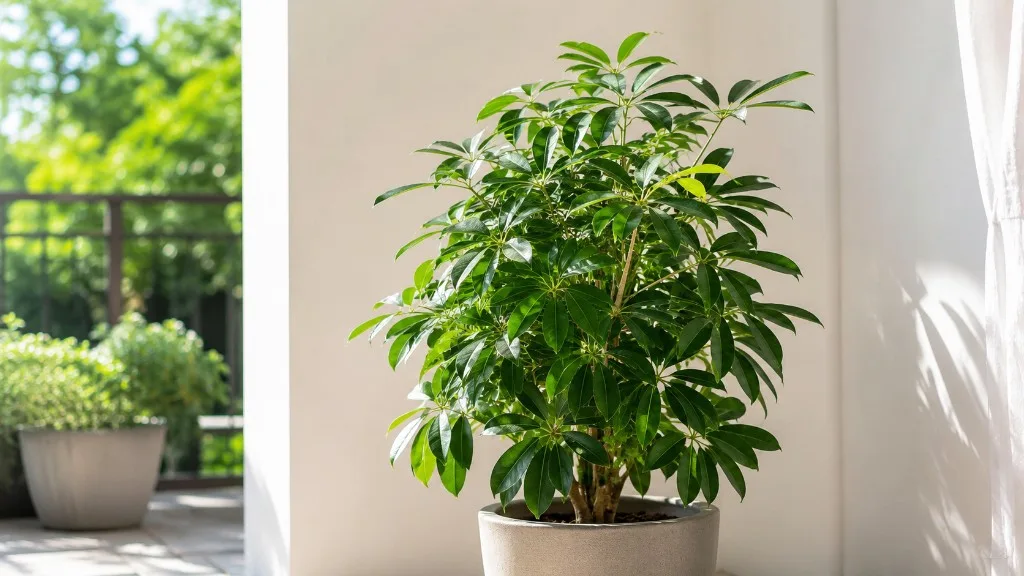
Schefflera Repotting: When, How, and Mistakes
Schefflera Repotting: When, How, and Mistakes
A Schefflera that has outgrown its pot does not always announce the problem with dramatic wilting. More often, the clues are quieter: water races through the drainage hole in seconds, new leaves arrive smaller than the old ones, or the whole plant wobbles because roots have consumed every inch of soil. Schefflera repotting is the process of moving your umbrella plant into a slightly larger container with fresh, well-draining mix - and doing it at the right moment, with the right pot size, so you refresh the root zone without triggering weeks of leaf drop. Whether you grow the compact Schefflera arboricola or the towering Schefflera actinophylla, the repotting logic is the same even though the pots and stability needs differ. This guide walks through every decision from the first root inspection to the four-week recovery window, so you can repot once and get it right.
Why Repotting Schefflera Resets the Root Zone
In its native range across Taiwan, Hainan, northern Queensland, and other Pacific regions, Schefflera grows as a rainforest understory tree with roots that spread through loose, organic, fast-draining forest floor. Indoor life compresses that environment into a fixed pot where soil structure breaks down over time, minerals accumulate from tap water and fertilizer, and roots eventually circle the container wall in tight spirals. Repotting solves three problems at once: it gives roots physical room to grow, it replaces depleted mix with fresh material that holds air and moisture in balance, and it gives you a rare chance to inspect the root system for rot, pests, or compaction before damage reaches the foliage.
The mistake many growers make is treating repotting as a calendar event - something you do every January regardless of how the plant looks. Schefflera does not need a new pot on a fixed schedule if the root ball is still healthy and the soil drains well. A plant that is slightly root-bound can actually grow steadily for years, which is why experienced growers sometimes delay repotting on purpose to keep a large umbrella tree from outgrowing its space. The goal is not to repot often. The goal is to repot when the root zone can no longer support the plant’s current growth, and to do it in a way that minimizes the disruption Schefflera experiences when its roots are disturbed.
Fresh soil also resets your Schefflera watering guide, which matters more than most people realize. Old, compacted mix holds water differently than new airy mix, so your finger-test timing will shift after a repot. A plant moved into properly structured soil may need water less frequently at first because the new mix retains moisture more evenly through the root ball, not because the plant needs less hydration overall. Understanding that reset helps you avoid the most common post-repot failure: watering on the old schedule and drowning roots that are still recovering from transplant shock.
Understanding Your Schefflera Species Before Repotting
Both common indoor Schefflera species belong to the Araliaceae family and share the same basic repotting principles - well-draining mix, one pot size up, spring timing - but their size and growth rate change the practical details. Knowing which species you have prevents you from putting a fifteen-foot tree in a pot that tips over or repotting a dwarf cultivar more often than it needs.
Schefflera arboricola Growth Habits
Schefflera arboricola, the dwarf umbrella tree, is the species most often sold as a tabletop or floor houseplant. Indoors it typically reaches 4 to 6 feet tall with a bushy, multi-stemmed habit and glossy palmate leaves that may show cream or yellow variegation on cultivars like ‘Gold Capella.’ Arboricola grows moderately fast in Schefflera light guide and usually needs repotting every two to three years, though vigorous plants in ideal conditions may need attention sooner. Because the root mass stays relatively compact, a standard plastic or ceramic pot with drainage holes and a stable base is usually sufficient. Arboricola tolerates being slightly pot-bound better than many houseplants, which is why some growers repot only when clear symptoms appear rather than on a strict timeline.
Schefflera actinophylla Growth Habits
Schefflera actinophylla, the Australian umbrella tree or octopus tree, is a different scale of plant indoors. It can reach up to 15 feet tall in a bright room with a large enough container, with fewer but larger leaf clusters at the ends of woody stems. Actinophylla’s root system grows proportionally larger and faster, and the top-heavy canopy makes pot stability a serious consideration during repotting. Choose a heavy container - thick ceramic or terra-cotta - that will not tip when the plant leans toward the window. Actinophylla may need repotting every one to two years when young and actively growing, though you can slow its size increase by allowing mild root-binding and extending the interval between repots. If you want to keep a large actinophylla manageable indoors, strategic under-potting combined with regular pruning is a valid approach, but only when the plant still drains well and produces healthy new growth.
Signs Your Umbrella Plant Needs a New Pot
Repotting is a stress event, so the first question is always whether your umbrella plant actually needs it. A healthy Schefflera in adequate soil should produce firm new leaves, hold its foliage without chronic yellowing, and dry out on a predictable schedule between waterings. When those patterns break and the cause traces back to the container rather than light, pests, or watering errors, it is time to plan a repot.
Root-Bound and Drainage Problems
The clearest sign of a root-bound Schefflera is roots visible at the drainage holes or circling tightly when you slide the plant out for inspection. You may also notice that water runs straight through the pot without soaking in, because the root mat has displaced most of the soil. Growth stalls even when light and feeding are appropriate, and new leaves may emerge smaller or on shorter petioles than older foliage. The plant can become top-heavy and unstable, rocking in the pot because roots no longer anchor it in soil. If you see two or more of these symptoms together during the active growing season, a repot is warranted. A single symptom alone - like one root tip at a drainage hole on an otherwise vigorous plant - is worth monitoring but not an automatic trigger.
When Compacted Soil Is the Real Issue
Sometimes the roots are not the problem; the soil is. Peat-based mixes break down over one to two years, losing the air pockets roots need. Compacted soil dries in odd patterns - wet at the bottom, dusty on top - and may develop a white salt crust on the surface from fertilizer and hard water. A sour or swampy smell when you lift the plant indicates anaerobic conditions that can precede root rot on Schefflera. In these cases, repotting refreshes the growing medium even if the roots have not yet filled the pot. If the plant is otherwise healthy and it is late in the growing season, top-dressing - removing the top inch or two of old soil and replacing it with fresh mix - can buy time until spring. Full repotting is the better fix when compaction extends through the root ball or when you smell decay near the base of the stems.
Best Time to Repot Schefflera
Timing determines how quickly your Schefflera recovers after its roots are disturbed. The plant’s natural growth cycle follows the light and temperature patterns of your home, and working with that cycle rather than against it is the single easiest way to reduce transplant shock.
Spring and Early Summer Window
Early spring through early summer is the ideal repotting window for Schefflera. As daylight lengthens and temperatures climb above roughly 60°F (15°C), the plant shifts into active growth and can produce new roots within days of being moved. Spring repotting aligns with the period when umbrella plants are best equipped to fill fresh soil with roots before the slower growth of fall and winter - Missouri Botanical Garden notes that watering frequency drops from fall through late winter as growth slows, making the warm-season window the safest time for root disturbance. Schedule your repot for a week when you can keep the plant in stable bright indirect light and avoid any other major changes - no simultaneous move to a new room, no pruning marathon, no fertilizer push. One stress at a time gives Schefflera the best recovery odds.
If you purchase a new Schefflera from a nursery, repotting shortly after bringing it home is reasonable even outside peak spring, because nursery soil is often peat-heavy and optimized for greenhouse watering schedules that do not match home conditions. Acclimate the plant for one to two weeks first, then repot into your preferred well-draining mix so you establish a baseline you can manage long term.
Emergency Winter Repotting
Avoid winter repotting unless the situation is urgent. A Schefflera sitting in soggy, rotting soil or so severely root-bound that it cannot take up water needs intervention regardless of season, because leaving it in place is worse than the stress of repotting. Emergency winter repotting should be minimal: same-size or only slightly larger pot, minimal root disturbance, no fertilizer for at least a month, and extra caution with watering since the plant will not grow new roots quickly in low light. If the issue is mild root-binding without decline, wait until spring. Your plant will thank you for the patience, and you will likely lose fewer leaves in the process.
Choosing the Right Pot Size and Type
The new pot is not just a decorative upgrade. It directly controls how much moisture sits around the roots between waterings, which is why pot selection is one of the highest-stakes decisions in the entire repotting process.
The One-Size-Up Rule
Move up only one pot size - approximately 1 to 2 inches (2.5 to 5 cm) wider in diameter than the current container. A Schefflera in an 8-inch pot belongs in a 10-inch pot, not a 12-inch one. The reason is straightforward: excess soil volume holds water that a small root system cannot absorb quickly, keeping the root zone wet for days and creating ideal conditions for root rot. Schefflera’s roots need to explore new soil before the mix dries at the same rate as in the old pot, and that exploration takes weeks. Until the roots fill the new space, water more conservatively than you might expect. Every pot must have a drainage hole; decorative cachepots without holes are display-only and should never be the primary growing container.
For Schefflera actinophylla, prioritize a heavy, wide-based pot that resists tipping. Tall umbrella trees with narrow nursery pots are accidents waiting to happen after repotting into a slightly larger but still top-heavy setup. Terra-cotta breathes well and dries faster than glazed ceramic, which can help prevent overwatering on Schefflera in the weeks after repotting, though it also means more frequent checking in hot, dry rooms. Plastic nursery pots are lightweight and fine for arboricola, especially if you place them inside a heavier decorative cover.
Preparing the Perfect Repotting Mix
Schefflera needs moist, well-draining, loamy soil with a slightly acidic pH around 5.5 to 6.5, matching the forest-floor conditions of its native habitat. Missouri Botanical Garden recommends a peaty well-drained soil mix for container schefflera indoors. A reliable all-purpose blend is three parts quality peat-based or coco coir potting soil, one part perlite, and one part coarse orchid bark or pine bark fines. The perlite and bark keep the structure open so fine Schefflera roots get oxygen, while the potting soil base supplies organic matter and nutrients.
Avoid garden soil, heavy compost, or vegetable-specific mixes that compact when watered repeatedly indoors. Do not add rocks or gravel at the bottom of the pot; that layer does not improve drainage and instead creates a perched water table that keeps the lower root zone wetter than the soil above. If you prefer a store-bought option, any well-labeled indoor potting mix for tropical foliage plants amended with extra perlite at roughly twenty percent by volume works well. Prepare enough mix to fill the new pot with room to settle, and moisten it slightly before use so dry peat does not pull moisture away from the roots during the first watering after repotting.
How to Repot Schefflera Step by Step
With timing, pot, and mix decided, the physical repot should take twenty to thirty minutes. Work on a surface you can wipe clean, because Schefflera sap can irritate skin and the plant is toxic to pets if ingested - the ASPCA lists Schefflera species as toxic to cats and dogs due to calcium oxalate crystals. Wear gloves, keep the plant away from curious pets during the process, and wash your hands afterward.
Removing the Plant Safely
Water your Schefflera thoroughly the day before repotting so the root ball holds together and slides out cleanly. On repot day, hold the main stems near the base with one hand and tip the pot with the other, tapping the rim against your work surface. If the plant does not release, run a butter knife around the inside rim to break the soil-pot seal. Never yank the plant by its stems; that damages the vascular tissue and can snap roots where they enter the crown. Once free, set the root ball on your work surface and brush away loose old soil from the top and sides without stripping the entire root mass.
Teasing Roots and Trimming Damage
Inspect the exposed roots before placing the plant in its new home. Healthy Schefflera roots are white to light tan, firm, and flexible. Gently tease apart circling roots on the bottom third and outer edges of the root ball using your fingers or a chopstick. You want to redirect growth outward into fresh soil, not leave a solid disk of roots that continues circling in the new pot. Trim only roots that are black, brown, mushy, or foul-smelling using clean, sharp scissors sterilized with rubbing alcohol. Do not bare-root the plant or wash away all old soil; the fine root hairs attached to the existing soil matrix absorb water and the sudden loss shocks Schefflera severely. If you discover extensive rot, trim affected tissue back to healthy white root, dust cuts with cinnamon if you wish, and consider repotting into the same size pot with entirely fresh mix rather than sizing up.
Add a layer of fresh mix to the bottom of the new pot, position the plant so the crown sits at the same depth it was in the old container - never bury stems deeper than before - and fill around the sides with mix. Tap the pot gently or use a chopstick to settle soil into gaps without compacting it into a brick. Water lightly until a small amount drains from the bottom, then stop. The goal is to moisten the new mix and eliminate large air pockets, not to saturate the entire root zone on day one.
Aftercare and Recovery Timeline
The first one to two weeks after repotting are an acclimation period, not business as usual. Mild wilting, a brief pause in new growth, or the loss of a few older lower leaves is normal transplant shock and usually resolves without intervention if you keep conditions stable. Place the Schefflera in bright indirect light - the same spot it thrived in before, if possible - and avoid direct sun hitting stressed leaves. Direct sunlight on a recovering root system accelerates water loss through foliage that roots cannot yet replace efficiently.
Water conservatively during recovery. Check the top 2 inches of soil and water only when they feel dry, letting excess drain fully and emptying the saucer. Do not fertilize for two to four weeks after repotting; fresh potting mix contains enough nutrients for initial root growth, and fertilizer salts can burn tender new root tips. By weeks three to four, you should see signs of recovery: firmer leaf texture, resumed growth at stem tips, or new leaflets unfurling. Full root establishment into the new pot typically takes four to six weeks in spring conditions. Damaged leaves will not green up again, so judge success by new growth, not by old blemishes.
If wilting persists beyond two to three weeks, yellowing spreads to newer leaves, or the soil smells sour again, investigate pot size and watering before adjusting light or feeding. An oversized pot combined with heavy watering is the most common cause of failed repot recovery on Schefflera.
Common Repotting Mistakes to Avoid
The same errors appear repeatedly across Schefflera repotting threads and care guides, and they all produce the same outcome: a plant that sits wilted for a month and drops half its foliage. Jumping two or more pot sizes is the leading mistake. More soil means more retained moisture around a root system that has not grown into it yet, and Schefflera’s tolerance for brief dry spells does not protect it from chronic wet roots. Stick to the one-size-up rule even if it feels like you will be repotting again soon; frequent small upgrades are safer than one dramatic jump.
Bare-rooting or aggressively washing roots strips the fine absorbent hairs Schefflera needs to take up water immediately after the move. Tease circling roots on the outer layer and leave the interior root ball intact. Fertilizing too soon after repotting burns new roots and can tip a mildly shocked plant into decline. Repotting a sick plant for non-root reasons - like yellow leaves from overwatering in the current pot - doubles the stress without fixing the actual problem. Fix the watering or light issue first, then repot if the soil or roots still need attention.
Using a pot without drainage holes is a long-term root-rot setup regardless of how carefully you water. Repotting during peak winter dormancy for routine size upgrades adds weeks of unnecessary recovery time. And ignoring sap safety - skipping gloves and then rubbing your eyes - turns a simple repot into an uncomfortable afternoon. Treat Schefflera with the same caution you would any calcium-oxalate-containing houseplant around pets and children.
Conclusion
Schefflera repotting succeeds when you match the intervention to a real root-zone problem, move the plant in spring with only one pot size up, and give it a month of gentle watering without fertilizer afterward. Check for root-bound symptoms and soil breakdown before you decide - not every struggling umbrella plant needs a new pot, and not every healthy one needs an annual upgrade. Know whether you are growing arboricola or actinophylla so your container choice accounts for stability as well as drainage. Use a well-structured mix with perlite and bark, tease circling roots without bare-rooting, and judge recovery by new growth at the stem tips rather than by leaves that were already aging before the repot. When those pieces line up, Schefflera settles into its new container within a few weeks and returns to the steady, glossy foliage that makes it one of the most forgiving tropical trees in indoor gardening.
When to use this page vs other Schefflera guides
- Schefflera overview - Start here for whole-plant context before deep-diving this topic.
- Schefflera problems hub - Jump to symptom-specific fix guides when this care topic does not resolve the issue.
- Root Rot on Schefflera - Escalate here when repotting adjustments are not enough.
Related Schefflera guides
- Schefflera overview
- Schefflera watering
- Schefflera light
- Schefflera soil
- Schefflera propagation
- Schefflera fertilizer
- Root Rot on Schefflera
- Schefflera problems
Related tool
Try the Pot Size Calculator with schefflera pre-selected to estimate needs for your setup.