Rubber Plant Repotting: When, How, and Mistakes to Avoid
Rubber Plant Repotting: When, How, and Mistakes to Avoid
Rubber Plant Repotting: When, How, and Mistakes to Avoid
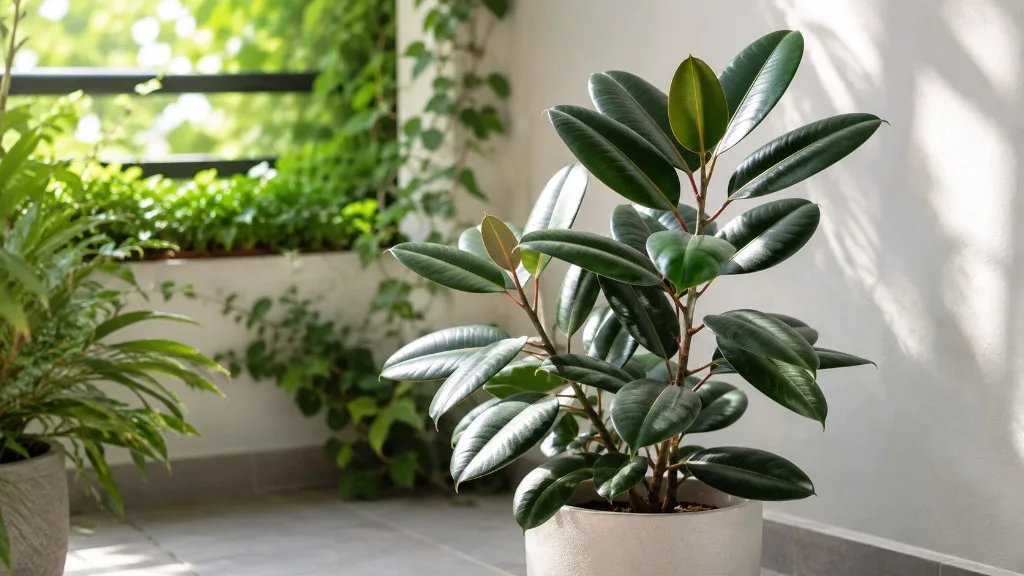
A rubber plant (Ficus elastica) can look perfectly healthy above the soil while its roots are circling, compacting, and quietly limiting everything the plant does next. Rubber plant repotting is not a cosmetic chore - it is the moment you reset the root zone, refresh depleted mix, and give a tree-like indoor plant the space it needs to keep producing those large glossy leaves. Done at the right time with the right pot and soil, repotting is routine. Done at the wrong time, in an oversized container, or with a mix that holds too much water, it becomes the reason your rubber plant drops leaves for weeks.
The good news is that Ficus elastica is forgiving relative to many finicky houseplants, provided you respect a few non-negotiables: one pot size up, excellent drainage, minimal root disturbance, and a recovery window where you do not pile on fertilizer or heavy watering. The sections below walk through when to repot, what to use, how to do it step by step, and the mistakes that turn a simple transplant into a month-long recovery project.
Why Repotting Matters for Rubber Plant (Ficus elastica)
Rubber plants are moderate to fast growers indoors, typically reaching 4–10 feet tall with 8–12 inch glossy oval leaves when conditions are right. That growth rate means the root system expands steadily, and the potting mix breaks down over time - losing the air pockets roots need and holding water differently than it did when fresh. Repotting addresses three separate problems at once: physical crowding (roots with nowhere to go), structural collapse of old mix (compaction and reduced drainage), and nutrient depletion (salts and organic matter used up over one to three years of watering and feeding).
Unlike some houseplants that sulk for months after any root disturbance, rubber plants generally recover within a few weeks when repotted during active growth. They are native to South and Southeast Asia, where warm, bright conditions support continuous root activity for much of the year. Indoors, that translates to spring and early summer as the safest repotting window, when the plant has the energy to rebuild fine root hairs quickly. Skipping repotting when the plant clearly needs it leads to a different set of problems: water running straight through a root ball without absorbing, chronic drought stress despite regular watering, and stunted new leaves that emerge smaller and farther apart than older growth.
Repotting is also your best opportunity to inspect root health. Rubber plants are susceptible to root rot on Rubber Plant when kept in dense, slow-draining mix or oversized pots where wet soil surrounds a small root mass. Lifting the plant, examining what is firm and white versus soft and brown, and trimming damage before it spreads can save a plant that would otherwise decline leaf by leaf with no obvious pest or light explanation.
When to Repot a Rubber Plant
The short answer most guides give - repot every two to three years - is a reasonable starting point but not a calendar law. A young rubber plant in a six-inch pot growing actively under Rubber Plant light guide may need repotting every one to two years. A mature plant in a large container that has slowed to maintenance growth may go two to three years between full repots, supplemented by annual top-dressing. The plant tells you when it is ready through root and growth signals, not through a date on your phone.
Signs Your Rubber Plant Is Root-Bound
Root-bound means the root system has filled the available space and begun circling the pot wall or escaping through drainage holes. Rubber plants tolerate being slightly pot-bound better than many tropicals - tight roots can even support a stable, upright tree form - but severe binding creates real problems. Watch for these signs together, not in isolation, because any one symptom can have other causes.
Roots visible at drainage holes or pushing up through the soil surface are the most obvious cue. If you slip the plant out of its pot and see a dense mat of roots with little visible mix, it is time. Slowed or stalled growth during what should be the active season - spring and summer - despite adequate light and regular feeding suggests the root zone cannot support more top growth. Water running straight through the pot without the mix absorbing it usually means the root ball is so compacted that water channels around it rather than soaking in. The plant becoming top-heavy and tipping easily, or needing watering much more frequently than it used to (because the root mass displaces soil that would hold moisture), are additional practical indicators.
Two or more of these signs appearing together during active growth is a strong case for repotting. A single yellow leaf or one slow week is not.
Best Time of Year for Repotting
Early spring through early summer is the ideal window for rubber plant repotting in most temperate-climate homes. As daylight lengthens and temperatures stabilize, Ficus elastica enters its most active growth phase and can regenerate damaged root tips quickly, as Clemson Cooperative Extension notes for active-season repotting. Late winter repotting works in warm homes where the plant is already pushing new leaves, but avoid repotting in late fall and winter unless you have an emergency such as confirmed root rot or a plant so root-bound that normal watering is impossible.
If you must repot off-season, keep the plant in a warm room (65–85°F / 18–29°C), maintain bright indirect light, and accept a longer recovery period. Do not repot and simultaneously move the plant to a new room, change its light dramatically, or start a new feeding program - one stress at a time is enough.
How Often Rubber Plants Need Repotting
Frequency depends on age, growth rate, pot size, and environment. A practical framework:
Young plants (first three to five years): Repot every one to two years as the root system and canopy expand together. These plants often double their footprint quickly in good light.
Established mature plants: Repot every two to three years, or when signs of binding or mix breakdown appear. Many large rubber trees spend years in the same pot with annual top-dressing replacing the strategy of full repotting.
Fast growers in small pots: A rubber plant in a four-inch starter pot may need repotting within twelve months. One already in a fourteen-inch container may not need a larger pot for several years - only fresh mix via top-dressing or a same-size repot with root pruning.
Rubber plants do not need annual repotting as a rule, and repotting more often than necessary adds stress without benefit. If the plant is growing vigorously, the mix drains well, and roots are not circling, leave it alone. The goal is to repot when the root zone becomes the limiting factor, not on a fixed schedule.
Choosing the Right Pot Size
The single most important pot-sizing rule for rubber plant repotting: go up only one size - approximately 2–5 cm (1–2 inches) wider in diameter than the current pot. A rubber plant in an eight-inch pot moves to a ten-inch pot, not a twelve-inch or fourteen-inch one. This rule exists because excess soil volume holds moisture the root system cannot use, creating a wet outer ring where root rot develops while the inner root ball stays relatively dry.
Depth matters less than width for most rubber plants, which tend to spread roots outward rather than deep. Match the new pot’s depth roughly to the old one unless the plant is specifically top-heavy and needs a slightly deeper anchor. Never choose a pot without a drainage hole for long-term indoor care. Decorative cachepots are fine as outer shells, but the plant itself should live in a container that lets water exit freely.
Drainage Holes and Pot Material
Terracotta breathes and dries faster - useful if you tend to overwater or use a slightly heavier mix. Plastic retains moisture longer and weighs less, which matters for large specimens you may need to move. Glazed ceramic sits between the two. All three work; what matters is the hole at the bottom and your watering habits matching the material.
Cover the drainage hole with a small piece of mesh or a coffee filter to prevent mix from washing out, but do not add a layer of gravel or stones at the bottom. That old practice does not improve drainage and can create a perched water table that keeps the lower root zone wetter than the rest of the pot - exactly what you are trying to avoid with a Ficus.
Best Soil Mix for Repotting Rubber Plant
Rubber plants need well-draining, moderately fertile potting mix with enough structure to stay airy after repeated watering. Dense, peat-heavy indoor mixes that work for moisture-loving plants are a poor fit - they compact over time and stay wet too long around Ficus roots. The ideal pH range is 5.5–7.0, which most quality peat-free or peat-based potting composts already provide without amendment.
A reliable repotting mix for rubber plant:
- 60% standard peat-free potting compost (or high-quality indoor potting mix)
- 20–25% perlite or pumice for aeration
- 15–20% orchid bark, pine bark fines, or coco chips for structure
This blend drains quickly, holds enough moisture for roots to access between waterings, and resists compaction longer than straight potting soil. If you are repotting because of root rot, err on the chunkier side - increase perlite and bark proportionally and ensure the new pot is not oversized. Do not reuse old mix from the previous pot; it may carry pathogens, salt buildup, or broken-down structure that caused the original problem.
Tools and Materials You Need
Before you start, gather everything so the plant is not sitting bare-root on the counter while you hunt for supplies. You will need: the new pot (one size up, with drainage), fresh potting mix (pre-moistened slightly so it is workable), a hand trowel, clean sharp scissors or pruning shears ( sterilized with rubbing alcohol if you are trimming rot), gloves (latex sap irritates skin), optional newspaper or a tarp for the work surface, and a chopstick or pencil for settling mix around roots. Have a watering can ready for the first light watering after repotting.
If the plant is large, a second person helps stabilize the trunk while you work the pot off the root ball. For heavy specimens, repot in place rather than carrying a saturated plant across the house.
Step-by-Step: How to Repot a Rubber Plant
Water lightly one to two days before repotting. Moist (not soggy) soil helps the root ball hold together when you slide the plant out. Dry soil crumbles and damages fine roots; soaking wet soil is heavy and messy.
Prepare the new pot. Add enough pre-moistened mix to the bottom so the top of the root ball will sit at the same depth it occupied before - usually ½ to 1 inch below the rim to leave room for watering without overflow.
Remove the plant from its current pot. Tip the pot on its side. Squeeze flexible plastic pots to loosen; for rigid pots, run a knife gently around the inner edge. Grasp the base of the trunk, not the leaves, and ease the root ball out. Never yank the stem.
Inspect and loosen the root ball. Tease circling roots at the bottom and sides with your fingers. Remove the outer 10–20% of compacted mix without bare-rooting the entire plant - keep the core intact. Trim any black, mushy, or foul-smelling roots with sterilized shears, cutting back to firm white or tan tissue.
Place the plant in the new pot. Center it and check depth. The point where the trunk meets the roots (the root flare) should sit at the same level as before - not buried deeper. Fill around the sides with fresh mix in stages, gently tapping the pot or using a chopstick to eliminate large air pockets without compacting the mix into concrete.
Water lightly. Give enough water to settle the mix around the roots, then stop. You want moisture, not saturation, in the first week. Empty any saucer after thirty minutes.
Place in bright, indirect light. Avoid direct sun on a freshly repotted rubber plant for at least one to two weeks. Keep the room warm and stable. Do not fertilize for four to six weeks while new root hairs establish.
Handling Latex Sap Safely
Rubber plants bleed a milky latex sap when stems or roots are cut. It is irritating to skin and eyes and can cause contact dermatitis in sensitive people. The ASPCA lists Ficus species as toxic to cats and dogs, with ingestion causing gastrointestinal upset. Wear gloves during repotting, especially if you are trimming roots or accidentally snap a stem. Wash tools and hands promptly. Keep pets and children away from the work area until cleanup is complete. If sap contacts skin, wash with soap and water; if it gets in eyes, flush with water and seek medical advice if irritation persists.
Root Inspection and Trimming
Healthy rubber plant roots are firm, white, tan, or light brown and smell like earth. Unhealthy roots are dark brown to black, soft, mushy, or slimy, often with a sour or rotten odor. Clemson HGIC notes that root rot usually results from soil that does not drain quickly or from overly frequent watering. During repotting, you are looking for the ratio of healthy to damaged tissue and acting accordingly.
For routine repotting with healthy roots, tease circling roots outward and trim only the tightest mat at the bottom if it is impenetrably dense. For root rot recovery, remove all compromised tissue - even if that means reducing the root mass significantly - and repot into fresh, chunkier mix in a pot sized to the remaining roots (which may be the same size or even one size smaller than the old pot). A root-pruned plant needs lighter watering afterward because fewer roots can uptake water; adjust expectations for recovery time accordingly.
Do not bare-root the entire plant and wash every particle of old soil away unless you are treating severe rot or pest infestation in the root zone. Stripping all old mix removes beneficial mycorrhizal associations and fine root hairs that the plant needs to function immediately after repotting.
Aftercare: Water, Light, and Fertilizer
The first two to three weeks after repotting define whether your rubber plant bounces back quickly or struggles. Watering should be cautious - let the top inch or two of fresh mix approach dry before watering again, and always check with your finger rather than a calendar. Fresh mix often dries on a different schedule than the old compacted ball did, and overwatering on Rubber Plant a recovering root system is the most common post-repot mistake.
Light should be bright and indirect, consistent with what the plant had before repotting. Do not interpret transplant stress as a need for more light or less light unless you have a separate reason to adjust. Avoid moving the plant between rooms during recovery.
Fertilizer: Hold off for at least four to six weeks. Fresh potting mix usually contains enough starter nutrition for initial recovery, and feeding while roots are regenerating can burn tender new tissue. Resume at quarter to half strength of your normal balanced houseplant fertilizer once you see new growth and the plant is watering on a stable rhythm again.
Humidity in the 40–60% range is comfortable for rubber plants but not critical for repot recovery the way it is for some tropicals. Stable temperature matters more than misting leaves.
Transplant Shock and Recovery Timeline
Transplant shock - temporary wilting, leaf drop, or paused growth after root disturbance - is normal in mild form. Expect one to five lower leaves to yellow and drop within the first one to two weeks. A brief wilt on the first day, especially if the plant was handled roughly or the room is dry, often resolves after a light watering and a stable night of rest.
Week one to two: Shock symptoms peak and begin to fade. The plant should not continue dropping leaves daily after day ten unless something else is wrong.
Week three to four: New root tips establish in fresh mix. Rubber Plant watering guide stabilizes. You may see a small new leaf bud if conditions are good.
Week four to six: Full root re-establishment for a routine repot. New growth in normal size and color is the clearest success signal.
Sustained wilting, continuous leaf drop beyond three weeks, or softening stems suggest a problem - usually overwatering in an oversized pot, root rot that was not fully trimmed, or repotting during dormancy. In those cases, inspect the root zone again rather than changing light or adding fertilizer.
Damaged leaves do not heal; only new leaves tell you the plant is recovered.
When to Skip or Delay Repotting
Not every rubber plant needs repotting the moment you notice a root at the drainage hole. Skip or delay if:
- The plant is actively stressed from a recent move, pest treatment, or severe underwatering on Rubber Plant - fix the immediate problem first.
- It is mid-winter and growth has stopped, unless root rot requires emergency action.
- The plant is flowering or pushing a major flush of new leaves - wait until that flush finishes.
- You just repotted within the last six months and the issue is likely watering, light, or pests rather than roots.
- The only symptom is one yellow leaf with no other binding signs.
Rubber plants that are slightly pot-bound and growing well can wait until the next spring even if roots are beginning to circle. Patience beats a rushed winter repot.
Repotting vs Top-Dressing vs Propagation Division
These three operations solve different problems. Full repotting - moving to a larger pot with fresh mix - is for root-bound plants that need more space. Top-dressing - scraping off the top one to two inches of old mix and replacing it with fresh soil each spring - refreshes nutrients and structure without disturbing roots. It suits mature rubber plants that fit their current pot but have depleted surface mix.
Same-size repotting - removing the plant, trimming circling roots modestly, and replanting in the same pot with all-new mix - is the middle path when the plant is healthy but the soil is compacted or salty. You get fresh substrate without increasing moisture-holding volume.
Division applies mainly to multi-stem specimens or plants you have intentionally grown with multiple trunks. True division is less common with single-trunk rubber trees but stem cuttings and air layering (separate topics) are how most growers propagate rather than divide at repot time.
Choose full repotting when roots need space; choose top-dressing when the pot size is still appropriate and only the mix is tired.
Seasonal Adjustments for Repotting
Spring (March–May in the Northern Hemisphere): Best overall window. Align repotting with the first visible new growth of the season.
Early summer: Acceptable backup, especially if spring passed before you noticed binding signs. Avoid repotting during heat waves when the plant is already water-stressed.
Fall: Top-dress only unless urgent. Full repotting gives roots little time to establish before growth slows.
Winter: Avoid for routine care. Exception: confirmed root rot, where delaying guarantees further decline. In winter emergencies, use minimal root disturbance, chunkier mix, and no fertilizer; expect a longer recovery.
In very warm climates or heated greenhouses where rubber plants grow year-round, timing flexes - repot when growth is active, not when the calendar says spring.
Common Rubber Plant Repotting Mistakes
Jumping two or more pot sizes. The most damaging error. Excess wet soil causes rot before the plant fills the space.
Repotting into a decorative pot with no drainage hole. Water has nowhere to go. Root rot follows within weeks or months.
Watering heavily immediately after repotting on a schedule rather than checking moisture. Fresh mix plus damaged roots plus saturation equals rot.
Fertilizing within the first month. Burns regenerating root tips and adds salt stress.
Bare-rooting and washing all old soil away during routine repotting. Strips the root system of functional tissue and extends shock by weeks.
Repotting and simultaneously changing light, location, and pot size. Rubber plants react strongly to change; stacking stresses guarantees leaf drop.
Ignoring root rot and repotting into the same type of dense mix in a bigger pot. You must trim rot and improve drainage, not just add fresh soil on top of a failing system.
Handling the plant by its leaves when removing it from the pot. Leaves tear; stems support the weight.
Each mistake produces the same visible outcome - yellowing, dropping leaves, stalled growth - which is why people blame “transplant shock” generically when the real issue was pot size or watering after the move.
Conclusion
Rubber plant repotting comes down to reading the root zone, choosing the right moment, and making one change at a time. Repot when roots circle, growth stalls in season, or water runs through without soaking - ideally in spring or early summer, into a pot one size larger with well-draining mix and a drainage hole. Water the day before, disturb roots only as much as necessary, inspect for rot, and give the plant four to six weeks without fertilizer while it settles. Mild leaf drop for a week or two is normal; sustained decline is a signal to check moisture and pot size, not to fertilize harder.
A rubber plant that outgrows its container gracefully is a plant that will keep those glossy leaves coming for years. Match the pot upgrade to the root system you actually have, not the canopy you wish you had, and repotting stays a low-drama part of care rather than an emergency rescue.
When to use this page vs other Rubber Plant guides
- Rubber Plant overview - Start here for whole-plant context before deep-diving this topic.
- Rubber Plant problems hub - Jump to symptom-specific fix guides when this care topic does not resolve the issue.
- Root Rot on Rubber Plant - Escalate here when repotting adjustments are not enough.
Related Rubber Plant guides
- Rubber Plant overview
- Rubber Plant watering
- Rubber Plant light
- Rubber Plant soil
- Rubber Plant propagation
- Rubber Plant fertilizer
- Root Rot on Rubber Plant
- Rubber Plant problems
Related tool
Try the Pot Size Calculator with rubber-plant pre-selected to estimate needs for your setup.