Watering Rhaphidophora Tetrasperma: Schedule & Checks
Watering Rhaphidophora Tetrasperma: Schedule & Checks
Watering Rhaphidophora Tetrasperma: Schedule & Checks
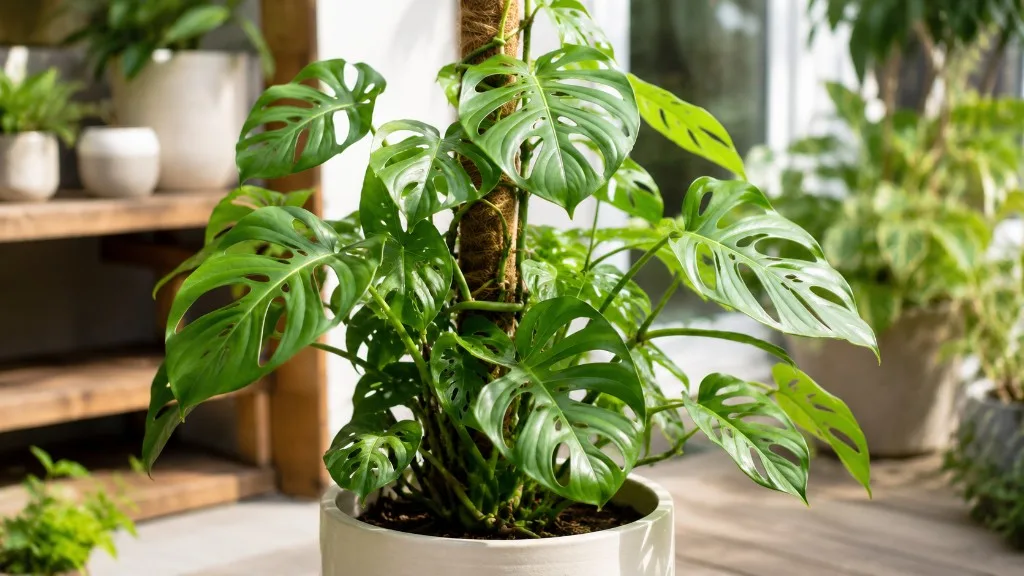
Rhaphidophora tetrasperma - sold as Mini Monstera, Monstera Minima, and half a dozen other nicknames - grows fast when you get water right and declines just as fast when you do not. The leaves look tough, but the roots behave like a typical climbing aroid: they want moist, airy soil, not a swamp and not a desert. The mistake most owners make is treating “water once a week” as a rule instead of a reminder to check the pot. This guide gives you the checks, the realistic schedules, and the technique that keeps Rhaphidophora tetrasperma climbing cleanly without the yellow lower leaves, persistent wilting, or sour-smelling mix that follow chronic overwatering.
If symptoms persist, see the Leggy Growth on Rhaphidophora Tetrasperma guide.
Why Mini Monstera Watering Confuses Even Experienced Growers
Rhaphidophora tetrasperma sends contradictory signals on a regular basis, and the common names make the confusion worse. Because it is labeled Mini Monstera, many growers assume it wants the same heavy, slow-drying routine as a mature Monstera deliciosa with thick, waxy leaves. In reality, R. tetrasperma has thinner foliage, a faster metabolism in bright light, and roots that suffocate quickly when a decorative pot holds runoff. You can underwater until leaves curl and brown at the margins, then overcorrect until lower leaves yellow while the mix stays wet - both paths lead to a leggy, unhappy vine.
The core tension is built into the plant’s biology. Native to wet tropical forests in Southern Thailand and the Malaysia peninsula, Rhaphidophora Tetrasperma overview evolved as a climbing epiphyte that receives frequent rain but never sits in stagnant water. Indoors, you replicate that rhythm with drench and dry: water thoroughly, let excess drain away, then allow the upper root zone to approach dryness before the next drink. NC State Extension’s Gardener Plant Toolbox recommends watering Rhaphidophora tetrasperma when the top 1 inch of potting mix is dry, keeping the plant in moist, well-drained mix under Rhaphidophora Tetrasperma light guide, with temperatures of 65 to 80°F and humidity around 60 percent. (NC State Extension) That single sentence - moist and well-drained - is the whole puzzle. Moist means the root ball should not swing from dust to mud. Well-drained means oxygen reaches the roots between sessions.
The fix is never “water more” or “water less” in isolation. You read the soil, the pot weight, the season, and the cluster of signs together before you pour.
How Much Water Rhaphidophora Tetrasperma Actually Needs
Rhaphidophora tetrasperma does not want a measured cup count each Tuesday. It wants a full, even rewetting of the root zone followed by a partial dry-down in the upper layers. Think in cycles, not volumes. When the top 1 to 2 inches (2.5 to 5 cm) of mix feel dry - verified with a finger, chopstick, or pot-weight change - water slowly until moisture exits the drainage holes. That deep soak encourages roots to grow downward rather than hugging the surface where water evaporates fastest.
Between those soaks, the mix should feel lightly moist in the middle and lower zones, never bone dry throughout and never shiny-wet on the surface for days. Chunky aroid mixes with orchid bark, perlite, and coco coir hold air pockets that dense peat-heavy blends lack; they dry faster on top but drain better on the bottom, which protects against root rot if you still water on a blind schedule. A plant in such a mix may need water more often in summer, yet it tolerates those intervals better than a compacted, peat-only blend that stays wet at the core while the surface looks dry.
The drench-and-dry method is the standard aroid approach for good reason. Shallow daily sips keep the top inch damp while the center stays dry, so the plant wilts, you add another splash, and roots never receive a coherent drink. One thorough session, complete drainage, then waiting until the dryness check passes prevents that loop. If water runs straight through the pot and out the bottom in seconds, the mix may have gone hydrophobic or the root ball may have pulled away from the walls - in that case, water in two passes ten minutes apart, or bottom-water in a tray until the surface darkens, then drain fully.
Fast growth on a moss pole in bright light shrinks the dry-down window; winter slowdown stretches it - adjust checks, not cup volume.
How Often to Water Rhaphidophora Tetrasperma Indoors
Indoor Rhaphidophora tetrasperma typically needs watering every 5 to 7 days during active spring and summer growth, and every 10 to 14 days or longer when cooler temperatures and shorter days slow the plant down. Those ranges are starting points, not rules. A bright east-facing window in July may push a small pot toward every four days. A large freshly repotted plant in October may go two weeks between drinks. Your room’s humidity, air movement, pot material, and soil chunkiness matter as much as the calendar.
The reliable habit is simple: check every few days, water only when the dryness test says yes. After two weeks in the same spot, you will know whether your plant behaves like a five-day mini monstera or a nine-day one. That personal baseline beats any chart because it accounts for your exact mix and light. If you travel, ask a sitter to check soil - not to pour water on a fixed weekday.
Dry winter air can brown leaf margins without changing soil moisture - raise humidity if needed, but let the dryness check govern frequency. Cool, dim rooms slow dry-down and raise overwatering risk.
Finger Test, Chopstick Probe, and Pot Weight
The finger test remains the fastest daily check for Rhaphidophora tetrasperma. Insert your finger 1 to 2 inches into the mix near the pot wall, away from the thickest stem cluster. If the soil feels cool and slightly clingy at that depth, wait. If it feels dry and crumbly, water. Surface colour lies, especially on peat-based mixes that crust lightly while the center still holds moisture. NC State Extension’s top-one-inch guidance aligns with the first-knuckle depth most adult fingers reach comfortably. (NC State Extension)
The pot weight test is the most trustworthy signal once you learn your container. Lift the pot immediately after a thorough watering and notice the heft. Lift it every check day. A pot that feels dramatically lighter has lost much of its available water. Combine weight with the finger test when unsure: light pot plus dry top inch equals water; heavy pot plus wilted leaves equals trouble, not thirst.
A wooden chopstick or skewer pushed to mid-pot depth confirms what your finger found. Temporary afternoon limpness in hot bright conditions may be heat stress if the plant perks up by evening; limpness with a heavy wet pot suggests root damage, while limpness with a light dry pot calls for a thorough drink.
Seasonal Watering Schedule for Rhaphidophora Tetrasperma
Rhaphidophora tetrasperma tracks seasons through growth rate, not calendar holidays. Water use rises with temperature, day length, and light intensity, then falls when the plant enters a slower phase indoors. A seasonal framework helps you anticipate change without locking into bad habits from summer or starving the plant in spring because you kept a winter interval too long.
In late winter through spring, strengthening light accelerates dry-down - a plant that needed water every twelve days in January may need every seven by March. Summer peak growth often lands on a 5-to-7-day rhythm indoors; small warm pots can shrink toward every four days. In fall and winter, stretch the interval and verify with soil checks rather than habit. Cool, dim rooms may need water only every 10 to 14 days, sometimes longer - reduce frequency, not thoroughness.
Active Growth in Spring and Summer
Active growth is when Rhaphidophora tetrasperma rewards good watering with visible results: new split leaves, longer internodes on a moss pole, and aerial roots attaching to support. It is also when owners overwater out of enthusiasm. Fast growth increases transpiration, which shrinks the dry-down window - it does not suspend the need for drainage. Two summer mistakes repeat constantly: forgetting a small pot on a hot windowsill until leaves curl, and watering every Monday because “that is what houseplants need” even when the mix is still damp from last week.
During heat waves, check soil daily in small pots but resist the urge to keep the mix permanently wet “because it is hot.” Heat plus soggy soil is the fastest route to root rot and fungus gnats, both listed among common houseplant problems for this species by NC State Extension. (NC State Extension) If margins brown despite adequate soil moisture, address humidity and airflow before increasing water volume.
Watering Rhaphidophora Tetrasperma by Pot Size and Climbing Stage
Pot size changes the schedule immediately, often more than season. A 4-inch nursery pot with a young vine dries fast and may need water every 3 to 5 days in bright summer conditions. A 6- to 8-inch pot with a mature root system holds more buffer and may stretch toward 7 to 10 days in the same room. After Rhaphidophora Tetrasperma repotting guide into a larger container, expect slower dry-down until roots explore the new volume - many growers overwater freshly repotted mini monsteras because they keep the old small-pot schedule while the extra mix stays wet at the core.
Climbing stage matters too. A plant trained up a moss pole or coco coir pole with developing aerial roots often uses water faster than a trailing specimen allowed to sprawl, because leaf area and transpiring surface increase. Aerial roots that reach into moist moss can access supplemental humidity, but they do not replace soil watering for the main root ball. Keep pole moss lightly damp if you use it for attachment, but do not let the pot mix stay saturated to compensate for dry pole moss - those are separate zones with separate checks.
Terracotta dries faster than plastic or glazed ceramic; self-watering pots rarely suit rot-sensitive aroids unless you understand the reservoir mechanics.
The Right Way to Water Without Root Rot
Technique separates healthy Rhaphidophora tetrasperma from the chronically soggy specimens that yellow one leaf at a time until recovery requires repot surgery. Start with room-temperature water applied slowly at the soil surface, moving the spout around the pot so the whole root ball rewets evenly. Continue until water runs freely from the drainage holes - that exit flow confirms the session reached the bottom, not just the top inch.
Drainage is non-negotiable. Empty the saucer within thirty minutes. If you use a decorative cachepot, remove the inner nursery pot to water, let it drain completely, then return it. Standing water at the base re-saturates the lowest roots, blocks oxygen, and creates the paradox of a wilting plant in wet soil. NC State Extension lists root rot among fungal problems common on this plant indoors, alongside bacterial leaf spot. (NC State Extension) Prevention is almost always cheaper than treatment.
Aim water at soil level rather than the leaf crown, and prefer morning watering so any splashed foliage dries during the day. If water channels out a shrunken root ball, rehydrate in stages - water, wait ten minutes, water again, then drain fully.
Signs You Are Overwatering Rhaphidophora Tetrasperma
Overwatering is the silent killer because the plant often looks thirsty while roots are failing. Watch for these patterns together, not in isolation.
Wilting despite wet soil is the hallmark of root stress. Damaged roots cannot transport water, so leaves droop even though moisture is present. Adding more water accelerates decline. If you lift the pot and it feels heavy, yet stems are soft and leaves hang limply, inspect before you pour.
Yellow lower leaves, especially several at once on an otherwise green plant, often appear when the root zone stays wet too long. NC State Extension explicitly links yellowing to overwatering among other causes. (NC State Extension) A single old leaf yellowing at the base can be normal senescence; a wave of yellowing with soggy mix is not.
Soggy surface, sour smell, and fungus gnats point to chronically wet organic matter. Gnats themselves are annoying; their presence signals decomposition-friendly conditions at the soil line. Soft, dark stems at the base and mushy roots when you slip the plant from the pot confirm advanced root rot - firm white roots should dominate a healthy specimen.
If several signs align, stop watering, improve airflow, confirm drainage holes are open, and inspect roots if decline continues. Trim mushy brown roots with clean shears, repot into fresh chunky aroid mix, and use a pot sized to the remaining root mass - not the former canopy. Resume watering only when the dryness check passes, usually after a few days of recovery drying.
Signs Your Mini Monstera Is Thirsty or Underwatered
Underwatered Rhaphidophora tetrasperma is usually more straightforward than overwatering, and recovery is faster if you act before tissue dies.
Drooping or curling leaves with light, dry pot weight and dry soil at 1 to 2 inches mean thirst in most cases. NC State Extension lists drooping and curling as results of lack of water. (NC State Extension) After a thorough watering and complete drainage, many plants perk within an hour - that quick recovery supports a drought diagnosis.
Brown leaf margins and tips often combine underwatering with low humidity, especially in heated winter air. The soil check still governs frequency; raising humidity toward 50 to 60 percent addresses the margin damage without keeping roots wet around the clock. NC State Extension notes brown margins and spots relate to lack of moisture or humidity. (NC State Extension)
Crispy older leaves and soil pulling away from the pot edge mean the root ball went too dry - rehydrate in stages rather than flooding once. Repeated boom-and-bust cycles damage fine roots and stall new growth for weeks.
Soil Mix and Drainage as Hidden Watering Factors
Your watering skill cannot overcome a mix that holds water like a sponge or repels it like wax. Rhaphidophora tetrasperma wants high-organic, well-draining potting mix with enough structure to stay airy after repeated watering. NC State Extension lists high organic matter, good drainage, and moist availability among cultural conditions. (NC State Extension) A practical home blend might combine roughly 50 to 60 percent quality potting soil, 20 to 25 percent perlite or pumice, and 15 to 20 percent orchid bark, with optional 5 to 10 percent coco coir for moisture retention without sogginess. Target pH 6.0 to 7.0, slightly acid to neutral.
Dense, aged indoor mix that has collapsed into a brick will stay wet on top and shed water down the sides - the perfect trap for well-meaning weekly watering. If your finger says dry at depth but the pot never lightens, suspect compaction or a root-bound mat blocking drainage. Repotting into chunkier material often fixes “mystery overwatering” without changing how often you intend to water.
Drainage holes must stay open. Roots, debris, or a layer of gravel that myths still promote can block exit flow. Elevate pots slightly in saucers so bottom holes never sit submerged. “Well-drained” in a container means holes, complete emptying after each session, and a mix that does not smear into a paste when squeezed.
Light, Humidity, and How They Change Water Use
Watering does not happen in a vacuum. Bright indirect light - the exposure NC State Extension recommends, with partial shade described as direct sun only part of the day - increases transpiration and shrinks dry-down time. (NC State Extension) A mini monstera moved from a north window to an east-facing sill may need water twice as often for the first month even if temperature stays constant. Acclimate gradually, but adjust checks immediately.
Low light slows water use and increases overwatering risk. Plants in dim corners stay wet longer, grow slower, and yellow from combined stress. If your pot consistently stays damp beyond ten days and lower leaves yellow, improve light before you declare a watering schedule failure.
Humidity near 60 percent reduces margin browning that mimics underwatering, but humidifiers and pebble trays do not replace root-zone watering - and misting is not a substitute for a proper soak. Keep temperatures within 65 to 80°F (18 to 27°C) and away from forced-air vents that distort drying patterns.
Water Quality, Temperature, and Timing
Tap water works for most owners. If tips brown despite good technique, let water sit 24 hours for chlorine to dissipate or switch to filtered water in hard-water regions. Use room-temperature water in winter. Morning watering is preferable, but consistency of checking beats consistency of clock time. Apply fertilizer to moist soil only - never substitute feed for water when the plant is clearly thirsty.
Watering After Repotting, Propagation, and Root Inspection
Freshly repotted Rhaphidophora tetrasperma needs a adjusted rhythm. New mix surrounds roots with more moisture than the old root ball experienced, and disturbed roots absorb water less efficiently for a week or two. Water once thoroughly after repotting, drain completely, then wait until the top 1 to 2 inches dry before the next session - even if that takes longer than your pre-repot habit. Avoid stacking repotting, fertilizing, and moving to a new window in the same week; each change alters water use independently.
Propagation cuttings in water or sphagnum moss follow different rules. Water-rooted cuttings want the reservoir refreshed and roots kept submerged or consistently moist, not cycling through houseplant dry-down. Moss propagations need evenly damp moss - never sopping, never dust-dry - until roots transfer to soil. When you pot a rooted cutting, treat it like a establishing plant: even moisture at first, then gradually shift toward the standard drench-and-dry rhythm as roots fill the container.
Root inspection is the definitive overwatering test. Healthy roots are firm and white or tan. Rotting roots are brown, black, or gray and mushy. If inspection follows yellowing and wet soil, trim damage, downsize the pot if needed, and restart with conservative watering. If roots look healthy but soil stays wet, the mix or drainage - not your frequency intention - is the problem.
Common Rhaphidophora Tetrasperma Watering Mistakes and Quick Fixes
Mistake: watering on a fixed weekday without checking soil. Fix: treat calendar alerts as “inspect the pot,” not “pour water.” Your plant does not know it is Sunday.
Mistake: daily small sips to “keep it happy.” Fix: one deep watering when the dryness test passes; skip days in between. Sips create a wet surface over a dry core.
Mistake: leaving runoff in the saucer or cachepot. Fix: drain within thirty minutes every time. No exceptions for decorative pots.
Mistake: using dense garden soil or straight peat. Fix: repot into chunky aroid mix with bark and perlite. Watering becomes predictable again.
Mistake: misting instead of watering because leaves look dry. Fix: check soil depth; raise humidity separately if margins brown.
Mistake: watering a wilting plant without checking soil weight. Fix: heavy pot plus wilt equals root problem; light pot plus wilt equals thirst. Different fixes.
Mistake: repotting into a much larger pot “so I water less often.” Fix: excess mix stays wet; size up one increment only when roots warrant it.
Cachepots, Saucers, and Decorative Pots
Cachepots are where many Rhaphidophora tetrasperma die despite attentive owners. Water flows through the nursery pot, collects in the outer shell, and the bottom inch of mix stays saturated indefinitely. The plant yellows, the owner adds more water because “houseplants need water,” and roots suffocate. Always remove the inner pot, water at the sink, wait until dripping stops, then reseat. If your decorative pot has no drainage, never plant directly into it - use it as a sleeve only.
Empty saucers after every session - standing water re-wets the mix through capillary action and defeats drainage.
Building a Simple Weekly Watering Routine
You do not need new gadgets to water Rhaphidophora tetrasperma well. You need a repeatable loop. Pick two or three check days per week - many growers use Monday, Thursday, and Sunday. On each check day, run the finger test at 1 to 2 inches, lift the pot, and note whether the plant is in active growth or winter slowdown. Water only when both touch and weight support dryness. When you water, water fully, drain fully, and log mentally how many days passed since the last session.
Within a month, you will know your plant’s personal interval in that spot. Adjust when seasons change, when you move the pot, or when you repot - one variable at a time. Pair checks with a quick scan for pests; overwatered plants attract fungus gnats that confirm wet organic matter.
When Watering Is Not the Problem
Sometimes you perfect watering and the plant still struggles. Persistent yellowing with appropriate dry-down may point to low light rather than moisture. Leggy, small leaves without fenestrations often mean the plant wants brighter filtered light and a moss pole, not more water. Pests like spider mites mimic water stress - inspect leaf undersides when symptoms persist despite correct soil moisture. Rotate the pot weekly for even drying, and change one condition at a time rather than stacking fixes.
Conclusion
Rhaphidophora tetrasperma rewards a simple contract: check the top 1 to 2 inches of mix, water deeply when dry, drain completely, and shorten or lengthen the interval as light and season change. Treat every 5 to 7 days in active growth and every 10 to 14 days or longer in winter as reminders to inspect, not commands to pour. Heavy pots with limp leaves need less water and better oxygen, not more. Light pots with curled leaves need a full drink, not mist. Chunky moist, well-drained mix and open drainage holes do more to prevent root rot than any branded schedule printed on a care tag. Master the checks, respect the dry-down, and your Mini Monstera keeps climbing with split leaves instead of yellowing ones - no second search required.
When to use this page vs other Rhaphidophora Tetrasperma guides
- Rhaphidophora Tetrasperma overview - Start here for whole-plant context before deep-diving this topic.
- Rhaphidophora Tetrasperma problems hub - Jump to symptom-specific fix guides when this care topic does not resolve the issue.
Related Rhaphidophora Tetrasperma guides
- Rhaphidophora Tetrasperma overview
- Rhaphidophora Tetrasperma light
- Rhaphidophora Tetrasperma soil
- Rhaphidophora Tetrasperma propagation
- Rhaphidophora Tetrasperma fertilizer
- Rhaphidophora Tetrasperma repotting
- Rhaphidophora Tetrasperma problems
Related tool
Try the Plant Watering Calculator with rhaphidophora-tetrasperma pre-selected to estimate needs for your setup.