Rhaphidophora Tetrasperma Repotting: When & How
Rhaphidophora Tetrasperma Repotting: When & How
Rhaphidophora Tetrasperma Repotting: When & How
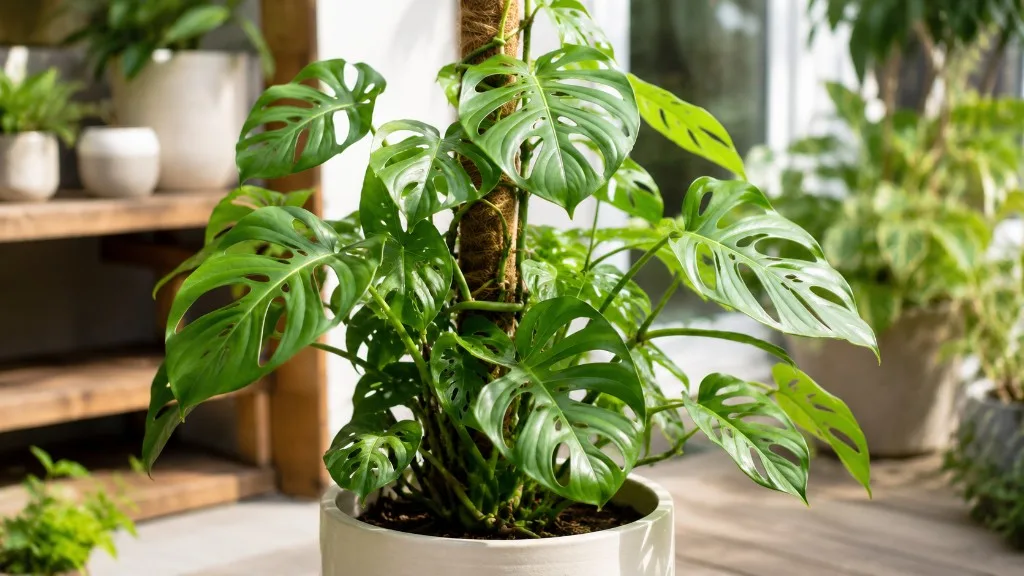
Rhaphidophora tetrasperma grows faster than most houseplants labeled “beginner friendly,” and that speed is exactly why repotting shows up on your calendar sooner than you expect. Sold as Mini Monstera, Monstera minima, or Philodendron Ginny, this climbing aroid from the wet tropics of southern Thailand and Peninsular Malaysia is not a true Monstera or Philodendron at all-it is an epiphytic Araceae species with slender stems, aerial roots at the nodes, and split leaves that develop fenestrations as the plant climbs. NC State Extension lists its growth rate as rapid and notes that it climbs by clinging, which means the root system is built for oxygen-rich, fast-draining conditions-not dense, water-retentive peat sitting in a pot that is too large.
Repotting is the moment you reset that root environment, give vining stems room to anchor, and inspect for problems before they spread. Done on timing with the right soil and a modest pot upgrade, the job takes twenty minutes and the plant pushes new split leaves within weeks. Done with an oversized container, stripped roots, or a mid-winter schedule, the same plant wilts, yellows, and spends a month looking like you made a mistake-which you did, but one you can avoid with a clear procedure.
This guide covers when Rhaphidophora tetrasperma actually needs repotting, how often fast growers versus mature plants should be moved, pot size and moss pole decisions, a workable chunky aroid mix, a full step-by-step repot, aftercare for the first four to six weeks, and the mistakes that cause most post-repot failures.
If symptoms persist, see the Leggy Growth on Rhaphidophora Tetrasperma guide.
Why Repotting Matters for Rhaphidophora Tetrasperma
Most advice treats repotting as “more space for roots,” but for an epiphytic climber the stakes are higher. In nature, Rhaphidophora tetrasperma roots attach to tree bark and draw moisture from rain, humidity, and thin organic debris-not from a deep bucket of soggy soil. Indoors, the pot is a stand-in for that bark surface. When the mix compacts, salts accumulate, or roots circle the bottom without fresh air pockets, growth slows, fenestrations stall, and the plant becomes vulnerable to root rot even if your watering habit has not changed.
What Happens When You Refresh the Root Zone
Three useful things happen during a well-timed repot, and all three support the vining habit Rhaphidophora Tetrasperma overview is known for.
Fresh substrate restores drainage and oxygen. Chunky bark and perlite break down slowly, but after twelve to twenty-four months the fine particles settle, pore spaces collapse, and water hangs around the lower roots longer than an aroid tolerates. Replacing the mix reopens air channels aerial roots need to function.
Root inspection catches rot early. Circling white roots are normal; brown, mushy, or sour-smelling roots are not. Repotting is your only routine chance to see what is happening below the soil line before leaves tell the full story.
Support can be upgraded in the same session. A moss pole or trellis installed during repotting lets you position stems and aerial roots against moist support while the root ball is accessible-far easier than wrestling a mature vine into a pole after the fact.
Repotting is not automatically annual calendar work. It is a response to root-zone limits. A young plant under bright light may need a move every twelve months; a mature specimen in a stable environment may go eighteen to twenty-four months between full repots if you top-dress in between.
Signs Your Plant Needs a Bigger Pot
Rhaphidophora tetrasperma does not scream for help the way a wilted peace lily does. It slows down, dries out oddly, or leans-and owners often blame light or fertilizer first. Check the pot before you move the plant to a new window.
Root-Bound and Drainage Clues
These are the most reliable signals that the container-not your care routine-is the bottleneck:
- Roots visible at drainage holes or pushing up through the top inch of soil after watering
- Water runs straight through the pot within seconds, barely wetting the surface, because the root mass has displaced soil volume
- Soil dries extremely fast-sometimes within a day or two of a thorough watering-because there is almost no mix left to hold moisture
- The nursery pot is distorted or roots have cracked thin plastic
- Top-heavy leaning where the vine outgrows the base and the pot tips easily
- Salt crust or algae on the soil surface from repeated fertilizing in old, exhausted mix
Lift the plant out of its pot if you are unsure. A root-bound Rhaphidophora tetrasperma shows a dense white mat wrapping the outer edge of the root ball, with limited loose mix in the center. A few circling roots at the bottom are normal; a solid wall of roots with almost no visible soil is the repot threshold.
When Stalled Growth Is a Pot Problem, Not a Light Problem
Stunted growth during spring and summer-with adequate Rhaphidophora Tetrasperma light guide and regular feeding-often traces back to roots, not photons. If new leaves are smaller than older ones, splits are slow to develop, or the plant has not added a node in several weeks during active season, inspect the root ball before buying a grow light.
Conversely, do not repot every time growth pauses. Cool rooms, low humidity, pest pressure, and recent propagation cuts all slow the plant without requiring a bigger pot. Repot when two or more root-bound signs appear together, or when you confirm circling roots on inspection. Repotting a stressed plant “to help it” usually adds transplant shock on top of whatever was already wrong.
Best Season and Repotting Frequency
The best time to repot Rhaphidophora tetrasperma is spring through early summer, when the plant is entering or already in active growth and can repair root damage quickly. In the Northern Hemisphere, that typically means March through June, though indoor growers with stable warmth and supplemental light can stretch the window slightly. Avoid routine repotting in late fall and winter, when shorter days and cooler room temperatures slow metabolism and wet fresh mix stays cold and oxygen-poor longer.
How often depends on age and conditions:
- Young, fast-growing plants under strong light: about every 12 months
- Mature, established plants: every 18–24 months, unless signs say sooner
- Emergency repot: anytime for root rot, severe root-binding with collapse, or a pot without drainage-season is secondary to removing rotting roots
Top-dressing-scraping off the top two to three centimeters of old mix and replacing it with fresh chunky aroid blend in spring-can extend the interval between full repots by six to twelve months on a plant that is not yet circling heavily. Full repotting remains necessary when roots fill the bottom third of the container or water behavior has become extreme.
If you purchased the plant recently, wait at least two to four weeks after bringing it home before repotting unless the soil is clearly failing or pests are present. Nursery mix is often peat-heavy and may need refreshing sooner than a plant you have grown in chunky aroid blend for a year-but an immediate repot on arrival stacks acclimation stress on top of transplant stress. Learn how fast the current pot dries in your room first, then schedule the move for the next active growth window.
Picking the Right Pot and Moss Pole Setup
Pot choice for Rhaphidophora tetrasperma is less about aesthetics and more about drainage physics and how quickly the root zone dries between waterings. Because this species prefers evenly moist-not waterlogged-soil, the container must cooperate with your mix, not fight it.
Pot Size: Stay One Step Up
The standard rule across aroid care applies here: move up only one pot size, roughly 2.5–5 cm (1–2 inches) wider in diameter than the current container. A six-inch pot becomes a seven- or eight-inch pot, not a ten-inch bowl. Oversized pots hold a ring of wet soil the root system cannot use, which is the most common post-repot path to rot on fast-draining-loving plants.
Depth matters for climbers less than for deep-rooted ficuses, but avoid extremely shallow cachepots that dry in hours or tall narrow cylinders that stay wet at the bottom while the top looks dry. A proportionate nursery pot-slightly wider than deep-is the practical default.
If you are installing a moss pole, choose a pot deep enough that the pole base sits stable without tipping. Many growers use a slightly heavier ceramic or terracotta outer pot once the vine and pole combine weight.
Drainage Holes, Cache Pots, and Pot Materials
Drainage holes are non-negotiable. NC State Extension emphasizes good drainage in the cultural profile for this species. A decorative pot without holes is only safe if the plant lives in a nursery pot inside it and you never let water accumulate in the outer shell.
Terracotta wicks moisture through the walls and dries faster-helpful if you tend to overwater or keep the plant in lower humidity. Plastic retains moisture longer, which can be an advantage in bright, dry rooms if your mix is truly chunky. Glazed ceramic behaves closer to plastic; treat it as less forgiving unless you adjust watering down after repot.
This is also the best time to add or replace a moss pole, coir pole, or trellis. Soak the pole first, position it before backfilling soil, and loosely tie the main stem so nodes sit near the support. Aerial roots will attach over the following weeks; forcing them brittle-dry against dry moss slows the process.
Soil Mix for Repotting Day
Rhaphidophora tetrasperma needs a well-draining, chunky aroid mix-light, aerated, and stable enough to hold moisture without collapsing into mud. The species tolerates acidic to neutral conditions; a target pH of 5.5–7.0 matches most peat-free or coir-based indoor blends amended with bark.
A Simple Chunky Aroid Recipe
A reliable starting mix you can measure by volume:
- 1 part quality indoor potting mix (peat-free or coir-based)
- 1 part orchid bark or coco chips
- 1 part perlite or pumice
For plants in plastic pots or dimmer rooms, bump bark and perlite slightly-something closer to 1 : 1.5 : 1.5-to compensate for slower drying. Avoid garden soil, heavy peat on its own, or fine sand that compacts. Do not reuse old mix from the previous pot; it may carry pathogens and has already lost structure.
Pre-moisten the blend lightly before repotting so you are not forcing dry dust into roots, but do not saturate it to mud. The mix should feel evenly damp, like a wrung-out sponge, when you fill the pot.
If you are repotting because of suspected root rot, discard all old mix, rinse only as much as needed to see healthy tissue, and use a clean pot or scrub the old one with hot water and mild soap. Rot recovery demands sterile-ish conditions more than a routine upgrade does. For healthy plants, keeping some old mix around the core root ball is fine and usually safer than aggressive washing.
Step-by-Step Repotting Procedure
The full job is straightforward if you prep materials first and resist the urge to bare-root the plant “for a clean start.” Rhaphidophora tetrasperma recovers faster when some original soil remains around fine root hairs.
Before You Unpot: Water, Tools, and Workspace
Water lightly one day before repotting, not minutes before. A slightly hydrated root ball holds together when you slide the plant out; bone-dry roots snap, and soaking-wet soil smears and tears fine roots. Gather a clean workspace, fresh mix, the new pot, moss pole if used, scissors sterilized with rubbing alcohol, and optionally gloves-NC State Extension notes calcium oxalate crystals in all plant parts, which can irritate skin and are toxic if ingested by pets or children.
Lay down paper or a tarp. If the plant is long, coil the vine gently rather than pulling stems, which can snap at nodes.
Loosening Roots and Trimming Damage
Turn the pot on its side and slide the root ball out by squeezing flexible plastic or running a knife around the inside edge of a rigid pot. Do not yank the stems.
Once out, tease circling roots at the bottom and outer edges with your fingers or a chopstick. Remove loose old mix from the bottom third only-you do not need to strip every particle. Trim soft, brown, or foul-smelling roots back to firm white tissue. Healthy roots are white or light tan and firm.
Avoid full bare-rooting unless you are treating active rot. Stripping all soil removes the fine absorptive root hairs that take up water immediately after the move.
Planting at the Correct Depth With Support
Add a layer of fresh mix to the new pot. If using a pole, anchor it now. Set the plant so the base of the stem sits at the same depth as before-never bury nodes deeper to “stabilize” the vine; buried nodes in soggy mix rot. Fill around the sides with mix, tapping the pot gently to settle without compacting. Leave about 1–2 cm of headspace below the rim for watering.
Attach the main stem loosely to the pole with soft ties. Water lightly until a small amount drains from the bottom, then stop. Do not flood a freshly disturbed root zone on the first pass.
Aftercare: Water, Light, Humidity, and Fertilizer
The four to six weeks after repotting determine whether the move succeeds. Rhaphidophora tetrasperma often pauses visibly for seven to fourteen days; that is normal transplant shock, not necessarily rot-unless stems go soft or soil smells sour.
Watering: Keep the mix evenly lightly moist, not saturated, for the first two weeks. Check the top 2–3 cm with your finger; water when it begins to dry. Because fresh chunky mix dries differently from old compacted soil, reset your schedule instead of autopiloting the old rhythm.
Light: Place the plant in bright indirect light, avoiding hot direct sun on stressed leaves for the first two weeks. Temperatures around 18–27°C (65–80°F) and 50–70% humidity support recovery; a humidifier helps if leaf edges crisp in dry air.
Fertilizer: Hold feeding for four weeks minimum after repotting. Fresh mix contains nutrients, and salt from fertilizer on damaged root tips burns tender new growth. Resume diluted balanced liquid feed at half strength once new leaves appear firm and the plant has stabilized.
Support maintenance: Mist the moss pole occasionally so aerial roots have moisture to explore, but do not keep the pole dripping wet while the pot mix is already saturated-that is two wet zones competing for the same risk budget.
Pets and handling: Because calcium oxalate crystals irritate mouth tissue and can cause drooling or stomach upset if chewed, repot on a table away from curious dogs and cats, and wash hands after handling cut stems or sap. Wearing gloves is reasonable if your skin reacts to aroid sap. This is standard precaution, not alarmism-the plant is a common indoor vine, but the repotting session exposes more cut surface area than everyday care.
Mistakes That Turn an Easy Repot Into Weeks of Recovery
Most failures repeat the same patterns. Avoid these and your Rhaphidophora tetrasperma usually rebounds within a month.
- Jumping two pot sizes up to “reduce how often I repot”-creates a wet soil moat and slows establishment
- Bare-rooting unnecessarily, stripping all old mix and breaking fine roots
- Repotting in deep winter for convenience when the plant is not in active growth
- Watering heavily immediately after repotting on already-moist mix
- Fertilizing within the first month, especially at full strength
- Burying the stem or nodes deeper than the previous soil line
- Using dense potting soil without bark or perlite, which contradicts the epiphytic root structure
- Decorative pots without drainage or cachepots that hold standing water
- Repotting at the same time as major pruning or propagation-stacking stress events
- Moving straight into harsh direct sun while roots cannot yet replace transpired water
If you recognize your last repot in that list, the fix is usually smaller pot, fresher airy mix, lighter watering, and patience-not more fertilizer.
Troubleshooting Wilting, Yellow Leaves, and Soft Stems
Some wilting and one or two yellow leaves after repotting are normal for one to two weeks, especially on lower, older foliage that the plant sacrifices while rerouting energy to roots. New growth resuming in the right size and color is the clearest recovery signal.
Persistent wilting beyond two weeks with wet soil suggests overwatering in too large a pot or damaged roots sitting in anaerobic mix. Unpot, inspect, trim mushy roots, and repot into a smaller container with dry-ish fresh mix; then water lightly.
Yellow leaves with firm stems and moderately dry mix may mean underwatering during recovery-roots still limited but leaves losing turgor. Adjust to light, even moisture without saturation.
Soft stems, blackening bases, or sour smell indicate rot. Cut back to firm tissue, treat as an emergency repot with aggressive root trim, withhold fertilizer, and keep humidity moderate without enclosing the plant in a sealed bag that traps moisture against wounds.
Leaf drop without soft stems often follows severe root disturbance or cold drafts after repotting. Stabilize temperature and light; do not repot again immediately.
Full root re-establishment typically takes four to six weeks in warm, bright conditions. Fenestration on new leaves may take longer if the plant was root-bound for months-give it a full growing season before judging leaf split quality.
When deciding whether to repot again after a rough first attempt, use the two-signal rule: wait until you see firm new leaf unfurling and stable Rhaphidophora Tetrasperma watering guide in the fresh mix before making another major change. Serial repotting within a single season is one of the fastest ways to turn a recoverable sulk into chronic decline. If the plant is stable but ugly, trim yellow leaves after new growth arrives rather than disturbing roots a second time.
Conclusion
Rhaphidophora tetrasperma repotting is routine maintenance for a fast-growing climber, not a rescue mission-when you time it right. Repot when roots circle, water behavior goes extreme, or growth stalls in spring despite good light-not on a vague calendar alone. Move up one pot size, use a chunky 1 : 1 : 1 aroid mix, install or refresh a moss pole while the root ball is accessible, and keep the stem at the same depth as before. Water lightly after the move, hold fertilizer for four weeks, and expect a one- to two-week pause before new split leaves confirm the roots have settled.
Treat repotting as part of the same system as watering, light, and support-not an isolated chore. When the root zone breathes, the vine climbs, aerial roots attach, and the plant earns its Mini Monstera nickname with leaves that actually split. Skip the oversized pot and the bare-root “clean slate,” and this is one of the easier houseplants to move successfully.
When to use this page vs other Rhaphidophora Tetrasperma guides
- Rhaphidophora Tetrasperma overview - Start here for whole-plant context before deep-diving this topic.
- Rhaphidophora Tetrasperma problems hub - Jump to symptom-specific fix guides when this care topic does not resolve the issue.
Related Rhaphidophora Tetrasperma guides
- Rhaphidophora Tetrasperma overview
- Rhaphidophora Tetrasperma watering
- Rhaphidophora Tetrasperma light
- Rhaphidophora Tetrasperma soil
- Rhaphidophora Tetrasperma propagation
- Rhaphidophora Tetrasperma fertilizer
- Rhaphidophora Tetrasperma problems
Related tool
Try the Pot Size Calculator with rhaphidophora-tetrasperma pre-selected to estimate needs for your setup.