Rust Disease on Maidenhair Fern: Causes, Checks & Fixes
Quick answer
Orange or brown undersides on Maidenhair Fern are usually marginal sori-normal spore cases-not fungal rust. First step: flip a frond and confirm dots sit on firm green leaflet edges before cutting or spraying anything.
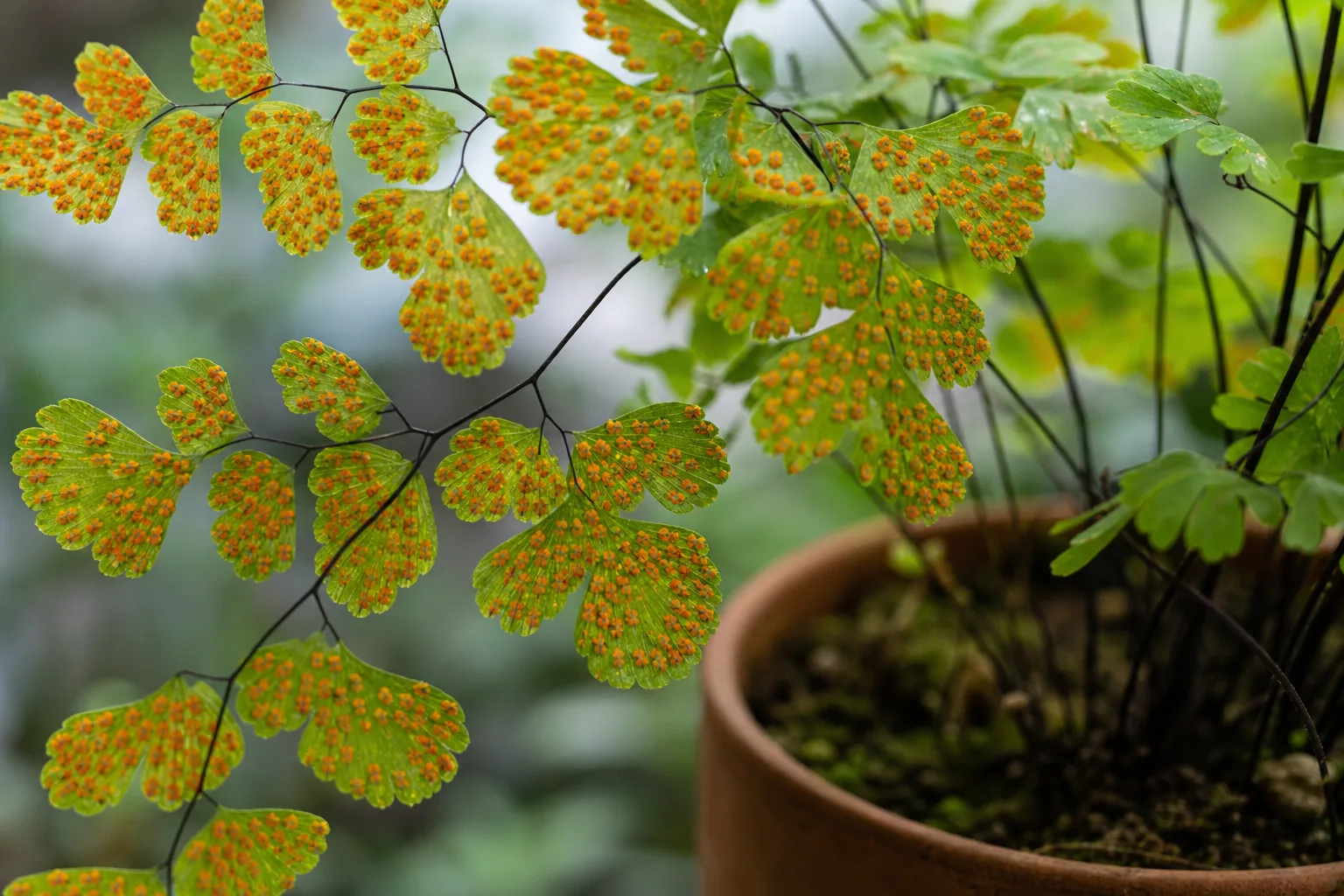
Rust Disease on Maidenhair Fern: Causes, Checks & Fixes
This guide covers rust disease on Maidenhair Fern. See also the general Rust Disease guide, watering, and light pages for this plant.
Rust Disease on Maidenhair Fern: Causes, Checks & Fixes
Quick answer
When owners search “rust disease” on Maidenhair Fern (Adiantum raddianum), they are usually looking at marginal sori-the fern’s normal spore-producing structures-not a fungal rust infection. Sori appear as small brown, rust-brown, or blackish dots or lines along leaflet margins, often tucked under the folded edge. They darken as spores mature on firm green fronds and do not cause yellow halos, wilting, or spreading necrosis.
True fungal rust on indoor maidenhairs is rare. It shows as powdery orange, yellow, or brown pustules that rub off, often with chlorosis on upper leaf surfaces, leaf distortion, or rapid spread across fronds in stagnant humid air.
First step: flip a healthy-looking frond and confirm whether the markings are marginal sori on intact tissue before isolating, trimming, or spraying for disease.
What rust disease looks like on Maidenhair Fern
Maidenhair Fern carries delicate fan-shaped pinnae on thin black stipes. Anything “rusty” on the undersides falls into three distinct categories.
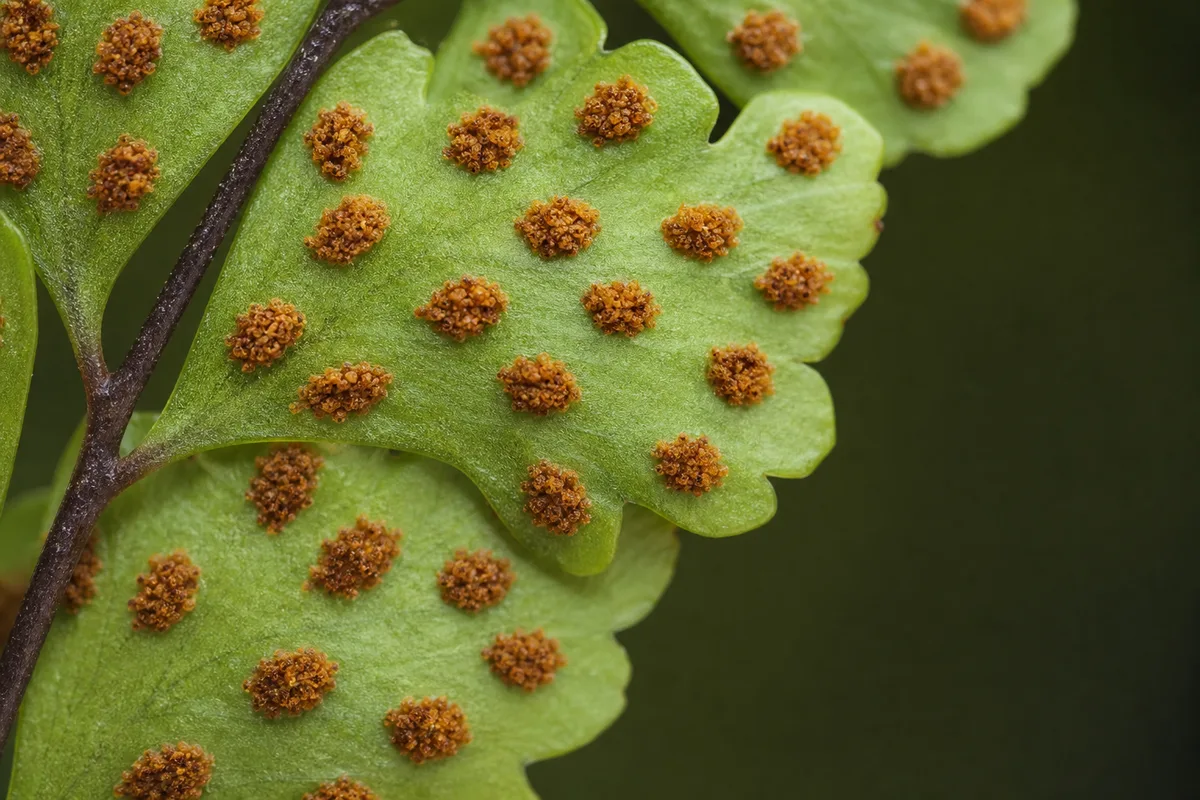
Rust Disease symptoms on Maidenhair Fern - compare with healthy tissue on the same plant.
Normal marginal sori (most common)
On Adiantum species, sori sit along the outer edge of fertile leaflets, protected by a false indusium formed by the reflexed leaflet margin. They may look like:
- Small rust-brown to black dots or short lines only at leaflet edges
- A dusty coating under the margin that darkens with age
- Symmetrical placement on both sides of the leaflet, not random blotches
Sori appear on firm, green tissue. The frond does not wilt, yellow, or develop water-soaked patches. New fiddleheads continue emerging from the crown. This is reproductive structure, not pathology.
True fungal rust (uncommon indoors)
Rust fungi produce powdery masses of spores in pustules, typically on leaf undersides, in yellow, orange, purple, black, or brown. On ornamental crops, rust often begins as chlorosis on upper leaf surfaces before pustules become obvious. Spores spread on air and splashing water; lesions may merge, causing necrosis, distortion, and defoliation.
On ferns grown outdoors, specialized rust species exist on wild Adiantum hosts, but classic rust pustules are uncommon on typical indoor delta maidenhair pots. When they do appear, they behave like active infections-not static marginal dots.
Wet-frond fungal leaf spot (more likely than rust)
Indoor maidenhairs more often develop fungal leaf spots when lacy fronds stay wet in poor airflow-especially after evening misting, overhead watering, or crowded terrarium placement. Diseases affecting ferns are rare, but leaf spots appear when air movement is limited. These show as irregular brown or black spots with possible yellow halos, often starting where water sits on pinnae. They differ from sori by damaging tissue and spreading across the blade, not staying confined to margins on healthy green leaflets.
Why Maidenhair Fern gets “rust disease”
Most reports are misidentified sori. Ferns reproduce by spores, not seeds. As sori mature, they shift from greenish indentations to rusty brown to nearly black raised clusters before releasing spores-exactly the color language that triggers “rust disease” searches.
Maidenhair-specific factors that push owners toward a disease diagnosis:
- High-humidity care keeps plants alive but also means owners inspect undersides closely and notice sori for the first time
- Delicate black stipes and fine pinnae make any underside marking highly visible
- Mature fertile fronds develop darker sori while the plant otherwise looks healthy
- Recent purchase or first bloom of fertility-owners who never noticed sori suddenly see “rust” spread across older fronds as more leaflets become fertile
When actual fungal problems occur on Maidenhair Fern overview, they usually trace to prolonged leaf wetness plus stagnant air, not low humidity. Maidenhair Fern needs moist roots and a very humid atmosphere, but water sitting on pinnae for hours in still bathroom corners or sealed terrariums invites leaf-spot fungi and occasionally blight-not the marginal sori pattern.
Weakened plants-recently repotted, underwatering on Maidenhair Fern then overcorrected, or sitting in weak light-recover slowly and hold dying fronds longer, giving fungi more necrotic tissue to colonize.
How to confirm the cause
Work through these checks in order:
- Location on the leaflet - Sori sit at margins under a folded edge. Random spots mid-blade or across the whole pinna suggest leaf spot or blight, not sori.
- Tissue health - Press the leaflet. Sori sit on firm green tissue. Water-soaked, limp, or crispy surrounding tissue points to care stress or infection.
- Powder test - Gently rub a marking. Sori do not smear orange powder across your finger the way rust urediospores do. Mature sori may release fine dust, but without surrounding damage.
- Upper leaf surface - True rust and leaf spot often show yellow or brown patches on top opposite lesions. Sori usually have no matching upper-surface symptoms.
- Spread rate - Sori darken in place as fronds age; they do not enlarge as necrotic patches day by day. Active disease spreads across fronds within days.
- New growth - Healthy emerging fiddleheads with marginal dots only on older fertile fronds strongly suggest sori. New fronds collapsing with spots point to active disease or blight.
- Recent care - Did spots appear after misting, showering the plant, or a humid spell with no airflow? That timing fits fungal leaf spot more than sori.
- Neighbor plants - Powdery orange pustules on multiple species in the same humid tray support rust or shared leaf-spot pressure-not normal fern reproduction.
If firm green fronds carry symmetrical marginal dots and new growth stays clean, stop treating for disease.
First fix for Maidenhair Fern
Flip a frond and confirm sori versus infection before any cutting or spraying.
If markings are marginal dots on firm green leaflets with healthy new fiddleheads, do nothing. You are seeing normal spore cases. Optional: trim fully spent fronds for appearance once they brown at the base- not because sori are dangerous.
If you confirm active fungal damage-powdery pustules, spreading necrotic spots, or water-soaked patches with no margin-only pattern:
Isolate the plant and remove every affected frond at the soil line with clean, sharp scissors.
Bag trimmed tissue and discard in household trash. Wipe scissors with rubbing alcohol before touching other plants. This sanitation step removes inoculum before you adjust humidity or consider fungicide.
After removal:
- Stop misting fronds until new growth stays clean for two weeks
- Water at the soil surface only, early in the day
- Increase airflow without drying the root ball-open terrarium vents, space pots, or run a fan on low nearby
- Keep humidity high at pot level with a pebble tray or room humidifier, not water on leaf surfaces
Hold fertilizer until firm new fronds emerge unstained.
Step-by-step recovery
For confirmed fungal leaf spot or rare rust-not sori:
- Daily crown inspection - Check each morning for new spots or pustules. Remove affected fronds the same day.
- Dry-frond discipline - Raise humidity around the pot, not on pinnae. Pebble trays and humidifiers beat overhead sprays.
- Trim contact points - Cut lower fronds resting on wet soil or overlapping neighbors so air reaches between leaflets.
- Light adjustment - Maidenhair Fern light guide helps fronds dry after watering and supports recovery. Weak light prolongs wet foliage and slows new growth.
- Root stability - Keep soil consistently moist but not swampy. overwatering on Maidenhair Fern during foliar disease recovery invites root rot on Maidenhair Fern on an already stressed fern.
- Escalate only if needed - If spots return on new fronds after two weeks of dry foliage and sanitation, a houseplant-labeled fungicide may help-cultural fixes come first.
For sori-only plants, skip steps 1–6 and maintain normal maidenhair care: steady moisture, high humidity, bright indirect light, and prompt removal of genuinely dead fronds.
Recovery timeline and what to expect
Sori: No recovery needed. They may darken over weeks as spores mature, then the frond eventually senesces normally. New fertile fronds will develop their own marginal sori-that is expected.
True fungal damage: Infected pinnae do not re-green. Firm rhizomes can push new fronds in two to four weeks once foliage stays dry and infected material is gone. Judge success by:
- No new pustules or spreading spots on emerging fronds
- Firm black stipes and bright green new pinnae
- Static old damage while new growth stays clean
Signs the problem is worsening:
- Powdery masses appearing on new fronds within days of trimming
- Water-soaked collapse spreading toward the crown
- Soft rhizome tissue at the soil line
- Gray mold on wet decaying fronds (possible blight overlap-see blight guide)
Lookalike symptoms
| What you see | Likely cause | Key difference |
|---|---|---|
| Dark marginal dots on green fronds | Normal sori | Edge-only; firm tissue; no upper-surface halos |
| Orange powder that rubs off | True fungal rust | Powdery pustules; often yellowing above |
| Irregular brown spots mid-blade | Fungal leaf spot | Damaged tissue; follows wet fronds |
| Gray fuzz on collapsed fronds | Botrytis blight | Soft, water-soaked; fuzzy mold |
| Dry brown leaflet tips | Low humidity or fluoride | Crisp, not powdery; no margin dots |
| Scale insects | Pest infestation | Random bumps, not neat marginal lines; may honeydew |
Mistakes to avoid
- Treating sori as disease - the most common error on maidenhair ferns
- Showering or misting to “clean off rust” - spreads spores and worsens leaf-spot fungi
- Applying fungicide to healthy fertile fronds with normal sori
- Removing all fronds because undersides look rusty-stripping a healthy plant sets recovery back weeks
- Maidenhair Fern repotting guide on day one unless roots are clearly rotting
- Fertilizing stressed plants hoping to push new growth through active infection
How to prevent rust problems next time
Learn normal sori on your cultivar so fertile fronds do not trigger panic each season.
For actual fungal prevention on Maidenhair Fern:
- Remove browned fronds promptly before they decay against live growth
- Water soil only; skip evening misting and overhead sprays
- Space pots so lacy fronds do not nest in stagnant humid pockets
- In terrariums, ensure brief daily airflow so condensation does not pool on pinnae
- Quarantine new ferns before humid groupings
- Sterilize scissors between plants when trimming
High humidity and disease prevention are compatible when humidity comes from the room or pebble tray, not from water sitting on leaflet surfaces for hours.
When to worry
Not urgent: Symmetrical marginal darkening on firm green fronds with active new fiddleheads-almost certainly sori.
Urgent: Powdery orange pustules spreading daily, multiple fronds developing water-soaked patches simultaneously, crown tissue going soft, or identical symptoms jumping to neighboring ferns in a humid display.
A Maidenhair Fern with firm rhizomes, marginal sori on older fronds, and clean new pinnae emerging is healthy-even if undersides look alarming at first glance.
Conclusion
Rust disease on Maidenhair Fern is usually an identification problem, not an infection. Sori are sometimes mistaken for rust fungi. Marginal sori explain most orange and brown undersides on otherwise thriving plants. Confirm tissue health and dot placement before you isolate, trim, or spray. When true fungal rust or wet-frond leaf spot is confirmed, sanitation and dry-frond habits resolve most home outbreaks-without stripping a fertile fern that was simply reproducing normally.
When to use this page vs other Maidenhair Fern guides
- Maidenhair Fern watering guide - Use for routine moisture checks before assuming rust disease is the main issue.
- Maidenhair Fern problems hub - Browse all 55 common issues on this species.