Jade Plant Repotting: When, How, and Mistakes to Avoid
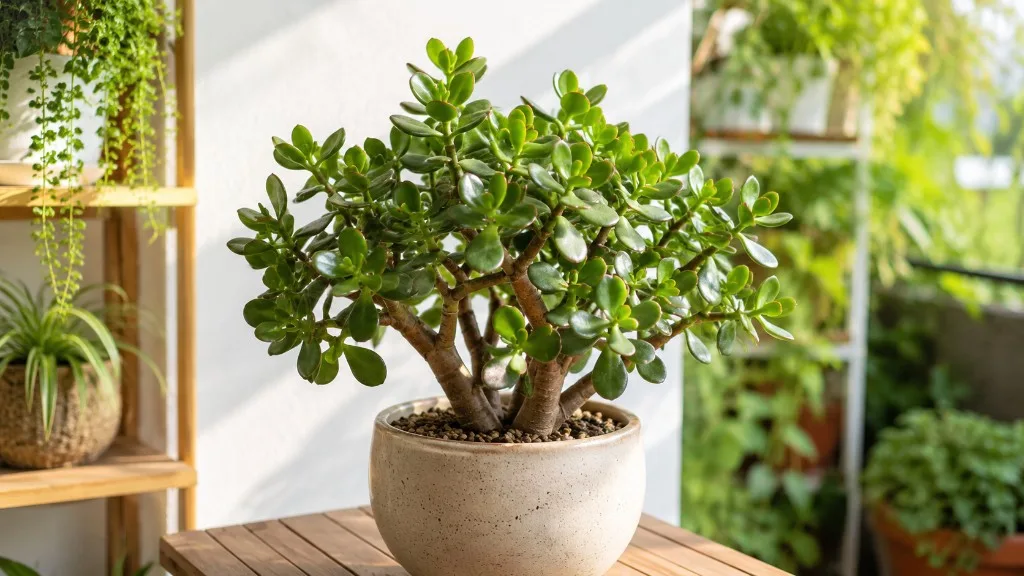
Jade Plant Repotting: When, How, and Mistakes to Avoid
Jade Plant Repotting: When, How, and Mistakes to Avoid
Jade plant (Crassula ovata) is one of the most forgiving houseplants you can own - until repotting goes wrong. A pot that is too large, soil that holds water too long, or a move timed in the middle of winter dormancy can turn a stable, woody succulent into a leaf-dropping mess that takes weeks to recover. The good news is that jade repotting is straightforward once you understand how Jade Plant overview’s roots actually behave. Unlike fast-growing tropicals that need annual upgrades, jade grows slowly indoors, develops a compact shallow root system, and often performs well when slightly root-bound. Repotting is less about chasing a calendar date and more about reading what the roots and soil are telling you, then matching your timing and technique to the plant’s natural rhythm.
What Repotting Means for Crassula ovata
Repotting a jade plant means moving it into fresh, fast-draining soil and a container sized for its current root mass - not its aspirational future size. The goal is to replace depleted or compacted mix, give circling roots room to spread outward, and restore a stable base for a plant that can become genuinely top-heavy as its woody stems thicken. Done well, repotting resets the soil chemistry, improves drainage, and sets up healthier watering rhythms for the next several years. Done poorly - with an oversized pot, soggy mix, or aggressive root stripping - it triggers transplant shock that shows up as dropped leaves, stalled growth, and in the worst cases, root rot before the plant has a chance to establish.
For jade specifically, repotting is a maintenance event, not a growth hack. This South African succulent stores water in its thick leaves and stems, which means its root system does not need a large volume of wet soil to survive. In fact, too much unused soil volume is one of the most common reasons jade struggles after a repot. The roots spread shallowly and fibrously rather than diving deep, so a wide-but-not-deep pot often suits the plant better than a tall, narrow one. Understanding that architecture is the foundation for every other decision in this guide - pot size, soil depth, how much old mix to remove, and how long to wait before watering again.
Why Jade Plants Can Stay Root-Bound Longer Than You Think
Jade plants tolerate being root-bound far better than most houseplants. Clemson HGIC notes that jade can live quite happily for years while root-bound, though repotting is still needed when the plant becomes top-heavy or mix degrades. Young jade plants in active growth may need repotting every two to three years, while slow-growing mature plants can often go four to five years - and sometimes longer - between full repots. That interval is a range, not a rule. A fast-growing jade in bright light and a warm room will outgrow its pot sooner than a compact bonsai-trained specimen sitting in moderate light.
Being slightly root-bound can even encourage the tight, bushy growth many growers want. The constraint on root expansion signals the plant to invest energy in stems and leaves rather than root exploration - a pattern familiar to anyone who has grown succulents in shallow bonsai trays. The problem starts when root-binding crosses from “comfortably snug” into “structurally stressed.” At that point, the root mass displaces so much soil that water behavior changes, nutrients deplete faster, and the physical stability of the plant in its pot becomes compromised. Your job is to distinguish healthy tolerance from genuine need, then act during the season when the plant can recover fastest.
Signs Your Jade Plant Needs Repotting
Jade plants do not send push notifications when they need a bigger pot. They communicate through slower, subtler signals that are easy to misread if you are only watching the leaves. The most reliable indicators involve the relationship between roots, soil, and water - not just the calendar. If you are debating whether this spring is the right window, start with a physical inspection rather than a schedule. Gently slide the plant partway out of its pot or peek through the drainage hole. White or light-tan firm roots are healthy. A solid mass of roots with little visible soil, roots wrapping around the outside of the root ball, or roots emerging from drainage holes all point toward a repot.
Other signs appear in day-to-day care. When water pours through the pot within seconds of watering and the soil never seems to absorb moisture properly, the root mass has likely consumed the mix’s structure. When the plant wobbles or tips despite a healthy stem, the base may be too small for the weight above it. When new growth stalls for an entire growing season despite good light and appropriate watering, depleted or compacted soil may be limiting nutrient uptake. None of these signs alone is an emergency, but two or more together make a convincing case for repotting during the next active growth window.
Root-Bound Signals Worth Acting On
The clearest root-bound signals are visual and tactile. Roots visible at the drainage holes or circling tightly around the soil surface mean the current container has become a mold the roots are growing to fit. When you tip the plant out, a root ball that holds the shape of the old pot - with roots spiraling along the edges - confirms the diagnosis. In severe cases, the pot itself may crack from internal pressure, or you may need to run a clean knife around the inside edge to free the plant. These are not reasons to panic, but they are reasons to stop postponing the move.
Water behavior changes are equally telling. A root-bound jade often goes from “water when dry” to “water runs straight through without soaking in.” That happens because the dense root mat leaves little room for mix to hold moisture, so the plant dehydrates even when you are watering on schedule. You may notice leaves wrinkling slightly or feeling less plump, especially on lower branches. Bottom-watering can temporarily help by rehydrating a severely dry root ball, but it does not replace the need for fresh soil and a properly sized pot.
When Growth Stalls Despite Good Care
Stalled growth is the sign most growers overlook because jade is already a slow plant. A healthy jade in spring and summer should produce at least some new leaf pairs or stem extension when light is adequate. If an entire growing season passes with no fresh growth - and you have ruled out insufficient light, chronic overwatering on Jade Plant, and pest issues - old soil is a prime suspect. Potting mix breaks down over time. Organic components decompose into finer particles that compact, reducing air pockets around roots. Salts from tap water and fertilizer can accumulate to levels that irritate roots. Repotting into fresh, gritty mix removes that degraded environment and gives the plant a clean start.
Top-heaviness is a separate but related trigger. As jade stems lignify - turning from green and flexible to brown and woody - the plant’s center of gravity rises. A lightweight plastic pot that worked fine for a young plant may no longer anchor a mature specimen, even if the roots are not yet circling. In that case, repotting into a wider, heavier container is as much about stability as about root room. Matching pot weight to plant size prevents tipping that can snap brittle branches and set recovery back further than the repot itself.
Best Time of Year to Repot Jade Plant
Timing matters more for jade than for many houseplants because its recovery speed is tied directly to how actively it is growing. Spring and early summer are the ideal windows for repotting. As daylight lengthens and temperatures rise, jade exits its winter slowdown and enters a phase of active metabolism. Roots generate new tissue faster, wounds from trimming callous more quickly, and the plant has the energy reserves to push past mild transplant shock. In most temperate-climate homes, March through June covers the sweet spot, though the exact month matters less than whether you see new growth starting.
Repotting during active growth is not a casual preference - it is a practical recovery strategy. Wisconsin Horticulture Extension recommends repotting as new growth starts in spring, when lengthening days give the plant months to colonize fresh mix before the next dormancy. For jade, that translates to visible results: new leaf buds within two to four weeks after a well-timed repot, compared with weeks of dormancy if you move the plant during winter.
Spring and Early Summer: The Recovery Window
Spring repotting aligns with the plant’s natural rhythm in its native range of South Africa, where winter is dry and mild and summer brings growth. Indoors, you are mimicking that pattern by repotting when the plant is waking up, not when it is trying to rest. Before you start, check that your jade is actually entering growth - look for swelling leaf buds, slightly brighter green on new tips, or a subtle increase in water uptake compared with winter. If the plant is still fully dormant in late winter, waiting a few more weeks costs nothing and gains you a faster recovery.
Summer repotting is acceptable in homes with stable temperatures and no extreme heat stress. Avoid repotting during a heat wave or immediately before leaving the plant in a hot, sun-exposed window while roots are still healing. Jade Plant light guide is ideal post-repot; harsh direct afternoon sun on a stressed root system can accelerate leaf drop. If summer is your only available window, repot in the morning, keep the plant in a stable, moderately bright spot, and extend the post-repot watering wait by a day or two if temperatures are high.
When Winter Repotting Is the Lesser Risk
Winter repotting is generally worth avoiding because jade metabolism slows and root healing takes longer in cool, low-light conditions. The combination of disturbed roots, cool soil, and reduced evaporation creates favorable conditions for rot if any moisture lingers too long. However, there are emergencies where waiting until spring is the greater risk. Active root rot - mushy brown roots, sour-smelling soil, soft stems at the base - requires immediate intervention regardless of season. A severely root-bound plant that cannot absorb water and is visibly declining is another exception. In those cases, repot into dry, fresh mix, trim all compromised roots with sterilized scissors, and accept a longer, slower recovery.
If you must repot in winter for a non-emergency reason, reduce every source of stress. Skip fertilizer entirely for at least six weeks, wait a full week before the first watering, and keep the plant in its brightest available spot without introducing new temperature swings. Do not expect new growth until spring regardless of how clean the repot goes. Patience is the aftercare strategy when the calendar is working against you.
Choosing the Right Pot Size and Material
Pot selection is where jade repotting diverges most sharply from conventional houseplant advice. Bigger is not better. The correct new pot is only slightly larger than the current one, with functional drainage holes and enough weight to support the plant’s woody structure. Depth matters less than width for jade’s shallow root habit, but drainage holes are non-negotiable. A decorative pot without holes is a container for future root rot, not a home for a succulent that needs its mix to dry between waterings.
Before you buy, measure the current pot’s inside diameter at the rim. Your new container should be one to two inches (roughly 2.5 to 5 cm) wider - not deeper unless the current pot is unusually shallow. If your jade is in a 6-inch pot, move to 7 or 8 inches, not 10 or 12. The same rule applies whether you are upgrading from a 4-inch nursery pot or a 10-inch floor specimen. When in doubt, choose the smaller of two reasonable options. You can always repot again in three years; you cannot easily undo rot caused by a pot that stayed wet for months.
The One-Size-Up Rule and Why It Matters
The one-size-up rule exists because unused soil volume holds moisture the root system cannot quickly absorb. Jade roots explore new space slowly indoors. In an oversized pot, the outer ring of soil stays wet long after you water, while the inner root zone may dry normally - a deceptive pattern that tricks growers into watering again too soon. That persistent moisture around underpopulated soil is the most common post-repot root rot scenario for succulents. Keeping the new pot only slightly larger means roots reach the edges within a season, the full soil volume participates in the wet-dry cycle, and watering returns to a predictable rhythm.
There is a second reason the rule matters for jade specifically: the plant’s water storage in leaves and stems. Because jade carries reserves above ground, it tolerates brief dry periods in new mix far better than it tolerates chronic dampness in an oversized pot. After repotting, you will wait several days before the first watering. In a correctly sized pot with gritty mix, that dry window is harmless. In a pot with twice the necessary soil volume, the same waiting period can still leave the outer zones wet enough to invite fungal damage. Size the pot for the roots you have today, not the canopy you hope to have in two years.
Terracotta, Ceramic, and Plastic Compared
Terracotta is the classic choice for jade and for good reason. Unglazed clay breathes through its walls, pulling moisture from the soil and accelerating the dry cycle that succulents prefer. The added weight also helps anchor top-heavy plants. The trade-off is faster drying, which means more frequent watering checks during hot summers and a higher risk of the pot cracking if dropped. For most indoor jade growers, terracotta’s drainage advantage outweighs those drawbacks.
Glazed ceramic pots are attractive and heavy enough for stability, but the glaze seals the walls and reduces breathability. They work well if drainage holes are large and the soil mix is genuinely gritty. Avoid pairing glazed pots with dense potting soil - that combination holds moisture longer than jade comfortably tolerates.
Plastic nursery pots are lightweight and inexpensive, making them fine for younger plants but increasingly inadequate as stems woody and weight increases. If you use plastic for a mature jade, place it inside a heavier decorative cachepot for stability, and always remove it during watering so water never pools at the bottom. Whatever material you choose, scrub the new pot with hot water and, if reusing, a dilute hydrogen peroxide rinse to eliminate residual pathogens from previous plants.
Soil Mix and Drainage for Repotting
Soil is the other half of the repotting equation, and for jade it is arguably more important than pot size. This plant evolved in rocky, well-drained conditions - not in moisture-retentive peat mixes designed for tropical foliage plants. Fresh repotting soil should drain fast, dry evenly, and retain enough structure to stay airy for years. Wisconsin Horticulture Extension notes that jade needs well-drained, high-porosity potting mixes designed for succulents or cacti, with extra perlite or sharp sand added to standard mix when needed. Regular indoor potting mix on its own is a poor choice.
The baseline recommendation is a commercial cactus and succulent mix, which is formulated with a higher proportion of mineral grit and lower water retention than standard houseplant soil. Before using any bagged mix, check the label for peat or coco coir content and consider amending further if the texture feels spongy rather than loose. Your goal is a mix that crumbles when dry and does not form a solid wet clump when squeezed after watering.
Store-Bought Mix vs DIY Blends
Store-bought cactus mix is a practical starting point for most growers. It is consistent, pasteurized, and saves time. For jade, improving a commercial mix with extra drainage material is rarely a mistake. A reliable approach is to blend two parts cactus or succulent mix with one part perlite or pumice, which increases air space and prevents long-term compaction. Clemson HGIC also suggests a DIY blend of one part sterilized organic soil, one part sphagnum peat moss, and three parts coarse sand by volume.
If you prefer a fully DIY blend, combine 40 percent standard potting soil, 30 percent perlite, and 30 percent coarse grit or pumice. A handful of orchid bark can improve aeration without retaining excessive moisture. Avoid fine play sand, which compacts; use horticultural-grade coarse sand or poultry grit instead. Do not reuse old soil from the previous pot, even if it looks fine. It may carry fungal spores, salt buildup, or pest eggs, and its structure is already degraded. Fresh mix is one of the main benefits of repotting - treat it as essential, not optional.
Step-by-Step: How to Repot Jade Plant
With timing, pot, and mix decided, the physical repot is a focused twenty-minute task. Gather everything before you start: the new pot, fresh mix, clean scissors or pruning shears, a chopstick or pencil for settling soil, newspaper or a tray for mess, and optionally gloves since jade is toxic to pets and the sap can irritate sensitive skin. Work in a well-lit area where you can lay the plant on its side without risking snapped branches.
The pre-repot watering question trips up many growers. Two approaches work, and the right one depends on your plant’s current state. If the soil is already dry and the plant is moderately root-bound, stop watering for five to seven days before repotting so the mix releases cleanly and roots are less fragile. If the plant is severely dehydrated - wrinkled leaves, bone-dry soil that has shrunk from the pot walls - bottom-water for ten to twenty minutes one to two days before repotting so roots are pliable and less prone to snapping. The worst middle ground is repotting soaking-wet soil, which smears into a muddy mess and tears fine root hairs.
Removing the Plant Without Breaking Stems
Lay the pot on its side and support the jade’s main stem with one hand while you ease the pot away with the other. Never yank the plant by its stems or leaves - mature jade branches are woody but can snap at the joint where they meet the trunk, and wounds at the base heal slowly. If the plant resists, squeeze flexible plastic pots to loosen the root ball, or slide a clean knife around the inside perimeter of rigid pots. Tap the rim gently on a firm surface. Patience beats force every time.
Once free, hold the root ball and brush away loose old soil from the top and sides with your fingers. You do not need to remove every particle of old mix. Aggressive bare-rooting - washing all soil away - strips the fine root hairs that absorb water and nutrients, setting recovery back by weeks. Keep the central root mass intact and only tease apart the outer circling roots at the bottom and sides. If roots are densely matted at the base, you can shave off the bottom quarter-inch of the root ball with clean scissors to encourage new outward growth.
Inspecting and Trimming the Root Ball
Healthy jade roots are white, cream, or light tan and firm to the touch. Dark brown, black, mushy, or hollow roots are compromised and should be removed entirely. Cut back to firm tissue, sterilizing your scissors between cuts with isopropyl alcohol if you suspect rot. If you removed a significant volume of damaged roots, let the trimmed root ball air-dry for 12 to 24 hours before planting so cut surfaces callous. This step is especially important for rot-rescue repots and less critical for routine upgrades with minimal trimming.
Place a layer of fresh mix in the bottom of the new pot - enough so the plant will sit at the same depth it occupied before. Do not bury the stem deeper than it was previously, as stem tissue buried in moist soil is prone to rot on jade. Set the plant in the center, then fill around the sides with mix, using a chopstick to settle soil into gaps without compacting it. The soil surface should sit about half an inch below the pot rim to leave room for watering. The plant should feel stable without being packed in so tightly that roots cannot breathe.
Aftercare and Recovery Timeline
The repot is not finished when the plant is in its new pot. The two to six weeks after the move determine whether your careful work pays off or whether transplant shock escalates into lasting damage. Jade will often look slightly subdued immediately after repotting - a few lower leaves may yellow and drop, and the plant may appear unchanged for a week or two. That is normal within limits. Sustained wilting, heavy leaf loss across multiple branches, or softening at the stem base are not normal and point to overwatering, rot, or a pot that is still too large.
Recovery follows a predictable arc when conditions are right. Days 1 to 7: the plant adjusts to disturbed roots; hold off on watering and keep light bright but not scorching. Weeks 2 to 3: mild shock symptoms fade; you may see the first new growth if the repot was timed in spring. Weeks 4 to 6: roots establish into fresh mix and the Jade Plant watering guide stabilizes. Damaged leaves will not regenerate in place, but new leaves emerging at branch tips in normal size and color mean the plant is back on track.
Watering, Light, and Fertilizer After the Move
Wait three to seven days before the first watering after a routine repot. This dry window lets trimmed roots callous and prevents moisture from invading fresh wounds. When you do water, soak thoroughly until excess drains from the bottom, then empty the saucer. Do not mist the leaves or water lightly every day - deep, infrequent watering matches jade’s physiology better than surface sprinkles. For the first two to three weeks, check moisture deeper in the pot than usual because new mix dries differently than the degraded soil you removed.
Place the repotted jade in bright indirect light for the first one to two weeks. Avoid moving it immediately to a new window with stronger sun than it is accustomed to - combine only one major stress at a time. A stable temperature between 65 and 75°F (18 to 24°C) supports healing. Keep the plant away from heating vents and cold drafts that spike transpiration while roots are limited.
Hold fertilizer for four to six weeks after repotting. Clemson HGIC advises waiting four months before feeding repotted plants because fresh mix contains available nutrients and jade’s slowed uptake after root disturbance means excess fertilizer salts can burn tender new root tips. When you resume feeding, use a diluted balanced succulent fertilizer at half the label strength during the growing season. If you repotted because of rot, skip fertilizer for the entire first growing season and let the plant rebuild its root system before pushing leaf growth.
One practical note on pet safety: jade is classified as toxic to cats and dogs by the ASPCA, with clinical signs including vomiting, depression, and incoordination if ingested. During repotting, fallen leaves and soil debris on the floor are easy for curious pets to access. Clean the work area thoroughly after you finish, and return the plant to a spot out of reach before you move on to the next task.
Conclusion
Jade plant repotting rewards patience and precision more than enthusiasm. Move the plant when roots, soil, and stability - not the calendar - say it is time. Choose a pot only one size larger with reliable drainage, fill it with gritty succulent mix, disturb the root ball only as much as necessary, and time the work for spring or early summer when Crassula ovata is ready to grow. After the move, dry soil and bright stable light are your best allies for the first week; fertilizer can wait. Most jade plants recover from a well-executed repot within a few weeks and settle into the same low-maintenance rhythm that made them popular in the first place. When something goes wrong, the culprit is almost always excess moisture in too much soil - a problem you can prevent before you ever open the bag of potting mix.
When to use this page vs other Jade Plant guides
- Jade Plant overview - Start here for whole-plant context before deep-diving this topic.
- Jade Plant problems hub - Jump to symptom-specific fix guides when this care topic does not resolve the issue.
- Transplant Shock on Jade Plant - Escalate here when repotting adjustments are not enough.