Ficus Tineke Propagation: Stem Cuttings and Air Layering
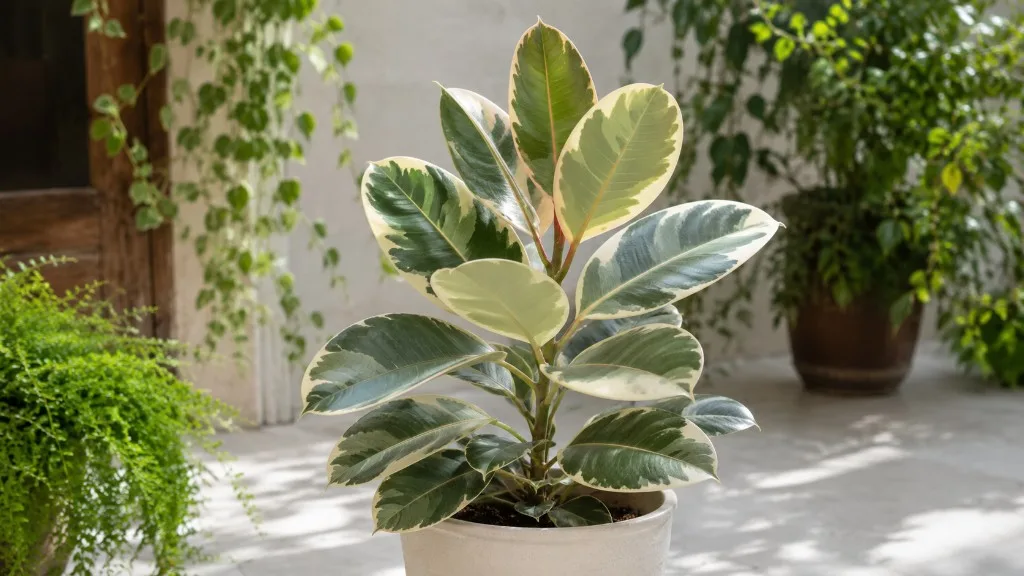
Ficus Tineke Propagation: Stem Cuttings and Air Layering
Ficus Tineke Propagation: Stem Cuttings and Air Layering
Ficus Tineke propagation is reliable when you work with stem tissue that includes a node. The two dependable methods are stem cuttings and air layering. Both are established for rubber plants in extension guidance, while detached leaves are not considered a complete propagation method for producing a new plant Clemson Extension. If you care about keeping this cultivar’s cream-and-green look, rooting technique matters, but post-rooting light matters just as much.
Ficus elastica ‘Tineke’ behaves like other rubber plant cultivars for rooting mechanics, but it differs in one practical way: new growth patterning can shift after propagation. You can root two cuttings from the same parent and still get slightly different cream balance on early leaves. That is normal for variegated cultivars, not proof you failed.
If symptoms persist, see the Brown Tips on Ficus Tineke guide.
Quick Method Selection
Pick stem cuttings when you have healthy pruned tips or side stems and want the fastest, lowest-effort route to extra plants. Pick air layering when your Tineke is tall and bare-stemmed but has a strong leafy top you want to preserve. Air layering takes longer, but success odds are often higher on thick woody stems because the top stays attached and fed while roots form.
If you are unsure, start with one cutting and one air layer on the same parent during active growth. That gives you a controlled comparison in your home conditions and usually answers which method fits your setup better than internet averages.
Why Leaf Cuttings Cannot Make a New Plant
A single Tineke leaf in water can grow roots and still never produce a stem. The missing part is the node. Rubber plants are propagated by stem or tip cuttings and by layering, not by detached leaves as a full plant-making route Clemson Extension. Root formation alone does not guarantee shoot formation.
This myth persists because rooted leaf cuttings can stay alive for months, which looks like progress. In practice, no node means no meristem source to push new stem growth, so the cutting stalls as a rooted leaf.
What a Node Does
The node is where leaf and bud tissues meet, and it carries the meristematic potential needed for new shoot growth. On Ficus stems, it appears as the leaf attachment point with a ring/scar and often a dormant bud nearby. Make your cut just below a node, and keep at least one node in the rooting zone.
If you cannot confidently identify a node, do not cut yet. Trace a leaf petiole to the stem junction and mark that point first.
Best Time to Propagate Ficus Tineke
Use spring through early summer as your primary propagation window. Rubber plants root faster under warmer, brighter active-growth conditions Clemson Extension. Winter propagation can work under strong grow lights and stable warmth, but timelines usually stretch and rot risk rises.
Avoid taking propagation material from a plant that is recovering from cold drafts, recent repot shock, or active pest pressure. A stressed parent gives weaker cuttings and slower layers.
Tools, Setup, and Sap Safety
Use clean bypass pruners or a sharp sterile knife, a small pot or glass jar, airy propagation mix (or water), and optional rooting hormone. For air layering: long-fiber sphagnum moss, clear wrap, ties, and a toothpick or spacer.
Rubber plants release milky latex sap when cut, and extension sources note skin and stomach irritation potential if ingested Clemson Extension. Set up with paper towels, gloves, and a protected work surface before the first cut.
Pet and Skin Safety
Ficus/rubber plant toxicity is documented for cats and dogs by major poison-control resources ASPCA. Keep cuttings, sap wipes, and trimmed tissue away from pets. If sap touches skin, wash with soap and water; if ingestion is suspected in a pet, contact your vet or poison control.
Stem Cuttings Step by Step
Stem cuttings are the easiest method for most indoor growers and work well after routine pruning.
Choosing Viable Stem Material
Select firm green-to-semiwoody stems with at least one clear node and one or two healthy leaves. A 4-8 inch section is usually manageable. Avoid visibly soft, diseased, or heavily scarred material. On leggy plants, divide one long stem into multiple node-bearing sections instead of relying on a single oversized top.
Preparing and Callusing the Cutting
Cut just below a node. Remove lower leaves so no foliage sits under water or buried in mix. Blot latex sap and let the cut end dry briefly (about 30-60 minutes) before setting in medium. This short callus period can reduce early rot pressure on fresh wounds.
Apply rooting hormone only to the basal node area if used. It is optional, not mandatory.
Rooting in Water
Submerge the node and keep leaves above the water line. Place in bright indirect light, not harsh direct sun. Change water every 3-4 days to keep oxygen and reduce bacterial buildup. Expect root initials in roughly 2-4 weeks in warm active conditions; transplant once roots are 2-3 inches with some lateral branching.
Rooting in Soil
Use a small pot with drainage and an airy mix (for example, potting mix plus perlite). Insert the cutting so the node is buried and the stem is stable. Water once to settle, then keep the medium lightly moist, never soggy. A loose humidity tent can reduce wilt in very dry homes, but vent it regularly.
Air Layering Step by Step
Air layering is the best rescue option for tall, bare lower trunks with a healthy variegated canopy.
When Air Layering Is Better
Use air layering on thicker, woody stems where detached cuttings would be too large or wilt-prone. NC State lists layering among propagation approaches for Ficus elastica NC State Extension. It is also useful when you want a mature-looking new plant immediately after separation.
Diagonal Cut and Moss Wrap Method
Choose a point below the canopy you want to keep. Make an upward diagonal cut about one-third into the stem and keep it slightly open with a toothpick. Apply rooting hormone if desired. Wrap moist sphagnum around the wound, cover with clear wrap, and secure both ends.
Check moss moisture weekly; keep it damp, not dripping. When roots are visible through the wrap and the ball is well-filled, cut just below the rooted section and pot it with minimal disturbance.
Light, Temperature, and Humidity During Rooting
Rooting material should sit in bright indirect light. Missouri Botanical Garden guidance for Ficus elastica aligns with bright light/part shade and protection from harsh afternoon conditions Missouri Botanical Garden. During rooting, direct afternoon sun on cream variegation increases scorch risk and dehydration.
Keep temperatures around warm room conditions (roughly mid-60s to upper-70s F). Stable warmth accelerates callus and root formation; cold windowsills slow both. Moderate humidity helps, but stagnant enclosed setups invite mold.
Rooting Timelines and Success Signals
Typical indoor ranges: water-cutting roots often appear in 2-4 weeks; soil cuttings may take 4-8 weeks for firm resistance and new growth cues; air layers commonly need 8-16 weeks depending on stem thickness and season.
Success signals include: firm stem, clean white to tan roots, and eventual new leaf initiation. Failure signals include black mushy bases, sour odor, or full stem collapse. Remove failed material early to protect healthy propagules nearby.
Variegation Expectations in New Plants
New Tineke plants are clones of parent tissue, but visible variegation intensity can still vary leaf-to-leaf. Early post-rooting leaves often lean greener while the root system catches up. Evaluate pattern after 3-4 new leaves, not immediately after potting.
If you want stronger cream expression, propagate from stems already showing balanced variegation and maintain bright indirect light after establishment.
How to Reduce Reversion Risk
Keep established propagules in the brightest non-scorching position you can provide, rotate periodically, and avoid long low-light stretches. If a branch reverts to solid green, prune it back to the last variegated node to prevent vigorous green growth from dominating the plant.
Transplanting and First 6 Weeks of Aftercare
Transplant rooted cuttings into small pots with drainage and airy mix. Water thoroughly once, then let the top layer dry before repeating. Avoid fertilizer for about 4-6 weeks after transplant to protect new roots.
For air-layered tops, keep the root ball stable, avoid aggressive root teasing, and give consistent bright indirect light. Some loss of older leaves can happen during transition; focus on healthy new growth as the recovery marker.
Troubleshooting Failed Cuttings and Layers
If cuttings rot repeatedly, troubleshoot in this order: node presence, medium wetness, temperature, and sanitation. The most common mistakes are leaf-only cuttings, overwet media, stagnant water jars, and low-light winter attempts.
If an air layer stalls, check moss moisture and wound openness. Re-cutting slightly above/below the original wound can restart rooting on stubborn stems. Do not keep piling interventions at once; one controlled adjustment at a time improves diagnosis.
When to use this page vs other Ficus Tineke guides
- Ficus Tineke overview - Start here for whole-plant context before deep-diving this topic.
- Ficus Tineke problems hub - Jump to symptom-specific fix guides when this care topic does not resolve the issue.
Related Ficus Tineke guides
- Ficus Tineke overview
- Ficus Tineke watering
- Ficus Tineke light
- Ficus Tineke soil
- Ficus Tineke fertilizer
- Ficus Tineke repotting
- Ficus Tineke problems
Conclusion
Ficus Tineke propagation works best when you stay node-first and method-specific: stem cuttings for speed and simplicity, air layering for large woody stems and leggy-plant resets. Detached leaves can root but are not a reliable path to full new plants because they lack the stem node required for shoot formation.
Handle latex sap safely, root in warm bright-indirect conditions, and set realistic timelines by method. After rooting, light quality becomes the main driver of how well new plants hold Tineke variegation. If you keep moisture disciplined and avoid stacked stressors, this cultivar is one of the more repeatable indoor ficus propagation projects.