Duckweed Transfer Guide: Tanks & Ponds
Duckweed Transfer Guide: Tanks & Ponds
Duckweed Transfer Guide: Tanks & Ponds
Why Duckweed Does Not Get “Repotted”
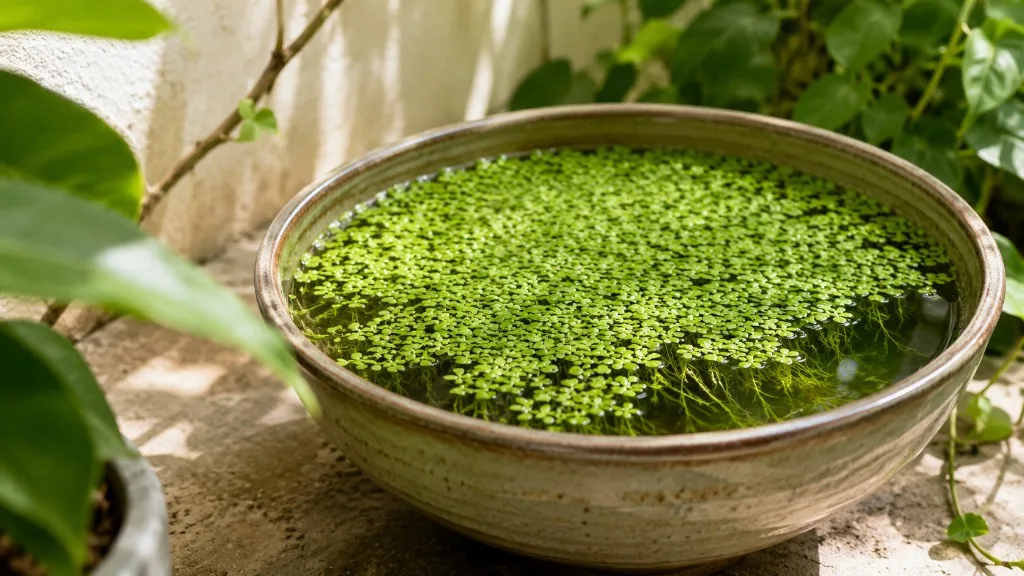
If you landed here searching for duckweed repotting, the first useful correction is simple: duckweed is not potted in soil, so there is no root ball to lift, no drainage hole to upsize, and no potting mix to refresh. Duckweed - most often Lemna minor, Spirodela polyrhiza, Landoltia punctata, or related Wolffia species in the Araceae family - lives as tiny floating fronds on open water. Each frond is essentially a complete plant that reproduces by vegetative division, splitting into daughter plants as conditions allow. What aquarists and pond keepers actually need is a culture transfer: moving a portion of the floating mat from one body of water to another while controlling pests, water chemistry, and how much surface the plant is allowed to cover.
That distinction matters because the failure modes look nothing like terrestrial transplant shock. Duckweed does not wilt from disturbed roots; it sinks, bleaches, or vanishes when water quality, temperature, or flow is wrong after a move. It also does the opposite problem - explosive spread - when a transfer succeeds too well. Under bright light and nutrient-rich water, Lemna cultures can double their biomass roughly every two days in optimal conditions according to wastewater-treatment and aquaculture literature on duckweed productivity. A teaspoon of fronds dropped into a warm, still tank can carpet the surface within a week. Transfer work is therefore less about “giving roots room” and more about choosing the right vessel, starting quantity, and post-move management rhythm.
What Transfer Actually Means for Floating Plants
A duckweed transfer has four practical parts: collection (skimming fronds off the source surface), cleaning (rinsing and inspecting for hitchhikers), holding (quarantine or grow-out in a separate vessel), and introduction (placing fronds on the destination water with matched temperature and chemistry). None of these steps involve soil, and none require a larger “pot.” The closest analogue to repotting is moving the culture into a bigger or cleaner tub - for example, shifting duckweed from a small quarantine jar into a dedicated grow-out container because your turtle ate the last batch faster than it recovered, or splitting an overcrowded mat so your filter intake stops clogging.
Healthy duckweed roots are short, hair-like structures that dangle into the water column; they anchor nothing. When you scoop duckweed, you are moving individual plants and the biofilm they carry, not a structured root system. That biofilm is why quarantine exists: snails, snail eggs, planaria, hydra, algae spores, and occasionally pesticide residues from commercially grown stock can ride along on fronds that look perfectly green. Treat every incoming culture as a potential contaminant vector until an observation period proves otherwise, even when the seller is trustworthy.
When You Need to Move Duckweed
Not every duckweed adjustment requires a full transfer. Sometimes thinning in place - skimming 30–50% of the surface and discarding or composting it - solves the problem without moving the culture to a new tank. Transfer becomes the right call when the environment itself needs to change: you are setting up a new aquarium, restarting a crashed tank, moving duckweed from an indoor culture tub to an outdoor pond, consolidating multiple small cultures into one grow-out vessel, or isolating new stock before it touches fish, shrimp, or turtles.
The other major trigger is equipment conflict. Duckweed excels at finding filter intakes, skimmer weirs, and pump pre-filters. If you have pulled fronds out of an HOB intake twice in one week, the issue is not root-bound soil - it is surface area exceeding what your hardware tolerates. Moving part of the culture to a separate grow-out tub (or permanently reducing the in-tank fraction) is often easier than fighting the filter every day. Turtle keepers face a parallel trigger: if grazing keeps the main display tank bare, a backup culture in a separate container under a window or cheap LED is insurance against total loss.
Seasonal moves add another layer. Outdoor pond duckweed dies back or slows in cold climates; indoor overwinter cultures need transfer back to ponds in spring after temperature matching. Rushing that move - dropping cold-framed fronds into a warm summer pond in one step - causes more die-off than the season naturally would.
Signs It Is Time to Relocate or Split a Culture
Several signals together mean plan a transfer or split within the next few days, not next month. Surface coverage above 60–70% in a mixed planted tank is the most common threshold; above that, submerged plants below lose light and gas exchange at the surface becomes uneven. Daily filter clogging is the second clear sign - if foam pre-filters load with green fronds every 24 hours, the in-tank population is too large for the system. Yellowing or shrinking fronds across the whole mat after a water-quality event (medications, ammonia spike, extreme pH swing) often means the biofilm on the existing mat is stressed; moving a clean subset to fresh dechlorinated water in a new vessel resets the culture faster than waiting for recovery in a compromised tank.
For new acquisitions, transfer logic runs in reverse: you move duckweed away from your main system first. Any fronds from a pet store, fellow hobbyist, wild pond, or online shipment should live in a quarantine vessel until you are confident they carry no pests and no chemical residues. Wild-collected duckweed deserves extra caution for local invasive-species laws and unknown pathogens; never release excess duckweed into streams, lakes, or storm drains - disposal should be bag-and-bin or compost away from open water.
Quarantining New Duckweed Before Introduction
Quarantine is the single highest-value step in duckweed transfer, and it is the one most skipped because duckweed looks harmless. It is harmless visually - until bladder snails breed by the hundreds, planaria flatten your shrimp colony, or copper-based plant dips from wholesale suppliers wipe sensitive invertebrates. Aquarium plant sellers, including tissue-culture and potted aquatic plants, routinely recommend isolation before introduction; duckweed is actually harder to sterilize than rooted plants because you cannot trim off a sterile stem base. Every frond is live tissue exposed to the source water.
A practical quarantine runs one to two weeks minimum for trusted hobbyist sources, and three to four weeks for unknown commercial stock or wild collection. During that window you are not trying to grow a display mat - you are observing. Healthy duckweed in a quarantine tub should multiply; that growth confirms the culture is viable. Your daily job is to look for what should not be there: jelly-like snail egg clusters, tiny spiral shells, worm-like planaria on the glass, hydra that retract when prodded, or filmy algae that suggests a spore load. Remove pests manually when you see them; do not assume a rinse eliminated eggs.
The Minimum Quarantine Setup
You do not need a second aquarium. A clean plastic food container, glass jar, or small storage tub with one to five liters (about one quart to one gallon) of dechlorinated water is enough for a starter culture. Match temperature to your destination tank as closely as practical - room temperature is fine for most tropical community setups in the 72–78°F (22–26°C) range. Provide light: a desk lamp, window sill with indirect sun, or a cheap LED over the tub. Duckweed without light bleaches and stops dividing, which makes quarantine pointless because weak fronds hide nothing about pest viability.
Optional but useful: a small air stone on very gentle flow. Duckweed prefers still or slow water; heavy bubbling pushes fronds underwater. Light aeration without surface chaos is enough to keep oxygen reasonable in a container with no filter. No filter is required for quarantine if you perform partial water changes every two to three days - replace 30–50% with fresh dechlorinated water and wipe pest eggs off the container walls while the water is low. Label the tub “quarantine - do not dump” so nobody accidentally pours it into a display tank during a careless cleanup.
Inspection and Cleaning Steps
Before duckweed enters the quarantine tub, run a structured clean - not a casual swirl. Step one: float fronds in a shallow bowl of dechlorinated water and swirl vigorously for 30 seconds; pour off water and repeat three to five times. This dislodges loose debris and mobile pests. Step two: spread fronds in a white or light-colored tray under bright light and inspect with naked eye or magnifier; pick out snails, odd plants, and dead fronds. Step three: optional plant dip for high-risk sources - common hobby options include potassium permanganate, hydrogen peroxide at aquarist-diluted concentrations, or alum solutions as described in aquatic plant quarantine guides. Dips kill some hitchhikers and stress or kill fronds if overdosed; always research exact ratios and exposure times, and never dip in a container you cannot discard safely.
After cleaning, place a small starting amount - roughly 10–20 fronds or a tablespoon-sized scoop - into quarantine rather than the entire purchase. Smaller starting populations make pest detection easier. If the culture grows cleanly for the full observation window with daily checks, skim a portion into your main tank. Keep the quarantine tub running another week as a backup; duckweed transfers are cheap insurance.
Choosing the Right Container or Pond Size
Vessel sizing for duckweed is where “repotting” advice goes most wrong if applied literally. A larger pot of soil holds more moisture than roots can use; a larger water surface holds more duckweed than your goal may allow. Size the vessel to surface area and purpose, not depth. Duckweed roots extend millimeters into the water column; depth beyond 10–15 cm (4–6 inches) adds almost no benefit for culture growth. Shallow, wide containers maximize frond count per liter and make skimming easier.
Surface Area Matters More Than Depth
Think in square centimeters or square inches of water surface, not tank volume. A 30 × 20 cm (12 × 8 inch) tub opening supports a modest hobby culture; a 60 × 40 cm (24 × 16 inch) surface supports serious grow-out for turtle feeding or nutrient export in a small pond loop. In display aquariums, the relevant surface is the tank footprint minus hardscape and open gaps - duckweed spreads only where water is open to air. A 75-liter (20-gallon) long tank offers more usable duckweed real estate than a 75-liter tall with the same volume because the surface rectangle is wider.
Growth rate ties directly to surface coverage time. If Lemna doubles every two days under strong light and nutrients, a culture that covers 25% of a tub today covers 100% in roughly four days unless you thin. That math drives vessel choice: backup cultures can live in small tubs you skim weekly; display tanks need either a small starting inoculum or a floating corral that limits spread to a corner. Never introduce a handful of duckweed to a small nano tank without a plan to skim within 48 hours - the transfer succeeds, then the tank fails from light blockage.
Matching Vessel Size to Your Goal
For a display aquarium accent, start with 20–40 fronds on a tank with at least 40 cm (16 inches) of open surface length and plan to skim twice weekly. For a turtle grazing supplement, maintain a dedicated grow-out tub whose surface is at least twice the turtle’s basking footprint - turtles eat faster than a tiny jar produces. For outdoor pond inoculation, introduce duckweed to ponds of at least 1–2 square meters (roughly 10–20 square feet) of open surface unless you want near-total coverage within two weeks; large ponds need larger starting scoops but the same percent-coverage logic applies.
Indoor refugium or sump cultures should fit the plumbing: size the tub so skimmed fronds do not overflow into pump sections, and leave air gap above water so fronds do not ride spillover into equipment. When upgrading from a jar quarantine to a grow-out tub, move only clean, actively dividing fronds; leave behind the first vessel’s biofilm if snails appeared at any point during observation.
How to Transfer Duckweed Between Aquariums
Moving duckweed from Tank A to Tank B is straightforward mechanically and delicate ecologically. The mechanical part: turn off filters or lower flow so fronds are not pulled into intakes while you work; use a fine mesh net or spoon skimmer to collect fronds from the source surface; reserve a small portion if you want the source tank to keep some cover. The ecological part: match temperature within 2–3°F (1–2°C) between source and destination when possible, and avoid transferring during active medication, ammonia spikes, or pH crashes in either system.
Skimming, Rinsing, and Acclimation
Skim gently - crushing fronds releases cell contents that foul water briefly. Hold the net above a clean bucket of dechlorinated water, rinse by dipping and lifting twice, then float fronds on the destination surface by placing them flat with a finger or card rather than dumping from height. Duckweed that lands underwater often resurfaces within minutes, but repeated dunking damages small Wolffia more than robust Spirodela.
If temperature differs between tanks, float fronds in a zip bag or open container on the destination surface for 20–30 minutes while the water temperature equalizes - the same principle as fish acclimation, minus salinity concerns for freshwater. After release, leave lighting moderate for 24 hours; blazing light on a thin post-transfer mat sometimes bleaches fronds before they adjust. Resume normal light after you see active new division - tiny paired fronds appearing at the edges of existing ones.
Post-transfer, check the filter intake daily for the first week. Add a sponge pre-filter or intake guard if your hardware allows; duckweed transfers fail “successfully” when the mat is fine but the filter starves the tank of circulation. In shrimp or betta tanks where surface film matters, a floating ring or plant corral keeps duckweed in one zone without eliminating its nutrient-export benefit.
Moving Duckweed to Outdoor Ponds
Pond transfers introduce temperature, sunlight, and wildlife variables that indoor tanks do not. Outdoor Lemna and Spirodela handle Duckweed light guide once acclimated, but fronds grown under dim indoor light bleach white if moved straight to unshaded midday summer sun. Harden the culture by increasing light indoors for several days, or release duckweed on a pond surface with partial lily-pad or marginal shade, then let it spread into brighter zones as new fronds form under outdoor conditions.
Temperature and Water Chemistry Checks
Only transfer when pond water temperature is stable above 60°F (15°C) for temperate climates - cold snaps after release kill indoor-acclimated mats quickly. Match pH and hardness roughly to what the culture came from; extreme shifts from soft RO water indoors to hard alkaline pond water stall division for days. If your pond recently received algaecide, copper pipe runoff, or herbicide drift, wait at least one full turnover cycle before adding duckweed; floating plants take up chemicals from the surface film first.
Wildlife complicates pond transfers in both directions. Koi and goldfish eat duckweed aggressively - treat pond inoculation like feeding stock, not permanent decoration, unless the pond is enormous. Ducks and geese may transport duckweed between water bodies naturally (the plant’s name is not accidental), which is why never discard unwanted duckweed into natural waterways; invasive spread is a real regulatory issue in some regions. Compost excess on land or bag it for municipal waste.
When bringing pond duckweed indoors, quarantine as if it were a store purchase. Wild ponds carry parasite loads and snail diversity indoor tanks cannot tolerate. Rinse, isolate, and inspect for leeches, dragonfly nymphs, and microcrustaceans that ride pond scoops. One pond dip in a clean white tray reveals more than a week of hoping.
Splitting and Thinning Overgrown Mats
Thinning is maintenance, not failure. Once duckweed covers more surface than your goal allows, skim on a schedule rather than waiting for crisis. Weekly skimming in warm months and biweekly in cool months keeps 30–50% coverage in mixed tanks - enough for nutrient uptake and shade without blocking all gas exchange. Use a fine net with tight mesh; standard fish nets let fronds through and feel like shoveling sand.
When splitting a culture between two vessels, do not try for 50/50 visually - duckweed drifts. Skim most of the mat, leave a thin layer, move the skimmed portion to the second tub, then thin the source again three days later after fronds redistribute. Discard removed fronds in the trash or compost; flushing down drains connected to watersheds is irresponsible. For turtle backup systems, split so the grow-out tub always holds 2–3× what one feeding removes; that buffer rebuilds between meals.
If duckweed sinks en masse after thinning, the water may be oil-filmed, overdosed with dechlorinator, or low in oxygen at the surface. Skim debris, increase gentle surface ripple, and move a few healthy fronds to fresh water; sunk duckweed often rots and raises ammonia if left on the bottom.
Preventing Pest and Algae Hitchhikers
Duckweed’s small size is a pest-hiding advantage. Bladder snail eggs look like clear jelly dots on fronds or container walls; ramshorn eggs appear as pink or white clusters. Manual removal during quarantine beats post-infestation trapping in a display tank. Some keepers run snail-eating fish in quarantine tubs without shrimp - never combine quarantine with sensitive invertebrates until the culture is clean.
Algae spores on duckweed show as fine green dust that resists rinsing; extended quarantine with light reduction for a few days and water changes often clears the worst without killing fronds. Pesticide carryover from commercial aquatic plant farms is a documented risk in the broader hobby; long water-only soaks with aeration, changing water every few days for two to four weeks, is the most reliable degradation path when you suspect chemical treatment - dips alone may not penetrate duckweed tissue evenly.
Keep separate nets and scoops for quarantine and display. One shared net transfers snails even when fronds look clean. Rinse and dry tools between uses; duckweed dries to dust that revives when rewetted - shake tools outdoors before storing.
Common Transfer Mistakes
Most failed duckweed transfers trace to skipped quarantine, wrong starting quantity, or water shock - not “repotting too early.” Hobbyists accustomed to terrestrial plants often treat duckweed like a hardy afterthought: dump the whole bag in, turn the filter on, and discover snails by Friday. Others introduce too much duckweed to a small tank and then blame the plant for blocking light, when the error was inoculum size relative to surface area.
Temperature shock appears when air-conditioned room cultures meet warm pond sun or when winter pond fronds hit a heated aquarium without acclimation. Chemical shock follows recent tank meds - duckweed absorbs surface-active treatments first and dies while fish survive. Flow shock happens when strong filter outflow pins fronds underwater continuously; duckweed needs calm surface pockets.
Skipping Quarantine and Oversizing the Starting Amount
These two mistakes compound. A full-bag dump from a store into a 40-liter (10-gallon) tank can cover the surface in 72 hours, hiding snails until they breed. The fix is boring and effective: quarantine small, introduce small, skim on schedule. If you already overshot, skim aggressively for two weeks while filter-guarding and reducing light hours slightly until submerged plants recover - then move excess to a grow-out tub or discard responsibly.
If duckweed disappears entirely after a careful transfer, suspect pH extremes, copper, or hungry livestock before assuming the move killed it. Check ammonia and nitrite; inspect for copper-containing medications in tank history; ask whether shrimp or goldfish consumed the mat. Restart from backup quarantine culture if you maintained one - the main reason to keep a parallel grow-out tub is exactly this recovery path.
Conclusion
Duckweed transfer is not repotting - it is the deliberate movement of a floating culture between vessels, with quarantine, surface-area sizing, and post-move thinning doing the work that soil and pots never will. Treat every new batch as a potential pest and chemical carrier, hold it in a simple lit tub for one to two weeks, and introduce modest frond counts matched to your tank or pond surface. Skim on rhythm, guard filter intakes, and keep a backup culture anywhere turtles, fish, or filter flow can erase a mat overnight. Get those habits in place and duckweed becomes a manageable tool for shade, nutrient export, and feeding - instead of a surprise takeover the first time you scoop and pour.
When to use this page vs other Duckweed guides
- Duckweed overview - Start here for whole-plant context before deep-diving this topic.
- Duckweed problems hub - Jump to symptom-specific fix guides when this care topic does not resolve the issue.
- Root Rot on Duckweed - Escalate here when repotting adjustments are not enough.
Related Duckweed guides
- Duckweed overview
- Duckweed watering
- Duckweed light
- Duckweed soil
- Duckweed propagation
- Duckweed fertilizer
- Root Rot on Duckweed
- Duckweed problems
Related tool
Try the Pot Size Calculator with duckweed pre-selected to estimate needs for your setup.