Aphids on Cabomba: Causes, Checks & Fixes
Quick answer
Aphids on Cabomba usually colonize emergent stem tips, floating leaves, or flower stalks-not fully submerged whorls. First step: remove affected stems to a quarantine bucket and rinse or wipe off live aphids before returning any tissue to a fish or turtle tank.
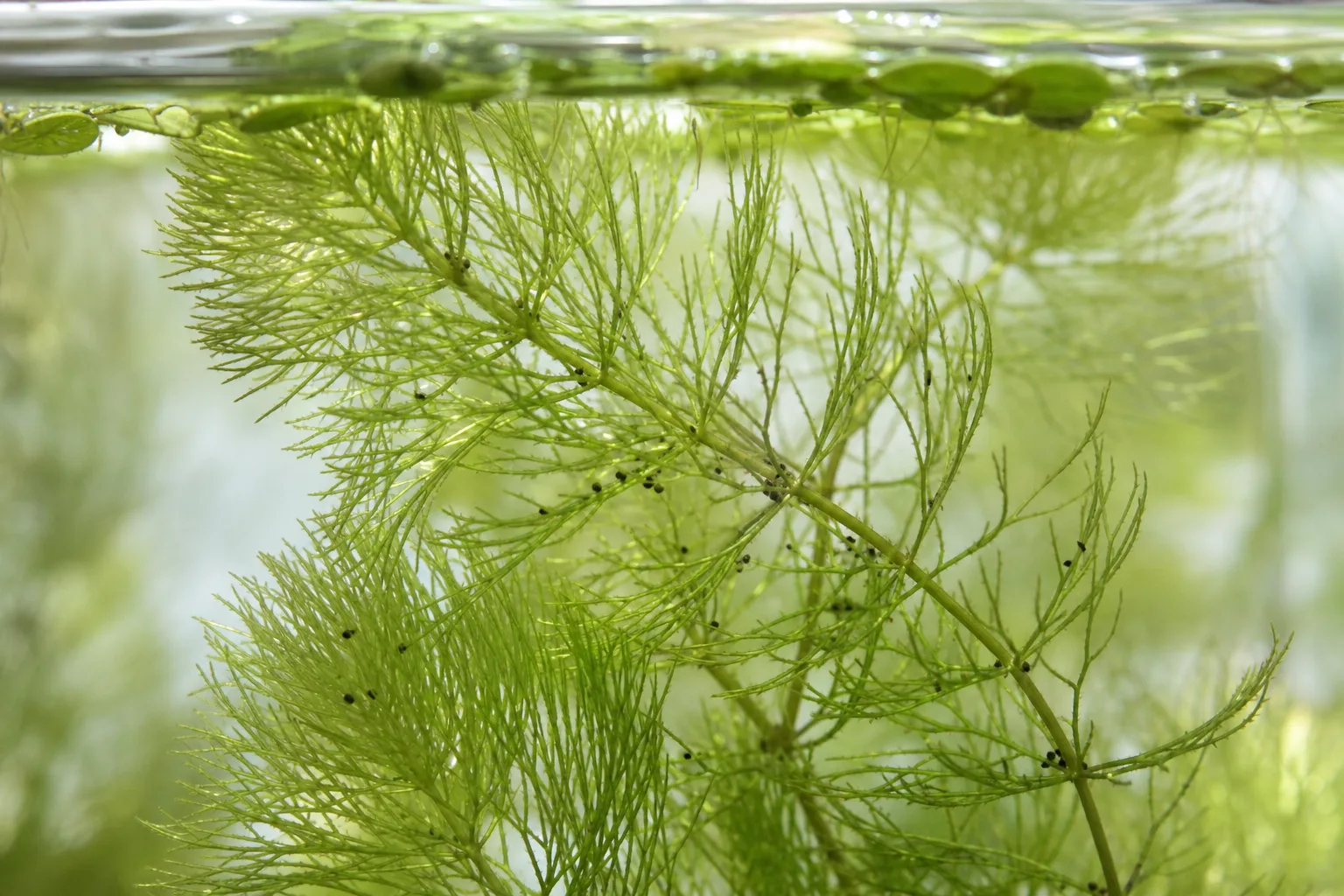
Aphids on Cabomba: Causes, Checks & Fixes
This guide covers aphids on Cabomba. See also the general Aphids guide, watering, and light pages for this plant.
Aphids on Cabomba: Causes, Checks & Fixes
Quick answer
Aphids are small, soft-bodied sap feeders that reproduce quickly on tender plant tissue. On Cabomba (Cabomba caroliniana), a delicate submerged stem plant with fine fan-shaped whorls, colonies almost always show up on emergent growth-stem tips at the waterline, small floating leaves, or flower stalks above the surface-not on healthy tissue deep under water.
First step: pull affected stems out of the tank and rinse or wipe live aphids off in a separate quarantine bucket of clean, dechlorinated water. Do not spray insecticides, neem, or copper products into a shared aquarium or turtle tank on day one. Cabomba stems crush easily, so work gently, trim heavily infested tips, and only return rinsed material after you confirm the colony is gone.
What aphids look like on Cabomba
Cabomba grows as opposite whorls of finely dissected submerged leaves on soft green stems. When light and water quality are good, the plant pushes new whorls fast-which is exactly where aphids settle.
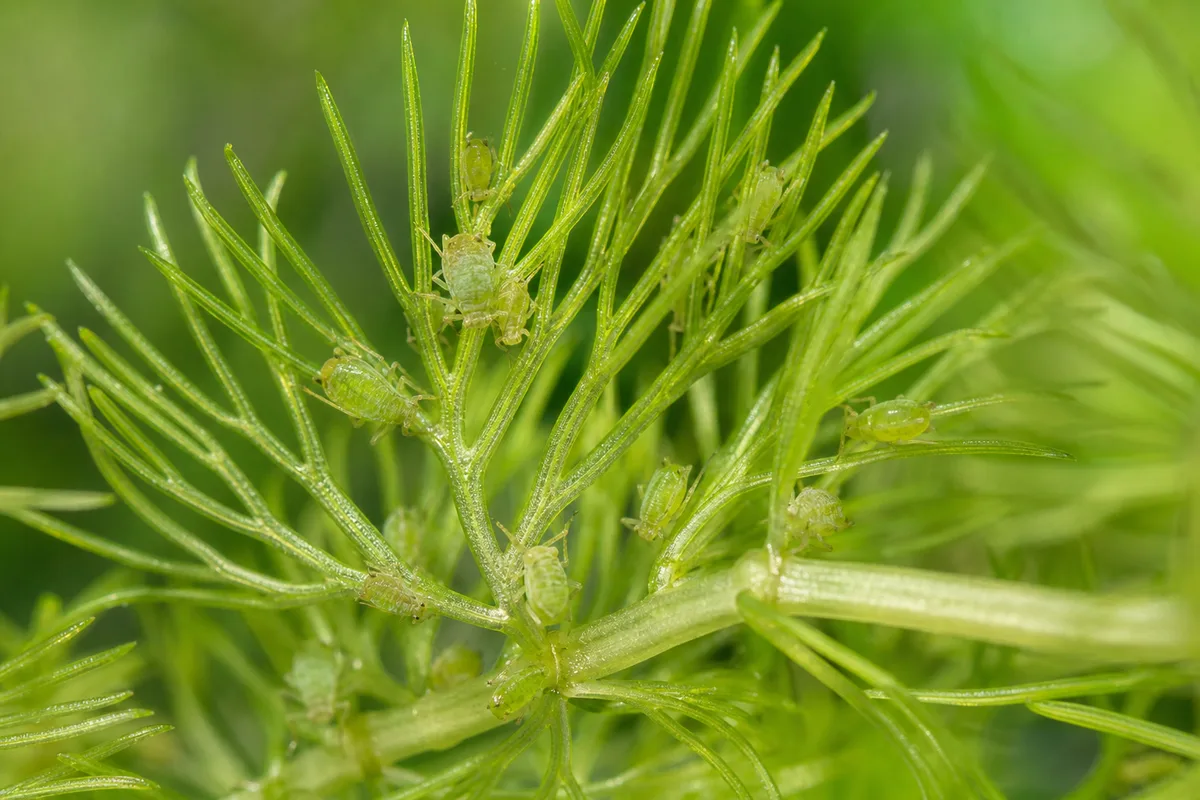
Aphids symptoms on Cabomba - compare with healthy tissue on the same plant.
Typical signs on Cabomba overview:
- Clusters of tiny pear-shaped insects on the newest whorls at or just above the water surface-often green, but sometimes black, brown, or reddish
- Colonies on emergent flower stalks or small floating leaves when the plant is allowed to bloom at the surface
- Sticky, shiny honeydew on stem tips that can drip into tank water and coat nearby glass or hardscape
- Ants on the tank rim, lid, or stand-often the first clue before you spot insects on fine Cabomba foliage
- Curled, stunted, or yellowing young whorls while older submerged fans still look normal
- Whitish cast skins on stem nodes after aphids molt
Fully submerged whorls are less common feeding sites unless stems sit shallow or aphids arrived on nursery stock grown with emergent tips. If every stem is melting evenly from the base up with no insects visible, suspect low light, dirty water, or post-move acclimation melt instead of aphids.
Why Cabomba gets aphids
Cabomba is an aquatic plant, but aphids are terrestrial insects that need access to soft tissue-usually tissue in air or at the waterline.
Emergent tips in bright tanks. Cabomba in bright aquarium or pond light sends stems toward the surface and can produce floating leaves and flowers. That soft emergent tissue matches what aphids prefer on houseplants: new shoots with high sap flow.
Hitchhikers on new stock. Aquarium Cabomba is often grown in greenhouses or outdoor nurseries before sale. Aphids commonly arrive on emergent tips of new stem bundles, propagation cups, or pond-margin plantings that were never quarantined.
Closed systems lack predators. Outdoors, lady beetles, lacewings, and syrphid fly larvae reduce aphid numbers. Inside a turtle tank or fish aquarium, few natural enemies reach the plants, so colonies can build on stem tips before you notice honeydew on the glass.
Water lily aphids on aquatic hosts. The water lily aphid (Rhopalosiphum nymphaeae) feeds on water lilies but can also feed on other aquatic plants. In summer it can cluster on leaves and buds above the waterline-relevant if your Cabomba blooms or floats at the surface.
Ants protect colonies. Ants harvest honeydew and defend aphids from predators. Open-top tanks, pond edges, and propagation trays near kitchen windows are common ant routes to emergent Cabomba tips.
Fast nitrogen-rich growth. Cabomba already grows quickly in clean, bright water. Extra fertilizer-especially in a low-tech tank-can push softer shoots that stay attractive to sap feeders longer.
How to confirm the cause
Work through these checks before you treat:
- Find the waterline - Follow each stem to where it meets the surface. Aphids cluster on the top whorls and emergent tissue, not randomly along firm submerged sections.
- Use a hand lens - Confirm pear-shaped bodies, legs, and antennae. Cast skins mean aphids were present even if live numbers look low today.
- Honeydew test - Rub a shiny patch on a stem tip. Honeydew feels tacky; normal wet Cabomba simply feels slick with water.
- Ant check - Ant trails on the tank rim strongly suggest aphids or other honeydew producers on emergent growth above.
- Shake test over white paper - Hold paper under an emergent tip and tap the stem. Aphids drop or stay visible; whiteflies create a small cloud of flying adults.
- Rule out melt - Uniform shedding of submerged whorls after a tank move, temperature swing, or dirty water usually lacks insect clusters and honeydew.
- Inspect new introductions - Compare quarantine buckets and recently added stems. One infested bundle explains colonies on otherwise clean Cabomba.
If you find live aphids on emergent tips plus honeydew or cast skins, the diagnosis is confirmed. Move to removal and quarantine-do not wait for the whole stand to yellow.
First fix for Cabomba
Remove every stem showing live aphids to a separate quarantine container of clean, dechlorinated water at tank temperature, then rinse or gently wipe aphids off emergent tips under a soft stream of room-temperature water.
Hold stems by the base, not the fine fans, so whorls do not shred. Direct water across the top whorls and any floating leaves until insects dislodge into the bucket-not back into your main display tank. Let treated stems rest in quarantine while you inspect what remains in the aquarium.
This one step physically removes most colonies, keeps honeydew from dripping into turtle or fish water, and shows how widespread the problem is before you consider sprays. Do not return stems until two inspections, several days apart, find no live aphids.
Do not dump insecticidal soap, neem oil, horticultural oil, copper, or general houseplant pesticides into a shared turtle or fish tank. Cabomba care guidance explicitly avoids copper and pesticide residues in turtle water. Treat emergent tissue outside the display tank if rinsing alone is not enough.
Step-by-step recovery
After the initial removal and rinse:
- Trim heavily infested tips - Cut off whorls and flower stalks that still carry dense colonies after rinsing. Cabomba regenerates from lower nodes when light and water stay stable.
- Repeat manual rinsing every two to three days in quarantine until inspections find no live aphids on emergent tissue.
- Apply insecticidal soap only outside the main tank if colonies persist after several rinses. Coat emergent tips where insects sit; contact products must touch live aphids. Rinse stems thoroughly in clean dechlorinated water before any return to a turtle or fish aquarium.
- Let fish or turtles eat dislodged aphids in a separate bucket if you are quarantining there-many aquarists use this on pond margins-but do not rely on livestock alone to clear dense colonies on emergent tips.
- Manage ants on tank stands, lids, and nearby counters so they stop reintroducing or protecting aphids on stem tips.
- Improve water clarity and flow once pests are gone. Melting, fouled stems attract secondary problems; remove shredded debris promptly so it does not clog filters.
- Hold off on propagation until parent stems stay clean for at least two weeks. Aphids transfer easily to shared trim buckets and new cuttings.
If a stem stays coated after repeated quarantine rinses and tip trims, discard it rather than returning it to a turtle tank. Starting from a clean cutting is often faster than fighting a persistent colony on delicate emergent tissue.
Recovery timeline
Manual knockdown shows results within two to three days when colonies are moderate and limited to emergent tips. A full quarantine cycle with optional soap treatment outside the tank often takes one to two weeks because aphids reproduce quickly on soft shoots.
Expect new whorls from lower nodes within one to two weeks once live aphids stay gone and light, temperature, and filtration remain stable. Old fans that yellowed or curled from feeding usually melt away rather than recover-judge success by clean new submerged growth, not every damaged tip you trimmed.
Lookalike symptoms to rule out
Acclimation or melt - Cabomba commonly sheds whorls after tank moves, temperature shifts, or dirty water. Melt affects submerged sections evenly, without pear-shaped insects, honeydew, or ants on the rim.
Snail or detritus specks - Small dots on stems may be snail eggs, algae, or debris caught in fine leaves. These do not move when prodded and do not leave sticky honeydew.
Algae on slow-growing tips - Hair or film algae coat stems in low-flow pockets. Wipe tests show green slime, not soft-bodied insects.
Spider mites - Rare on fully submerged Cabomba and more common on emergent nursery stock held in dry air. Mites cause stippling and fine webbing, not typical honeydew pools on stem tips.
Nutrient deficiency yellowing - Pale or yellow whorls across the whole stand in dim or cold water usually lack insect clusters. Fix light and water quality first if no aphids confirm on inspection.
Mistakes to avoid
Do not spray pesticides into a turtle or fish display tank. Copper, neem, and many houseplant products can harm aquatic livestock and stress delicate Cabomba.
Do not crush stems while wiping aphids-fine fans shred easily and foul water when they decay.
Do not return quarantined stems after a single rinse. Hold them until repeated inspections stay clean.
Do not ignore ants on the tank stand. They can reinfest emergent tips even after you clear the plants.
Do not confuse normal post-shipment melt with aphids and escalate to chemicals. Confirm insects first.
Do not propagate from infested tips. Clean cuttings only, taken from submerged nodes below the infestation zone.
Cabomba care cross-check
Aphids hit emergent tissue, but the whole plant still needs stable aquatic conditions while you treat.
Keep Cabomba fully submerged in clean, dechlorinated water at roughly 18–28 °C (64–82 °F). Check clarity, flow, and leaf color rather than following a houseplant watering calendar.
Provide bright aquarium or pond light. Dim tanks produce weak, melting stems that are harder to evaluate and recover after pest damage.
For turtle setups, use clean, pesticide-free stock. The Tortoise Table lists Cabomba as safe turtle forage, but stems exposed to aquarium chemicals, copper, or spray residues are not appropriate food until thoroughly rinsed in clean water.
Remove melting or shredded stems before they clog filters or foul water-especially important when honeydew already added organic residue to the tank.
How to prevent aphids next time
Quarantine every new Cabomba bundle in a separate container for at least two weeks before adding it to a display tank or turtle habitat. Inspect emergent tips daily during warm active growth.
Buy from sources that guarantee pesticide-free aquatic plants for pet setups. Nursery sprays that never touch terrestrial leaves can still arrive on emergent tips.
Trim flower stalks and floating leaves if you do not need blooms-fewer emergent targets mean fewer aphid landing sites at the waterline.
Scout stem tips weekly when Cabomba grows fastest in bright water. Early colonies are easy to rinse off in quarantine before honeydew reaches the main tank.
Avoid heavy fertilization in low-tech turtle tanks. Cabomba usually gets enough nutrients from tank water; excess nitrogen pushes soft shoots without improving long-term health.
Keep tank rims and nearby surfaces free of ant trails. Address ants before they establish aphid colonies on emergent growth.
When to worry
Treat as urgent when honeydew drips into shared turtle or fish water, when ants swarm open tank rims, or when you were about to return rinsed stems without a full quarantine hold. Organic residue plus shredded Cabomba can stress filtration quickly in small aquariums.
A few aphids on one emergent tip during active growth is manageable with prompt removal and quarantine-not a reason to discard the whole stand. Cabomba recovers well from moderate tip damage when lower nodes stay firm.
Discard stems only when repeated quarantine rinses and tip trims fail, when pesticide exposure makes tissue unsafe for turtle forage, or when melt and pest damage combined leave no firm nodes to regrow from.
Conclusion
Aphids on Cabomba follow the plant’s shape: soft whorls at the waterline, floating leaves, and flower stalks above the surface. Pull affected stems to quarantine, rinse aphids off emergent tips, and keep sprays out of turtle and fish tanks unless you treat outside the display and rinse thoroughly before return. Trim coated tips, scout new bundles before introduction, and judge recovery by clean new whorls-not old fans that already melted. That path clears most aquarium infestations without risking livestock or fouling clean water.
When to use this page vs other Cabomba guides
- Cabomba watering guide - Use for routine moisture checks before assuming aphids is the main issue.
- Cabomba problems hub - Browse all 16 common issues on this species.
- Mealybugs on Cabomba - Different entry point when symptoms overlap with aphids.
- Spider Mites on Cabomba - Different entry point when symptoms overlap with aphids.
- Yellow Leaves on Cabomba - Different entry point when symptoms overlap with aphids.