Baby Rubber Plant Pruning: When, How, and Mistakes to Avoid
Baby Rubber Plant Pruning: When, How, and Mistakes to Avoid
Baby Rubber Plant Pruning: When, How, and Mistakes to Avoid
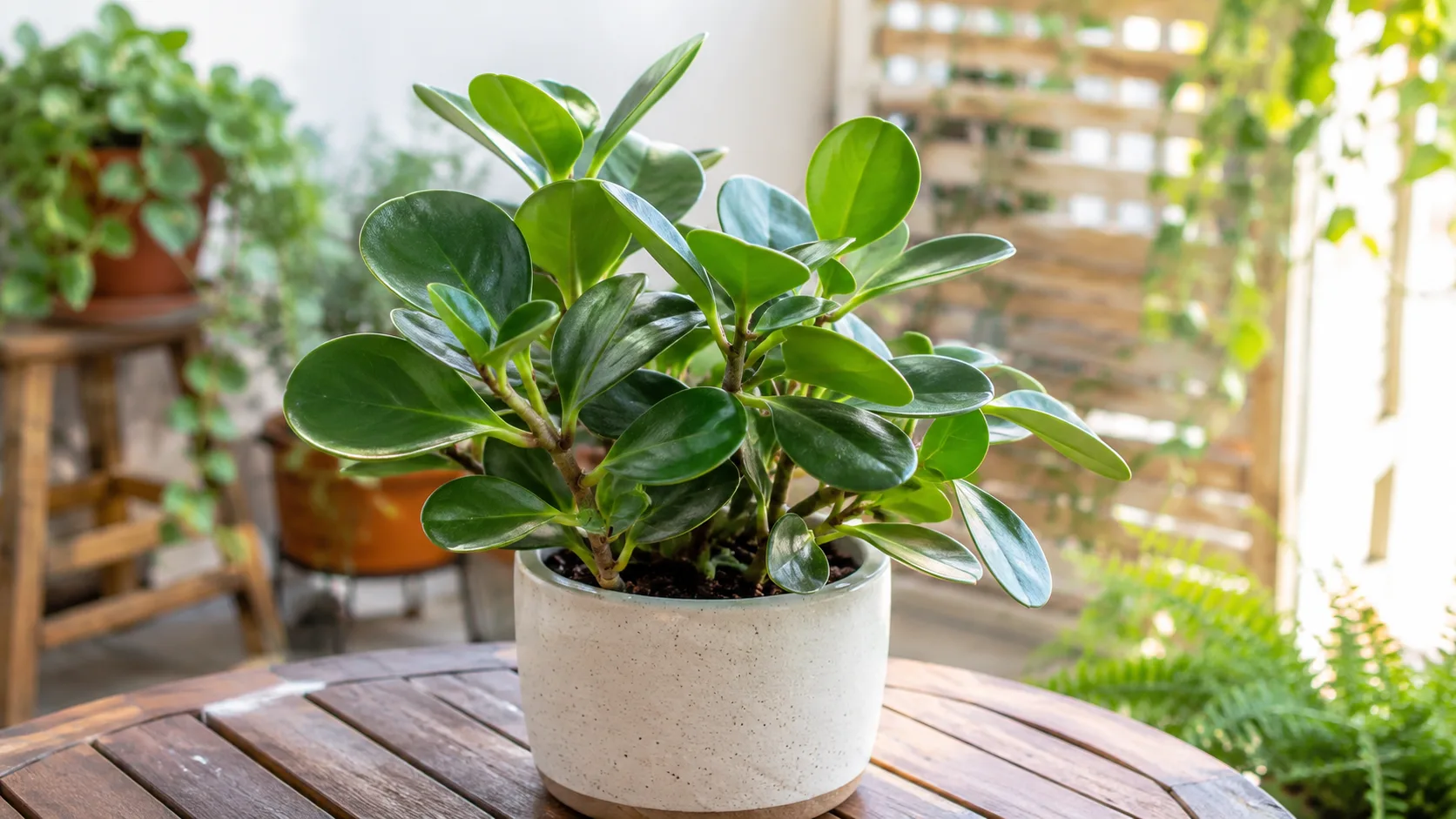
Start by removing dead, yellow, or damaged leaves and any soft, rotting stem tissue with clean snips - that is the only pruning most healthy Peperomia obtusifolia plants need on any given day. Baby rubber plant, also sold as pepper face, American rubber plant, and blunt-leaved peperomia, is a compact herbaceous perennial in the Piperaceae family. Indoors it typically reaches about 12 inches on thick, upright stems with glossy oval leaves. Missouri Botanical Garden notes that foliage can be cut back as needed to maintain shape, and that is the right mental model: pruning guides growth on an already forgiving plant rather than rescuing a dying one. Once damaged tissue is gone, decide whether the plant needs tip pinching for maintenance or stem shortening to fix legginess - and save major reshaping for spring or early summer when new shoots emerge quickly from cut nodes.
What Pruning Does for Peperomia obtusifolia
A healthy baby rubber plant does not require regular pruning to survive. The value shows up when you want a denser silhouette, need to shorten stems that have stretched toward a window, or must strip tissue damaged by pests, sun, or rot. Unlike woody shrubs that depend on a permanent framework, Peperomia obtusifolia stores water in its leaves and stems and builds no hard scaffold. Each cut immediately redirects energy: the removed tip stops extending, and buds at nodes below the cut often activate.
Pruning also forces a close inspection. Mealybugs hide in leaf axils, and UF/IFAS lists stem and root rot on Baby Rubber Plant among the main disease risks when soils stay wet. Handling stems during a trim surfaces those problems early. What pruning cannot fix on its own is chronic overwatering on Baby Rubber Plant, a pot that never dries, or dim light - cut back a leggy plant and return it to the same dark corner, and the new growth will stretch again within months.
How This Plant Responds to Cuts at Nodes
Baby rubber plant branching follows apical dominance: hormones from the stem tip suppress side shoots lower down. Remove the tip just above a node - the slight swelling where a leaf attaches - and lateral buds below often break dormancy. That is why one well-placed snip can produce two or more new shoots from a single stem.
Cuts made in the smooth internode between nodes rarely trigger reliable branching and often die back to the nearest node, leaving a brown stub. UF/IFAS FP466 describes peperomia as a spreading clump former with thick stems seldom taller than 12 inches; indoors, expect visible new side growth within two to four weeks during warm, bright months and much slower progress in late fall and winter. Variegated cultivars such as ‘Variegata’ follow the same rules but may push new leaves more slowly where white or cream sections contain less chlorophyll.
When to Prune a Baby Rubber Plant
Timing separates a trim that refills in weeks from one that leaves bare stems until spring. Indoor plants do not go fully dormant like outdoor deciduous trees, but growth slows when light drops and rooms cool.
Best Window for Shaping Cuts
Schedule cosmetic shaping - tip pinching, leggy stem shortening, and staged cutbacks - from spring through early summer, when the plant is actively producing leaves and the top inch of soil dries at a steady rate. Missouri Botanical Garden recommends cutting back foliage as needed to maintain shape during normal active care, which assumes this growing-season window rather than winter renovation.
Early fall can work in warm, well-lit homes. Avoid removing more than one-third of the foliage from late fall through winter unless you have no choice - wounds stay open longer in cool, dim conditions and new buds activate slowly.
Emergency Removal Any Time of Year
Some cuts are about plant health, not appearance. Remove these whenever you find them:
- Fully yellow or brown leaves that no longer photosynthesize
- Mushy, black stem sections from overwatering - cut back to firm green tissue
- Pest-damaged tips with concentrated mealybug clusters
- Broken stems from handling or pet damage
Emergency winter removal is justified when leaving diseased tissue in place carries more risk than the stress of a small cut. Cosmetic hard cutbacks on an otherwise healthy plant can wait for spring.
What to Check Before You Cut
Step back and read the whole plant before touching shears. A baby rubber plant that only needs grooming looks different from one that should not be pruned at all until root conditions improve.
Leggy Stems and Bare Lower Sections
Legginess shows as long internodes, smaller new leaves, and stems leaning toward the brightest window - etiolation from insufficient light. Pruning removes the stretched section and encourages branching from lower nodes, but it does not replace better placement. Move the pot to medium or Baby Rubber Plant light guide before a major reshaping session, or new shoots will elongate again.
Bare lower stems without visible buds will not sprout leaves retroactively. If several inches of naked stem sit above healthy nodes, cut back to a node that still shows a small bud in the leaf axil. When most of the plant is bare stem, plan a staged cutback across two or three sessions two to three weeks apart during the growing season.
Soft Stems, Pests, and Root Stress
Press stems gently near the base. Firm, plump tissue is safe to work with. Soft, wrinkled stems with wet soil suggest rot - prune below all mushy tissue with sterilized blades, reduce watering, and do not perform cosmetic shaping until the base stabilizes. If multiple stems are rotting at soil level, take healthy cuttings for propagation before attempting further pruning on the parent plant.
Check leaf undersides and axils for mealybugs and mites. UF/IFAS Gardening Solutions notes mites as a common peperomia pest indoors. Remove heavily infested tips rather than leaving them in place.
Tools and Sanitation
You need very little:
- Sharp bypass pruning shears or micro snips for stems up to pencil thickness
- 70% isopropyl alcohol to wipe blades before and between cuts
- A tray or bag for trimmings
Bypass blades slice cleanly through fleshy peperomia tissue; dull or anvil-style cutters crush the cut face and invite fungal entry. UF/IFAS FP466 emphasizes well-drained conditions because peperomia is susceptible to stem and root rot - dirty tools move pathogens between plants invisibly. Sterilize after every cut when removing rot. Skip fingernail pinches on mature stems; ragged wounds brown and sometimes rot in humid rooms.
Where to Cut - Nodes, Internodes, and Pinching
The node is your target for any cut meant to trigger branching. On Peperomia obtusifolia it appears as a slight bump where the leaf petiole meets the stem, often with a tiny dormant bud visible in the axil.
Make cosmetic cuts about one-quarter inch (5–6 mm) above a leaf node. Do not slice through the node itself - that damages the bud you need. Do not leave more than half an inch of bare stub above the node; it dries out, turns brown, and may die back anyway.
When shortening a stem, choose a node that faces outward - toward the pot edge or away from neighboring stems - so new branches grow in a natural direction. To remove an entire stem at the base, cut as close to the soil as possible without nicking adjacent stems or the crown.
Pinching vs Tip Pruning vs Hard Cutback
These describe intensity, not different tools:
- Pinching removes the soft new tip, often the top inch, to maintain an already compact plant. Best ongoing habit during spring and summer.
- Tip pruning takes two to six inches from selected stems to reshape or reduce length while leaving most foliage intact.
- Hard cutback removes most of a stem’s length, sometimes leaving only a few inches above soil. Reserve for severely leggy plants during active growth, with excellent light and careful watering afterward.
Never combine hard cutback with Baby Rubber Plant repotting guide, fertilizing, and a location change in the same week. Stack one stressor at a time.
How to Prune Baby Rubber Plant Step by Step
Work on a dry plant with a clear goal. Watering immediately before pruning makes stems slippery and is unnecessary.
- Remove dead, yellow, and damaged leaves and stems first - pull gently if a leaf releases easily, or cut the petiole at the base.
- Cut out any soft, rotting stem sections back to firm green tissue, sterilizing between cuts.
- Remove crossing or rubbing stems at a node or at the base.
- Shorten remaining leggy stems with tip cuts one-quarter inch above outward-facing nodes at staggered heights.
- Step back, check symmetry, and stop - you can always remove more later.
- Dispose of trimmings; do not leave them on the soil surface where they hold moisture against the crown.
Building a Fuller, Compact Shape
To encourage a rounded habit, cut the tallest stems first, then the next tallest, each time just above a node. Vary cut heights so new growth emerges at multiple levels rather than one flat line. If the center is sparse, leave outer stems slightly longer and cut inner stems lower to promote infill.
After shaping, place the plant in bright, indirect light and rotate the pot a quarter turn weekly so new shoots develop evenly. Pinch soft new tips every four to six weeks during the growing season to stay ahead of legginess without another major session.
Fixing Lopsided or Trailing Growth
Plants grown toward one window often have one long side and one short side. Shorten the long side more aggressively while lightly pinching the short side, then improve light exposure on all sides. For specimens that have been allowed to trail and you want an upright bushy form again, cut back the longest one-third of stems, wait two to three weeks for new shoots, then shorten the next set. Prefer the trailing look? Only tip prune to manage length.
How Much You Can Safely Remove
Follow the one-third rule: do not remove more than one-third of the plant’s total leaf-bearing stems or foliage in a single session. Peperomia stores water in leaves and stems; stripping too much at once reduces both photosynthetic area and the reserves that fuel new buds, especially outside the growing season.
For severely overgrown plants, spread work across two or three sessions two to three weeks apart in spring or summer. Growers occasionally cut plants back to five or six inches with success, but that outcome depends on warm temperatures, bright indirect light, restrained watering, and healthy roots underneath - not on a plant already stressed by rot or pests.
Using Trimmed Stems for Propagation
Healthy stems removed during pruning root easily. Missouri Botanical Garden and UF/IFAS FP466 both list stem and leaf cuttings as standard propagation for Baby Rubber Plant overview.
Choose sections three to six inches long with at least one node and two to four leaves at the tip. Strip the lowest one to three leaves so no foliage sits below the water line or underground.
For water propagation, submerge the node in a clear jar, refresh water weekly, and keep the jar in bright, indirect light. Roots typically appear in one to three weeks during warm months.
For soil propagation, bury the node in moist, well-draining mix with extra perlite. Keep the medium lightly moist and provide bright, indirect light. Stem cuttings preserve variegation more reliably than leaf cuttings on cultivars like ‘Variegata’.
Aftercare and Recovery Timeline
After pruning, prioritize stability over stimulation.
- Light: Bright, indirect - avoid sudden moves into harsh direct sun on freshly cut stems.
- Watering: Allow the top inch of soil to dry before watering; resist compensating for bare stems by overwatering. UF/IFAS FP466 stresses that peperomia must have well-drained conditions to avoid rot, and open wounds are slightly more vulnerable until they callus.
- Fertilizer: Hold for two to three weeks; resume diluted balanced feed at half strength once new leaves unfurl.
- Temperature: 65–80°F (18–27°C) supports the fastest recovery; cold drafts below 50°F slow new growth noticeably.
Expect new side shoots two to four weeks after a spring or summer trim in a well-lit home. The plant often looks noticeably fuller within six to eight weeks as multiple nodes branch and leaves size up. Winter cuts may show little progress until day length increases. Dry, slightly tan callus at cut sites is normal; black, wet, expanding lesions mean remove back to healthy tissue immediately and reduce watering.
Mistakes That Slow Recovery
- Cutting mid-internode or through the node - produces stubs and weak branching
- Using dull or dirty tools - crushes stems and spreads rot pathogens
- Heavy cosmetic pruning in winter on a slow-growing plant - long bare periods
- Overwatering after a trim - keeps soil cold and wet around the stem base when wounds need to dry
- Pruning without fixing light - legginess returns on new growth
- Shaping a plant in active root rot - stabilize roots first, then trim cosmetically
- Shearing to a uniform sphere - baby rubber plant grows with slightly irregular upright-arching stems; staggered heights look natural and distribute growth better
Conclusion
Baby rubber plant pruning works best as small, timely corrections on a compact species that forgives careful mistakes. Remove dead and damaged tissue first - any day of the year - then use clean cuts one-quarter inch above nodes during spring and early summer to build a fuller shape. Pinch soft tips for ongoing maintenance; stage heavier cutbacks so you never strip more than one-third of the foliage at once. Sterilize sharp bypass snips, fix light if stems stretched in the first place, and water only when the top of the mix dries. Healthy trimmings root readily in water or soil if you want backup plants. Missouri Botanical Garden’s guidance still captures the whole approach: cut back foliage as needed to maintain plant shape - with the right timing, node placement, and restraint, that habit keeps Peperomia obtusifolia glossy, upright, and dense for years.
When to use this page vs other Baby Rubber Plant guides
- Baby Rubber Plant overview - Start here for whole-plant context before deep-diving this topic.
- Baby Rubber Plant problems hub - Jump to symptom-specific fix guides when this care topic does not resolve the issue.
- Leggy Growth on Baby Rubber Plant - Escalate here when pruning adjustments are not enough.
- Slow Growth on Baby Rubber Plant - Escalate here when pruning adjustments are not enough.
- Brown Tips on Baby Rubber Plant - Escalate here when pruning adjustments are not enough.