Baby Rubber Plant Fertilizer: When, How Much, and Mistakes
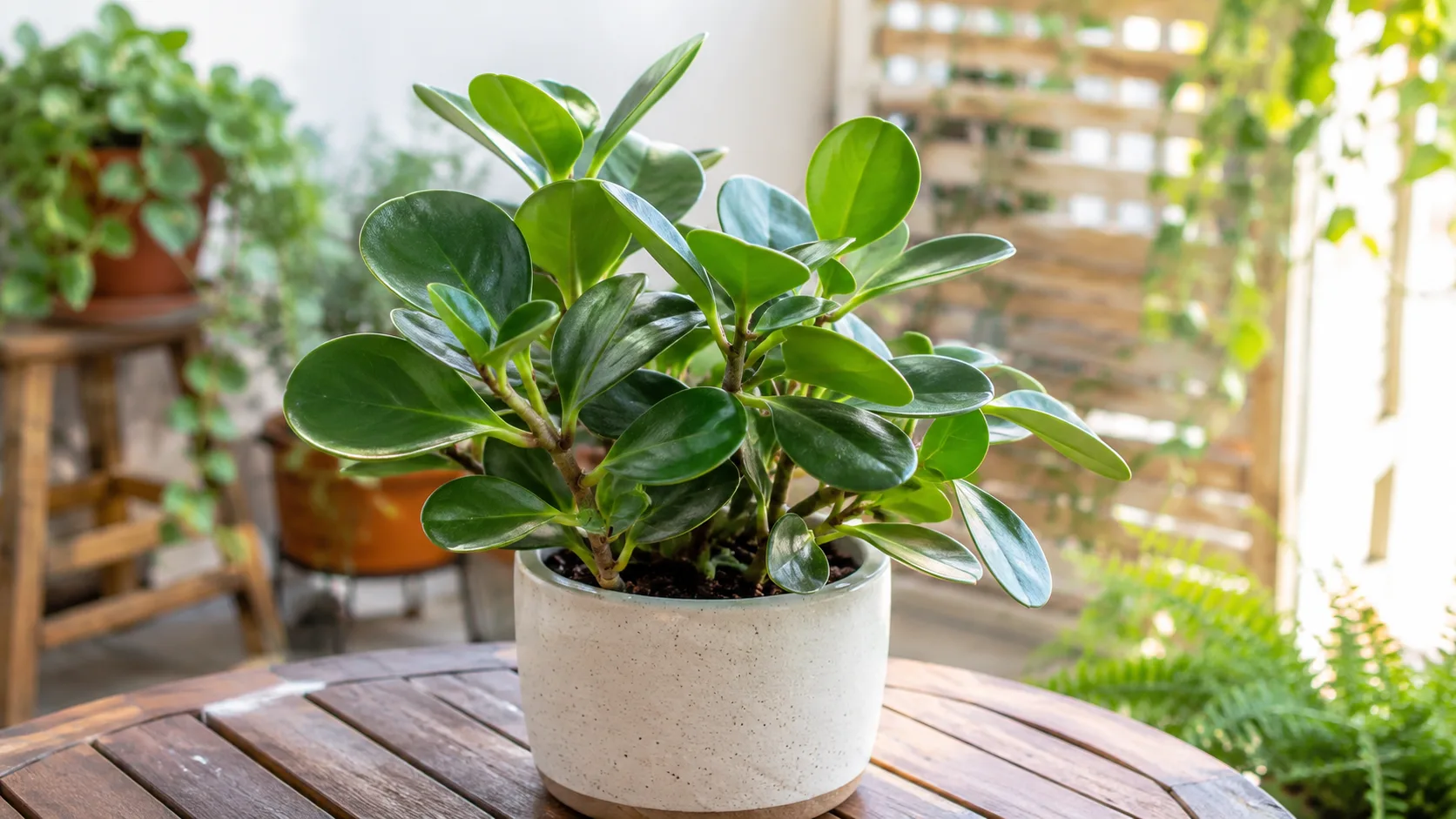
Baby Rubber Plant Fertilizer: When, How Much, and Mistakes
Baby Rubber Plant Fertilizer: When, How Much, and Mistakes
Reviewed by LeafyPixels Review Board · Author: sai-ananth · Last updated 2026-06-15
Peperomia obtusifolia - the glossy houseplant sold as Baby Rubber Plant or Pepper Face - is a light feeder with a small, epiphytic root system that punishes heavy-handed “plant food” faster than a pothos or coleus ever will. It is not the true rubber tree (Ficus elastica); it belongs to Piperaceae, grows as a compact foliage plant in bright indirect light, and needs occasional diluted feeding during active growth - not a monthly full-strength dose because the bottle says so. If you are new to this species, start with our Baby Rubber Plant overview for placement and temperament before you open a fertilizer cap.
Feeding mistakes on obtusifolia often look like brown tips or overwatering stress, which sends growers in the wrong direction. The sections below cover what to use, how much to dilute it, when growth actually warrants food, how to flush accumulated salts, and how to recover when the dose was too generous. Baby Rubber Plant is non-toxic to dogs and cats per the ASPCA - relevant when pet owners research “plant food” safety near curious chewers, though non-toxic does not mean the plant should be eaten.
Quick Answer - How to Fertilize Peperomia obtusifolia
For most established indoor Baby Rubber Plants, use a complete balanced liquid houseplant fertilizer at half the label’s indoor rate every four to six weeks during active spring and summer growth. Apply it when the plant is due for a normal watering on mix that is approaching dry - not to a desiccated or wilted root ball - water until a little drains from the bottom, discard runoff, and pause feeding from late fall through winter unless strong grow lights and warmth keep new leaves forming. When product strength is uncertain, start at quarter strength for the first one or two applications and judge the next two or three leaves.
| Season | Light level | Suggested approach |
|---|---|---|
| Spring–summer | Bright indirect | Half-strength balanced liquid every 4–6 weeks |
| Spring–summer | Low to moderate office light | Quarter- to half-strength every 6–8 weeks |
| Fall–winter | Normal indoor | Pause feeding |
| Fall–winter | Strong grow lights + warmth | Optional quarter-strength every 6–8 weeks if new growth continues |
University of Missouri Extension warns that roots restricted to containers can be burned by excessive fertilizer regardless of product type. That geometry applies directly to a 4- to 6-inch obtusifolia pot: the safest error is skipping one month, not doubling concentration to compensate.
Why Baby Rubber Plant Is a Light Feeder
Baby Rubber Plant grows slowly to moderately indoors, typically reaching roughly 0.5 to 1 foot in height with thick, spoon-shaped leaves that store some water. That storage reduces urgency around constant feeding, but watering still leaches nutrients from container mix over time, and new leaf tissue still needs nitrogen, phosphorus, potassium, and trace elements. The limiting factor is salt injury in a confined root zone, not whether the plant uses minerals at all.
Clemson HGIC describes Peperomia obtusifolia as having low water needs and being very easy to grow, recommending a low-strength liquid fertilizer occasionally during the active growing season. Compare that mental model to a fast vine like pothos: obtusifolia replaces foliage slowly, so it cannot metabolize aggressive feeding without salt buildup. Oklahoma State University Extension notes that fertilizer frequency should change with season, light, temperature, species, and medium - and obtusifolia sits on the low-demand end of that spectrum.
If you grow several Peperomia species, genus-level guidance lives on our Peperomia fertilizer guide. This page stays focused on P. obtusifolia biology, small-pot salt geometry, and cultivar notes for variegated forms.
Epiphytic Roots and Salt Buildup in Small Pots
In nature, Peperomia obtusifolia grows as an epiphyte or lithophyte in tropical forests from Florida and Mexico through the Caribbean into northern South America. Roots anchor to bark or rock and access nutrients from intercepted organic matter and rainfall rather than deep soil reserves. Indoors, those roots occupy a small pot - often 4 to 6 inches - with limited mix volume. Every fertilizer application adds dissolved salts; water evaporates or is taken up, but salts largely remain unless flushed out.
That geometry makes salt accumulation the central risk. A large fiddle-leaf fig in a 12-inch pot can tolerate minor dosing errors more gracefully than a Baby Rubber Plant in a 4-inch plastic nursery pot that dries slowly. Peperomias also tolerate being slightly root-bound, which growers sometimes interpret as permission to delay repotting for years. Old, exhausted mix plus repeated feeding without flushing is a common path to tip burn. Half-strength dilution and periodic plain-water flushing appear in credible care sources for this reason - and pair with a light, well-draining soil mix that does not stay waterlogged.
Understanding NPK for Baby Rubber Plant
Fertilizer labels display three numbers for nitrogen (N), available phosphate (P₂O₅), and soluble potash (K₂O) - commonly shortened to N-P-K. Baby Rubber Plant is grown almost exclusively for foliage, not showy flowers, so the feeding goal is steady leaf production and firm stems without forcing weak, stretched growth in dim light.
Nitrogen drives chlorophyll production and vegetative expansion. Adequate nitrogen keeps new leaves glossy and appropriately sized. Too much nitrogen in low light produces soft, pale, leggy growth because tissue builds faster than photosynthetic capacity can support. Phosphorus participates in energy transfer and root function; it is necessary but rarely the limiting nutrient for a foliage Peperomia in a peaty mix. Potassium helps regulate water movement and enzyme activity, contributing to stress tolerance when indoor air is dry or temperatures fluctuate near a drafty window.
Micronutrients - iron, manganese, zinc, copper, boron, molybdenum, and others - matter in smaller quantities but still affect leaf quality. A complete houseplant fertilizer lists these on the label. Calcium supports cell walls in new leaves; starting light feeding early in spring can help before an obvious flush of growth appears on plants in very old, leached mix.
Balanced vs Foliage-Oriented Formulas
A balanced product such as 10-10-10 or 20-20-20 works well when diluted properly. The ratios are identical; concentration differs - one teaspoon of 20-20-20 delivers roughly twice the nutrients of one teaspoon of 10-10-10 in the same water volume, so follow each label independently. Many foliage fertilizers use ratios near 3-1-2, reflecting relatively higher nitrogen use in leafy plants. Either a balanced formula or a foliage-oriented ratio can maintain P. obtusifolia when applied conservatively.
Avoid high-number lawn or garden products not intended for indoor containers. Avoid routine “bloom booster” formulas with very high middle numbers; Baby Rubber Plant flowers are small, green, and incidental. The Spruce recommends monthly diluted fertilizer during the growing season for P. obtusifolia, which fits a four-week interval at reduced strength when you interpret “monthly” as active-growth maintenance rather than calendar autopilot.
Choosing the Best Fertilizer Type
The best fertilizer is one you can measure consistently, dilute accurately, and pause instantly if the plant shows stress. Brand matters less than completeness, clear directions, and discipline around concentration.
Liquid vs Slow-Release Fertilizer
Liquid or water-soluble fertilizer is the default recommendation for Baby Rubber Plant. You control the dose per application, reduce strength for a low-light plant, skip a month when growth slows, and stop immediately if salt crust appears. Mix with a measured volume of water - a marked watering can or cap with milliliter lines - rather than estimating drops into a partly filled container. Clemson HGIC notes that peperomias do well with low-strength liquid fertilizer applied occasionally during active growth.
Controlled-release fertilizer (slow-release prills) can work for a stable, brightly lit plant that grows steadily, but it is harder to remove or adjust once incorporated. Warm, wet conditions accelerate release; damaged roots cannot use nutrients just because they are available. Many commercial potting mixes and nursery-grown Peperomias already contain a starter charge or blended prills - read the bag before adding another layer. For growers who move plants between windows or AC zones, liquid feeding is simpler and safer.
RHS advises feeding peperomias every two weeks in the growing season at half-strength liquid fertilizer - a more frequent schedule than many obtusifolia growers need in low light. Treat that as an upper bound for bright, actively growing plants; office-light specimens often do better on the four- to six-week interval in the quick-answer table.
Complete Micronutrients Matter
Choose a product labeled for houseplants or indoor foliage that includes micronutrients in addition to the three macronutrients. Iron deficiency can appear as yellowing between veins on newer leaves, but iron in the bottle does not guarantee uptake if roots are damaged, the mix is waterlogged, or pH is unfavorable. A complete fertilizer removes one variable; it does not fix root rot or chronic overwatering.
Some experienced growers avoid urea-based nitrogen sources for Peperomias in small pots because rapid conversion can increase burn risk when concentration is misjudged. Not every product lists nitrogen sources clearly. When in doubt, dilute more and apply less often.
How Much Fertilizer to Use
Dose control matters more than product selection. Half strength means half the fertilizer quantity in the same final volume of water recommended on the label for houseplants, not half the water with the full product amount. If the label says 1 teaspoon per gallon for indoor plants, half strength is ½ teaspoon per gallon. Write the math down once rather than recalculating from memory each month.
Half Strength vs Quarter Strength
Most credible sources for Peperomia obtusifolia recommend 50 percent of label strength as the standard starting point during active growth. Quarter strength (25 percent) is the better default when the plant is small, recently purchased, growing in low office light, or when you are unsure whether the potting mix already contains fertilizer. University of Missouri Extension emphasizes that restricted roots are easily burned and advises never applying more fertilizer than directed - a rule that favors quarter strength on a first feed after acclimating a new nursery plant.
Do not combine weak weekly feeding with a separate monthly full dose unless you have calculated total monthly nutrient input. Baby Rubber Plant should not be watered solely because fertilizer day arrived. Water when the top inch of mix dries - roughly every 7 to 14 days in summer and every 14 to 21 days in winter for many homes per our watering guide - and fold feeding into that rhythm. Increase concentration only after several successful applications produce normal new leaves with no tip burn, crust, or sudden wilt.
When to Fertilize Baby Rubber Plant
Timing follows active growth, not the calendar alone. In many Northern Hemisphere homes, longer days and warmer rooms from mid-spring through summer produce the most new leaves. In equatorial climates, air-conditioned offices, or rooms with grow lights, the calendar may differ. Watch for expanding leaves and firm new stems rather than assuming March 1 requires fertilizer.
Spring and Summer Schedule
Begin or resume feeding when the plant shows clear new growth after winter slowdown - unfurling leaves, brighter new stems, or a pot that dries slightly faster than it did in cooler months. During active growth, every four to six weeks at half strength is a reliable baseline in bright indirect light. Never fertilize a dry, wilted, cold, or recently waterlogged plant. Rehydrate with plain water first and let it recover. University of Missouri Extension specifically advises against applying liquid fertilizer to wilted houseplants.
Fall and Winter Pause
As day length shortens and indoor temperatures drop, Baby Rubber Plant growth usually slows. Pause fertilizer from late fall through early spring in a typical home without grow lights. Reduced photosynthetic rate means the plant cannot use extra nutrients efficiently; unused salts accumulate and damage roots. Winter feeding is not universally forbidden: if your plant sits under quality grow lights in a room between 65°F and 75°F (18°C to 24°C) and continues producing full-sized leaves, an optional quarter-strength application every six to eight weeks may be appropriate. If no new leaves appear for six weeks, plain water is enough.
Step-by-Step Application Guide
Safe feeding is mostly about preparation, concentration, and drainage. Gather a complete liquid fertilizer, a measuring spoon or syringe, a watering can, and a pot with a drainage hole. Cachepots without drainage trap fertilizer salts at the root zone and should be avoided for routine feeding.
First, check moisture using the same top-inch dry probe described in our watering guide. If the top inch is appropriately dry for a normal watering, apply diluted fertilizer evenly across the soil surface rather than pouring one concentrated stream beside the main stem. Water until a small amount exits the drainage hole, then discard saucer runoff. Never leave the pot standing in fertilizer water that gets reabsorbed.
Every three to four months during active care, perform a plain-water flush: run several pot volumes of water through the mix and let it drain completely. This dissolves accumulated salts more effectively than a superficial splash - especially important when hard tap water already deposits minerals on the soil surface.
After repotting, division, or root disturbance, wait until new growth resumes before feeding at reduced strength. Newly purchased nursery plants may already carry residual controlled-release fertilizer; acclimate for two to four weeks before adding more. See our repotting guide for timing after root work.
Repotting Mix Starter-Charge Check
Before you feed after any repot, read the potting-mix label. Many bagged blends include a starter nutrient charge or blended slow-release prills. University of Missouri Extension notes that newly purchased greenhouse plants are often well fertilized already and seldom need additional fertilizer for a few weeks - the same logic applies to fresh mix with built-in feed. If the label lists months of controlled release, skip liquid fertilizer for the stated period and watch new growth before adding more. Double-dosing starter charge plus monthly liquid feed is one of the fastest routes to white crust and brown tips on obtusifolia.
Reading Your Plant’s Response
Healthy response is gradual: new leaves emerge at normal size for the cultivar, color stays deep green or variegation remains crisp where light supports it, stems feel firm, and the plant maintains a compact bushy shape. Fertilizer rarely produces overnight transformation. Judge success by the next two or three leaves, not by expecting old damaged tissue to revert.
Variegated cultivars such as ‘Variegata’ or ‘Gold Tip’ need brighter indirect light to hold strong color patterns; extra fertilizer cannot substitute for inadequate light and may produce soft green growth. Solid-green plants tolerate lower light but still feed more conservatively there because nutrient demand tracks photosynthetic output. Pale overall color and slow growth can indicate insufficient nutrition in very old, leached mix, but they also signal low light, root crowding, overwatering, or cold exposure - confirm light, watering, drainage, and firm cream-colored roots before assuming deficiency.
Over-Fertilizing and Salt Recovery
Over-fertilizing is the most common mineral mistake with Baby Rubber Plant, and it mimics other problems closely enough to send growers down the wrong path. Typical warning signs include white or tan salt crust on the soil surface or pot rim, brown crispy leaf tips or margins, sudden leaf drop despite moist soil, stunted or distorted new growth, and wilting when roots are damaged by salt concentration even though mix feels wet.
If these appear after a recent feed - especially if concentrate was mismeasured or applied to dry soil - stop feeding immediately. Scrape away visible surface crust without damaging shallow roots. For moderate buildup with otherwise healthy roots and good drainage, flush the mix slowly with plain water equal to three to four times the pot volume, allowing complete drainage between passes if the mix drains quickly. Discard all runoff. Do not fertilize again until the plant produces healthy new growth, typically four to six weeks minimum. Badly burned leaves will not green up again; recovery shows in new foliage.
For severe overdose, compacted mix, or mushy roots, repot into fresh, well-draining mix appropriate for Peperomia - light and airy with perlite or bark - removing only dead roots. Skip fertilizer until established growth returns. Distinguish fertilizer burn from overwatering, which also yellows leaves but usually pairs with a heavy wet pot and soft stems at the base. Low humidity can brown edges without any fertilizer involvement. Diagnose the whole care system, not just the last bottle you picked up.
A Documented Recovery Example
In grower practice, a common recovery pattern looks like this: a solid-green P. obtusifolia in a 4-inch nursery pot receives full label-strength liquid feed on dry soil in late summer. Within ten days, a white crust forms on the soil rim and the newest leaf shows crispy brown margins while older leaves remain green. Feeding stops immediately, surface crust is scraped away, and the pot receives three full-volume plain-water flushes over two days with complete drainage each time. Saucer runoff is discarded. No fertilizer is applied for five weeks. The first clean, full-sized new leaf emerges at week five with no margin burn; older damaged tips are trimmed for appearance only. The lesson is dose and timing, not that obtusifolia “hates fertilizer” - it hates concentrated salts in a small root zone.
Common Fertilizer Mistakes to Avoid
Feeding at full label strength. Indoor container culture almost always requires reduction for Peperomia. Full strength is the fastest route to tip burn in a small pot.
Applying fertilizer to dry soil. Moisturize a desiccated root ball with plain water before feeding, or apply fertilizer only when the plant is due for a normal watering on approaching-dry mix.
Feeding on a calendar regardless of growth. A plant in a dark hallway in February does not need nutrients it cannot use.
Using slow-release prills in every repot without reading the mix label. Double-dosing starter charge plus prills plus monthly liquid feed stacks salts quickly.
Chasing variegation with nitrogen. Variegated cultivars lose pattern in low light; brighter placement helps more than increasing fertilizer.
Doubling up after a missed month. Resume the normal interval at standard dilution - two doses in one week is not a makeup strategy.
Ignoring water quality. Hard tap water leaves mineral deposits; fertilizer adds more dissolved solids. Occasional flushing matters more in hard-water homes.
Fertilizing immediately after repotting or propagation. Wait for functional roots and visible new growth.
Kitchen-scrap “fertilizers.” Banana water and coffee grounds on the soil surface provide unpredictable nutrition and can encourage mold or fungus gnats indoors.
Related Baby Rubber Plant Care Guides
Fertilizer is one piece of a stable care system. Use these sibling guides when symptoms overlap or when you are setting up a new plant:
- Baby Rubber Plant overview - placement, temperament, and first-month acclimation
- Watering - top-inch dry probe, seasonal rhythm, and moisture before you feed
- Soil - drainage, perlite ratios, and why small pots matter for salt geometry
- Repotting - when to upgrade pots and how to avoid disturbing roots before feeding resumes
- Brown tips - separate salt burn, fluoride, low humidity, and underwatering
- Overwatering - when wilt on wet soil is a root problem, not hunger
- Peperomia fertilizer (genus hub) - broader guidance when you grow multiple Peperomia species
Conclusion
Baby Rubber Plant fertilizer success comes down to three rules: dose low, feed only during visible growth, and flush salts before they crust. Use a complete balanced liquid houseplant formula at half strength or lower, about every four to six weeks in spring and summer, always on an appropriate watering day - never on wilted or bone-dry roots. Pause in fall and winter unless grow lights and warmth keep new leaves forming. Read potting-mix labels at repot time so starter charge does not stack with liquid feed. When tips brown or white crust appears, stop feeding, flush with plain water, and judge recovery by the next leaves - not by expecting old damage to reverse. That restraint keeps glossy obtusifolia foliage healthy without turning a simple bottle into a rescue mission.