Purple Shamrock Care: Light, Water, and Dormancy
Learn purple shamrock care for *Oxalis triangularis*: light, watering, summer dormancy, propagation, pet safety, and how to tell rest from rot.
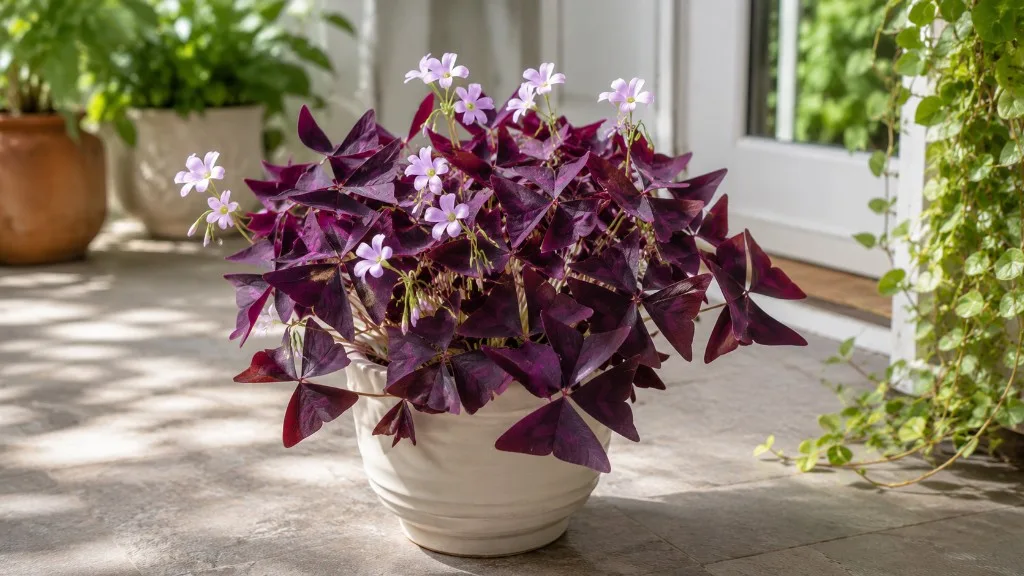
Purple shamrock (Oxalis triangularis), also sold as false shamrock or love plant, is one of those houseplants people buy for the foliage and keep for the personality. Deep purple, almost black triangular leaflets sit in groups of three like butterfly wings. At dusk the leaves fold upright; by morning they open flat again. Small white, pink, or lavender flowers hover above the canopy on thin stems—and those close at night too.
The plant is not difficult, but it is seasonal in behavior even on a windowsill. It grows actively in cooler bright months, may flower in fall through spring, and often rests in summer when heat or dry soil triggers dormancy. Treat it like a year-round foliage plant that never pauses and you will overwater a sleeping rhizome or panic when healthy leaves collapse. Treat it like the rhythmic perennial it is and it can live in the same pot for years.
What Purple Shamrock Actually Is
Botanically, purple shamrock is Oxalis triangularis, a rhizomatous perennial in the wood-sorrel family (Oxalidaceae) native to South America. Retail labels sometimes list the older name Oxalis regnellii; NC State Extension treats them as the same species. The plant grows from rhizomes—elongated underground stems with scale-like leaves that store water and nutrients, functioning much like a bulb even though sellers often call them “bulbs.”
Mature size is modest: roughly 6–18 inches tall and 12–24 inches wide in a pot or garden clump. Outdoors it is hardy in USDA zones 8–11; everywhere colder, grow it as a houseplant or bring pots inside before frost.
Purple Shamrock vs True Clover Shamrock
St. Patrick’s Day “shamrocks” in grocery stores are often oxalis species, not lawn clover (Trifolium). Purple shamrock shares the trefoil look—three leaflets per leaf—but belongs to a different plant family with different care. Green wood sorrel (Oxalis acetosella) and lucky-clover oxalis (O. tetraphylla) are cousins with similar folding leaves but different colors and sizes. If you want the near-black purple foliage, you want O. triangularis or a named cultivar such as ‘Charmed Wine’, ‘Ebony’, or ‘Francis’ (NC State Extension — Oxalis triangularis).
Why the Leaves Fold at Night
Folding leaves are nyctinasty—a normal daily rhythm, not a distress signal. Leaflets rise on their petioles in low light, at night, and on heavily overcast days, then open again when light returns. Touch or rough handling can trigger the same fold. If your plant closes every evening and reopens by mid-morning, biology is working. If leaves stay folded through bright days for a week, look at water, roots, or incoming dormancy instead.
Popular cultivars you will see on nursery benches include ‘Charmed Wine’ (deep purple leaves, white flowers), ‘Ebony’ (near-black foliage), ‘Francis’ (bright purple with lavender fall flowers), and ‘Atropurpurea’ (purple leaves with dark margins). All share the same basic care; flower timing may shift slightly by clone. A green-leaf O. triangularis cultivar exists too—if your plant came with green leaflets, it may be a varietal sport rather than a light-starved purple form.
Quick Care Snapshot
| Factor | Active growth | Dormancy rest |
|---|---|---|
| Light | Bright light; ~4 hours direct sun OK; protect from hot afternoon sun indoors or out | Same bright spot; plant may die back to soil level |
| Water | When top 1 inch of soil is dry | Barely—every 2–3 weeks or less if rhizomes stay firm |
| Temperature | 60–75°F ideal; avoid sustained above 80°F indoors | Cool room fine; heat can extend dormancy |
| Feed | Dilute liquid or slow-release per label during growth | None until new shoots appear |
| Soil | Loamy, well-draining potting mix | Dry side; never waterlogged |
Rotate the pot a quarter turn weekly so stems do not lean hard toward one window. For species-specific routines, the Oxalis triangularis plant hub links watering, light, soil, and propagation guides on this site.
Light: Keep Color Deep Without Scorching
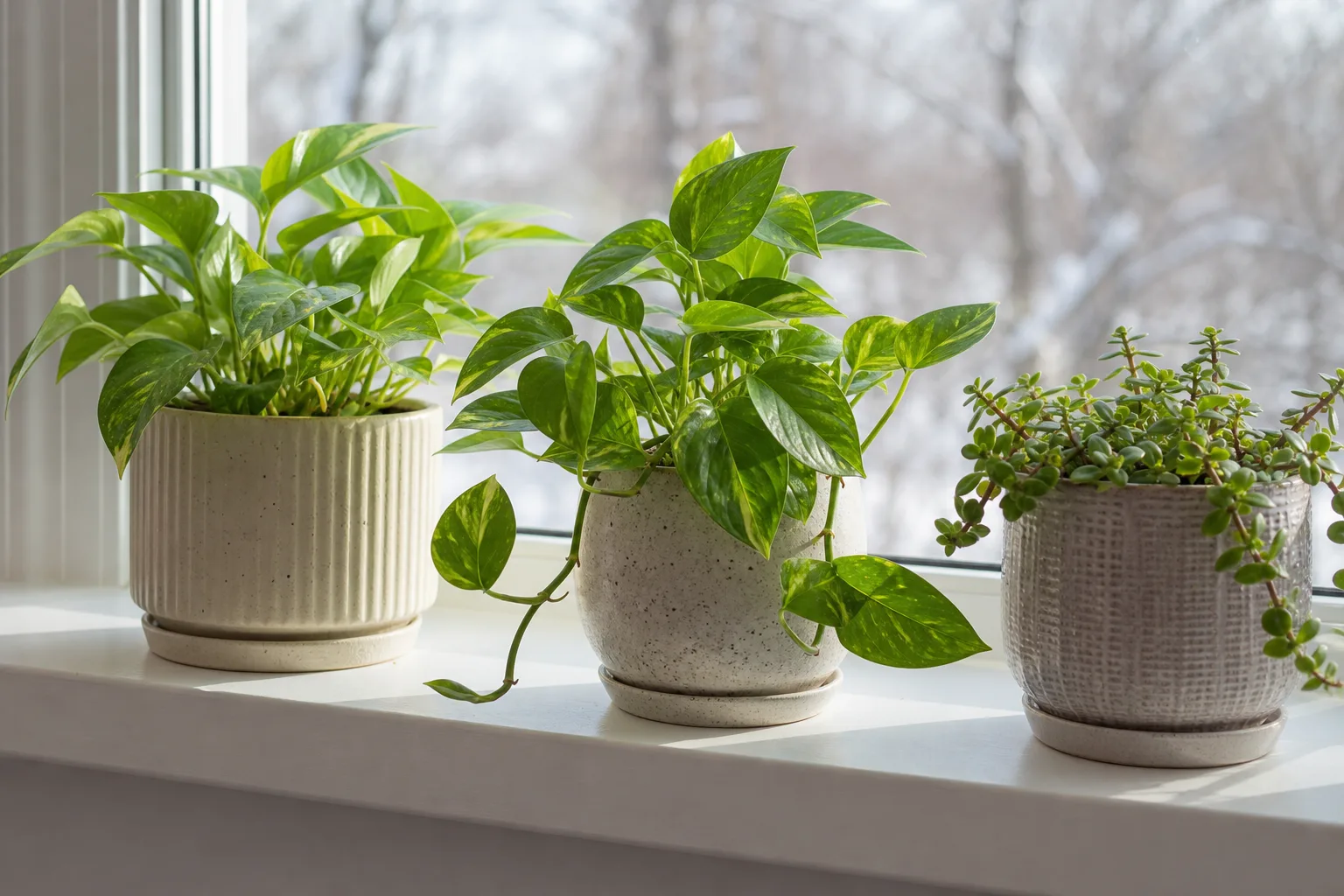
Purple shamrock wants bright light—full sun to partial shade outdoors, and a south-, east-, or west-facing window indoors. Aim for at least four hours of direct sun on many days to keep leaf color saturated. In hot climates or south windows with blazing afternoon rays, pull the pot back a few feet or use sheer curtain so leaflets do not bleach or crisp.
Epic Gardening notes that oxalis often thrives with morning sun and afternoon shade, especially when temperatures climb. Indoors, a plant that paleens to greenish purple is usually telling you it needs more light, not more fertilizer. Leggy stems with small distant leaves mean the same thing—move it closer to the glass or add a grow light. A simple test: if the shadow your hand casts on the leaf canopy is faint and diffuse all day, the spot is probably too dim for rich color.
Grow lights help in winter when days shorten. A full-spectrum LED panel 12–18 inches above the pot for 10–12 hours can keep growth steady without the scorch risk of a south window in July. See the Oxalis triangularis light guide for placement specifics tied to this species.
Signs Your Shamrock Needs More or Less Light
Too little light: washed-out purple, long weak stems, few flowers, slow new leaflet production. Too much hot direct sun: bleached patches, crispy edges, wilt by afternoon despite moist soil. The fix for too little is brighter exposure; the fix for too much is filter or distance, not more water.
Watering Purple Shamrock the Right Way
During active growth, water when the top inch of soil feels dry. Use a pot with a drainage hole and empty the saucer within 30 minutes so rhizomes never sit in standing water. Purple shamrock tolerates brief dryness better than constant sogginess—wet soil is the fast route to rhizome rot.
Epic Gardening describes oxalis as liking consistently moist but well-drained soil, which sounds contradictory until you think in terms of even moisture with airflow at the roots. A loamy mix in a pot that breathes (unglazed terracotta helps) hits that balance better than dense peat in a plastic cachepot with no exit for water. Water until a little runs from the drainage hole, then stop—never let the pot sit in a full saucer for hours.
Finger-testing beats calendar watering. In a 6-inch pot in active growth, that may mean watering every five to seven days in bright light, or every ten to fourteen days in a cooler dimmer room. Smaller pots dry faster; glazed ceramic slows evaporation. When in doubt, wait an extra day rather than soaking a mix that still feels cool and slightly damp an inch down.
Active Growth vs Dormancy Watering
When foliage yellows and dies back in summer heat or after a dry spell in autumn, assume dormancy unless rhizomes are mushy. Cut watering to a light drink every two to three weeks—just enough that the mix does not turn dust-dry for months. The plant is not drinking much; your job is to keep rhizomes firm without rotting them. When new purple shoots poke up, resume normal dry-down watering. Overwatering dormant pots is the most common way people kill an otherwise healthy purple shamrock.
Soil, Pots, and Drainage
Use a quality all-purpose potting mix amended with perlite or pumice if your blend stays heavy. NC State recommends loamy mix with good drainage and surface drying between drinks. Oxalis sends roots deeper than many small houseplants; a pot slightly larger than the root ball with depth for roots supports stability (Epic Gardening — oxalis care). These plants tolerate being somewhat rootbound, so upsize only when water runs straight through or rhizomes crowd the rim.
Temperature, Humidity, and Airflow
Ideal room temperature sits around 65–75°F. Epic Gardening flags above 80°F as a trigger for shade and reduced water; sustained heat indoors can push the plant into early dormancy. Below 50°F, growth slows and outdoor plants may die back for winter in mild climates.
Average household humidity is fine. Avoid blasting leaves with air from heaters, AC vents, or cold winter drafts—rapid desiccation shows up as browning leaflet edges before you notice the soil drying. If you summer the pot outdoors, acclimate it gradually so sun and wind do not shock folded leaves.
Fertilizer During the Growing Season
Feed only while foliage is actively expanding—typically fall through spring for many indoor plants. A balanced liquid houseplant fertilizer at half strength every four to six weeks works, or use slow-release granules mixed into the top inch of soil at the start of the growth period. Skip fertilizer entirely during dormancy and for six weeks after new shoots appear (let the plant root in first). Overfeeding a resting rhizome wastes product and can salt the soil without producing leaves.
Understanding Purple Shamrock Dormancy

Dormancy is normal, not a death sentence. NC State Extension notes the plant may rest in autumn or when too hot or too dry. Indoors, summer die-back is common when rooms spike above 80°F or when vacation watering slips. Outdoors in zones 8–11, winter dormancy in the ground is typical with spring regrowth.
Expect all foliage to brown and collapse. Rhizomes remain below soil. Leaves may disappear completely for several weeks to a few months. Do not repot, divide, or drench the pot during this phase. A label on the pot rim reading “dormant—do not water” saves you from well-meaning housemates who assume bare soil means thirst.
Indoor growers in air-conditioned summer often see dormancy earlier than outdoor plants in mild coastal zones. That is fine—match care to what the plant is doing, not the calendar month. If you must travel while foliage is dying back, move the pot out of direct sun and skip the automatic drip stake; a dormant rhizome needs less intervention, not more.
Dormancy vs Decline: A Three-Check Test
Before you discard a “dead” pot, run three checks:
- Season and temperature — Did heat or shortening days precede die-back? That favors dormancy.
- Rhizome firmness — Gently scrape aside a little soil. Firm, pale rhizomes or corms mean the plant is resting. Mushy, hollow, or smelly tissue means rot.
- Recent watering — Heavy watering into a leafless pot strongly favors rot over dormancy.
If rhizomes are firm, store the pot in a bright cool spot and wait. Our guide to dead-looking houseplants walks through the same wait-or-intervene logic for other species that rest seasonally.
How to Propagate Purple Shamrock

Propagation is easiest by division during active growth:
- Slide the plant out of its pot and brush away loose soil.
- Identify clusters of rhizomes with attached roots and shoots.
- Gently tease sections apart; use clean scissors only if rhizomes are tightly tangled.
- Plant each division in its own small pot at the same depth as before.
- Water lightly and keep in bright indirect light until new growth resumes.
You can also plant store-bought rhizome pieces (often sold as bulbs) in spring: set them 1–2 inches deep, pointed end up, 3–4 inches apart, and water once. Growth usually appears in three to four weeks in warm bright conditions. See the dedicated Oxalis triangularis propagation guide for timing and aftercare detail.
Repotting and Dividing Overgrown Plants

Repot every two to three years, or when division is convenient, in early active growth—not mid-dormancy. Choose a container only one size larger with drainage holes. Terracotta is ideal because it wicks excess moisture through the walls. Loosen the root ball, trim any black mushy roots with sterilized shears, and replant at the same depth with fresh mix. Water once, then let the top inch dry before the next drink. Repotting and division pair naturally: share extras with friends instead of cramming every rhizome into one crowded pot.
Getting Purple Shamrock to Bloom
Purple shamrock flowers are small five-petaled stars in white, pink, or lavender, carried in clusters above the foliage. They share the leaflets’ habit of closing at night. Bloom season for indoor plants often peaks fall through spring—aligned with active growth in cooler bright months rather than summer dormancy.
Blooms need three inputs: enough light, even moisture during growth, and mild feeding. A starving or drought-stressed plant saves energy and skips flowers. If your shamrock blooms reliably every year then stops after a hot summer indoors, wait out dormancy before expecting flushes again—forcing water or fertilizer on bare soil rarely tricks it into bloom.
Individual flowers last only a few days, but healthy plants produce waves of buds over weeks. Deadhead spent flower stems by pinching at the base—this redirects energy to foliage and the next flush rather than seed formation. Light sweet fragrance is normal on some clones, strongest on warm afternoons when petals are fully open.
Toxicity for Pets and People
NC State rates poison severity as low, but all parts contain soluble calcium oxalates and are toxic if ingested in quantity. Symptoms in humans are usually mild unless someone eats a large amount; horses can develop colic, and significant ingestion risks kidney effects in grazing animals (NC State Extension — Oxalis triangularis). The ASPCA lists shamrock (Oxalis species) as toxic to dogs, cats, and horses, with potential vomiting and kidney concerns.
Keep pots off floor-level spots curious pets can reach. Wash hands after handling if you have sensitive skin. Edibility notes on some extension pages refer to occasional culinary use in moderation for humans—not permission for pets to nibble. When in doubt, call your veterinarian or the ASPCA Animal Poison Control Center at (888) 426-4435.
Common Problems and What to Do First
Most purple shamrock troubles trace to water, light, temperature, or dormancy misread—not mysterious disease.
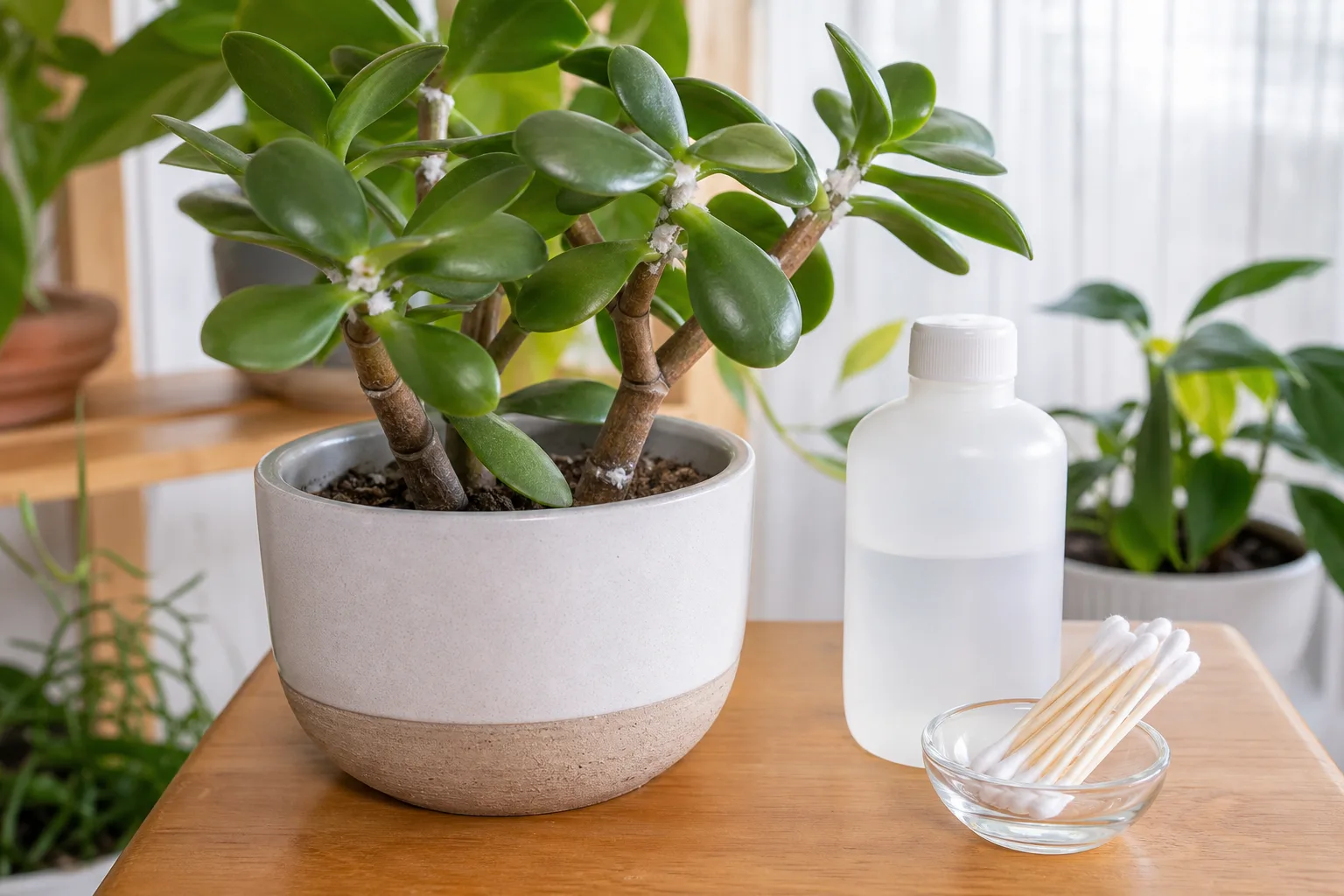
Root rot smells sour, shows black mushy rhizomes, and follows chronic overwatering—especially in dormant pots. Discard rotted tissue, repot healthy sections only, and dry out the mix. Mealybugs, aphids, and spider mites appear on stressed indoor plants; isolate, rinse foliage, and treat with insecticidal soap if pests persist. Powdery mildew white patches mean humid stagnant air—improve airflow and avoid wetting leaves at night.
Drooping on an open bright morning usually means thirst or heat wilt—check soil moisture first. Drooping with fold during the day in cool weather points to overwatering or rot. Uniform browning with die-back in summer is often dormancy—reduce water and wait. Leggy pale stems mean low light—move the pot. Do not chop all foliage the moment it browns during a known rest period; wait until new growth replaces it, then trim only the spent stems.
For symptom-specific fixes, use the cluster pages: drooping leaves, root rot, not enough light, and mealybugs.
In zones 8–11, you can also grow purple shamrock outdoors in well-drained soil with sun or partial shade. Winter die-back in the ground is normal; mulch lightly in borderline zones. In colder regions, keep it in containers and move pots indoors before frost while nights are still above 50°F. Pair it with silver foliage or lime-green trailers in mixed patio pots—deer and rabbits tend to avoid it, and flowers attract butterflies during active bloom (NC State Extension — Oxalis triangularis).
Conclusion
Purple shamrock rewards growers who respect its calendar: bright light and regular water while leaves are expanding, patience and near-dry soil while rhizomes rest, and rotation so stems stay balanced. Learn the nightly leaf fold, the summer die-back, and the firm-rhizome squeeze test and you stop treating a resting plant like a failing one. Keep pets away, propagate when growth is strong, and the same pot can produce years of purple fluttering foliage—with flowers as a seasonal bonus rather than a constant demand.