Free Pet Safe Plant Checker for Houseplants
Look up current LeafyPixels pet-safety classifications for common houseplants.
Pet Safe Plant Checker
Look up a plant
No plants match your search. Try a different name.
Pet safe
Toxic to pets
Use caution
Free Pet Safe Plant Checker for Houseplants
Look up current LeafyPixels pet-safety classifications for common houseplants.
No plants match your search. Try a different name.
Pet safe
Toxic to pets
Use caution
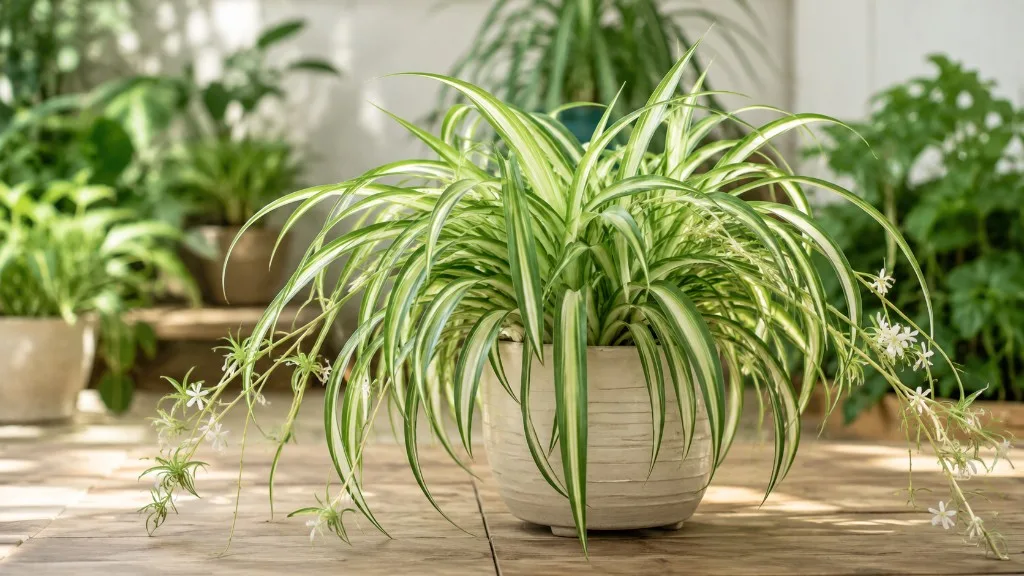
The Pet Safe Plant Checker is built for the moment before a plant comes home, when a cat is already sniffing a nursery bag, or when a dog has taken one enthusiastic bite out of a leaf. It helps you separate “safe enough for a pet household” from “keep this away from animals” without forcing you to memorize every botanical synonym, cultivar name, and common-name trap.
Plant toxicity is not a single yes-or-no idea. Some plants mainly irritate the mouth. Some cause vomiting or diarrhea. A smaller group can cause organ damage, heart rhythm problems, seizures, or death. True lilies are an emergency-level risk for cats, while many aroid houseplants are more often oral-irritant risks because they contain insoluble oxalate crystals. The checker is meant to make that difference clearer, not to replace a veterinarian, poison-control service, or a careful plant identification.
Use the result as a first decision layer: buy, avoid, move, isolate, or call for help. Then match the plant name, the pet species, the amount eaten, and the symptoms against a trusted source or veterinary advice. The ASPCA maintains a searchable toxic and non-toxic plant database for dogs, cats, and horses, and it also directs pet owners to contact a veterinarian or ASPCA Poison Control if an animal may have ingested a poisonous substance toxic and non-toxic plant database.
The checker helps you look up a plant by common name or botanical name and compare it against pet-safety guidance for cats and dogs. A useful result should tell you whether the plant is usually treated as non-toxic, mildly irritating, toxic, or high-risk, and it should give enough context to explain why the label matters.
That context is the difference between a helpful warning and a vague scare. “Toxic” can describe a peace lily that may cause oral pain, drooling, and vomiting, or a true lily that can cause acute kidney injury in cats. Those are not the same risk category. A tool that treats them as identical makes pet owners either too relaxed about emergencies or too anxious about every plant in the room.
The checker is strongest for common houseplants, patio plants that are often brought indoors, bouquet plants, and popular gift plants. It is less reliable when the plant name is incomplete, the plant is a rare cultivar, the pet ate an unknown amount, or the situation already involves symptoms. In those cases, the tool can still help with vocabulary and triage, but the next step should be veterinary guidance.
The checker cannot diagnose poisoning, estimate a safe dose, identify a plant from a blurry photo, or tell you that a symptomatic pet is fine. Toxicity depends on the exact plant, the exact animal, the amount eaten, the part eaten, the pet’s size and health, and how quickly care begins.
It also cannot guarantee that a “non-toxic” plant will cause no symptoms. Many non-toxic plants can still cause mild stomach upset if a pet eats enough leaves, soil, fertilizer granules, moss, or potting mix. “Non-toxic” means the plant is not listed as containing a known toxin for that animal in the consulted reference set. It does not mean edible, nutritious, or risk-free.
Use the checker for prevention and early orientation. Use a veterinarian, emergency clinic, or poison-control hotline for ingestion, symptoms, or uncertainty. Purdue University College of Veterinary Medicine warns that lilies can cause kidney failure in cats dangerous for cats, while Merck Veterinary Manual describes cycad or sago palm exposure as a severe risk for dogs, with gastrointestinal signs, liver injury, and central nervous system abnormalities cycad or sago palm exposure.
Common names are the biggest source of pet-safety mistakes. “Lily” can mean several very different things. Easter lily, tiger lily, Asiatic lily, Oriental lily, and daylily are emergency risks for cats. Peace lily and calla lily are not true lilies, but they can still irritate the mouth because of insoluble oxalates. Lily of the valley is a different problem again because it can affect the heart.
The same confusion happens with palms. Areca palm, parlor palm, and ponytail palm are widely treated as pet-friendlier choices, while sago palm is a cycad and belongs in a high-risk category. A buyer searching “palm pet safe” can get dangerously mixed results if the plant label is vague.
Whenever possible, use the botanical name from the nursery tag. If the tag says Epipremnum aureum, the checker can handle that more confidently than “devil’s ivy,” “golden pothos,” or “money plant,” because common names shift by region. If the label only gives a marketing name, search the plant shape, cultivar, and genus before deciding it is safe.
Start with the exact plant name on the label. Type the botanical name if you have it. If you only have a common name, run the obvious common name and then check the likely botanical match. For example, “pothos” usually points to Epipremnum aureum, while “split-leaf philodendron” may point to Monstera deliciosa rather than a true Philodendron.
Next, choose the pet species you are protecting. Cats and dogs overlap on many plant hazards, but they are not identical. Cats are uniquely vulnerable to true lilies. Dogs are often overrepresented in sago palm cases because they chew seeds and outdoor plant material. Birds, rabbits, reptiles, and small mammals need separate veterinary or species-specific guidance, so do not assume a cat-and-dog result covers every animal in the home.
Finally, treat the result as a placement decision. If the plant is non-toxic, you may still need to protect the plant from chewing. If it is an oral irritant, you need a realistic barrier, not a high shelf a cat can reach. If it is high-risk, the cleanest answer is usually not to bring it into the home at all.
If a pet has already eaten part of a plant, use the checker only after you have secured the pet and the plant material. Move the plant away, remove loose pieces from the floor, and keep the label, pot, photo, or cutting for identification. Do not wait for symptoms before taking a high-risk exposure seriously.
For cats and true lilies, time matters. The FDA says early signs of lily toxicity can include decreased activity, drooling, vomiting, and loss of appetite, with kidney-damage signs beginning later; it also notes that delayed treatment after ingestion can lead to irreversible kidney failure lily toxicity in cats. That is why the right response to suspected lily exposure is not “watch overnight.” It is rapid veterinary advice.
For lower-risk oral-irritant plants, symptoms can still be unpleasant. Drooling, pawing at the mouth, vomiting, swelling, difficulty swallowing, or breathing difficulty should move the situation out of tool territory and into veterinary territory. If you call a clinic or poison-control service, be ready with the plant name, pet species, weight, approximate amount eaten, time since exposure, and current symptoms.
In pet-plant references, “non-toxic” usually means the plant is not known to contain toxic principles that commonly poison that listed animal. It does not mean the plant is a snack. Fibrous leaves, rough stems, contaminated soil, fertilizers, systemic pesticides, decorative moss, and moldy potting mix can still cause trouble.
The practical way to read a non-toxic result is: this plant is a better candidate for a pet household, but you should still discourage chewing. A cat that shreds a spider plant every day may vomit plant material even if the plant itself is not classified as toxic. A dog that eats a full pot of any plant has also eaten soil and amendments.
Non-toxic also does not mean equally safe for every pet. The ASPCA cat list includes common pet-household choices such as spider plant, areca palm, baby rubber plant, and parlor palm among plants listed as non-toxic to cats ASPCA cat list. That is useful, but it still needs to be paired with the actual pet in front of you, especially if the animal is very young, elderly, chronically ill, or prone to eating non-food objects.
Many popular houseplants are toxic because they irritate tissue rather than because they usually cause systemic organ failure. Aroids such as pothos, philodendron, monstera, peace lily, dieffenbachia, and alocasia contain insoluble calcium oxalate crystals. When chewed, these crystals can irritate the lips, mouth, tongue, throat, and digestive tract.
Merck Veterinary Manual describes clinical signs after ingestion of insoluble oxalate-containing plants as immediate pain, irritation, hypersalivation, pawing at the mouth, edema, lethargy, and anorexia insoluble oxalate-containing plants. Clemson Extension lists peace lily, philodendron, and pothos as houseplants with calcium oxalate crystals and notes oral irritation, swelling, drooling, difficulty swallowing, and vomiting as possible symptoms poisonous houseplants to avoid.
That does not make these plants harmless. Mouth swelling can be distressing, and severe swelling can become more serious. But it does mean the checker should communicate the type of toxicity, not just the label. A pet owner deciding between pothos and sago palm needs to know that one is typically an irritant exposure while the other can be life-threatening.
Some plants deserve a different level of caution because credible veterinary sources connect them with severe outcomes. True lilies and daylilies are the classic cat emergency. Cornell Feline Health Center warns that cats can be poisoned by eating lily leaves or petals, licking pollen from fur, or drinking vase water lily exposure routes.
Sago palm is another high-risk plant. It is often sold as a decorative indoor or patio plant, but it is a cycad, not a true palm. The ASPCA cat list includes cycads, sago palm, fern palm, coontie palm, and cardboard palm among toxic plants for cats cycads and sago palm, and Merck notes that dogs are extremely sensitive to toxicity from cycads or sago palms, with severe gastrointestinal signs, hepatotoxicity, and central nervous system abnormalities expected cycads or sago palms.
Oleander, yew, foxglove, lily of the valley, azalea, rhododendron, castor bean, and autumn crocus are also plants where a casual “out of reach” plan is not enough. If a plant has a credible record of affecting the heart, kidneys, liver, or nervous system, assume that access prevention must be strong or the plant should not be in the pet’s environment.
Pet households do not have to be empty of plants. The safer shortlist usually starts with spider plant, Boston fern, bird’s nest fern, parlor palm, areca palm, calathea, maranta, peperomia, hoya, moth orchid, African violet, pilea, and some haworthia-type succulents. Always verify the exact plant, because lookalikes and mislabeled plants are common.
The best pet-safe plant is not just non-toxic. It is also sturdy enough for your home. A Boston fern may be listed as pet-safe, but it can shed and suffer in dry air. A calathea may be non-toxic, but it can be fussy about water quality and humidity. A spider plant is forgiving, but its arching leaves can attract cats that like moving targets.
That is where LeafyPixels internal links help after the checker gives a safety result. Use /plants/ to compare plant profiles, /tools/ to choose a care tool for placement or watering, and /symptoms/ if a plant starts declining after you move it away from a pet. Pet safety is the first filter. Long-term plant health still depends on light, watering, humidity, pot size, and soil behavior.
Cats change the risk profile because they climb, explore shelves, chew thin leaves, and groom pollen off fur. A plant that looks unreachable to a dog may be easy for a cat. Flower arrangements are especially risky because a cat may drink vase water, brush against pollen, or nibble a petal while nobody is watching.
Dogs change the risk profile in a different way. Puppies and bored dogs may chew woody stems, dig in pots, swallow bulbs, or crack seeds. Outdoor patio plants matter because dogs may have unsupervised yard access. A sago palm seed on the floor is a much more realistic dog exposure than many owners expect.
If you share a home with both cats and dogs, use the stricter result. A plant that is mainly a cat risk should still be avoided if a cat lives there, even if the dog result is lower concern. A plant that is especially attractive to dogs should be treated cautiously even if the cat ignores it.
Many pet owners keep mildly toxic plants by moving them high, hanging them, or placing them behind doors. That can work for some homes, but only when the barrier matches the animal. A high shelf is not a barrier for many cats. A plant stand is not a barrier for a large dog. A closed room is not a barrier if guests, kids, or routine habits leave the door open.
Think in layers. The first layer is plant choice. The second is location. The third is supervision. The fourth is behavior: does the pet chew leaves, dig soil, jump to shelves, or ignore plants entirely? The fifth is maintenance: fallen leaves, pruned stems, spilled soil, and bouquet petals can be more accessible than the potted plant itself.
For high-risk plants, placement should not carry the whole safety plan. For mild irritants, placement may be reasonable if the pet has no history of chewing and the plant is genuinely inaccessible. For non-toxic plants, placement is more about protecting the plant and preventing messy stomach upset than preventing poisoning.
Many homes already have a mix of safe, irritating, and high-risk plants. The checker can help you triage instead of panic. Start by identifying the plants most likely to cause severe outcomes. Remove or isolate true lilies, sago palm, oleander, yew, foxglove, lily of the valley, and other high-risk plants first.
Next, group oral-irritant aroids together and decide whether your actual pet can reach them. Pothos trailing from a bookcase may be more accessible than a compact philodendron on a closed-office shelf. A peace lily on the floor is a different risk from a peace lily inside a pet-free workroom.
Then build a pet-safe zone with verified non-toxic plants. This matters because it gives you a place where plants and pets can share space without constant vigilance. A pet-safe zone is especially useful for renters, small apartments, and homes where closing off an entire plant room is unrealistic.
The first mistake is searching only one common name. “Money plant,” “lily,” “palm,” “ivy,” and “rubber plant” can point to very different species depending on the region and seller. If the plant has a label, use the botanical name. If it does not, compare several reputable sources before trusting a result.
The second mistake is assuming toxicity equals death. That makes people dismiss warnings once they learn that many aroids mainly irritate the mouth. The better habit is to ask what kind of toxicity is involved, how severe it can be, and what symptoms would make the situation urgent.
The third mistake is assuming a plant is safe because a pet has ignored it so far. Pet behavior changes with boredom, stress, age, new placement, new scents, guests, seasonal flowering, and fallen leaves. A safe setup is not only about today’s behavior. It is about what remains safe when the household is busy.
Call promptly if the plant is high-risk, the identity is uncertain, the pet swallowed more than a tiny nibble, or symptoms have started. Symptoms that deserve urgency include repeated vomiting, severe drooling, swelling of the mouth or face, difficulty breathing or swallowing, weakness, collapse, tremors, seizures, abnormal heart rhythm, blood in vomit or stool, extreme lethargy, or changes in urination.
Do not try to induce vomiting unless a veterinary professional tells you to. Do not rely on home remedies from forums or social media. Some exposures need decontamination, fluids, bloodwork, monitoring, or other veterinary care. Some treatments are time-sensitive.
If you are calling for help, gather the plant or a photo, the label, the amount eaten, the time of exposure, your pet’s weight, and any symptoms. That information makes the call more useful and can save time.
Pet safety is one part of plant selection, but it is a decisive part. A plant can match your light, watering style, humidity, and design taste while still being the wrong plant for a home with animals. The checker should be one of the first filters, before you invest in pots, moss poles, soil mixes, and a permanent shelf.
After safety, use care fit to narrow the choice. A calathea may be safe for pets but demanding in dry rooms. A peperomia may be safer and easier for a small shelf. A parlor palm may tolerate lower light better than an areca palm in some homes. A moth orchid may be a better pet-safe flowering option than a seasonal lily bouquet.
The best result is a plant that is safer for the pet and realistic for the room. That is where the checker connects naturally with other LeafyPixels tools: safety first, then light, watering, pot size, humidity, and symptom diagnosis if something starts to go wrong.
The Pet Safe Plant Checker is a prevention tool, not a medical tool. Use it to verify plant names, compare cat and dog risk, understand the type of toxicity, and avoid bringing high-risk plants into a home where pets can reach them. The most useful result is not just “safe” or “toxic.” It is a clear next step: choose the plant, choose a safer alternative, move it behind a real barrier, or call for veterinary help.
For everyday plant shopping, verify the botanical name and favor plants with a strong non-toxic record for the pets in your home. For suspected ingestion, especially true lilies in cats or sago palm in dogs or cats, skip the wait-and-see approach and contact a veterinarian or poison-control service quickly. A good indoor jungle should be built around the animals who already live there.
This Pet Safe Plant Checker was researched and written by . Logic, safety notes, and result copy for Pet Safe Plant are reviewed against LeafyPixels plant-care data, extension references, and veterinary toxicity sources where pet safety is involved.
We prioritize sources that hold up under scrutiny:
The LeafyPixels editorial team then reviews the draft for clarity, step-by-step usefulness, and fit with real apartment and home conditions-not ideal greenhouse setups. When guidance changes materially, we update the page and note the revision date.
The long-form review for this page covers Pet Safe Plant Checker. Its bottom source list includes 7 external citations pulled from the long-form guide, then deduplicated with the tool’s frontmatter sources.
Many popular indoor plants are toxic to pets, including pothos, philodendron, peace lily, snake plant, ZZ plant, and aloe vera. These plants contain compounds like calcium oxalate crystals or saponins that can cause vomiting, drooling, lethargy, or more serious symptoms if ingested. Always check a plant’s toxicity status before bringing it into a home with cats or dogs.
Cat-safer houseplants often include spider plants, Boston ferns, areca palms, many calatheas, many peperomias, and haworthias. Even plants commonly treated as non-toxic can still cause stomach upset if a cat chews enough leaves or potting material, so use the checker as a screening tool rather than as a license to let pets graze.
Not necessarily. The checker shows the verified pet statuses currently stored for that plant, and some plants have much stronger cat-and-dog evidence than rabbit, bird, or reptile evidence. If a pet has already chewed the plant or the exact species is unclear, contact your veterinarian instead of relying on a broad pet-safe label.
If your pet ingests a toxic plant, contact your veterinarian or the ASPCA Animal Poison Control Center (888-426-4435) immediately. Bring the plant or a photo of it so the vet can identify the species and determine the appropriate treatment. Early intervention is critical - symptoms can progress quickly depending on the plant and the amount consumed.
Yes, placing mildly toxic plants on high shelves, in hanging planters, or in rooms your pet cannot access is a common and effective strategy. However, cats are skilled climbers and curious pets may still find a way to reach them, so opting for fully pet-safe plants is always the safest choice. Use our checker to find beautiful alternatives that pose zero risk to your furry family members.
Search the plant by common or botanical name, open the matching result, and read the current safe, toxic, or caution signal shown by the site. Then open the linked plant guide or per-pet page if you need fuller context, especially when your home includes rabbits, birds, turtles, or tortoises.